Cable Assembly

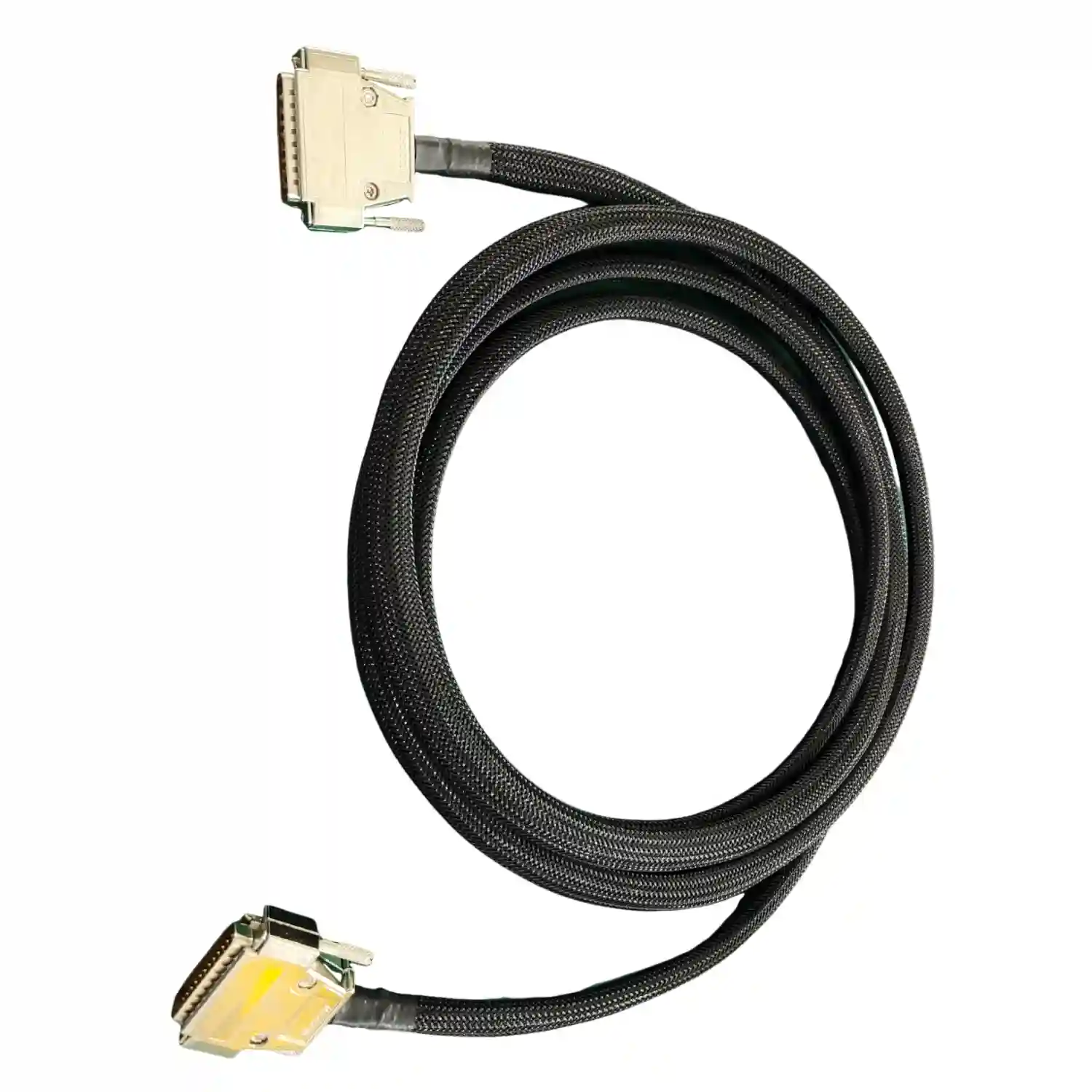
Power Cable Assembly Manufacturer — Battery, HV, Motor & TC-ER

Power cable assembly is a family, not a single part. We build custom battery, high-voltage EV, motor/VFD and TC-ER certified power cables with correct conductor sizing and ampacity, lug and crimp termination, and HiPot testing — with each type detailed on its own page so you can go straight to the one your voltage and environment need.

Custom power cable assembly manufacturing
Heavy-gauge powerAWG 8+
Dielectric withstand testHiPot
Battery / HV / Motor / TC-ER4 families
Build disciplineIPC-A-620

Application Context

Real power projects we have delivered (anonymized)

Real customer engagements, anonymized to industry and region — no client names are published. The numbers are from the actual programs.

Smart-energy OEM · United States — TC-ER 2AWG power cable engineered. A 2AWG 3-conductor cable had diameter and flexibility constraints, and an initial material substitution for the inner jacket was rejected because it did not meet the mandatory TYPE TC-ER certification required on both inner and outer jackets. We engineered a compliant construction rather than ship a lower-rated substitute. Read the full case study →

Energy-storage SME — 100 custom 2-pin battery assemblies in 12 days. A battery program needed 100 custom 2-pin power assemblies on a compressed timeline. With the release confirmed, the batch was built and shipped inside a 12-day window. Read the full case study →

Both show the same discipline: on power work, conductor rating and jacket compliance are met to the approved spec — not substituted to hit a number. See more wire harness case studies.

Power Assembly Types

Choose Your Power Cable Assembly Type

Each power family has its own dedicated page with conductor, connector, and test detail — start with the one that fits your voltage and environment.

Battery Cable Assembly

Battery and energy-storage power cables with heavy-gauge conductors, lug and stud termination, polarity control, and HiPot testing for pack, BMS, and DC distribution.

  • Heavy-gauge battery conductors
  • Lug / stud termination
  • Polarity + HiPot testing

High-Voltage Cable Assembly

Orange-jacket EV high-voltage assemblies for battery, traction inverter, BESS and DC fast-charge, with shielding, HV connectors, and dielectric-withstand testing.

  • EV 600–1000 V programs
  • HV connectors & shielding
  • HiPot at spec voltage

Motor & VFD Cable Assembly

Servo motor power, brake, and VFD drive cables with shielding for EMC, connector sourcing, and continuity plus insulation testing for motion-control programs.

  • Servo / VFD power
  • Shielded for EMC
  • Insulation & continuity test

TC-ER Certified Power Cable

TC-ER rated power cable assemblies engineered to the approved jacket and temperature class, for tray-cable and exposed-run installations without substituting a lower-rated material.

  • TYPE TC-ER construction
  • Approved jacket & temp class
  • No lower-rated substitution

Engineering Challenges

What we control on power work

01

Conductor Sizing & Ampacity

Gauge is confirmed against current, distance, temperature, bundle count, and de-rating so the assembly meets its ampacity and voltage-drop targets — not sized by assumption.

02

Jacket & Rating Compliance

TC-ER, UL styles, and temperature class are built to the approved specification. We engineer a compliant construction rather than substitute a lower-rated material to hit a price.

03

HV & Dielectric Testing

For EV, battery, and HV programs, HiPot at the specified test voltage plus insulation resistance are release gates, with shielding and HV connector handling to the design.

04

Termination Integrity

Lug, stud, and crimp terminations on heavy-gauge power are pull-tested and inspected because a poor power termination is a thermal and safety risk, not just a cosmetic one.

Technical Capabilities

Power Cable Assembly Capability Table

Assembly familiesBattery, high-voltage EV, motor/VFD, TC-ER certified
ConductorHeavy-gauge (AWG 8 and up) with ampacity and de-rating review
TerminationLug, stud, and crimp with pull-force verification
TestingContinuity, HiPot, insulation resistance, polarity (per approved plan)
RatingsTC-ER, UL styles, temperature class built to approved spec
Standards contextIPC/WHMA-A-620, UL-758, ISO 9001:2015 quality records
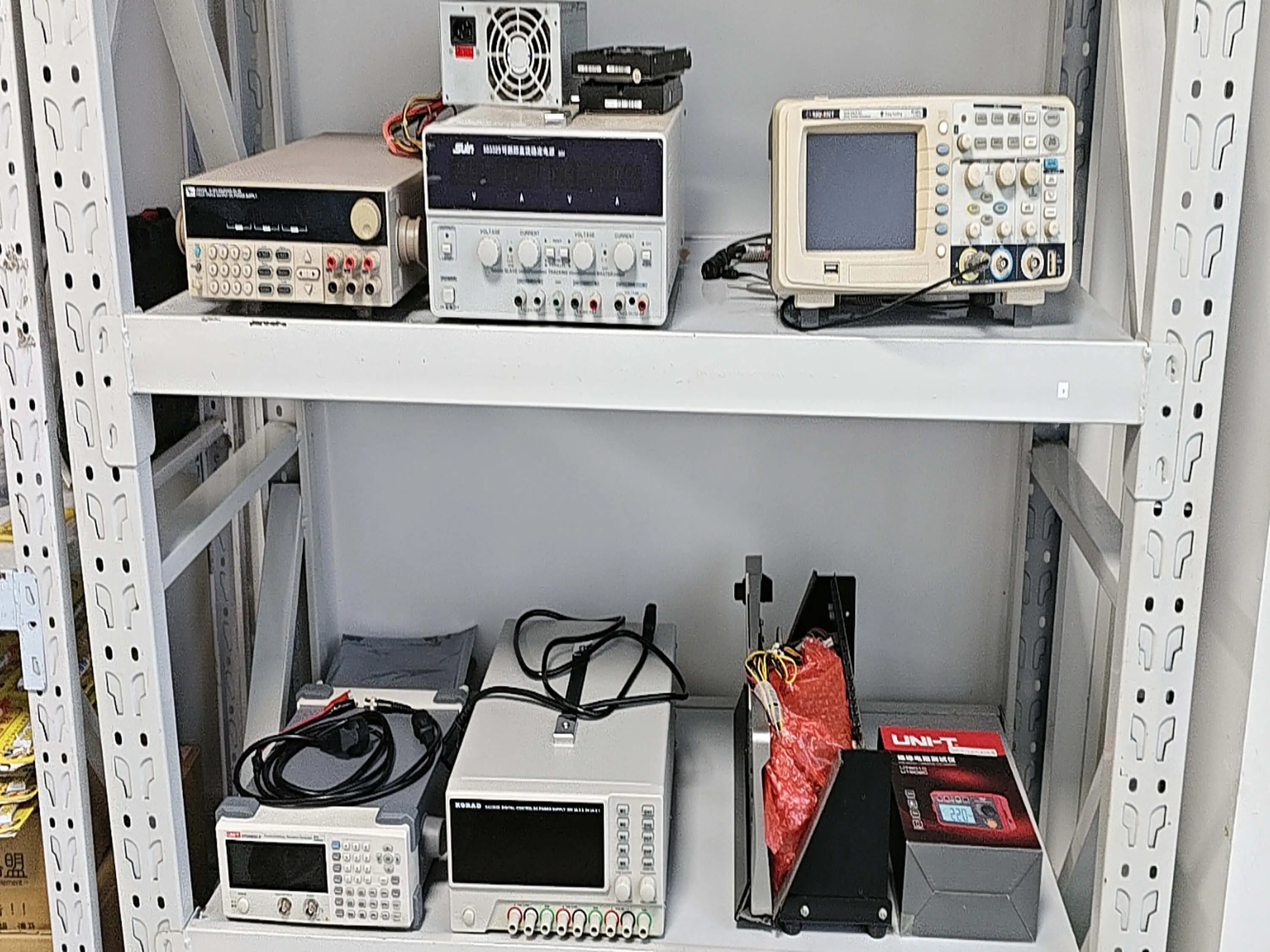
Power cable assembly HiPot and insulation testing

Manufacturing Process

From RFQ to shipment

01Drawing / BOM Review
02Conductor & Rating Review
03Connector / Lug Sourcing
04Cutting & Termination
05Crimp / Lug Pull-Test
06HiPot & Insulation Test
07Final Inspection
08Packaging & Export

Quality & Testing

Power verification evidence

Power assemblies receive continuity and the agreed dielectric checks — HiPot at the specified voltage and insulation resistance — plus lug/crimp pull-force and polarity verification, documented so engineering and supplier quality work from the same evidence at release.

Continuity & ShortsPolarity VerificationCrimp / Lug Pull-ForceHiPot (Dielectric Withstand)Insulation ResistanceTorque VerificationVisual InspectionFirst-Article RecordLot Report

Why WHP

Why Source Power Cable Assemblies from WellPCB?

Power work fails dangerously — an undersized conductor or a non-compliant jacket is a thermal and safety risk, not a cosmetic one.

Conductor and rating are built to spec, not to price

Gauge, ampacity, and jacket rating are confirmed against the requirement; we engineer a compliant construction rather than substitute a lower-rated material to hit a number.

HiPot and insulation are release gates

For EV, battery, and HV programs, dielectric-withstand and insulation testing are standard gates, so an assembly is not released against an untested assumption.

You get the right power family, not a forced fit

Battery, HV, motor, and TC-ER each have a dedicated page and a distinct build; we point you to the correct one for your voltage and environment.

Terminations are pull-tested

Lug, stud, and crimp terminations on heavy-gauge power are pull-tested and inspected, because a poor power connection becomes a heat and safety problem in service.

Standards and supplier-qualification references

Power cable assembly still needs shared quality language, so buyers can align RFQ wording with IPC/WHMA-A-620 workmanship, UL-758 wire context, and documented ISO 9001-style controls before supplier comparison.

IPC/WHMA-A-620Workmanship
UL-758Wire Review
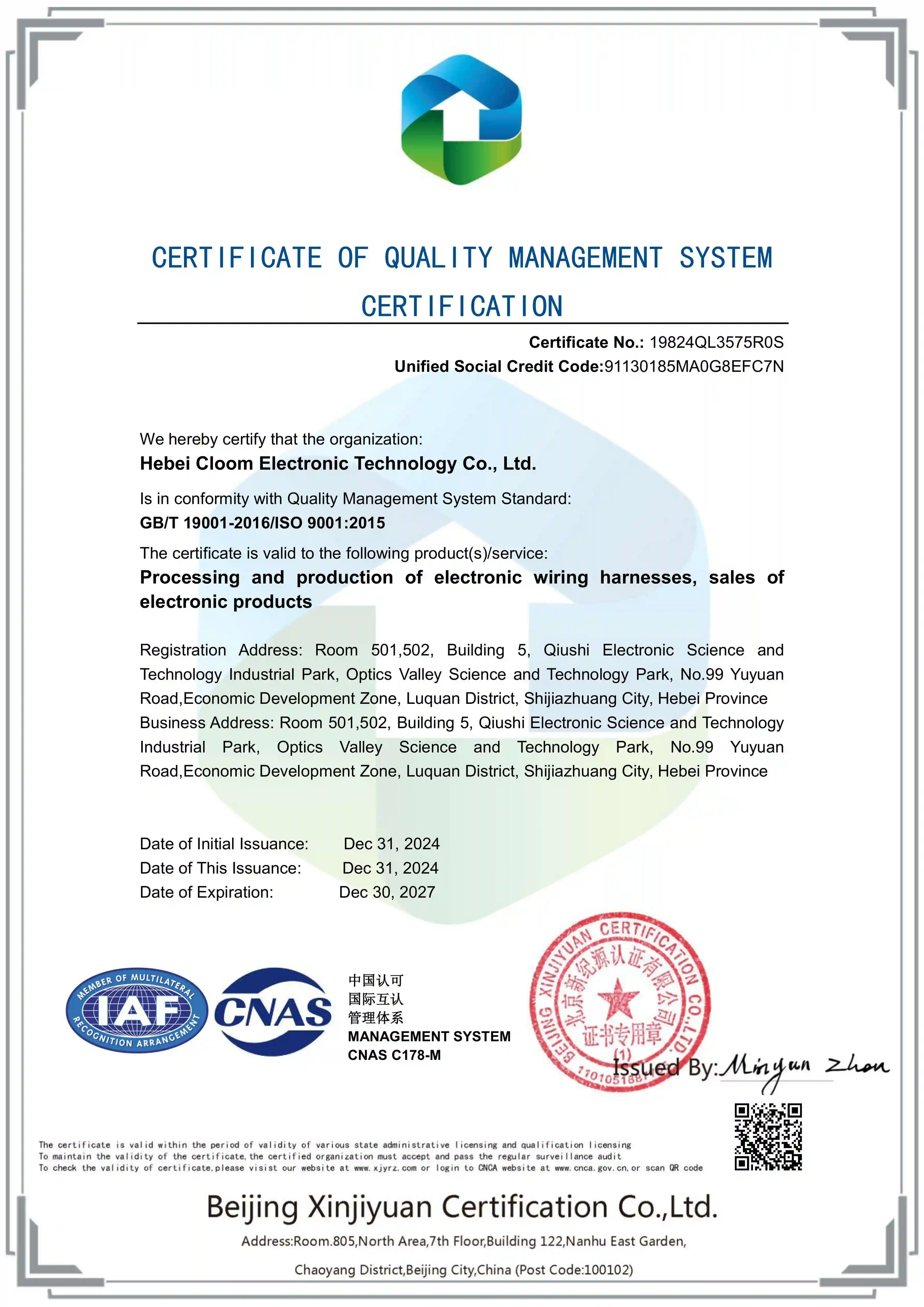
ISO 9001:2015Quality Records
ISO 9001 Certificate
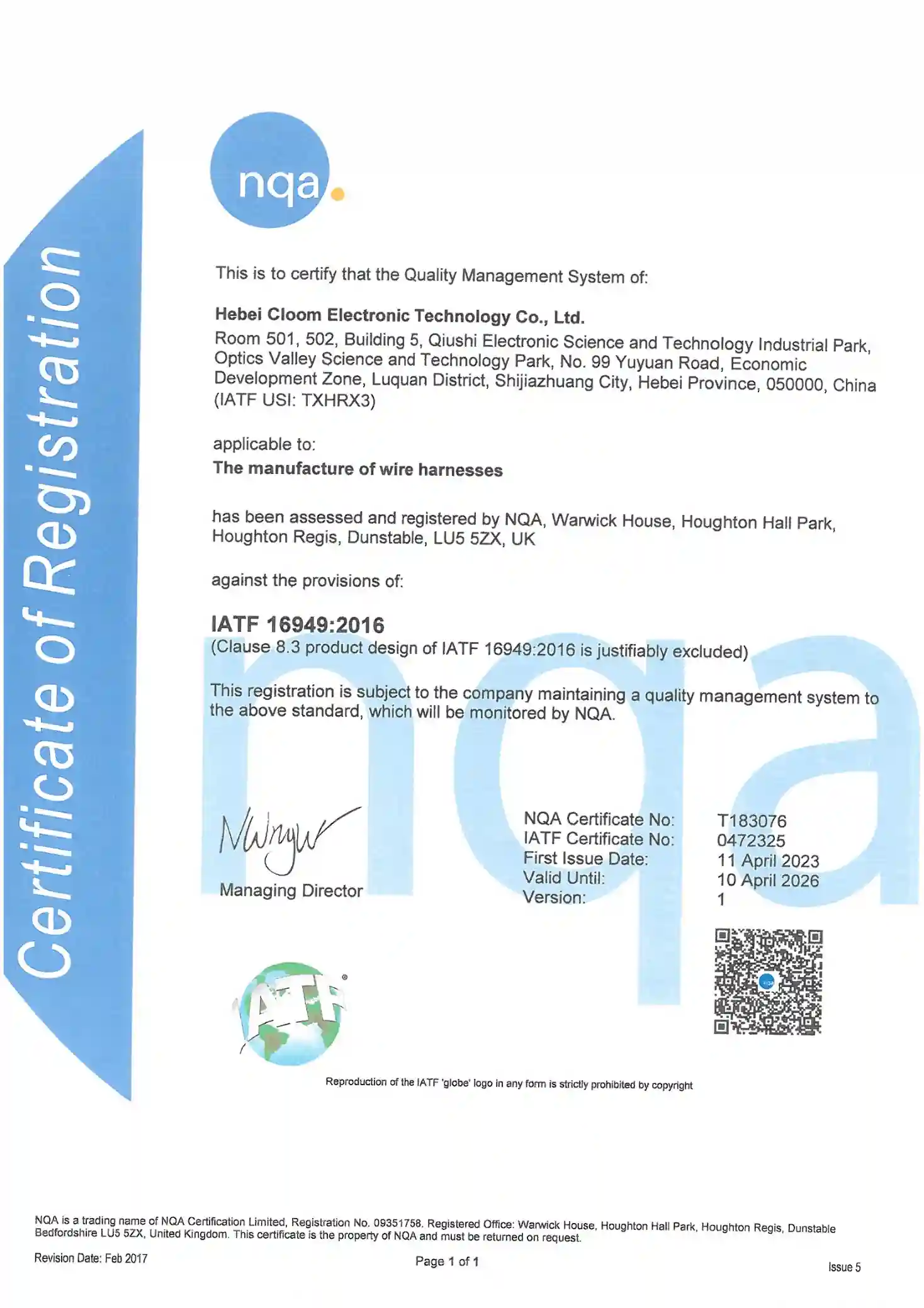
IATF 16949 build-to standard

FAQ

Buyer Questions Before RFQ

What power cable assemblies do you build?
We build custom power cable assemblies across the common families: battery and energy-storage cables, high-voltage EV cables, servo motor and VFD power cables, and TC-ER certified power cables. Each type has its own dedicated page; this page is the umbrella that ties them together and points you to the right one for your voltage, current, and environment.
How do you size the conductor and confirm ampacity?
Gauge is confirmed against current, distance, ambient temperature, bundle count, and the applicable rating (NEC/UL de-rating where relevant). If the gauge is still open, send the current, length, and temperature and we will size it. Correct conductor sizing and lug/terminal selection are reviewed before quoting so the assembly meets its ampacity and voltage-drop targets.
Do you test high-voltage and power assemblies?
Yes. Power and HV assemblies are verified to the customer-approved plan, which can include continuity, HiPot (dielectric withstand), insulation resistance, and polarity, with values set for the voltage class. For EV and battery programs, HiPot at the specified test voltage is a standard release gate rather than an option.
Can you meet TC-ER, UL, or specific jacket requirements?
Material and rating requirements — TC-ER, UL styles, temperature class, jacket construction — are defined and owned by the customer, and we build to the approved specification rather than substituting a lower-rated material to hit a price. Where a compliant construction needs engineering (for example a TC-ER inner and outer jacket), we work it out against the requirement, as in the representative project above.

OEM Program Entry

Need Custom Power or Battery Cable Assemblies?

Send the drawing, conductor and connector specs, voltage/current, rating (TC-ER/UL), test requirements, and quantity. We will return conductor sizing, lug sourcing, a test plan, and a quote — or point you to the right power assembly family.

We will review

  • 01Manufacturability Review
  • 02Component Availability
  • 03Cost Drivers
  • 04Validation Requirements

Related Capabilities

Power cable assembly families

Go straight to the dedicated page for your power assembly type.

TL;DR

Power cable assembly at a glance

Power cable assembly is a family: battery, high-voltage, motor/VFD, and TC-ER — each with its own page.

Conductor gauge and ampacity are confirmed against current, distance, temperature, and de-rating.

HiPot and insulation testing are release gates for EV, battery, and HV programs.

Jacket and rating (TC-ER/UL) are built to the approved spec — never substituted to hit a price.

Applications

Where Power Cable Assemblies Fit

From EV high-voltage to tray-cable TC-ER — matched to the voltage, current, and rating your application needs.

EV & energy storage

High-voltage battery, traction and BESS power cables with shielding, HV connectors and HiPot release gates.

Industrial motion

Servo motor, brake and VFD power cables with EMC shielding for robotics and automation programs.

DC power distribution

Battery, inverter and distribution power cables with heavy-gauge conductors and lug/stud termination.

Tray-cable & exposed runs

TC-ER rated power cable assemblies for installations that require a tray-cable and exposed-run construction.

Charging & connectors

Power connectorized assemblies (Anderson, high-current circular) with polarity and current-rating control.

High-current / thermal

Assemblies where ampacity, voltage drop and termination heat matter — sized and pull-tested to the design.

RFQ Package

Send this for a power quote

HiPot / insulation test to the approved planConductor sizing and ampacity reviewTC-ER / UL rating built to spec

Send This With Your RFQ

  • Drawing or marked-up sample photos
  • Conductor gauge, or current/length/temperature if the gauge is open
  • Voltage class and rating (TC-ER, UL style, temperature class)
  • Connector, lug, and termination specs
  • Test requirements (HiPot voltage, insulation), quantity, and forecast

What You Get Back

  • The right power assembly family for your voltage and environment
  • Conductor sizing, lug/connector sourcing, and approved alternates
  • A power test plan (HiPot/insulation/pull-force) matched to your class
  • A quote priced on confirmed conductor, rating, and test scope

Standards

Standards and Supplier Qualification References

Power cable assembly still needs shared quality language. Public references help buyers align RFQ wording with IPC/WHMA-A-620 workmanship expectations, UL wire and jacket context, and documented ISO 9001-style controls before supplier comparison.

Reviewed by

Hommer Zhao

Founder & General Manager, WellPCB

  • 15+ years in custom wire harness and cable assembly manufacturing
  • Leads battery, high-voltage, and power cable assembly programs for OEMs
  • Works with ISO 9001:2015 and IATF 16949:2016 certified manufacturing teams