Cable Assembly

Custom Overmolded Cable Assembly

Injection-molded thermoplastic encapsulation for rugged, sealed, and branded cable assemblies. From IP68 waterproof connectors to EMI-shielded industrial harnesses — engineered for performance in demanding environments.

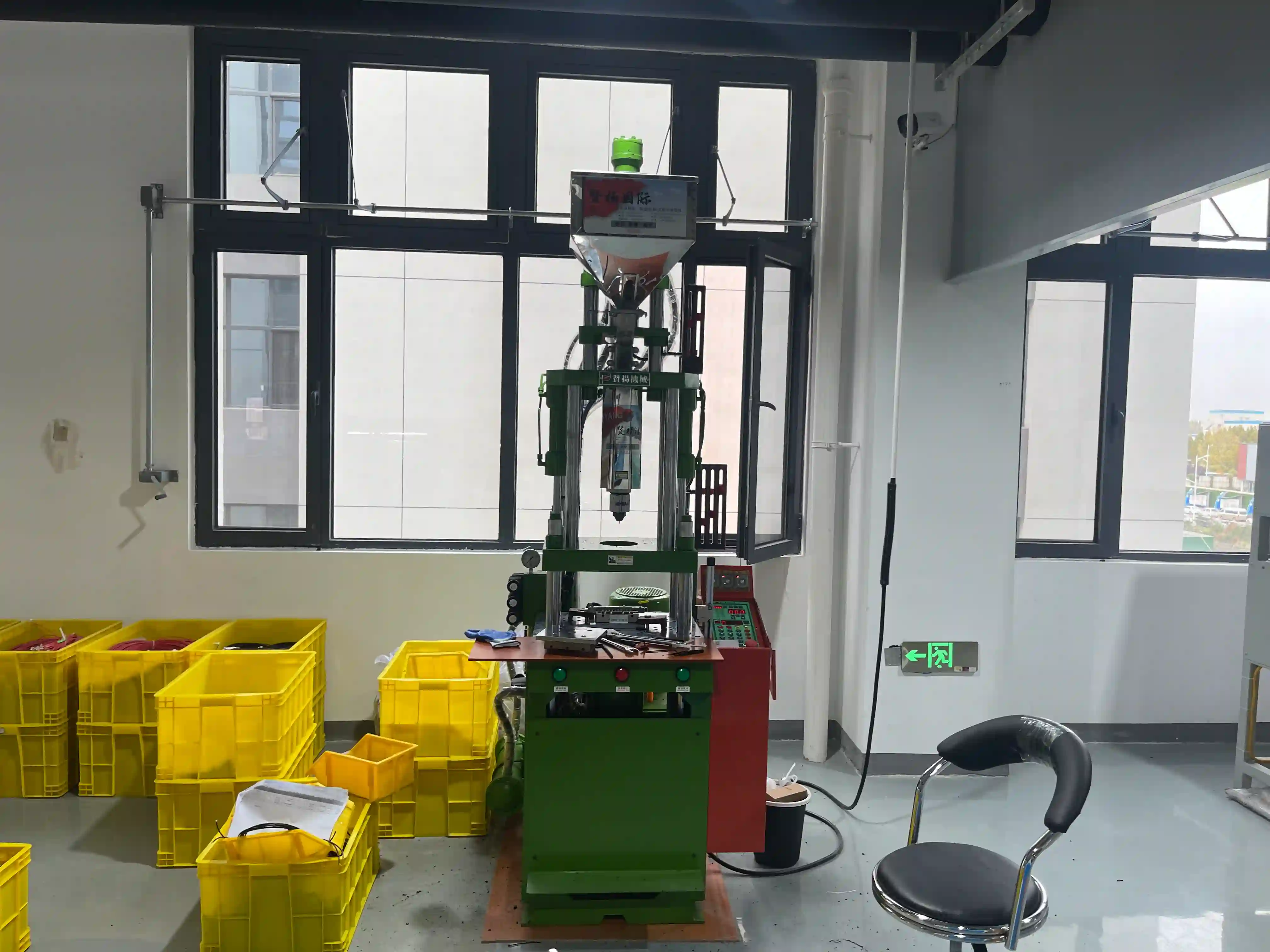
Injection overmolding machine for custom cable assembly manufacturing
Mold Materials6+
Quality RateHigh
Tooling Lead7–14D
Rated SealingIP68

Application Context

Why overmolded cable assemblies outperform conventional terminations

Overmolding uses injection-molded thermoplastic to encapsulate a terminated connection, transforming a standard cable assembly into a sealed, strain-relieved, and branded product that outperforms heat-shrink or boot-and-gland approaches in durability, reliability, and aesthetics. A single overmold operation can replace three to five separate components — boots, shrink tubing, adhesive, and the labor to assemble them — while delivering IP67/IP68 environmental sealing and 360° integrated strain relief right at the cable-to-connector interface.

We stock and process six families of injection-grade thermoplastics — TPU, PVC, TPE, Nylon (PA6/PA66), silicone rubber, and Santoprene (TPV) — and our engineers help select the right material for your environmental, mechanical, and regulatory requirements. Every assembly is manufactured under our ISO 9001 quality system to IPC/WHMA-A-620 workmanship, with in-house submersion testing to validate the IP rating before shipment.

Applications

Industries & applications

Our overmolded cable assemblies serve mission-critical applications across six major industries where connection reliability and environmental protection are non-negotiable.

Medical Devices

Biocompatible, autoclave-resistant overmolded assemblies for patient monitoring, surgical instruments, and diagnostic equipment.

  • Patient monitoring cable assemblies
  • Surgical instrument cables with autoclave-resistant overmolds
  • Diagnostic equipment sensor harnesses
  • Biocompatible silicone overmolded patient leads

Automotive & EV

Under-hood, EV battery, ADAS, and charging-port cable assemblies engineered for heat, vibration, and sealed connections.

  • Engine bay harnesses with under-hood temperature resistance
  • EV battery management system cables
  • ADAS sensor wiring with sealed connections
  • Charging port cable assemblies

Industrial Automation

Flex-life drag-chain, sensor, PLC/I-O, and servo cables built for harsh factory and automation environments.

  • Robot arm drag-chain cables with flex-life overmolds
  • Sensor cables for harsh factory environments
  • PLC and I/O module connection harnesses
  • Servo motor power and encoder cables

Marine & Offshore

UV- and salt-spray-resistant navigation, communication, submersible, and deck-equipment harnesses.

  • Navigation and communication system cables
  • Submersible sensor harnesses
  • Deck equipment power cables with UV protection
  • Salt-spray resistant engine control harnesses

Military & Aerospace

Ruggedized MIL-SPEC avionics, field-communication, and sensor harness assemblies.

  • Avionics interconnect assemblies
  • Field-deployable communication cables
  • Ruggedized sensor harnesses
  • MIL-SPEC overmolded connector assemblies

Consumer Electronics

Branded, strain-relieved USB, audio, gaming-peripheral, and smart-home cable assemblies.

  • USB and charging cables with branded overmolds
  • Audio equipment interconnect cables
  • Gaming peripheral cables with strain relief
  • Smart home device power harnesses

Explore our industry-specific wire harness solutions: Automotive, Medical, Marine, Robotics, Industrial, and all industries.

Engineering Challenges

Review risk before tooling is cut

01

Material Bonding Compatibility

Not every thermoplastic bonds to every cable jacket — TPU bonds well to PVC and PUR jackets, while silicone cables may need primer treatment. Our free DFM review catches incompatibilities before mold tooling is committed.

02

Wall Thickness & Complete Fill

A minimum 1.5 mm wall around cables and connectors ensures full encapsulation and reliable sealing; thinner walls risk voids and short-shots, so fill is validated before molds are machined.

03

Strain Relief Geometry

A tapered 15–30° transition zone between the overmold body and cable jacket distributes bending stress and extends flex life at the exit point.

04

Shrinkage & Draft

Thermoplastics shrink 0.5–2% on cooling and need 1–3° draft angles for clean release, so critical dimensions and mold release are accounted for at the design stage.

Technical Capabilities

Overmolding technical specifications

Servo-controlled injection presses, in-house CNC tooling, and SPC monitoring across a broad material and wire-gauge envelope.

Injection Press Range5-ton to 85-ton clamping force
Maximum Mold Size400mm × 400mm
Material Temperature Range150°C to 280°C (material dependent)
Wall Thickness Range1.0mm to 15mm
Dimensional Tolerance±0.1mm standard, ±0.05mm precision
Wire Gauge Compatibility30 AWG to 8 AWG
Cable OD Range1.5mm to 25mm outer diameter
Multi-Conductor SupportUp to 64 conductors per assembly
Overmold Length15mm to 150mm per termination
Color OptionsRAL/Pantone matched, 500+ standard colors
Surface FinishSmooth, matte, textured, or custom patterns
Marking OptionsLaser, pad print, in-mold embossing
Pull-Force Rating≥35 lbs per IPC/WHMA-A-620 (typical 50+ lbs)
IP Rating CapabilityIP65 / IP67 / IP68 (application dependent)
Flammability RatingUL 94 V-0, V-1, V-2, HB (material dependent)
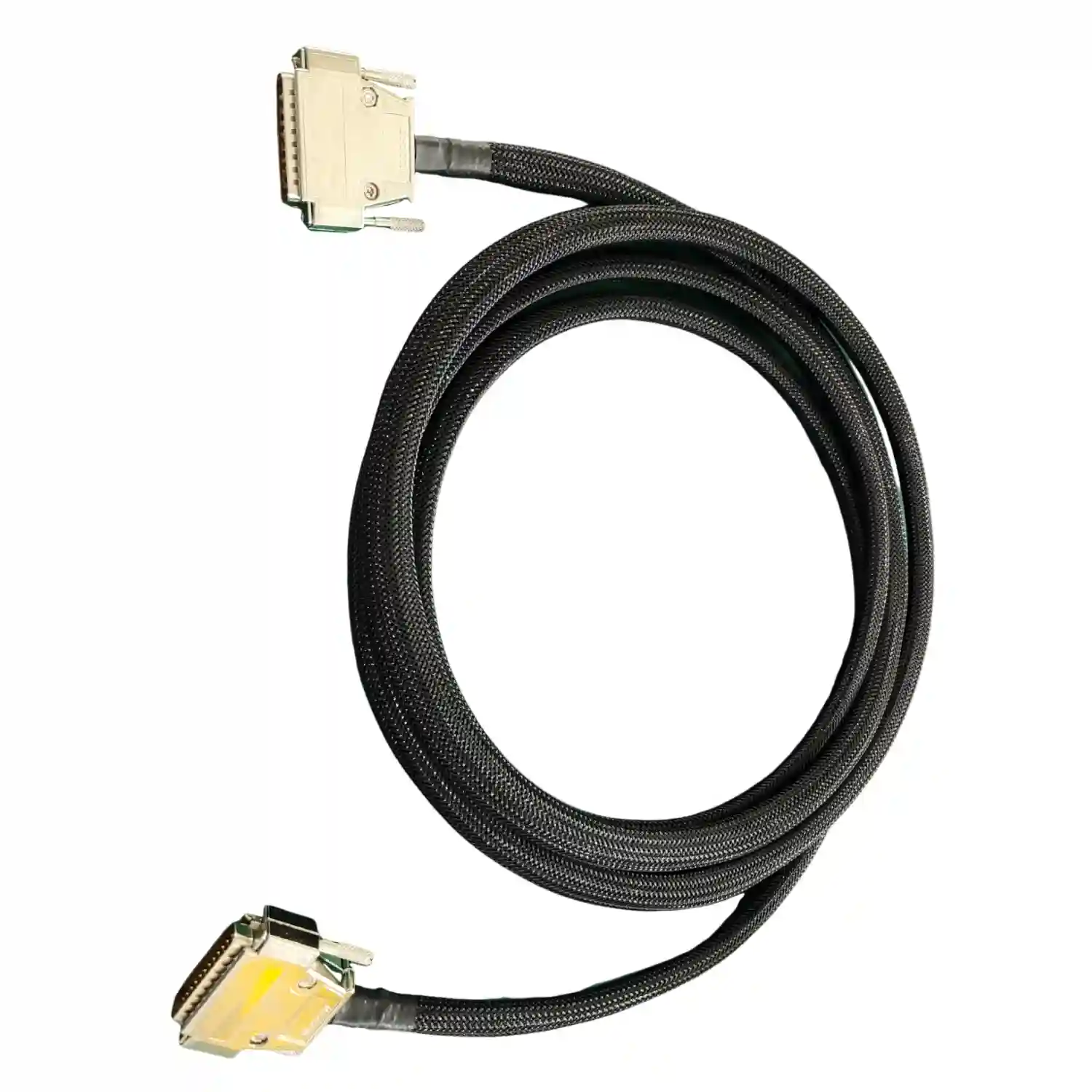
Overmolded industrial control cable assembly

Manufacturing Process

Overmolding process: design to delivery

01Design Review & DFM Analysis
02Custom Mold Tooling
03Cable Assembly Preparation
04Injection Overmolding
05Post-Mold Processing
06Final Testing & Certification

Quality & Testing

Every overmolded assembly is tested before it ships

Every overmolded cable assembly undergoes a rigorous inspection protocol — pull-force, flex-life, submersion (IP), thermal-shock, hi-pot, and chemical-resistance testing — with in-house submersion chambers validating IP67/IP68 ratings and 100% optical inspection on all overmolded terminations before shipment.

Pull-Force TestingFlex-Life TestingSubmersion (IP) TestingThermal-Shock TestingHi-Pot / DielectricChemical ResistanceOptical / Vision InspectionSPC Process MonitoringFirst-Article Inspection

Why WHP

Why choose overmolded cable assemblies

Overmolding transforms commodity cables into sealed, strain-relieved, and branded products that outperform conventional approaches in durability, reliability, and aesthetics.

Complete Environmental Sealing

Achieve IP67/IP68 protection without separate seals or gaskets. The overmold creates a monolithic barrier against moisture, dust, and contaminants.

360° Integrated Strain Relief

Eliminate boot and gland components. The overmold geometry provides engineered strain relief that distributes pull forces evenly around the cable.

Chemical & Abrasion Resistance

TPU and Nylon overmolds resist oils, solvents, fuels, and hydraulic fluids. Abrasion resistance exceeds 100,000 cycles in DIN abrasion testing.

Professional Aesthetics & Branding

Custom color, texture, and logo branding transform commodity cables into branded products, with consistent finish quality across thousands of units.

Lower Total Assembly Cost

Eliminate 3–5 separate components (boots, shrink tubing, adhesive, labor) with a single overmold operation. At 500+ units, overmolding typically lowers total assembly cost by 30–40%.

Extended Product Lifecycle

Overmolded connections last 3–5× longer than heat-shrink terminated assemblies in harsh environments. Reduced field failures mean lower warranty costs.

Quality standards & certifications

Overmolded assemblies are built to IPC/WHMA-A-620 Class III workmanship under our ISO 9001 and IATF 16949 quality systems, with UL-recognized, RoHS 3 and REACH-compliant overmold compounds.

ISO 9001:2015Quality System
IATF 16949Automotive
IPC/WHMA-A-620Class III
UL 94 V-0Materials
RoHS 3 & REACHCompliant
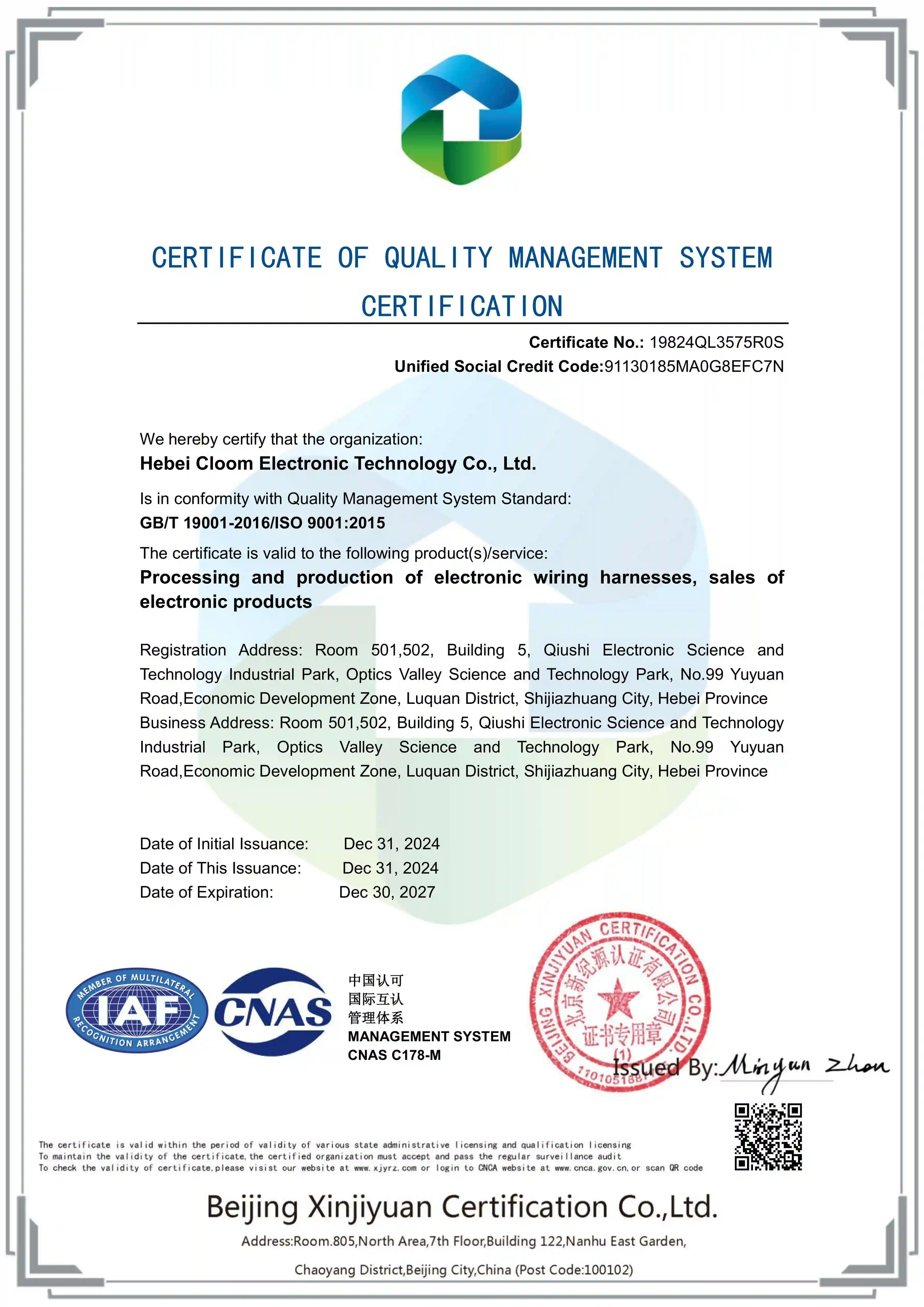
ISO 9001 Certificate
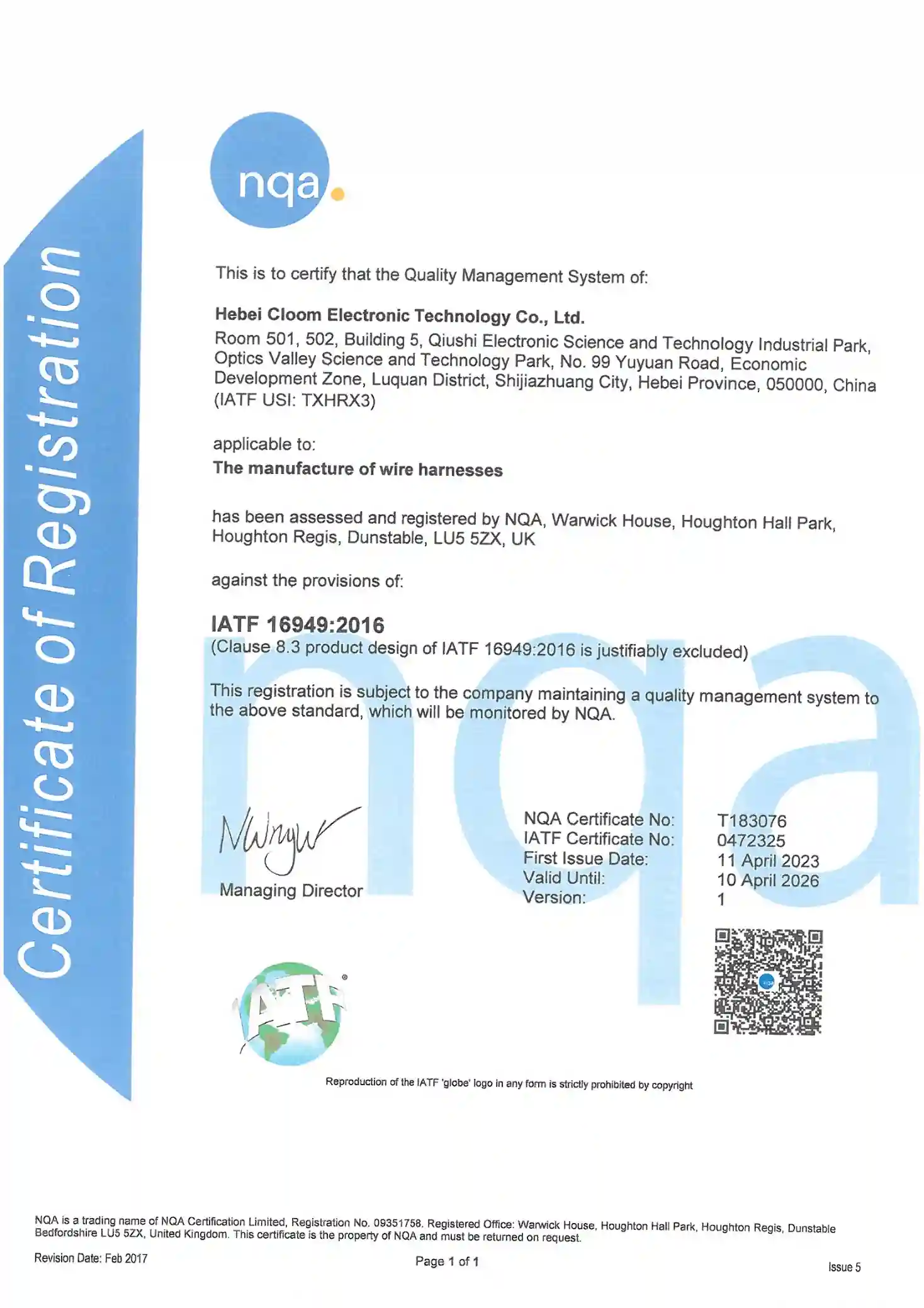
IATF 16949 Certificate

FAQ

Overmolded cable assembly FAQ

What is the difference between overmolding and potting a cable assembly?
Overmolding uses injection-molded thermoplastic to create a precisely shaped, repeatable encapsulation with tight dimensional tolerances. Potting uses liquid compounds (epoxy or polyurethane) poured into a housing and cured. Overmolding produces a cleaner, more professional finish, offers better strain relief geometry, and is far more cost-effective at production volumes above 50 pieces. Potting is better suited for low-volume or very large encapsulations that exceed mold size limits.
How much does custom overmolded cable assembly tooling cost?
Tooling costs depend on mold complexity, number of cavities, and material (aluminum vs. steel). Prototype aluminum molds typically range from $500–$2,000. Production steel molds range from $2,000–$8,000 for single-cavity designs. Multi-cavity production molds for high-volume runs can range $5,000–$15,000. We amortize tooling costs across production quantities to reduce upfront investment for qualifying projects.
What IP rating can overmolded cable assemblies achieve?
Our overmolded cable assemblies routinely achieve IP67 (temporary submersion to 1 meter for 30 minutes) and IP68 (continuous submersion to 3 meters) ratings. The actual IP rating depends on material selection, wall thickness, cable jacket bonding, and connector interface design. We perform in-house submersion testing to validate ratings before shipment.
Can you overmold existing cable assemblies that we supply?
Yes, we offer overmold-only services where you ship us pre-terminated cable assemblies and we perform the overmolding. However, we strongly recommend a DFM review of your assemblies before overmolding to ensure connector geometry, wire routing, and cable jacket material are compatible with the overmold process and material.
What is the minimum order quantity for overmolded cables?
Our minimum order quantity is 25 pieces for prototype runs using aluminum tooling. For production orders using steel molds, we recommend minimum 50 pieces per order to optimize unit cost. We also support blanket purchase orders with scheduled releases for customers who need ongoing supply.
How long does the entire overmolding process take from design to delivery?
Typical timeline: Design review and DFM feedback (2–3 days), mold design and CNC machining (7–14 days for steel, 5–7 days for aluminum), first article samples (3–5 days), production run (varies by quantity). Total prototype-to-production timeline is typically 3–5 weeks. Rush services available for critical deadlines.

OEM Program Entry

Request Your Overmolding Quote

Share your overmolded cable assembly requirements — connector types, cable specifications, IP-rating needs, environmental conditions, and certifications — and receive a detailed quotation with DFM feedback within 24 hours.

We will review

  • 01Design Feasibility
  • 02Component Availability
  • 03Cost Drivers
  • 04Validation Requirements

Related Capabilities

Related services

Cable assembly and harness services that pair with overmolded programs.

Materials

Overmold material options

We stock and process six families of injection-grade thermoplastics — our engineers help you select the right material for your environmental, mechanical, and regulatory requirements.

TPU (Thermoplastic Polyurethane)

DurometerShore A 70–95
Temp Range-40°C to +80°C

Properties: Excellent abrasion resistance, oil resistance, flexibility

Best for: Industrial, automotive, robotics cable assemblies

PVC (Polyvinyl Chloride)

DurometerShore A 60–90
Temp Range-20°C to +70°C

Properties: Cost-effective, flame retardant, chemical resistant

Best for: Consumer electronics, appliances, general purpose

TPE (Thermoplastic Elastomer)

DurometerShore A 40–90
Temp Range-50°C to +135°C

Properties: Soft-touch feel, recyclable, halogen-free available

Best for: Medical devices, consumer electronics, wearables

Nylon (PA6/PA66)

DurometerShore D 70–85
Temp Range-40°C to +120°C

Properties: High strength, superior chemical resistance, rigid

Best for: Automotive under-hood, heavy machinery, military

Silicone Rubber

DurometerShore A 30–70
Temp Range-55°C to +200°C

Properties: Extreme temperature tolerance, biocompatible, flexible

Best for: Medical, aerospace, high-temperature environments

Santoprene (TPV)

DurometerShore A 55–87
Temp Range-60°C to +135°C

Properties: UV resistant, weatherproof, excellent sealing

Best for: Outdoor equipment, marine, agricultural machinery

Capabilities

Overmolding capabilities & services

From single-shot strain relief to multi-material insert molding — nine overmolding presses and a dedicated tooling shop.

Custom Mold Design & Tooling

In-house CNC-machined steel and aluminum molds designed for your exact connector geometry. Custom dies include logo branding and part numbers.

Multi-Shot Overmolding

Two-shot and multi-material overmolding for complex assemblies requiring different durometers or colors in a single part. Rigid-to-soft material bonding.

IP67/IP68 Sealed Overmolds

Hermetically sealed overmolded connections that pass submersion testing. Ideal for outdoor, marine, and wash-down environments.

360° Strain Relief Integration

Engineered strain relief built directly into the overmold geometry, eliminating the need for separate boot or gland components.

Color Matching & Branding

RAL/Pantone color matching for brand consistency. Custom color compounds with UV stabilizers for long-term color retention in outdoor applications.

Optical Inspection & QC

Automated vision inspection for flash, short-shots, and dimensional accuracy. 100% visual inspection on all overmolded terminations before shipment.

Precision Pressure Control

Servo-controlled injection pressure from 5 to 85 tons ensures consistent fill without wire damage. Real-time pressure monitoring with SPC data logging.

Insert Molding

Metal contact pins, PCB boards, and electronic components molded directly into the overmold structure for integrated connector assemblies.

EMI/RFI Shielded Overmolds

Conductive overmold compounds and shielded cable integration providing EMI/RFI protection with 360° shielding continuity through the connector interface.

Manufacturing

Infrastructure & connector compatibility

Manufacturing infrastructure

  • 9 injection overmolding presses (5-ton to 85-ton clamping force)
  • In-house CNC mold shop for rapid tooling
  • Multi-cavity molds for batch production efficiency
  • Servo-controlled injection with SPC monitoring
  • Temperature-controlled material dryers and feeders
  • Cleanroom overmolding cells for medical-grade assemblies

Connector compatibility

We overmold virtually any connector type. Common families include:

  • D-Sub Connectors
  • Circular (M8/M12)
  • USB Type-A/B/C
  • Molex Micro-Fit
  • JST Connectors
  • RJ45/RJ12
  • DIN Connectors
  • Deutsch DT/DTM
  • Amphenol Series
  • Custom Pin Headers
  • HDMI/DisplayPort
  • Automotive ECU

Production Tiers

Overmolding production tiers

From prototype validation to high-volume manufacturing — choose the tier that matches your project phase and volume.

Prototype Overmolded Assemblies

Quantity1–50 pcs
Lead time10–15 business days
  • Aluminum prototype molds (lower tooling cost)
  • Material sampling with 2–3 durometer options
  • First article inspection report included
  • Design optimization recommendations
  • Suitable for functional testing and validation
Request quote →

Low-Volume Production

Quantity50–5,000 pcs
Lead time15–20 business days
  • Production-grade steel molds (10,000+ shot life)
  • SPC-monitored injection parameters
  • Batch traceability with lot coding
  • PPAP documentation available
  • Ideal for specialized or seasonal demand
Request quote →

High-Volume Production

Quantity5,000–500,000+ pcs
Lead time20–30 business days
  • Multi-cavity hardened steel molds (100,000+ shots)
  • Automated insert loading for cycle time reduction
  • Kanban and VMI inventory programs
  • Dedicated production cells
  • Volume pricing with annual contract discounts
Request quote →

Testing

Testing procedures

Every overmolded cable assembly is validated against defined mechanical, electrical, and environmental standards.

Pull-Force Testing

Measures the force required to separate the overmold from the cable jacket

StandardUL 486A-486B, minimum 35 lbs per IPC/WHMA-A-620

Flex-Life Testing

Cyclic bend testing at the overmold transition zone to validate strain relief performance

Standard10,000+ cycles at 90° bend radius, no electrical discontinuity

Submersion Testing (IP Rating)

Complete submersion under controlled pressure to verify seal integrity

StandardIP67: 1m/30min, IP68: 3m/continuous per IEC 60529

Thermal Shock Testing

Rapid temperature cycling between extreme high and low temperatures

Standard-40°C to +85°C, 100 cycles minimum per MIL-STD-202

Hi-Pot (Dielectric) Testing

High-voltage insulation resistance testing of the overmolded interface

Standard1000V AC or 1500V DC for 60 seconds, no breakdown

Chemical Resistance Testing

Exposure to oils, solvents, and cleaning agents per application requirements

StandardASTM D543, material-specific test protocols

Design Guidance

Overmolding design tips

Engineering guidelines to optimize your overmolded cable assembly for manufacturability, performance, and cost.

Specify Adequate Wall Thickness

Minimum 1.5mm wall thickness around cables and connectors ensures complete encapsulation and reliable sealing. Thinner walls risk voids and short-shots.

Design for Strain Relief Geometry

Include a tapered transition zone (15–30° taper angle) between the overmold body and cable jacket. This distributes bending stress and extends flex life.

Consider Material Bonding Compatibility

Not all overmold materials bond to all cable jackets. TPU bonds well to PVC and PUR jackets. Silicone cables may need primer treatment before overmolding.

Allow for Shrinkage

Thermoplastic materials shrink 0.5–2% during cooling. Factor shrinkage into critical dimensions, especially for snap-fit features and panel cutout interfaces.

Include Draft Angles

Add 1–3° draft angles on all perpendicular surfaces to ensure clean mold release. Textured surfaces require additional draft (1° per 0.025mm texture depth).

Plan Connector Orientation

Position connectors with parting line along a non-critical surface. Avoid parting lines across sealing faces or contact areas that affect IP rating or mating.

“The most common mistake I see is specifying overmolding without considering material bonding compatibility. Not every thermoplastic bonds to every cable jacket. That’s why our DFM review is free — catching these issues before tooling saves thousands of dollars and weeks of delay.” — Hommer Zhao, Founder & Technical Director, WellPCB

Transparency

What we don’t do

Transparency builds trust. Here are our current limitations so you can make an informed decision.

No Thermoset Overmolding

We specialize in thermoplastic injection overmolding. Thermoset (epoxy, polyurethane cast) potting is available but quoted separately as a different process.

Maximum Mold Size: 400mm

Our injection presses accommodate molds up to 400mm × 400mm. Larger overmolded components may require partner facilities.

Wire Gauge Limitations

Overmolding works best with 30 AWG to 8 AWG conductors. Extremely fine or heavy-gauge cables may require special fixturing and mold design.

Minimum Order for Custom Tooling

Custom steel mold tooling is a one-time investment. We recommend minimum 50-piece initial orders to justify production mold costs.