Cable Assembly

Engineering Drawing & DFM Review for Wire Harness RFQs

A drawing and design-for-manufacturing review is where a wire harness RFQ is de-risked before tooling. We red-line the drawing and BOM, flag connector, terminal, gauge, and spec gaps, propose approved alternates and cost-downs, and return a quote-ready manufacturability review — so a program is priced on real inputs, not on assumptions that fail at first article.

Engineering drawing and DFM review for wire harness
Drawing & BOM markupRed-line
Manufacturability reviewRFQ-stage
Acceptance contextIPC-A-620
Alternates & consolidationCost-down

Application Context

Real projects we have de-risked (anonymized)

Real customer engagements, anonymized to industry and region — no client names are published. The numbers are from the actual programs.

Earthmoving-equipment OEM · Australia — spec lock enables an accurate quote. A 200-piece harness RFQ was missing critical specs: relay models, Deutsch connector variants, and Hammond enclosure details. Rather than guess and risk a wrong quote or a production error, we returned a short spec-lock list; once those fields were fixed, an accurate 200-piece quote followed on the first pass. Read the full case study →

Logistics-technology OEM · Germany — incomplete BOM clarified. An initial BOM carried unclear material specifications that stalled quoting, alongside a components-only partial-fulfillment requirement. A structured BOM review resolved the ambiguity and let the order move with a flexible, clearly scoped build. Read the full case study →

Both show the same discipline: the drawing and BOM are made unambiguous before a number is committed — which is exactly what protects the quote and the first-article build. See more wire harness case studies.

What we review

What a DFM Review Covers

For RFQ-stage buyers who want the drawing and BOM de-risked before a quote is treated as final.

BOM & part-number review

Every connector, terminal, seal, wire, label, and protection part is checked for a real manufacturer part number, availability, and MOQ. Generic descriptions and missing part numbers are flagged, and approved alternates are proposed where the spec allows.

  • Connector / terminal / seal verification
  • Allocation and long-lead flags
  • Approved-alternate proposals

Wire list & gauge check

Circuit-by-circuit review of AWG, color, twist, and shield callouts against current, distance, and temperature. Gauge consolidation opportunities are identified, and any missing electrical data needed to size a wire is called out.

  • AWG / ampacity / voltage-drop sanity check
  • Shield and twisted-pair callouts
  • Gauge-consolidation cost-downs

Test & acceptance-class review

We confirm the acceptance class (IPC/WHMA-A-620 Class 1/2/3) and the test scope, because a Class 3 harness and a Class 2 harness with the same BOM are not the same quote. Ambiguous or missing acceptance criteria are flagged before pricing.

  • IPC/WHMA-A-620 class confirmation
  • Continuity / hipot / pull-force scope
  • First-article and record requirements

Tooling, fixture & routing review

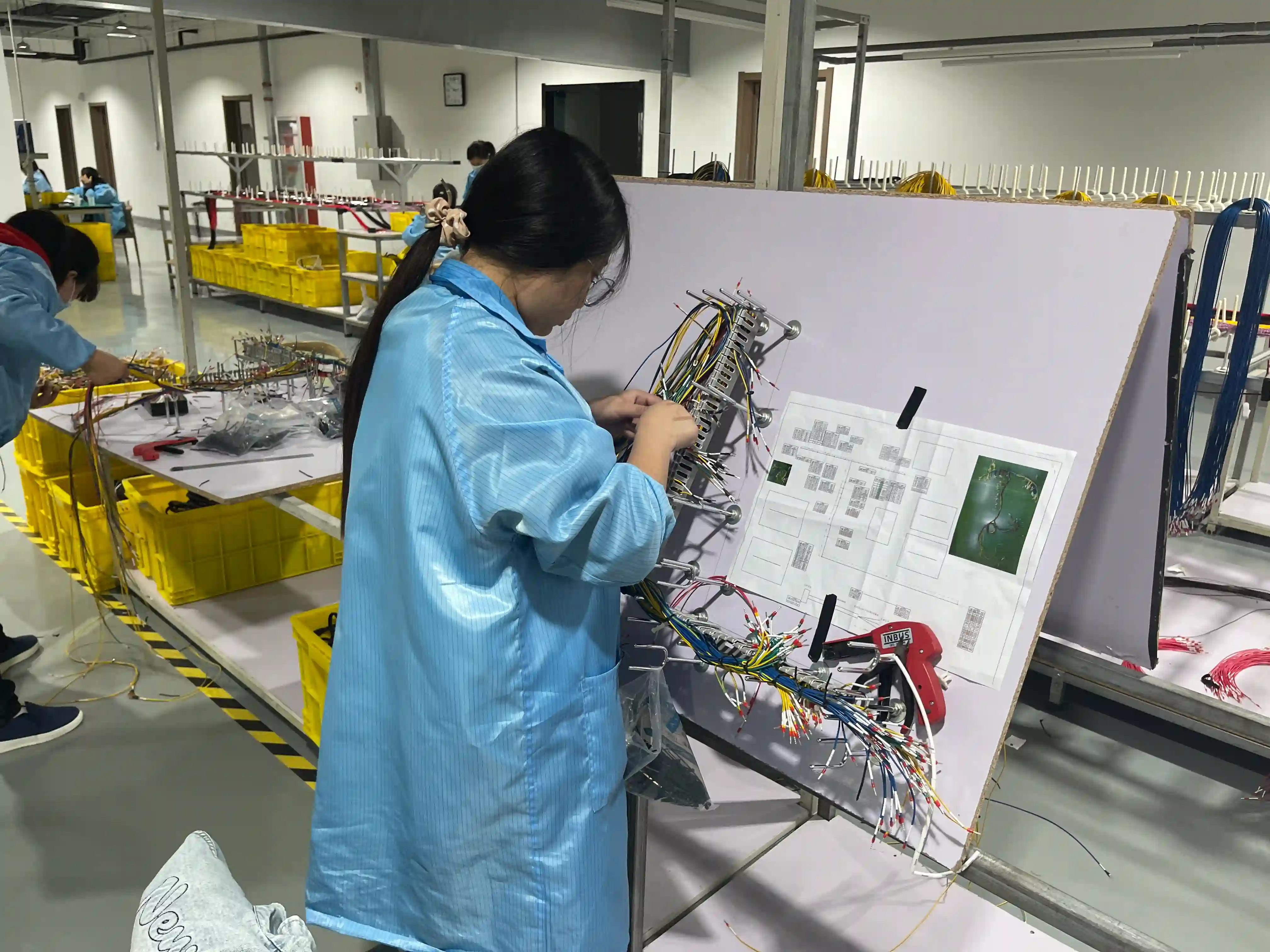
Branch lengths, routing, fixture-board needs, crimp tooling, and overmold or backshell requirements are checked so tooling cost is separated from unit price and nothing surprises the shop floor at build time.

  • Fixture-board and crimp-tooling needs
  • Branch-length and routing review
  • Overmold / backshell manufacturability

Engineering Challenges

What a review catches before it costs you

01

Missing / Ambiguous Specs

Unspecified relay models, connector variants, or enclosure details prevent an accurate quote and risk a production error. We return a spec-lock list so the drawing is unambiguous before a number is committed.

02

Generic BOM Entries

A "4-pin waterproof connector" with no part number forces a guess or a clarification loop. We convert generic entries into verified part numbers with availability and MOQ before pricing.

03

Hidden Cost Drivers

Gauge over-specification, avoidable splices, and single-source connectors quietly raise cost. A review surfaces gauge consolidation, splice elimination, and approved alternates while they are still cheap to change.

04

Undefined Test Scope

Without a stated acceptance class, a quote is either padded to assume Class 3 or blocked on a question. We confirm the class and test scope so the quote reflects the real requirement.

Technical Capabilities

What the Review Returns

DeliverableRed-lined drawing/BOM questions + manufacturability notes with the quote
BOM reviewPart-number verification, availability, MOQ, approved alternates
Wire listAWG / color / shield / twist check + gauge-consolidation options
Test scopeIPC/WHMA-A-620 class confirmation + continuity/hipot/pull-force plan
ToolingFixture, crimp-tooling, and overmold needs separated from unit price
Cost-downsGauge consolidation, splice elimination, terminal/connector alternates
ScopeBuild-to-print / customer-controlled drawing review (not CAD/design creation)
Standards contextIPC/WHMA-A-620, UL-758, ISO 9001:2015 quality records
Engineering drawing and DFM review deliverables

Manufacturing Process

From drawing to quote-ready

01Drawing / BOM Intake
02Part-Number Verification
03Wire List & Gauge Check
04Test / Class Confirmation
05Tooling & Routing Review
06Alternate & Cost-Down Notes
07Red-line Questions Returned
08Quote-Ready Package

Quality & Testing

Why the review protects quality

The cheapest place to fix a harness problem is on the drawing, not on the floor. A DFM review moves connector, gauge, test-class, and tooling questions to the front of the program — documented so engineering, purchasing, and supplier quality work from the same unambiguous inputs before the first build.

Drawing Red-lineBOM VerificationGauge / Ampacity CheckTest-Class ConfirmationAlternate ApprovalTooling ScopeFirst-Article PlanRevision RecordQuote-Ready Sign-off

Why WHP

Why Run Your DFM Review with WellPCB?

A drawing review is only useful if it comes from people who build the harness — not from a form that just reprices your BOM.

We review as manufacturers, not as a quoting desk

The red-line comes from the same team that crimps, tests, and ships the harness, so the questions are about how the part actually builds — connector fit, crimp tooling, test coverage — not just line-item repricing.

The blocker is surfaced before the number is committed

Missing specs, generic BOM entries, and allocated connectors are flagged up front with approved alternates, so a quote is priced on confirmed inputs instead of assumptions that fail at first article.

Cost-downs are part of the review, not an upsell

Gauge consolidation, splice elimination, and terminal-family alternates are returned with the review because a cheaper, more manufacturable harness is a better program for both sides.

We review build-to-print, we do not own your design

We review customer-controlled drawings, BOMs, materials, and test plans for manufacturability. We do not provide CAD or schematic-creation services — the design stays yours; the manufacturability risk becomes visible.

Standards and supplier-qualification references

A manufacturability review still needs shared quality language, so buyers can align RFQ wording with IPC/WHMA-A-620 workmanship, UL-758 wire context, and documented ISO 9001-style controls before supplier comparison.

IPC/WHMA-A-620Workmanship
UL-758Wire Review
ISO 9001:2015Quality Records
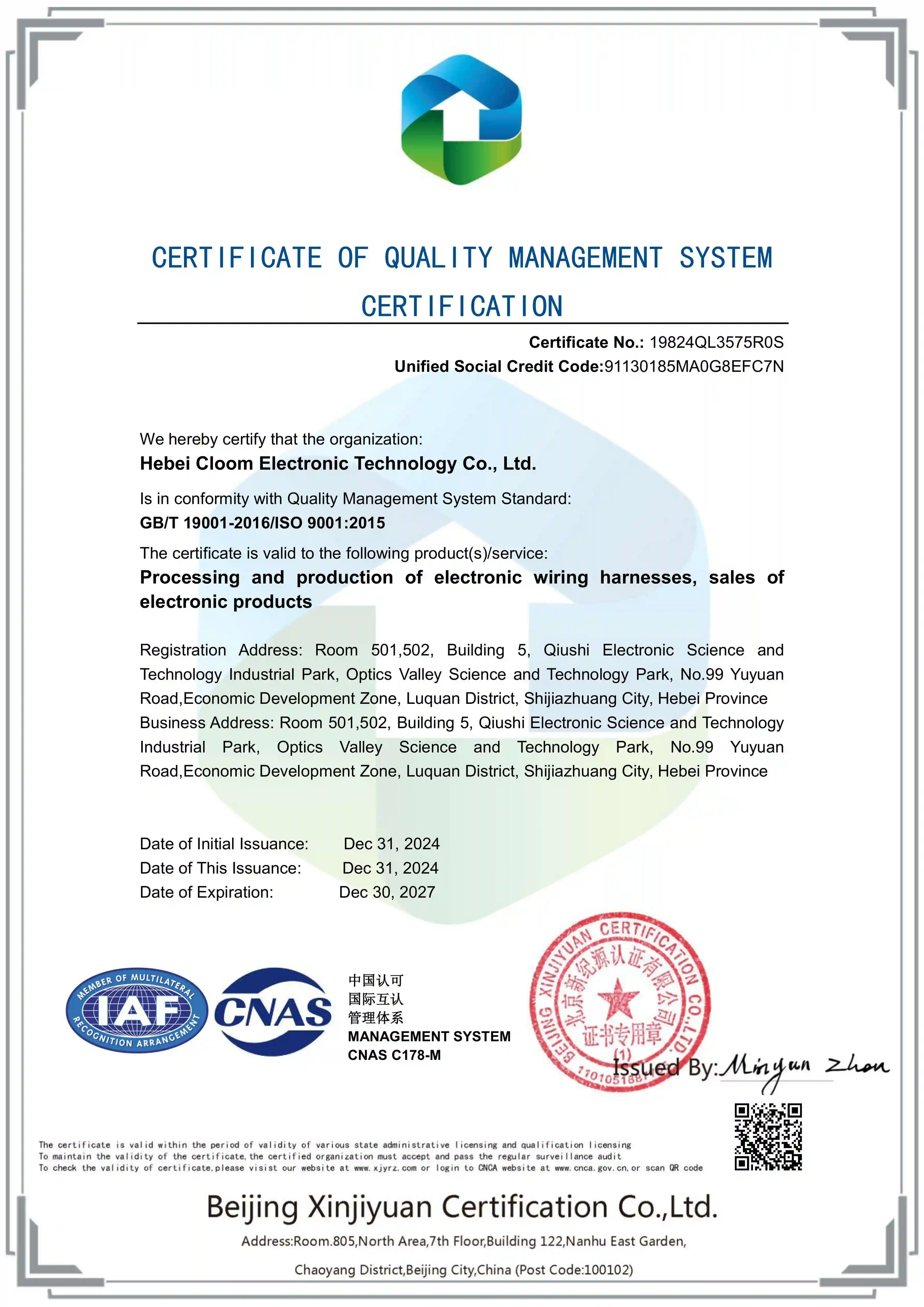
ISO 9001 Certificate
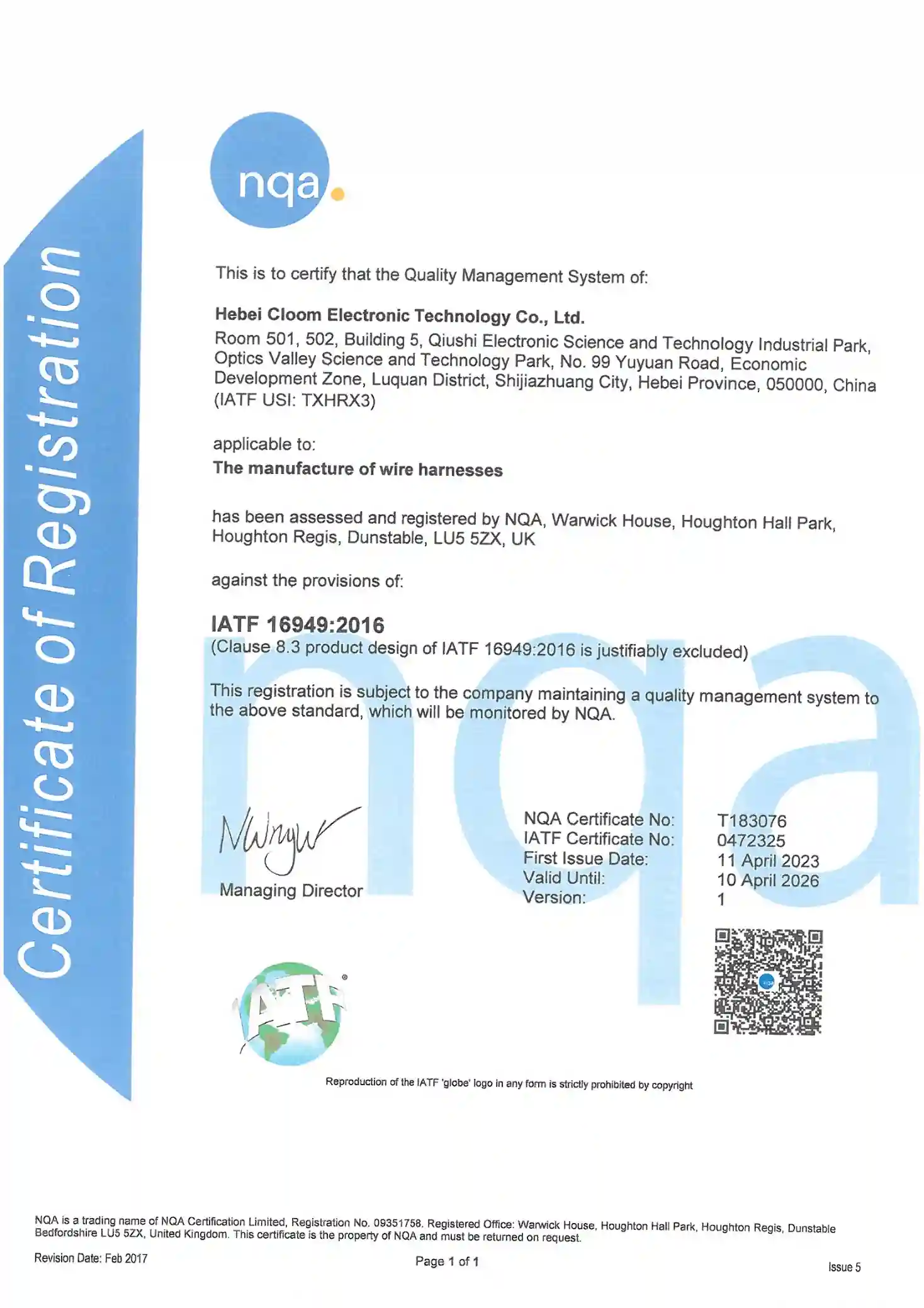
IATF 16949 build-to standard

FAQ

Buyer Questions Before RFQ

What is a wire harness DFM review?
A design-for-manufacturing (DFM) review is a manufacturability check of your harness drawing and BOM before quoting or tooling. We read the drawing, wire list, and connector/terminal callouts against how the harness will actually be built and tested, then return a red-lined list of gaps, risks, and cost-down options. The goal is to catch missing part numbers, ambiguous specs, and manufacturability issues while they are still cheap to fix — not after a wrong quote or a first-article failure.
Do you charge for the drawing / DFM review?
The manufacturability review that accompanies an RFQ is part of quoting — we return red-line questions and manufacturability notes with the quote. We do not provide customer-owned design, CAD, or schematic-creation services; we review build-to-print and customer-controlled drawings, BOMs, specified materials, and test plans for manufacturability. If a program needs deeper engineering support beyond RFQ-stage review, we scope that separately.
What do you actually check in the review?
Connector, terminal, and seal part numbers and availability; wire gauge, color, and shield/twist callouts; branch lengths and routing; label and marking rules; test and acceptance class (IPC/WHMA-A-620 Class 1/2/3); tooling and fixture needs; and known long-lead or allocated components. We flag anything that is ambiguous, missing, or likely to raise cost, and we propose approved alternates where the spec allows.
Can a DFM review actually lower my cost?
Frequently. Common cost-down findings include gauge consolidation, terminal-family alternates, splice elimination, and connector substitutions that avoid an allocated part. A review that catches these before production is far cheaper than discovering them after tooling. It also protects the schedule: the most expensive DFM finding is the one that surfaces as a first-article failure instead of a red-line note.
What should I send for a DFM review?
A controlled drawing (or marked-up sample photos), the BOM with manufacturer part numbers, the wire list, the target acceptance class, and the batch quantity and timing. The more complete the package, the more actionable the review. If any of those are still open, send what you have and we will flag the gaps as part of the review.

OEM Program Entry

Send Your Drawing for a Manufacturability Review

Send the drawing, BOM, wire list, acceptance class, and quantity. We will return red-line questions, part-number verification, approved alternates, cost-down options, and a quote-ready manufacturability review.

We will review

  • 01Manufacturability Review
  • 02Component Availability
  • 03Cost Drivers
  • 04Validation Requirements

Related Capabilities

Related cable solutions

Services that pair with an RFQ-stage drawing and DFM review.

TL;DR

DFM review at a glance

A DFM review red-lines your drawing and BOM before a quote is treated as final.

It verifies connector/terminal part numbers, wire gauge, test class, and tooling needs.

Cost-downs — gauge consolidation, splice elimination, approved alternates — come with the review.

We review build-to-print / customer-controlled drawings; we do not create your CAD or schematic.

Applications

Where a DFM Review Fits

Best for OEM teams that want the drawing and BOM de-risked before a quote — or a tooling spend — is committed.

New-program RFQs

First-time harness quotes where a manufacturability review prevents a wrong price and a first-article surprise.

China+1 / transfer programs

Harnesses moving to a new supplier, where the drawing and BOM must be re-verified against the new build line.

Stalled quotes

RFQs blocked on ambiguity — missing part numbers, undefined class, generic connectors — that a spec-lock resolves.

Robotics & automation harnesses

High-mix programs with frequent revisions where a review keeps connector and gauge questions ahead of the build.

Cost-down initiatives

Existing harnesses being re-quoted, where gauge consolidation and terminal alternates lower landed cost.

Pre-tooling sign-off

Programs about to commit tooling, where a final manufacturability check protects the tooling investment.

RFQ Package

Send this for a DFM review

Red-lined drawing & BOM with the quotePart-number verification + approved alternatesIPC-A-620 class + test-scope confirmation

Send This With Your RFQ

  • Controlled drawing, wire list, schematic, or marked-up sample photos
  • BOM with manufacturer part numbers, and which parts are firm vs negotiable
  • Target acceptance class (IPC/WHMA-A-620 Class 1/2/3) and test requirements
  • Batch quantity, annual forecast, and target timing
  • Known non-stock items, allocated connectors, and acceptable alternates

What You Get Back

  • Red-line questions and manufacturability notes on the drawing/BOM
  • Part-number verification, availability, and MOQ exposure
  • Approved-alternate and cost-down proposals (gauge, splice, terminal, connector)
  • A quote-ready package priced on confirmed inputs, not assumptions

Standards

Standards and Supplier Qualification References

A manufacturability review still needs shared quality language. Public references help buyers align RFQ wording with IPC/WHMA-A-620 workmanship expectations, UL wire context, and documented ISO 9001-style controls before supplier comparison.

Reviewed by

Hommer Zhao

Founder & General Manager, WellPCB

  • 15+ years in custom wire harness and cable assembly manufacturing
  • Leads RFQ, DFM, and drawing-review for OEM programs
  • Works with ISO 9001:2015 and IATF 16949:2016 certified manufacturing teams