Low-Volume Wire Harness Manufacturingfor Pilot and Robotics Batches
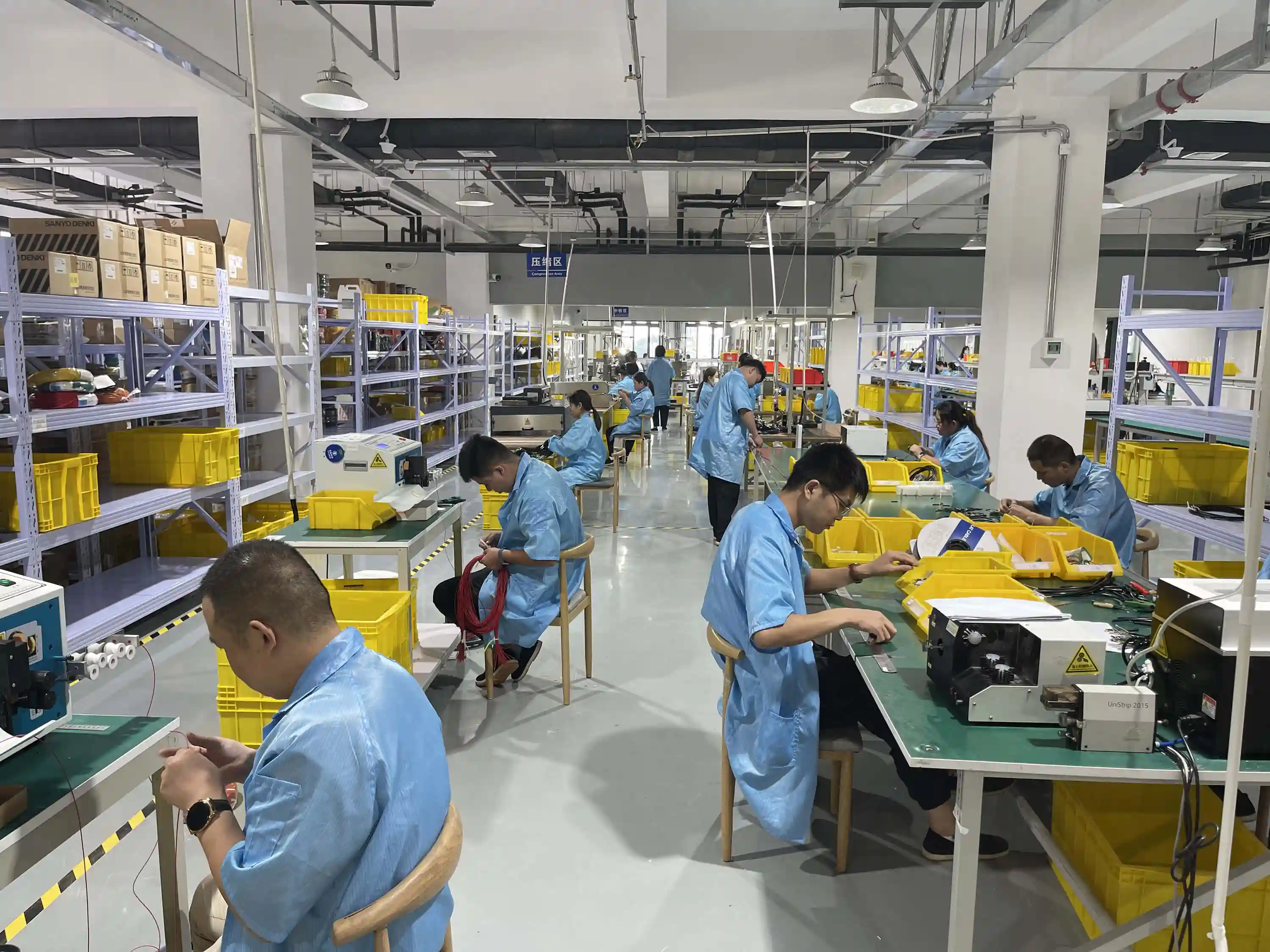
Low-volume wire harness manufacturing is a controlled build service for buyers who need released harnesses in small quantities without losing drawing discipline, material traceability, or test evidence. We review the BOM, connector availability, wire colors, labels, fixture needs, and inspection plan before quoting so engineering samples can move into pilot builds without a supplier reset.
TL;DR
- Use this service for 1 to 40 piece pilot, robotics, service, and engineering-release harness batches.
- RFQ review checks BOM gaps, wire colors, connector MOQ, labels, fixtures, and test records.
- Small batches still receive continuity, polarity, visual, label, and traceability controls.
- Custom wire or connector buys are separated so purchasing can approve MOQ exposure before release.
Low-Volume Harness Manufacturing Capabilities
For RFQ-stage buyers comparing suppliers on engineering support, small-batch discipline, and repeatability.
HMLV production planning
High-mix low-volume manufacturing is a production model that handles many part numbers in smaller release quantities. We quote low-volume harnesses with drawing revision control, route review, connector sourcing checks, and batch-specific inspection records instead of treating the order as a loose prototype.
BOM and material-risk review
A low-volume wire harness is a routed assembly of conductors, terminals, connectors, labels, and protection materials made in a small release quantity for validation or limited production. We check non-stock wire colors, connector MOQ, terminal availability, approved alternates, and long-lead items before price and timing are treated as final.
Pilot batch workmanship controls
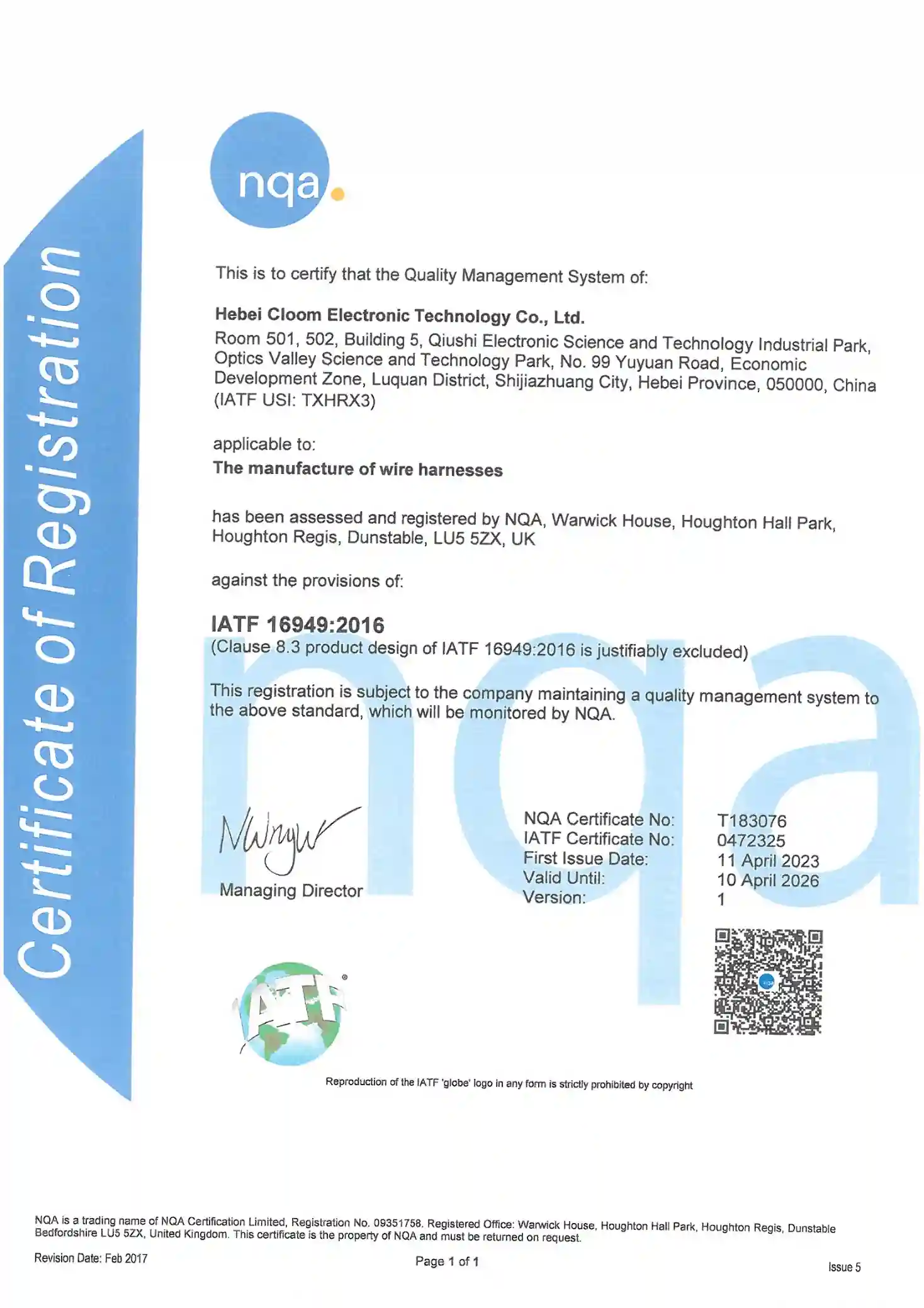
Pilot production is the controlled build stage between prototype approval and recurring production. Our release plan can include IPC/WHMA-A-620 visual inspection context, UL-758 wire review, first-article records, crimp-height checks, pull-force sampling, and 100% continuity and polarity testing.
Robotics and automation small batches
Robotics harness batches often combine short lead times, frequent revision changes, and uncommon wire colors or connector families. We separate engineering change questions from production questions so the shop floor builds the current release and purchasing can approve any full-reel or MOQ exposure.
An anonymized example from our case bank that shows how low-volume harness work is handled when timing is compressed.
Industry
robotics
Region
US
Year
2026
Scenario
A US robotics company scaling from prototype to small-batch production needed aggressive turnaround times across multiple concurrent wire harness programs.
Challenge
The customer repeatedly requested faster turnaround and expedited quotes, with project timelines heavily compressed and frequent checks on production status.
Solution
We used proactive status updates and prioritized scheduling for the customer's high-mix, low-volume orders while keeping release questions visible before production.
Result
The customer received multiple concurrent small-batch orders with expedited lead times, supporting rapid prototyping and product launch phases.
Concrete Numbers
Anonymized from a real project. Specific buyer identifiers withheld; numbers quoted verbatim from project records.
Where Low-Volume Wire Harness Builds Fit
Best for OEM teams that need real manufacturing controls before the program is ready for full-volume release.
Robotics pilot builds
Harnesses for robot joints, sensor modules, grippers, AMRs, AGVs, and controller cabinets where design changes continue during launch.
Engineering validation batches
Small harness lots used for fit checks, firmware validation, thermal checks, service tests, and field trial equipment.
Service and spare-part kits
Replacement harnesses, retrofit leads, and maintenance kits that need labels, bagging, revision control, and test records.
Special wire and color requirements
Low-volume builds where a non-stock wire color, jacket, or marking rule must be sourced without hiding full-reel or MOQ exposure.
Limited production equipment
Industrial machines, test fixtures, lab equipment, and specialty vehicles produced in smaller annual quantities.
Bridge builds before volume transfer
Controlled batches that keep customer builds moving while tooling, final BOM approval, or volume supplier qualification is still open.
Capability Table for Low-Volume Buyers

Why Source Low-Volume Harnesses from WellPCB?
Small batches need manufacturing discipline because a 20-piece error can block the same launch as a 2,000-piece error.
We separate prototype work from pilot release
Prototype builds answer whether the design works. Low-volume manufacturing answers whether the released build can repeat. We keep drawing revision, BOM risk, inspection scope, and label rules visible before the first batch starts.
Material MOQ is not hidden in the unit price
A non-stock wire color or connector can create more purchasing risk than the assembly labor. In one robotics case, the approved solution included a "full reel purchase for non-stock wire" so the exact specification could be met without silent substitution.
Expedite decisions use real constraints
Short lead time depends on connector stock, wire availability, fixture needs, crimp tooling, label data, and test scope. We flag the constraint instead of promising a date that depends on parts nobody has confirmed.
Production evidence scales with risk
A simple service harness may need continuity, polarity, visual inspection, and packing photos. A robotics pilot harness may need IPC-A-620 visual criteria, crimp evidence, revision records, and sample-level functional checks.
Standards and Supplier Qualification References
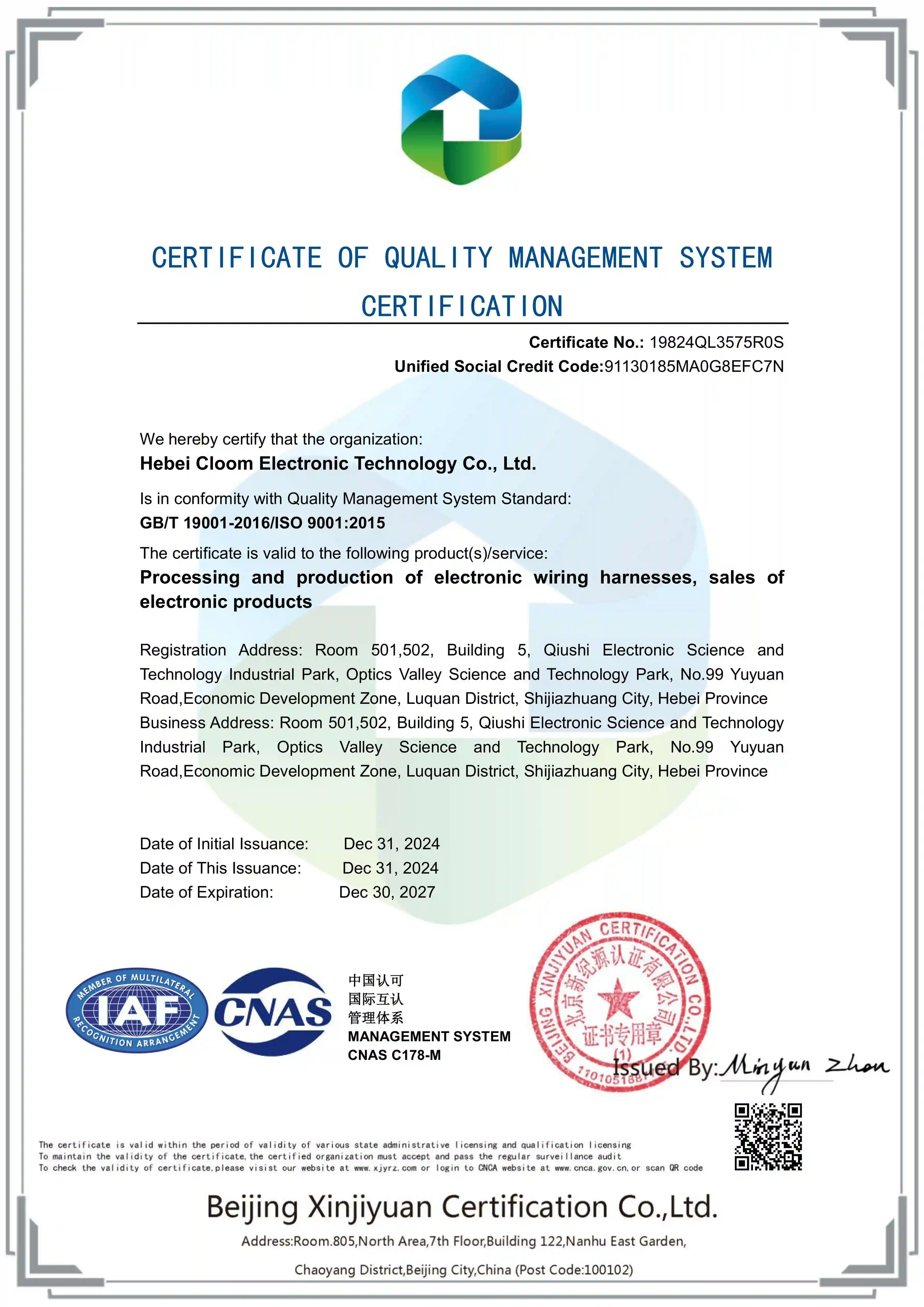
Low-volume harness work still needs shared quality language. Public references help buyers align RFQ wording with IPC/WHMA-A-620 workmanship expectations, UL wire context, and documented ISO 9001-style controls before supplier comparison.
IPC Workmanship
Background for the association behind cable and wire harness workmanship standards used in supplier-quality discussions.
UL Safety Context
Reference context for buyers reviewing wire, insulation, and component safety language in a harness RFQ.
ISO Quality Systems
Reference context for documented quality-management systems and repeatable release records.
Technical Review
Hommer Zhao
Wire harness and cable assembly manufacturing specialist
Need a Small Harness Batch Built Correctly?
Send the drawing, BOM, batch quantity, deadline, and test requirements. We will return material-risk questions, MOQ exposure, lead-time options, and a release plan.
Send This With Your RFQ
Drawing, BOM, wire list, schematic, or marked sample photos
Target batch quantity, launch deadline, forecast, and expected repeat pattern
Connector part numbers, terminal specs, wire colors, labels, sleeve, tube, and route constraints
Known non-stock items, approved alternates, MOQ limits, and whether full-reel buys are acceptable
Test report, first-article, packing, bagging, and revision-control requirements
What You Get Back
Missing-input and manufacturability questions before quote lock
Unit price, MOQ exposure, sample timing, and expedite feasibility
Material-risk notes for connectors, terminals, wire, labels, and protection parts
Recommended inspection plan and documentation package for the batch
Buyer Questions Before RFQ
Commercial and engineering answers for teams buying small harness lots without giving up release control.
What quantity qualifies as low-volume wire harness manufacturing?
Low-volume wire harness manufacturing usually covers released batches below normal production MOQ, including 1 to 40 piece batch sizes, pilot lots, service kits, and bridge builds. We still treat the order as manufacturing work: drawing revision, BOM status, connector availability, label rules, and 100% continuity and polarity testing are reviewed before release. If the same design will repeat, we also separate prototype assumptions from repeat-build controls so the next PO does not restart the engineering discussion.
Can you build small batches with custom wire colors?
Yes, if the sourcing risk is approved before release. One US robotics OEM needed prototype and small-batch harnesses with exact wire colors, but the specified color was not standard stock. The approved path used a "full reel purchase for non-stock wire" while keeping the customer's "1 to 40 piece batch sizes" intact. We quote that exposure separately because full-reel wire cost can dominate a small batch even when assembly labor is modest.
How fast can a low-volume harness batch ship?
Expedited timing depends on connector stock, wire availability, fixture needs, crimp tooling, label data, and test scope. The robotics case bank includes "expedited turnaround requests" across "multiple concurrent orders", but we do not treat every small batch as automatically fast. A clean drawing, approved BOM, available connectors, and clear test plan can move quickly; a missing terminal, non-stock wire, or open grounding rule must be resolved before a reliable ship date is issued.
What inspection records should I request for a pilot batch?
A practical pilot-batch package includes 100% continuity, shorts, polarity, visual inspection, label verification, packing confirmation, and revision record. For higher-risk harnesses, add IPC/WHMA-A-620 visual criteria, crimp-height checks, pull-force sampling, insulation resistance, and first-article records. UL-758 wire review is useful when wire style, insulation rating, or temperature class affects qualification. The goal is evidence that engineering, purchasing, and supplier quality can reuse when the batch repeats.
Is low-volume production different from rapid prototyping?
Yes. Rapid prototyping proves a design direction, often with 1 to 10 units and fast iteration. Low-volume production builds released harnesses in small quantities for pilot equipment, field trials, service kits, or limited production. The difference is control: low-volume manufacturing needs fixed revision data, approved materials, label and packing rules, and inspection evidence. If the design is still changing daily, start with our prototype workflow; if the design is released but quantity is modest, use low-volume manufacturing.