UAV Wire Harness Assembly

Drone Cable HarnessBuilt for UAV Programs

Lightweight drone cable harness manufacturing for flight controllers, battery leads, ESC branches, payload sensors, camera links, telemetry, and GNSS wiring.

7-10 days
Prototype target
32-8 AWG
Typical range
100%
Electrical test
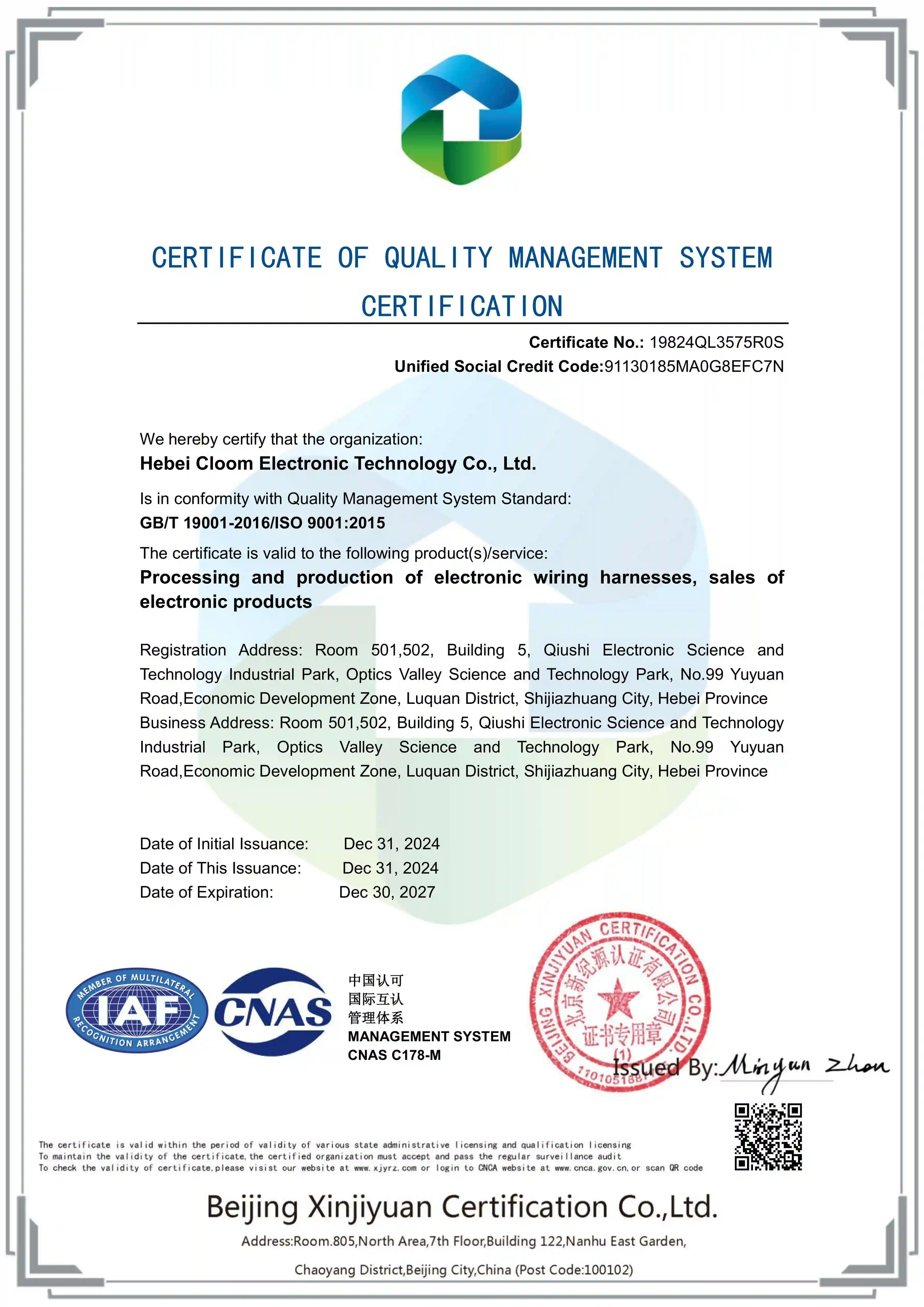
ISO 9001
Quality system

Send Drone Harness RFQ

Upload drawings, connector lists, routing photos, or a sample harness note.

TL;DR

  • A drone cable harness is a lightweight wiring set for UAV power, signal, payload, and control circuits.
  • We build prototypes, pilot lots, and repeat production with 100% continuity and polarity testing.
  • Shielding, branch routing, strain relief, and connector security are reviewed before sample release.
  • Connector sourcing is checked early because one constrained part can hold the whole UAV schedule.

Drone Harness Capabilities

A UAV wire harness is not just a small cable set. It has to survive propeller vibration, tight airframe routing, repeated service, payload swaps, and signal noise from motors and power electronics.

Lightweight branch design

UL-style, PTFE, ETFE, FEP, silicone, and fine-strand conductors selected for weight, bend radius, and temperature exposure.

Signal and RF separation

Shielded payload, GNSS, telemetry, camera, CAN, UART, and coaxial runs routed away from motor power noise where the drawing allows it.

Power harness builds

Battery, ESC, power distribution, gimbal, lighting, and payload power leads with controlled crimps, strain relief, and polarity checks.

Production release evidence

First article checks, crimp pull data, 100% continuity test, label verification, and inspection records aligned with IPC-A-620 workmanship expectations.

Real Project Snapshot

For a German industrial electrical systems integrator, the originally specified STOCKO connectors and required PTC components created a schedule risk. The project involved 100kpcs/year per product (200kpcs total annual volume), PTC model: EPCOS B59100A1080-A40, PTC lead time: 12-14 weeks, and Connectors evaluated: STOCKO vs. Lumberg. We proposed Lumberg as an evaluation alternate with transparent cost and MOQ notes, keeping the annual program viable while the buyer reviewed the substitution.

RFQ Specs We Review Before Sampling

A flight controller harness is a wiring assembly that must hold connector orientation, branch length, and polarity exactly as approved. A payload cable assembly is a removable or semi-fixed cable set for cameras, sensors, gimbals, radios, or mission equipment. A shielded drone cable is a cable assembly that uses braid, foil, drain wire, or controlled grounding to reduce EMI risk.

Typical applications
Multirotor UAV, fixed-wing drone, VTOL platform, inspection payload, mapping camera, telemetry module
Wire range
32 AWG micro leads through 8 AWG power leads, drawing dependent
Common signals
Battery power, ESC, PWM, CAN, UART, GNSS, camera trigger, Ethernet, coaxial RF, payload sensor leads
Connector families
JST, Molex, Hirose, Amphenol, TE, Samtec, M8/M12, SMA, MMCX, custom aviation-style circular connectors
Protection options
Braided sleeve, heat shrink boots, adhesive heat shrink, overmolded strain relief, lightweight wrap, labels
Testing
100% continuity, polarity, shorts, hipot when specified, pull-force samples, mating-fit checks, visual inspection
Prototype timing
7-10 business days after frozen drawing, connector availability, and approved BOM
Production release
Pilot lots, revision control, packed harness sets, lot traceability, and scheduled releases
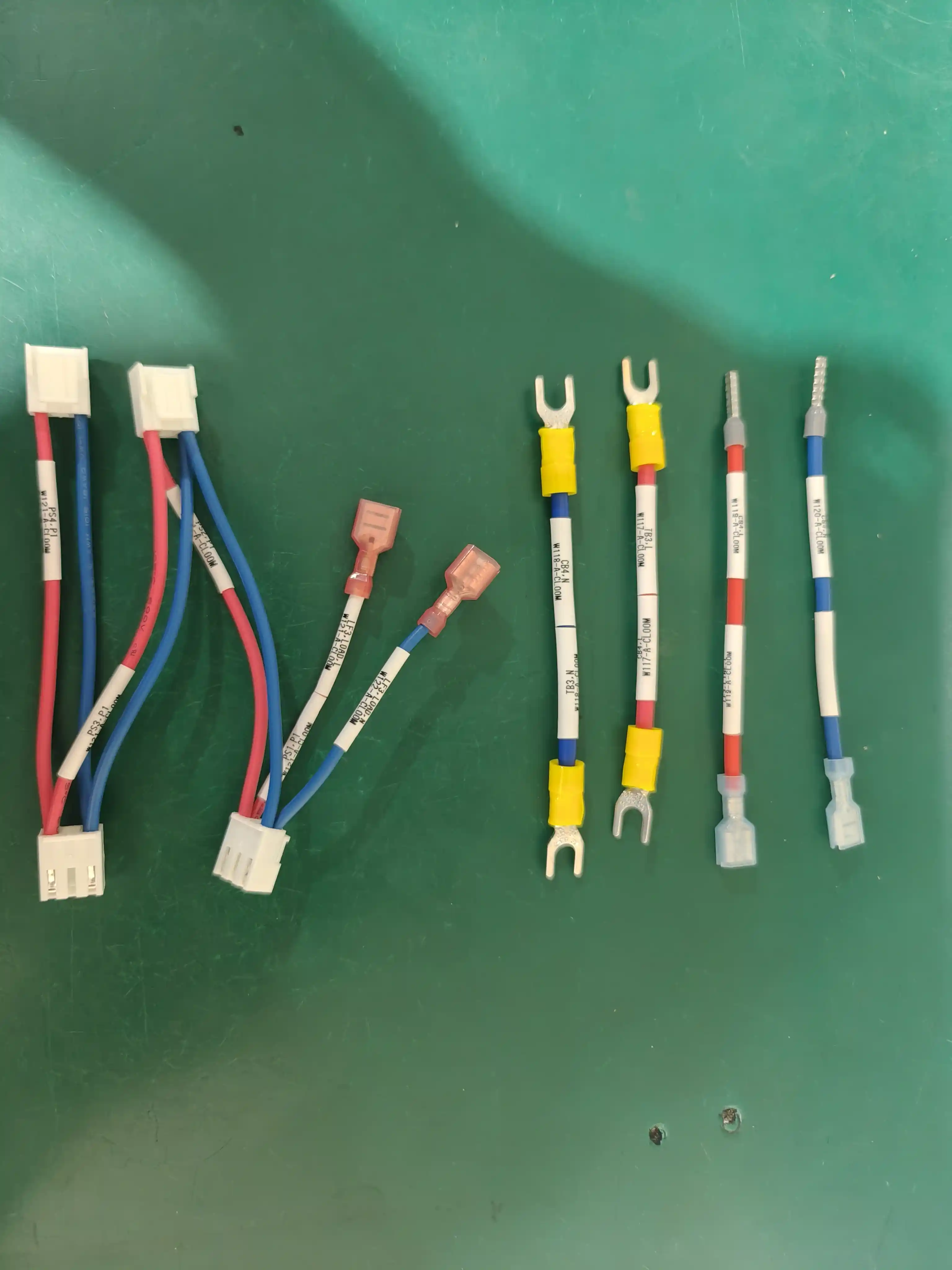
Drone wire harness fixture-board assembly

Engineering Trade-Offs for UAV Wiring

Lightweight wire saves grams, but it also reduces pull-force margin and can make field repair harder. Overmolded strain relief improves connector durability, but heat shrink boots can be faster and more flexible for low-volume validation builds.

We usually ask buyers to separate airworthiness-critical, payload-critical, and service-access wiring in the drawing package. That makes acceptance criteria clearer and keeps a noncritical payload cable revision from blocking a power harness release.

Special Cable Customization Note

A mining-sector cable project shows why exact jacket, braid, color, and marking details must be frozen before production. The buyer specified 3 Core (Yellow, Red, Blue), 18 AWG GXL, Black braid with 2 blue stripes, and 50m or 100m rolls, then added laser-etched markings and injection-molded connectors. Drone payload harnesses can create the same sourcing risk when a custom sleeve, low-smoke jacket, or identification method is approved late.

1

Review the airframe routing, connector stack height, bend radius, service loop, payload movement, and connector procurement risk.

2

Build a controlled sample with wire labels, branch lengths, crimp tooling notes, and a clear deviation log for buyer approval.

3

Run continuity, polarity, shorts, mating-fit, pull-force sampling, and visual checks before packing each harness set.

4

Lock the approved BOM, label map, test plan, packaging method, and revision level before pilot or production release.

Quality and Standards Language

For workmanship language, many drone OEMs reference IPC-A-620 acceptance criteria for cable and wire harness assemblies. Public background on IPC is useful when procurement teams need a neutral citation.

When recognized wire styles or insulation evidence are part of the quote package, public background on UL helps align the discussion. For rugged circular connector families, public background on MIL-DTL-38999 can help explain why shell size, insert layout, contact plating, and backshell choice must be locked before sample release.

We do not treat public standards references as a substitute for your approved drawing. The drawing, BOM, revision level, and test plan remain the release record.

Author and Factory Basis

Prepared by Hommer Zhao and the WellPCB wire harness engineering team, based on RFQ reviews, connector sourcing work, sample builds, and production release support for industrial, aerospace-style, robotics, and inspection equipment harness programs.

Factory capabilities include automated wire cutting and stripping, controlled crimping, fixture-board assembly, heat shrink processing, continuity testing, polarity checks, label verification, and production packing by harness set.

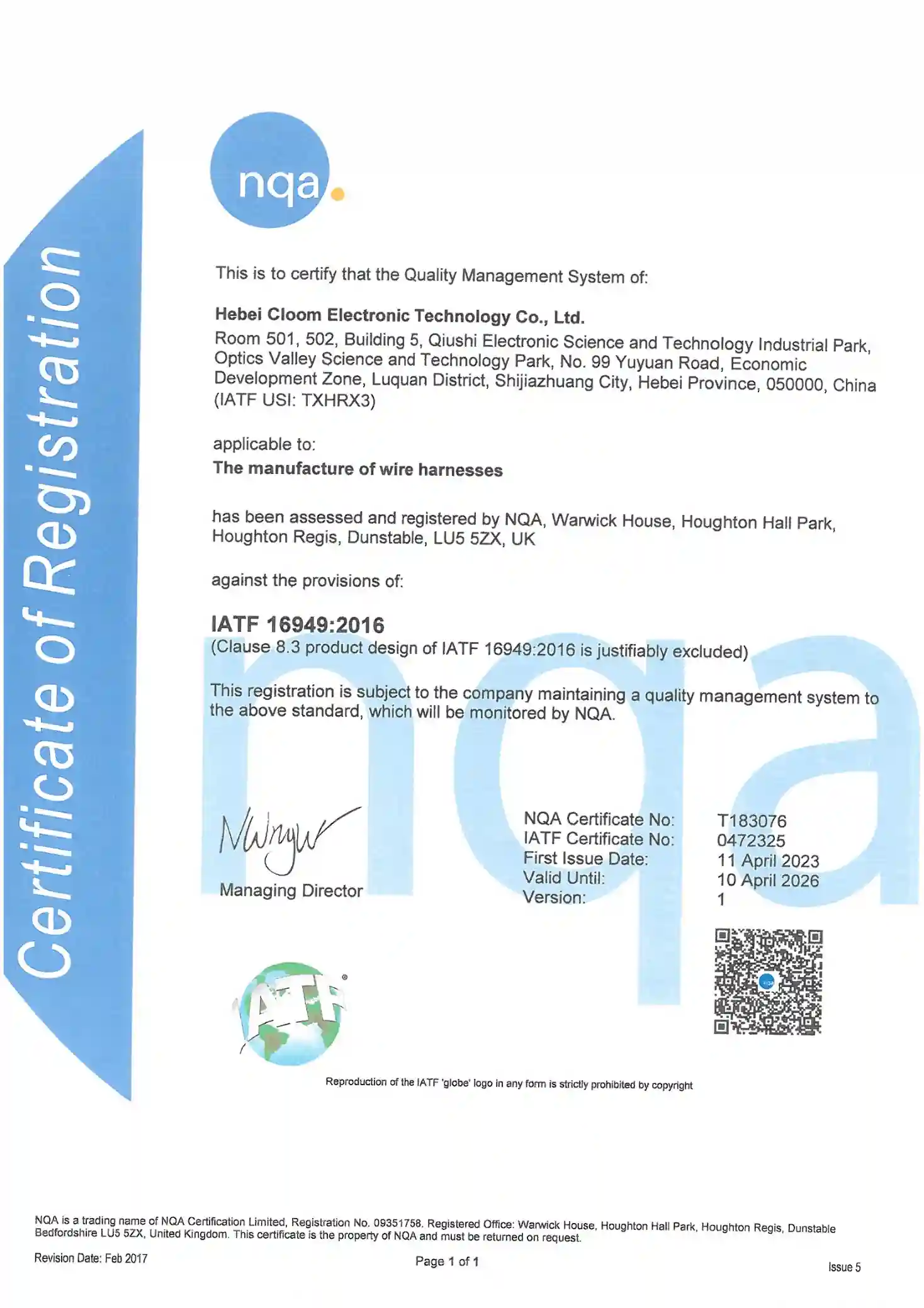
ISO 9001 quality system
IATF 16949 automotive discipline
IPC-A-620 workmanship support
100% electrical test on release

Drone Cable Harness FAQ

A drone cable harness is a custom wire harness that connects the UAV battery, flight controller, ESCs, payload, sensors, telemetry, GNSS, camera, and lighting in one controlled wiring set. For UAV builds, the harness must balance weight, vibration resistance, routing space, connector security, and electrical test evidence.