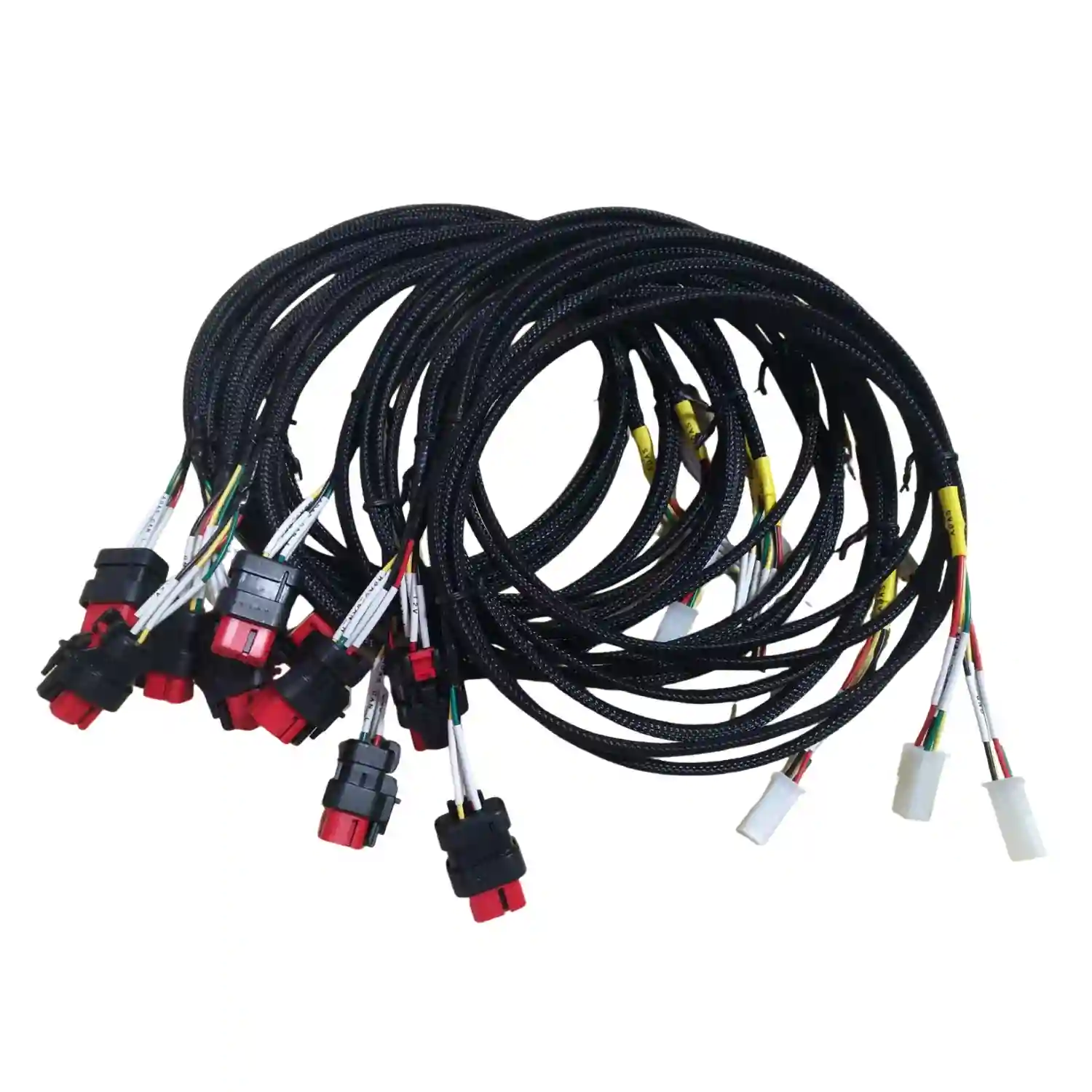
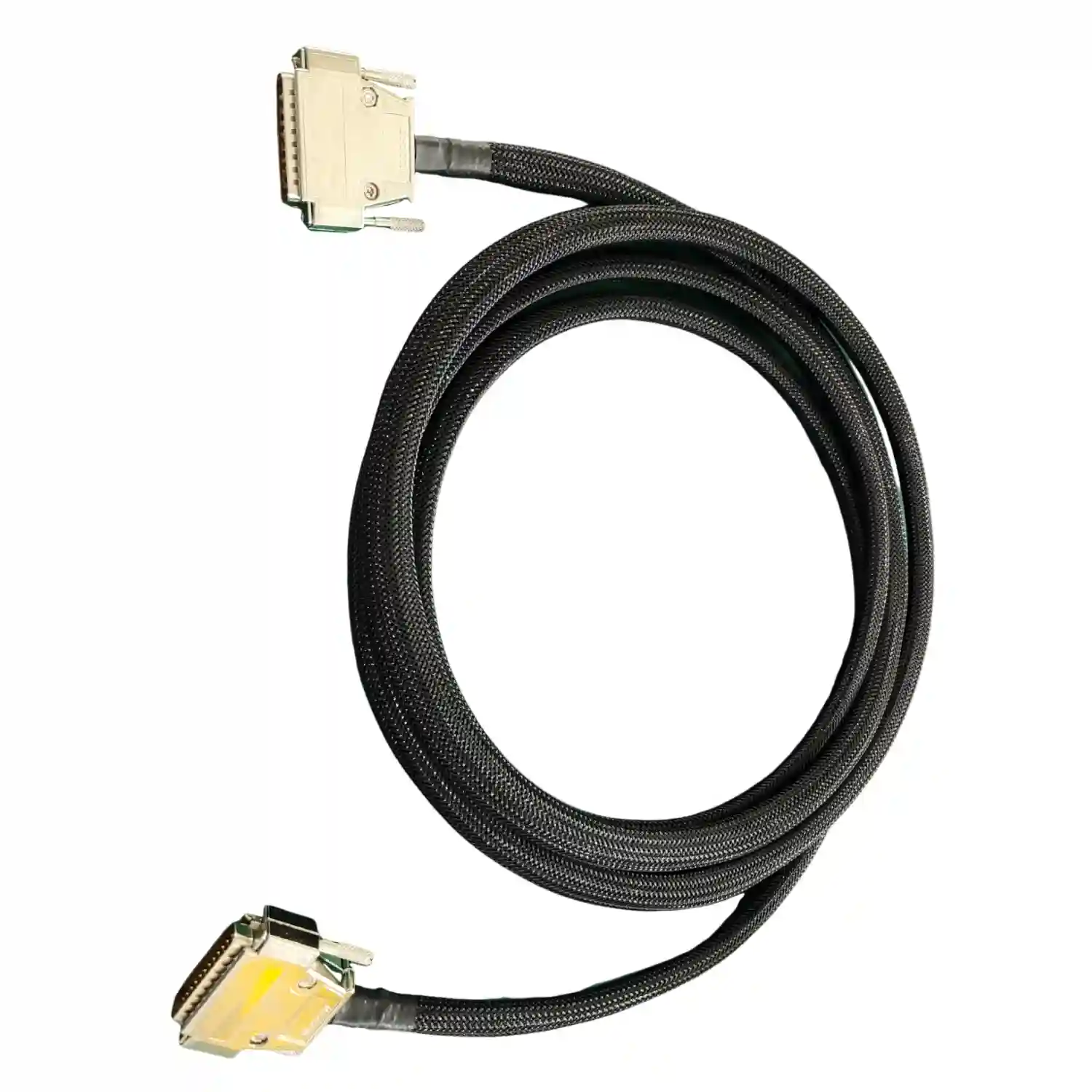
Industrial Robot HarnessManufacturing for OEMs
Industrial robot harness manufacturing is a build-to-print service for power, encoder, brake, I/O, sensor, camera, end-of-arm tooling, and control wiring used inside robots, robot cells, and motion-control equipment. We review moving-axis routing, bend radius, connector lock, shield termination, label rules, fixture needs, and the test plan before quote so procurement can compare suppliers on integration risk, not only unit price.
TL;DR
- Use this service for robotic arm, EOAT, servo, encoder, sensor, and drag-chain harness builds.
- Send drawings, BOM, route photos, moving-axis details, connector part numbers, test scope, and forecast.
- We flag bend radius, shielding, connector sourcing, clamp points, revision risk, and packing requirements before quote.
- Best fit: prototype-to-production robot harness programs where drawing updates are expected during ramp-up.
Industrial Robot Harness Capabilities
Robot harnesses fail when motion, shield strategy, connector sourcing, and release evidence are treated as separate purchasing details.
Robotic Arm Harness Builds
A robotic arm harness is a custom wire harness that routes power, brake, encoder, sensor, I/O, and tool wiring through joints, wrist areas, or external cable carriers. We review bend radius, service loops, clamp locations, branch exits, and connector orientation before sampling so the approved harness can survive repeated motion instead of only passing a bench continuity test.
Servo and Encoder Cable Assemblies
A servo motor harness is a cable assembly that carries motor power, brake, feedback, and control signals between a drive, controller, and motor. We separate high-current and feedback paths where the drawing allows, review shield continuity, and define the inspection record before production release.
End-of-Arm Tooling Harnesses
An end-of-arm tooling harness is the wiring set that connects grippers, vacuum valves, proximity switches, cameras, force sensors, and quick-change tooling. We check connector retention, label placement, compact branch exits, and service replacement needs because EOAT wiring is often the first point touched by maintenance teams.
Drag-Chain and Continuous-Flex Routing
Drag-chain harnesses need jacket, conductor, bend-radius, separator, and strain-relief decisions that match the robot cell. We do not certify cable-chain life from a desk quote, but we do review the requested motion path, clamp spacing, cable OD, bend radius, and termination stress before the sample is built.
Revision-Controlled DFM Support
Industrial robot harness programs often change after the first installation. We keep drawing revision, BOM notes, connector alternates, tooling notes, and test records visible so future batches can incorporate approved updates without mixing old and new harness releases.
Documented Electrical Testing
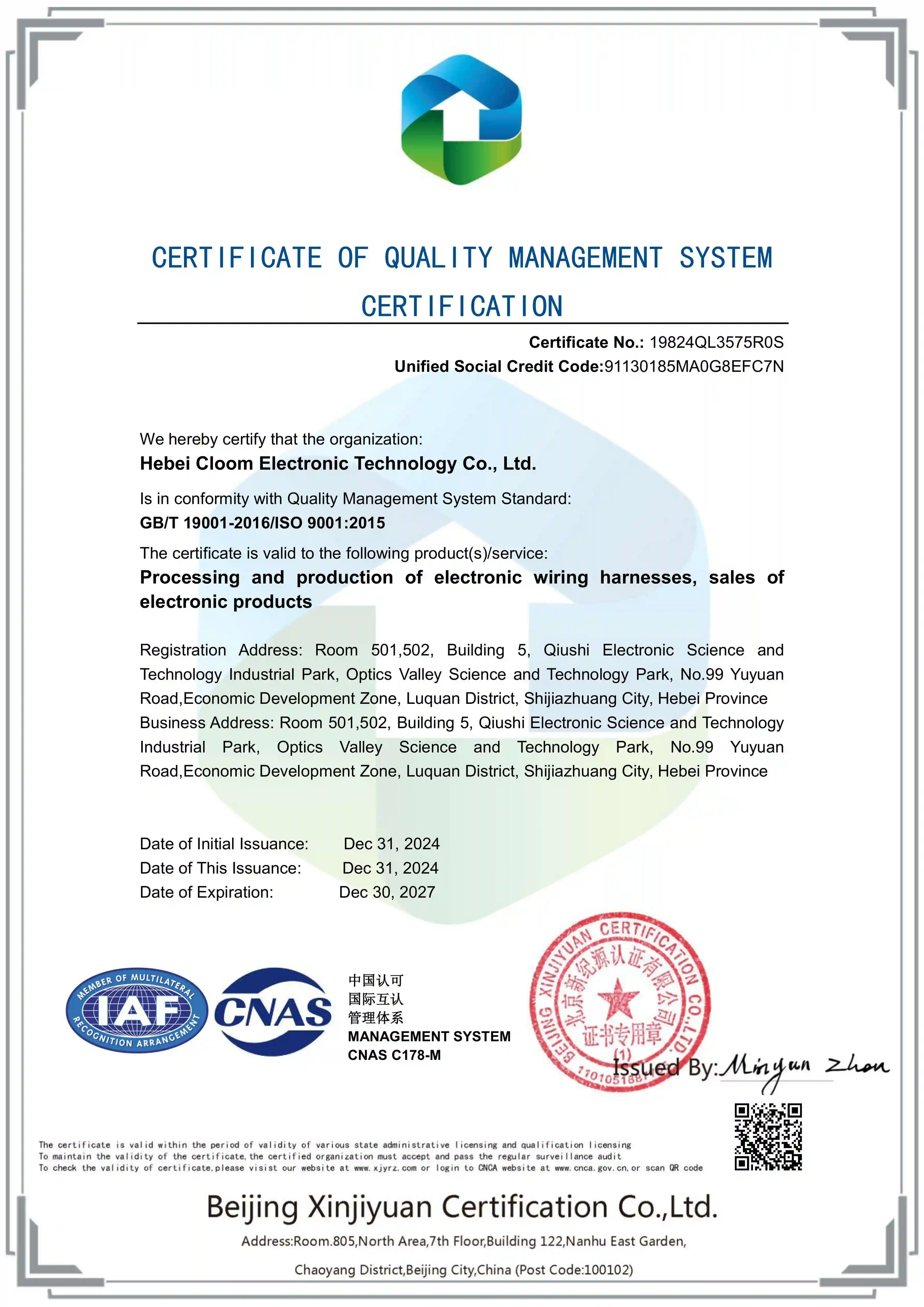
Every robot harness should leave the factory with a release plan for continuity, pinout, polarity, shorts, visual workmanship, label position, shield continuity when required, and customer-defined report fields. We align inspection records with IPC-A-620 workmanship expectations, UL-758 wire review where applicable, and ISO 9001 documentation practice.
An anonymized robotics example from our case bank showing how incomplete RFQ data can still move into a controlled engineering review.
Industry
robotics
Region
Brazil
Year
2025-Q2
Scenario
An engineer at a robotics and motion control distributor initiated a new project inquiry for a custom wire harness.
Challenge
The customer stated they could only provide the full wiring diagram if the project was awarded, making accurate quoting and risk assessment difficult at the inquiry stage.
Solution
Evaluated the partial specifications, provided references to similar past case studies, proposed a technical exchange meeting to align on requirements, and offered free prototyping to validate the design before full commitment.
Result
Kept the project pipeline active and built trust despite the initial lack of complete data, leading to continuous new project inquiries from the customer's engineering team.
Concrete Numbers
Anonymized from a real project. Specific buyer identifiers withheld; numbers quoted verbatim from project records.
Where Industrial Robot Harnesses Fit
Best for robot builders, system integrators, and automation OEMs that need controlled routing, reliable connectors, and production evidence.
Six-Axis Robot Arms
Axis, wrist, elbow, and base harnesses for servo, brake, encoder, I/O, safety, and sensor branches where motion path and bend control affect uptime.
End-of-Arm Tooling
Gripper, vacuum, pneumatic valve, camera, force sensor, and quick-change tool wiring where connector retention and service access matter.
AMR and AGV Robot Modules
Battery, drive, perception, bumper, charging, and safety harnesses for mobile robots that combine power, sensor, and communication branches.
Robot Cell Control Panels
Panel-to-robot interface harnesses, pendant wiring, safety interlock leads, and machine I/O cable sets with clear labels and tested pinouts.
Servo and Motion-Control Equipment
Servo motor power, brake, encoder, resolver, and feedback cable assemblies where shield strategy and connector fit are reviewed before release.
Robotics Development Builds
Prototype and pilot harnesses for R&D teams that expect design changes after integration testing and need supplier support for controlled updates.
Industrial Robot Harness Capability Table

How We Reduce Robot Harness RFQ Risk
An industrial robot harness quote is useful only when motion, connector fit, shielding, revision control, and test evidence are reviewed before pricing is locked.
We quote around the robot movement, not only the wire list
Robot harness routing changes with joints, clamps, cable carriers, and service access. We ask for route photos or 3D context when available so bend radius, cable exit, tie points, and connector orientation are reviewed before the first sample.
Incomplete drawings get an engineering path
In a Brazil robotics inquiry, the buyer could only share the full wiring diagram after award. We used partial data evaluation, a free prototyping offer, and a technical exchange meeting to keep the project moving without pretending the missing data did not matter.
Design updates stay controlled during ramp-up
In a US robotics cable program, first builds were made exactly to print, then the engineering team requested updates for future orders. We reviewed the drawing modifications and implemented them for later batches while maintaining the current production flow.
Testing matches the likely failure mode
A static jumper may need basic continuity and pinout checks. A moving robot harness often needs shield continuity, label control, retention checks, dimensional review, protected packaging, and revision-controlled work instructions because field issues are frequently intermittent or mechanical.
Relevant Standards and Reference Bodies
These references help buyers align robot cable routing, harness workmanship, and quality-system expectations before supplier approval.
Industrial Robot
Reference background for robot arms, automation platforms, and industrial motion systems that drive moving-harness requirements.
IPC Workmanship
Reference background for IPC and cable-assembly workmanship expectations used during supplier review.
ISO 9000 Quality Systems
Useful context when buyers compare documented quality-management systems across cable assembly suppliers.
Reviewed By
WellPCB Wire Harness Engineering Team
Custom wire harness and cable assembly manufacturing support
Ready to Quote an Industrial Robot Harness?
Send your drawing, connector list, route photos, motion path, target quantity, and validation stage. We will review manufacturability, sourcing risk, test scope, sample timing, and production timing before the next procurement step.
Send This With Your RFQ
2D drawing, BOM, pinout, cable length, current revision, and robot or motion-control equipment model
Connector part numbers, mating interface details, shell orientation, approved alternates, and no-substitution rules
Route photos, moving-axis path, bend radius, clamp points, jacket preference, sample quantity, and annual forecast
Continuity, pinout, shield continuity, label, retention, dimensional, packaging, certificate, and test-report expectations
What You Get Back
Manufacturability questions for missing pinout, shielding, connector, bend, label, and routing inputs
Connector sourcing-risk note with MOQ, lead-time, and alternate-review comments when parts are constrained
Sample and production lead-time view based on material availability, design maturity, and test scope
Recommended IPC-A-620, UL-758, ISO 9001, and IATF 16949-style evidence package when required
Industrial Robot Harness RFQ Questions Buyers Ask
Answers for robotic arm wiring, EOAT cable sets, servo harnesses, drawing updates, and supplier-quality evidence before sample approval.
What is an industrial robot harness?
An industrial robot harness is a custom wiring assembly that carries power, feedback, sensor, I/O, safety, camera, and tooling signals inside or around a robot system. It usually needs more routing review than a static cable assembly because bend radius, clamp points, shield strategy, connector locking, and service replacement affect uptime.
Can you quote if our robot harness data is incomplete?
Yes, but we separate confirmed cost from open engineering risk. In one robotics inquiry, the buyer could only release the full wiring diagram after award, so we used partial data evaluation, a free prototyping offer, and a technical exchange meeting to validate the path before production commitment.
Can you build 20 prototypes now and scale to 1000 pieces later?
Yes, when the revision level, test method, and connector sourcing plan are controlled from the first sample. Our case bank includes Quantities ranging from 20 to 1000 pieces for Product types: Wrist camera USB cable, Elbow camera USB cable, Grapple cable, which is a common robotics ramp-up pattern.
Which standards should we reference for robot harness acceptance?
IPC-A-620 is commonly used as workmanship language for cable and wire harness acceptance, while UL-758 can be relevant for appliance wiring material review and ISO 9001 helps define quality-system documentation. The final acceptance criteria should still come from your drawing, test plan, and purchase contract.
How do you handle drawing changes after robot integration testing?
We keep current and future revisions separated. For a US industrial robotics OEM, the first cables were manufactured exactly to print, then we reviewed requested drawing modifications and implemented the changes into later batches while maintaining the current production flow.
What should I send for an accurate robot harness quote?
Send the drawing, BOM, pinout, connector part numbers, mating connector details, route photos, moving-axis path, bend radius, clamp points, sample quantity, forecast, label rules, packaging needs, and electrical test requirements. If you have a previous failed harness, photos and failure notes are useful.