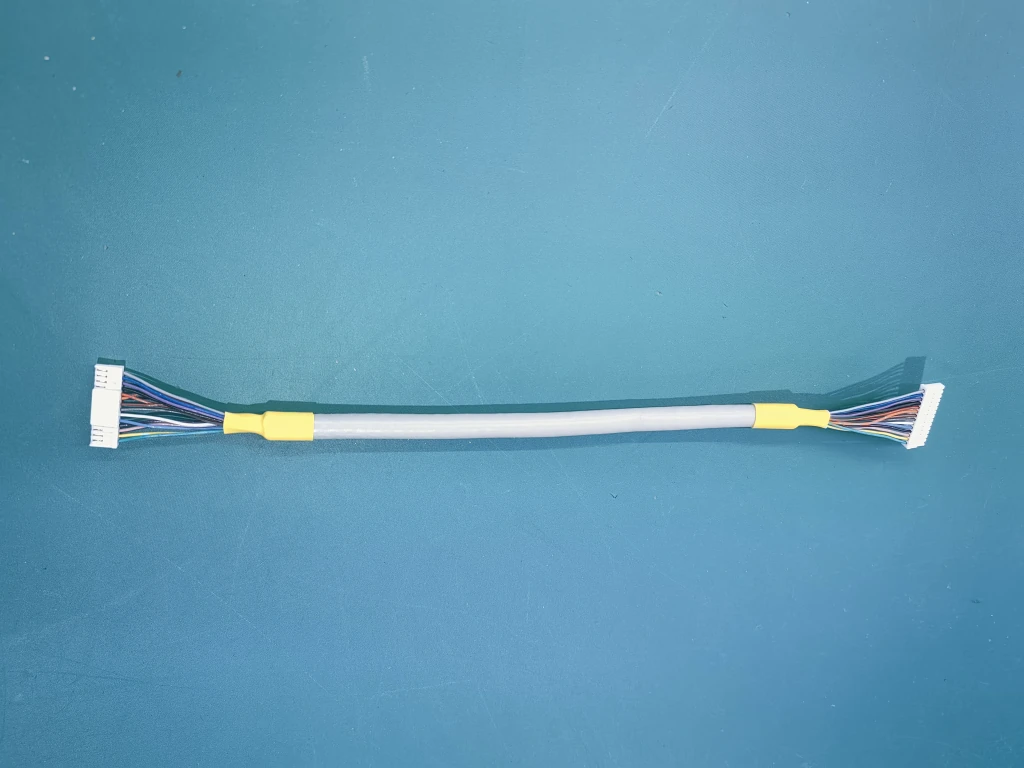
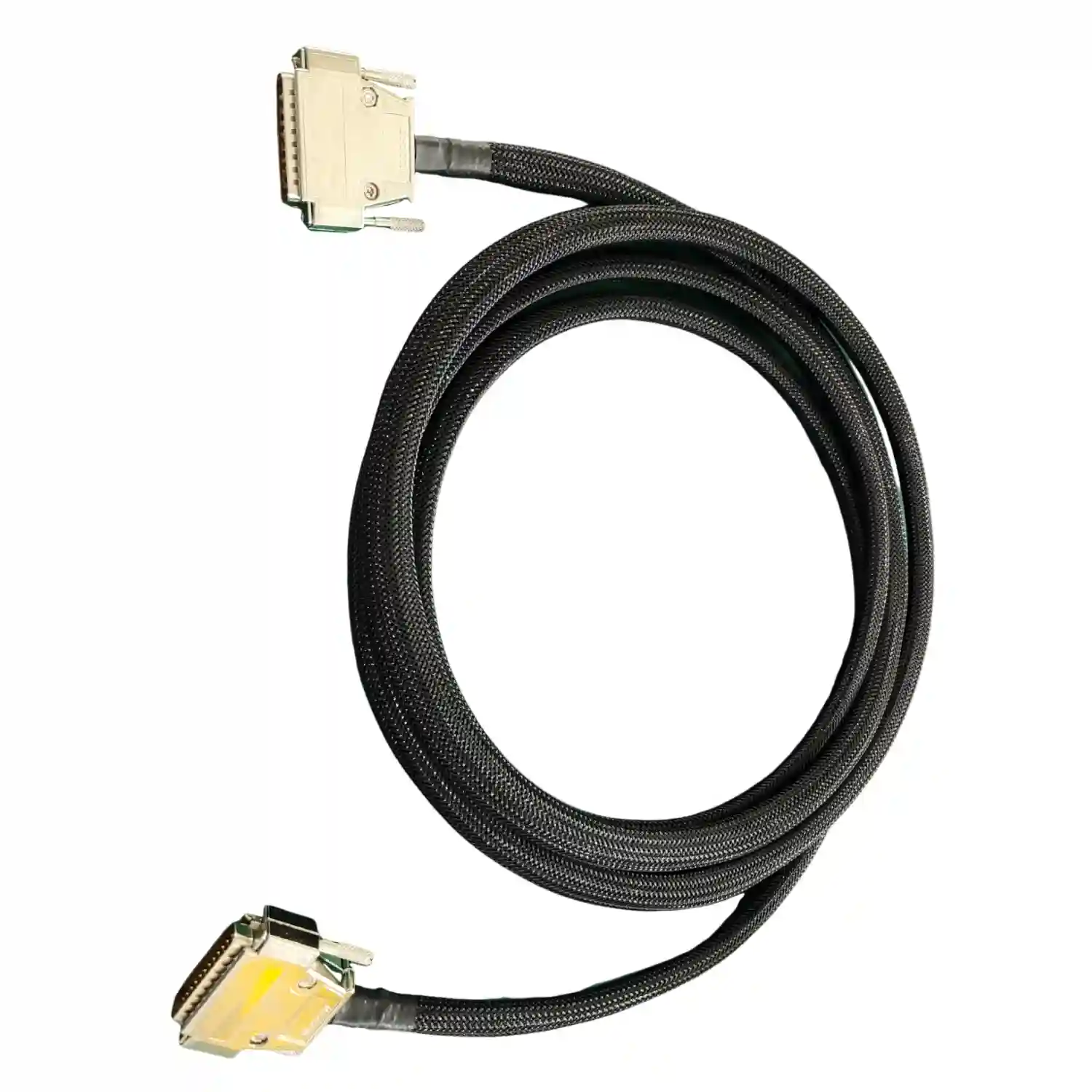
LiDAR Cable Assemblyfor Robotics OEMs
LiDAR cable assembly is a custom sensor cable build that links LiDAR modules, camera heads, perception computers, USB interfaces, MIPI camera links, coax paths, and power branches inside robots or autonomous equipment. We review route movement, shielding, connector fit, bend radius, strain relief, labels, and the 100% electrical test plan before quote so a buyer comparing three suppliers sees integration risk before unit price is locked.
TL;DR
- Use this service for LiDAR, depth camera, USB camera, MIPI camera, and robotics sensor cable assemblies.
- Send drawings, module model, connector part numbers, route photos, cable length, bend radius, and test scope.
- We flag shielding, strain relief, cable exit, connector lead-time, and design-update risk before quote.
- Best fit: prototype-to-production sensor cables where small drawing changes can affect robot integration.
LiDAR and Robotics Sensor Cable Capabilities
Perception cables fail when signal path, movement, connector sourcing, and mechanical exits are quoted as separate details instead of one controlled assembly.
LiDAR Sensor Cable Builds
A LiDAR cable assembly is a sensor cable that carries power, trigger, data, synchronization, or service wiring between a LiDAR module and the robot control system. We review pinout, shielding, route exposure, connector retention, label rules, and strain relief before sampling so the cable does not become the weak point during field movement.
Robotic Camera Cable Support
A robotics camera cable is a compact cable assembly for wrist cameras, elbow cameras, depth cameras, inspection heads, or machine-vision modules mounted on moving equipment. We check cable exit direction, clamp point, bending path, connector lock, and service replacement needs so integration changes can be handled without stopping repeat production.
MIPI, USB, and Coax Routing Review
A MIPI camera cable is a high-density image-sensor interconnect that needs controlled routing, short exposed sections, stable connector mating, and careful bend control. USB and coax camera paths have different risks, so we separate impedance, shielding, pair twist, jacket, and connector decisions before the RFQ becomes production-ready.
Shielding and Noise Control
LiDAR and camera branches often run near motors, batteries, drives, and wireless modules. We review foil, braid, drain wire, shield continuity, grounding preference, and separation from high-current branches so the finished assembly supports stable sensor behavior after installation, not only continuity at the factory bench.
Design Iteration During Ramp-Up
Robotics sensor cables frequently need small drawing changes after the first units are installed. We keep drawing revision, BOM notes, connector alternates, and work instructions visible so updated designs can move into later batches while current deliveries continue under the approved release record.
Documented Production Testing
Every LiDAR cable assembly should have a release plan for continuity, pinout, visual workmanship, label position, shield continuity where required, and protected packaging. We align inspection records with IPC-A-620 workmanship expectations, ISO 9001 documentation, and customer-specific report fields when the program needs supplier-quality evidence.
An anonymized robotics example from our case bank that mirrors how LiDAR and camera cable programs usually evolve after first installation.
Industry
robotics
Region
US
Year
2025-2026
Scenario
A US industrial robotics OEM required iterative design updates for their custom robotic camera and grapple cables during production ramp-up.
Challenge
The initial cables were manufactured exactly to print, but the customer's engineering team needed small modifications to the drawings for future orders to improve robot integration, requiring agile DFM support without disrupting the delivery schedule.
Solution
Facilitated direct engineering communication, reviewed the requested drawing modifications, and implemented the changes into the manufacturing process for subsequent batches while maintaining the current production flow.
Result
Successfully transitioned to the updated cable designs, secured repeat orders, and deepened the engineering partnership with the client's R&D team.
Concrete Numbers
Anonymized from a real project. Specific buyer identifiers withheld; numbers quoted verbatim from project records.
Where LiDAR Cable Assemblies Fit
Best for OEM platforms where perception reliability depends on routing discipline, connector retention, and repeatable factory release records.
AMR and AGV Sensor Masts
LiDAR, depth camera, ultrasonic, and emergency-stop cable sets for mobile robots where vibration, service access, and compact routing affect field uptime.
Industrial Robot Wrist Cameras
USB, MIPI, and micro coax camera cable assemblies for moving wrists, elbows, inspection modules, and end-of-arm tooling where cable exit direction matters.
Outdoor Autonomous Equipment
Sensor harnesses for mobile machinery, security robots, and cleaning robots where sealing, jacket abrasion, connector locks, and protected packaging reduce service faults.
Machine-Vision Inspection Cells
Camera and trigger cables for automated inspection equipment where route repeatability, labels, and documented testing help maintenance teams replace modules quickly.
Robotics Development Builds
Prototype and pilot cable assemblies for R&D teams that expect drawing updates after first installation and need the supplier to support controlled iteration.
Sensor Fusion Cable Sets
Bundled LiDAR, camera, GNSS, encoder, and control branches where different signal types need separation, shielding decisions, and clear pinout records.
LiDAR Cable Assembly Capability Table

How We Reduce LiDAR Cable RFQ Risk
A LiDAR cable quote is only useful when the supplier has checked sensor path, route movement, connector fit, and update control before committing lead time.
We treat the cable as part of the sensor system
LiDAR, camera, trigger, and power branches interact inside the same robot. We review those interfaces together so a fast quote does not hide cable exit, shielding, connector lock, or bend-path problems until the first installation.
Design changes stay controlled
In the robotics case bank, the customer needed drawing modifications during ramp-up after the first cables were made to print. We handled the updates for later batches while maintaining the current production flow, which is the difference between agile DFM support and uncontrolled change drift.
Connector sourcing is checked early
Sensor cable programs can stall when a miniature connector, shell, terminal, or mating part is constrained after unit price approval. A second case reviewed STOCKO vs. Lumberg connectors and a PTC lead time of 12-14 weeks, showing why alternate approval belongs before sample release.
Testing matches the failure mode
Static sensor jumpers may need continuity, pinout, and visual checks. Moving robot cables often need shield continuity, retention checks, label control, dimensional checks, and packaging protection because the field failure is usually mechanical or intermittent, not an obvious open circuit.
Relevant Standards and Reference Bodies
These references help buyers align sensor interface behavior, cable-assembly workmanship, and quality-system expectations before supplier approval.
LiDAR
Reference background for light detection and ranging systems used in robotics, mapping, autonomy, and perception modules.
MIPI Alliance
Useful context for camera and sensor interface families that often drive compact imaging cable requirements.
IPC Workmanship
Reference background for IPC and cable-assembly workmanship expectations used during supplier review.
Reviewed By
WellPCB Wire Harness Engineering Team
Custom cable assembly manufacturing and supplier-quality support
Ready to Quote a LiDAR Cable Program?
Send your drawing, connector list, module model, route photos, target quantity, and validation stage. We will review manufacturability, sourcing risk, test scope, sample timing, and production timing before the next procurement step.
Send This With Your RFQ
2D drawing, BOM, pinout, cable length, current revision, and LiDAR or camera module model
Connector part numbers, mating interface details, shell orientation, approved alternates, and no-substitution rules
Route photos, moving-axis path, bend radius, clamp points, jacket preference, sample quantity, and annual forecast
Continuity, pinout, shield continuity, label, retention, dimensional, packaging, certificate, and test-report expectations
What You Get Back
Manufacturability questions for missing pinout, shielding, connector, bend, label, and routing inputs
Connector sourcing-risk note with MOQ, lead-time, and alternate-review comments when parts are constrained
Sample and production lead-time view based on material availability, design maturity, and test scope
Recommended IPC-A-620, UL-758, ISO 9001, and IATF 16949-style evidence package when required
LiDAR Cable RFQ Questions Buyers Ask
Answers for robotics sensor cable sourcing, camera wiring, drawing updates, and supplier-quality evidence before sample approval.
What should I send for an accurate LiDAR cable assembly quote?
Send the drawing, BOM, pinout, module model, connector part numbers, cable length, route photos, bend radius, sample quantity, and forecast. A LiDAR cable assembly quote is strongest when the supplier can review signal type, shielding, strain relief, connector retention, and 100% electrical test requirements before pricing.
I need 50 robotics camera cables now and 1000 later. Is that practical?
Yes, that volume path is practical when the drawing revision and test plan are controlled from the first sample. Our case bank includes Quantities ranging from 20 to 1000 pieces for Wrist camera USB cable, Elbow camera USB cable, and Grapple cable builds, which is a realistic pattern for robotics ramp-up work.
Can you build MIPI camera cable assemblies for compact robot sensors?
Yes, we can review MIPI camera cable assemblies where the RFQ includes connector family, cable length, bend path, mating interface, and module-side packaging limits. MIPI routes are more sensitive than simple discrete leads, so we check bend radius, exposed length, shield strategy, and continuity or customer-defined signal checks before release.
How do I decide between MIPI, USB, and micro coax for a robotics camera cable?
Choose based on the camera module interface, route length, movement, service replacement needs, and noise environment. MIPI is common for compact image-sensor links, USB can simplify replaceable camera modules, and micro coax can help with dense shielded paths. We quote the build you specify and flag mechanical or shielding risk before sample approval.
My drawings may change after robot integration testing. Can production still continue?
Yes, if the current release and the next revision are separated clearly. In the robotics case, we manufactured initial cables exactly to print, then reviewed drawing modifications for later orders while maintaining the current production flow. That controlled process protects repeat orders from mixed revisions and undocumented operator changes.
What quality evidence should I request for a LiDAR sensor cable supplier?
Request 100% continuity and pinout records, visual workmanship criteria aligned with IPC-A-620, label and dimensional checks, shield-continuity results when shielding is specified, and a certificate or test report format your receiving team can archive. For higher-risk robotics programs, add revision-controlled work instructions and protected packaging requirements.