Wire Harness Testing Service forProduction-Ready Cable Assemblies
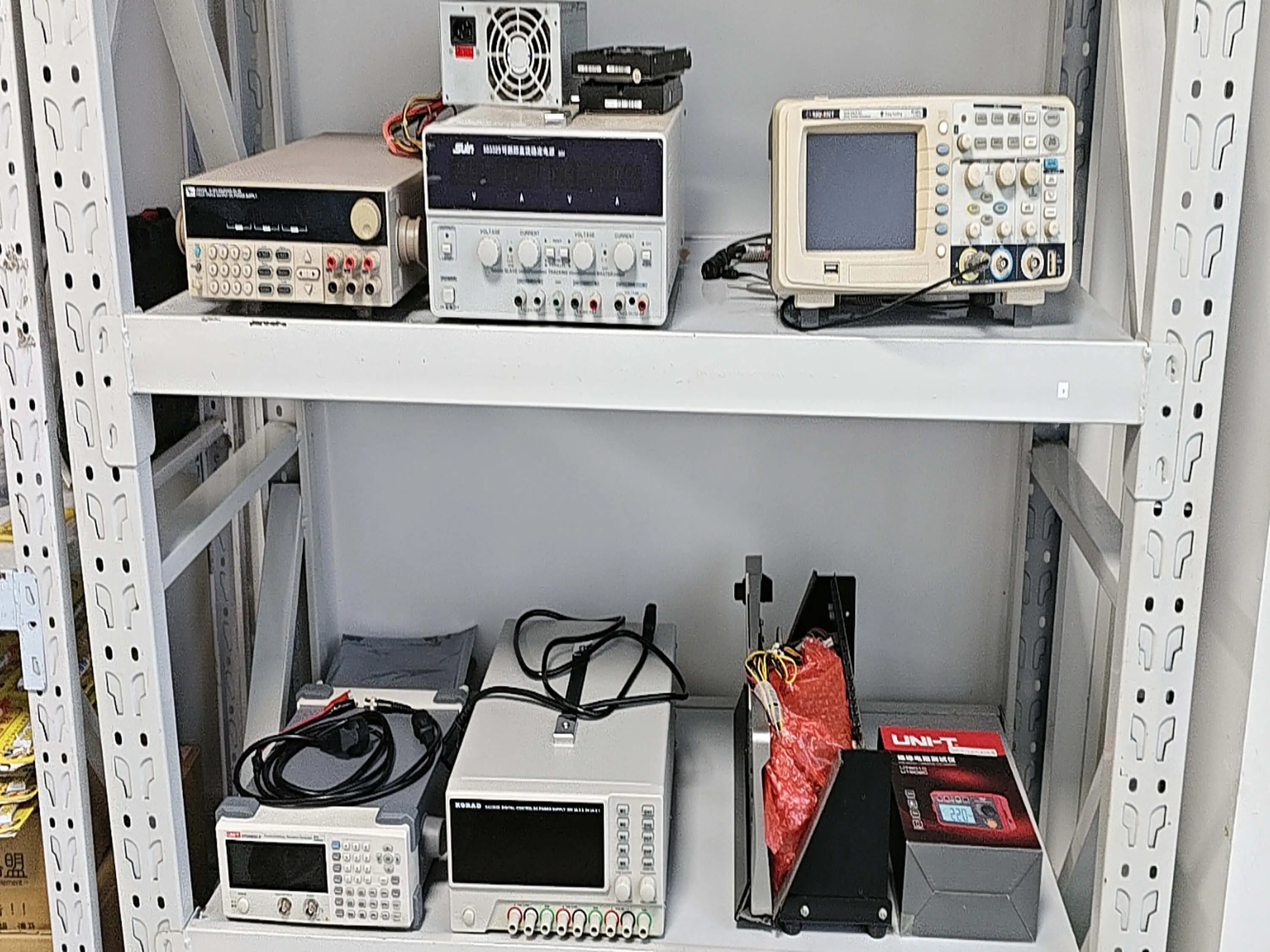
Every tested harness leaves with a defined pass/fail record: continuity, polarity, hipot, insulation resistance, crimp pull-force, and IPC/WHMA-A-620 workmanship checks matched to your drawing instead of generic sampling.
Request a Test Plan Quote
Upload drawings, pinout table, BOM, or inspection criteria. Engineering reviews test scope before pricing.
Documented Records
Lot-level and unit-level test records available when specified.
Certified Systems
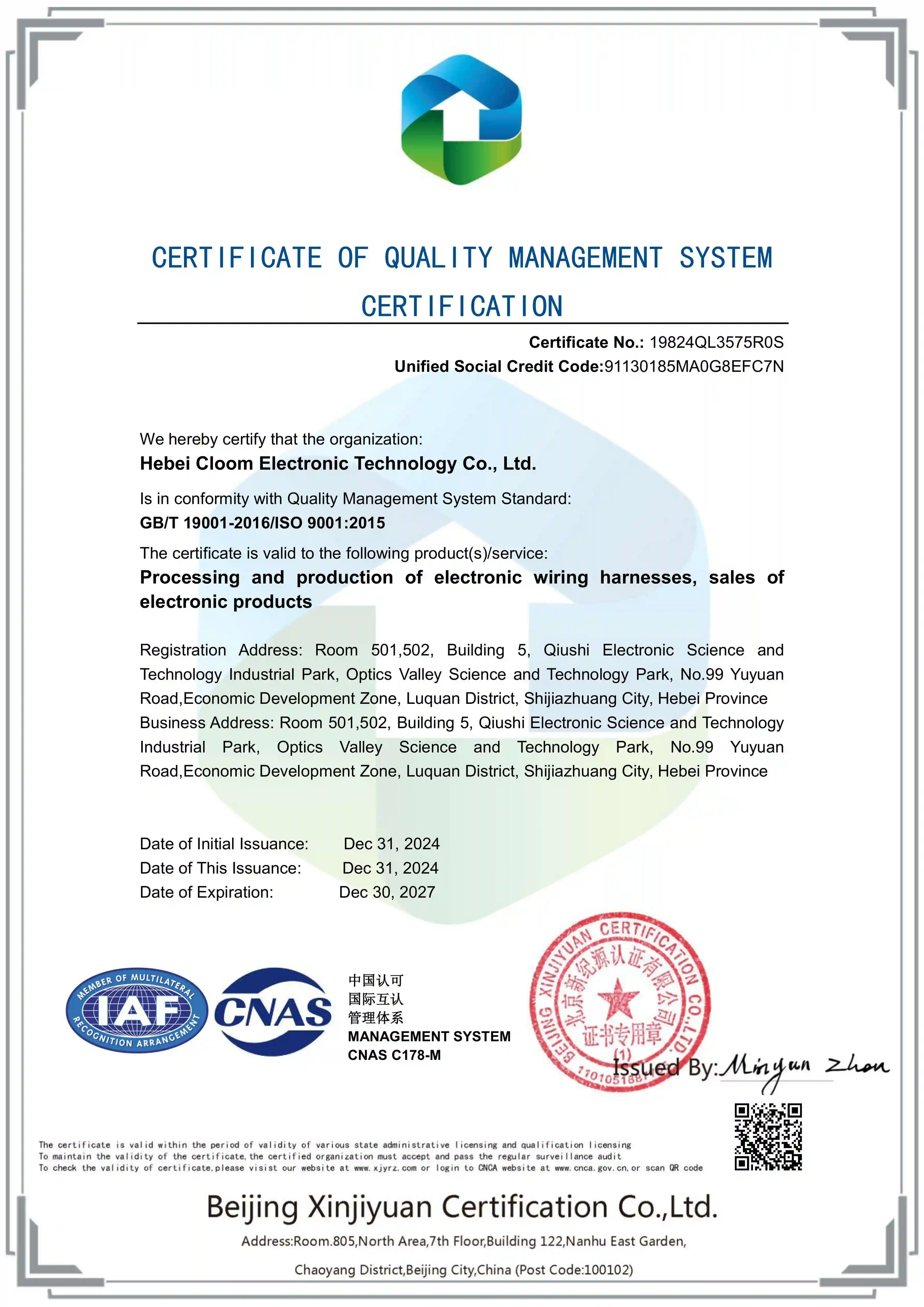
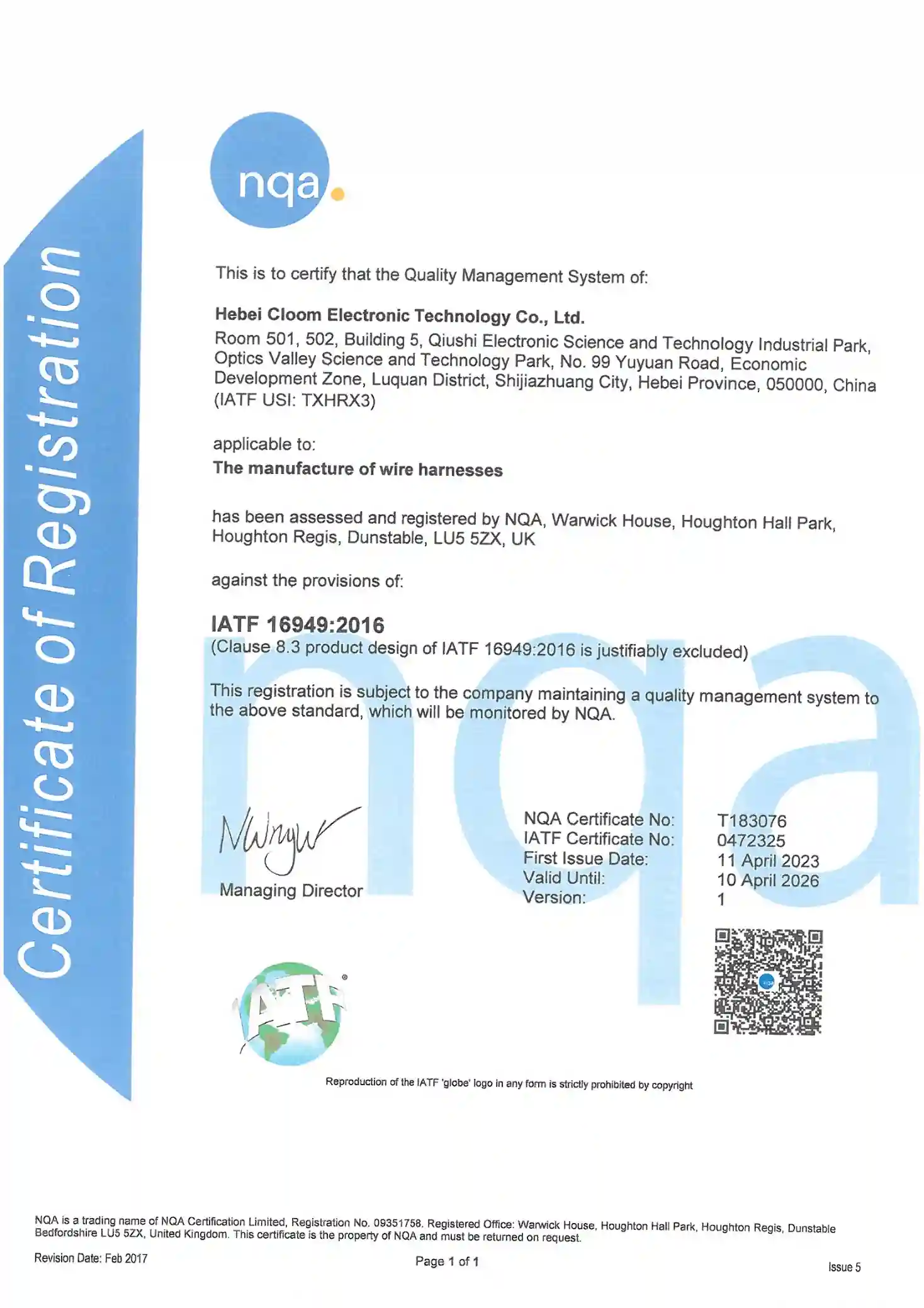
ISO 9001:2015 and IATF 16949:2016 quality systems in the factory network.
Early Risk Flags
Test criteria reviewed before quote to prevent schedule surprises.
Production Release
Testing supports prototypes, pilot lots, and recurring OEM releases.
Testing Is the Control Gate Between a Working Sample and a Reliable Production Harness
Wire harness testing service buyers usually have one concern: they need proof that the harness will not stop their production line after receiving inspection. WellPCB already builds custom assemblies under ISO 9001:2015 and IATF 16949:2016 quality systems, with 100% electrical testing referenced across our factory wiring harness and custom cable assembly processes.
The important difference is scope. A simple continuity test proves every conductor reaches the expected pin. It does not prove insulation margin, crimp strength, connector latch engagement, seal integrity, or functional behavior under load. We define the test matrix from the harness drawing so each risk gets the right verification method.
Our best fit is production-bound custom harness work: prototypes heading into NPI, OEM cable programs, sealed assemblies, automotive harnesses, medical device cable sets, battery cables, and multi-branch industrial harnesses. We are not a standalone certification lab and we do not issue safety approval for finished equipment.

Wire Harness Test Methods We Support
Each method answers a different failure question. The correct test plan depends on voltage, connector style, environment, harness complexity, and customer documentation requirements.
Continuity and Pinout Verification
Every circuit is checked against the approved net list so opens, shorts, swapped pins, and missing conductors are caught before shipment. This is the baseline test for every custom wire harness testing service order, not a sample-only inspection.
- 100% circuit verification
- Open and short detection
- Polarity and pinout confirmation
- Digital pass/fail records
Hi-Pot Dielectric Withstand Testing
High-voltage harnesses, sealed assemblies, and safety-critical programs can add hipot testing to verify insulation integrity between conductors or conductor-to-shield paths. Test voltage and dwell time are set from your drawing or control plan.
- Common range: 500 VDC to 3000 VDC
- Higher test plans reviewed case by case
- Conductor-to-conductor and conductor-to-shield
- Failure isolation before rework
Insulation Resistance Measurement
Insulation resistance testing identifies moisture intrusion, jacket damage, contamination, and marginal separation before a harness reaches the customer line. We typically use this test for waterproof, medical, and high-voltage cable assemblies.
- 500 VDC insulation checks when specified
- Pass criteria from customer drawing
- Useful after overmolding or potting
- Records available by lot or unit
Crimp Pull-Force and Crimp Height Checks
Electrical continuity alone does not prove a terminal crimp will survive vibration, heat, and service handling. We combine periodic crimp-height inspection with pull-force checks based on terminal, wire gauge, and workmanship class.
- Pull-force checks by wire gauge
- Crimp height audit records
- Terminal applicator setup review
- IPC/WHMA-A-620 aligned inspection
Visual Workmanship Inspection
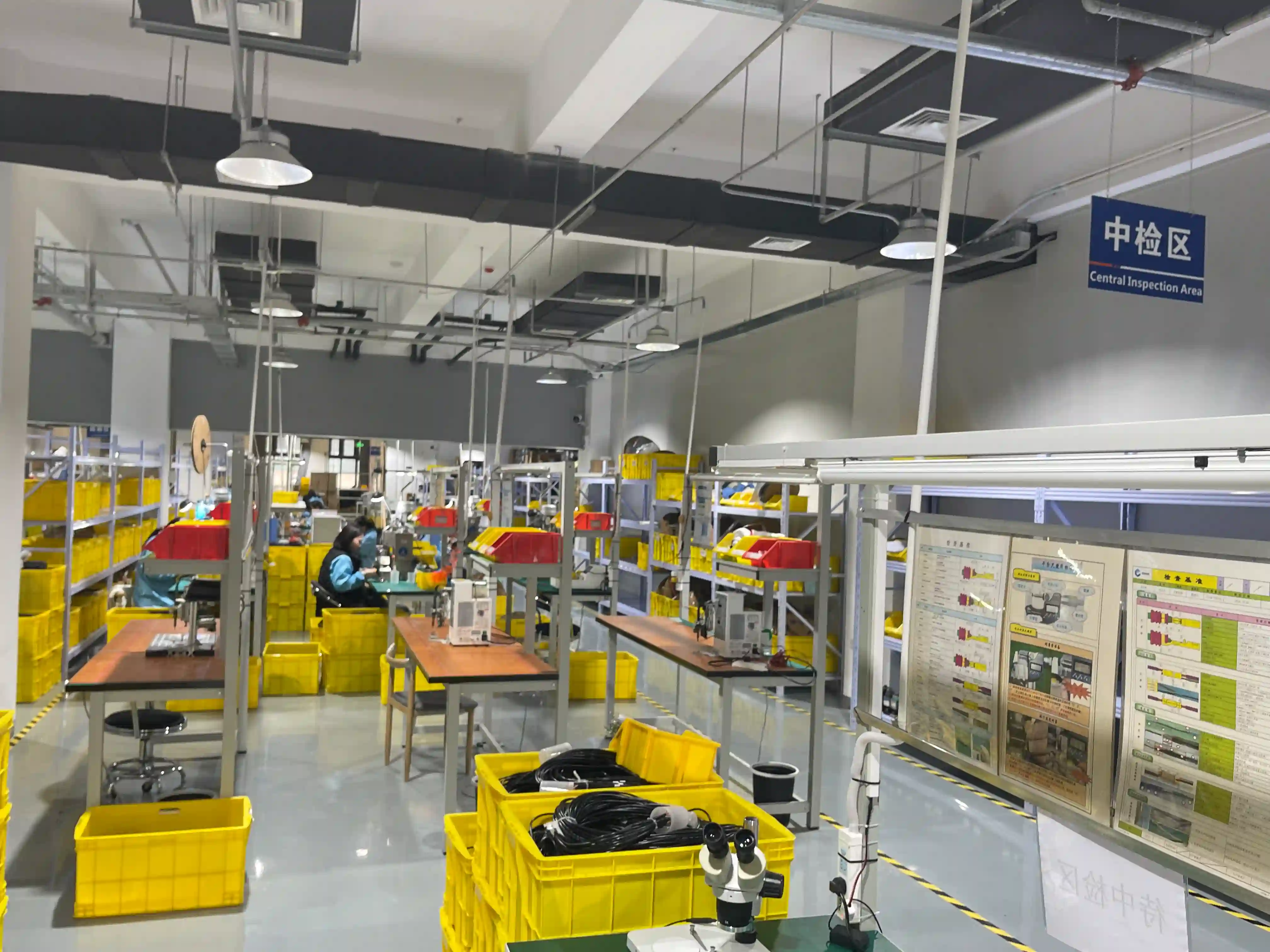
Trained inspectors check connector seating, terminal lock engagement, wire dress, branch breakout, heat-shrink coverage, label accuracy, and jacket damage. Visual inspection catches assembly defects that automated electrical tests cannot see.
- Connector latch verification
- Terminal retention review
- Label and revision check
- Class 2 standard, Class 3 available
Functional and Customer-Specific Test Fixtures
When a harness interfaces with sensors, relays, control boxes, or battery modules, we can build a customer-specific fixture that checks more than continuity. Fixture scope is defined during drawing review so the quote reflects the actual test burden.
- Custom fixture planning
- Sensor and load simulation options
- Customer test plan support
- Fixture validation before production
Testing Scope, Limits, and Buyer Inputs
These specifications are drawn from existing WellPCB wire harness production capabilities and are used to define the quotation boundary.
| Supported Products | Wire harnesses, cable assemblies, battery cables, overmolded cables, and box-build harness sets |
| Electrical Test Coverage | Continuity, shorts, opens, polarity, resistance, hipot, and insulation resistance where specified |
| Workmanship Reference | IPC/WHMA-A-620 Class 2 standard; Class 3 available for critical programs |
| Wire Gauge Range | 30 AWG to 4/0 AWG, based on existing factory production capability |
| Conductor Count | Single-conductor leads through 240+ conductor harness assemblies |
| Test Documentation | Pass/fail report, lot traveler, inspection checklist, and unit-level records when required |
| Prototype Timing | 7-10 business day sample builds when components and tooling are available |
| Production Range | 1-piece validation builds through recurring production lots and 100K+ monthly programs |
| File Inputs | PDF drawing, pinout table, BOM, test specification, sample harness, or customer control plan |
| Out of Scope | We do not certify third-party products, repair field returns as a lab service, or write safety standards for your end product |
Practical selection rule
If a harness has fewer than 10 circuits, low voltage, and non-critical use, continuity and visual inspection may be enough. If the harness carries safety-related power, uses sealed connectors, includes more than 40 circuits, or ships into automotive, medical, robotics, or outdoor equipment, add insulation resistance, selected hipot, crimp audits, and formal records.
How the Test Plan Moves From Drawing to Shipment
A wire harness test plan works only when it is defined before production. We lock the test fixture, acceptance limits, and document package before the lot begins.
Drawing and Test Requirement Review
We review the harness drawing, pinout table, BOM, revision level, and any customer test plan. Missing pass/fail limits are flagged before quoting so the production floor does not guess.
Test Matrix and Fixture Planning
Engineering maps each circuit to the required test method: continuity only, continuity plus resistance, hipot, insulation resistance, pull-force audit, or functional fixture testing.
First Article and Setup Validation
The first build verifies wire routing, connector orientation, terminal retention, label placement, and electrical test fixture setup before a full lot is released.
In-Process Inspection
Operators check cut length, strip length, crimp height, terminal lock, and branch routing during production. Defects are contained before they become finished harness inventory.
100% Final Electrical Test
Every completed harness is tested against the approved setup. Failed units are isolated, corrected under controlled rework, and retested before packaging.
Documentation and Release
Finished lots ship with agreed documentation: test summary, certificate of conformance, inspection checklist, lot traceability, or unit-level records for regulated programs.
Hommer Zhao on Test Planning
"The expensive testing mistake is not under-testing or over-testing. It is undefined testing. If the drawing says '100% test' but does not define pins, voltage, dwell time, resistance limit, and record format, the factory and customer are not measuring the same thing."
Hommer Zhao
Founder & Technical Director, WellPCB
Applications Where Testing Pays for Itself
Testing intensity should match the cost of failure. A desk accessory and an EV battery harness should not use the same inspection plan.
Automotive and EV Harnesses
IATF 16949 programs use testing to prevent pinout errors, crimp escapes, and dielectric failures in battery, sensor, ADAS, and vehicle-control harnesses.
View related applicationMedical Device Cable Assemblies
Medical equipment harnesses often need documented continuity, insulation, and workmanship checks because failures can affect diagnostic uptime or patient monitoring accuracy.
View related applicationIndustrial Automation Systems
PLC, servo, robotics, and control cabinet harnesses benefit from 100% pinout testing because a single swapped conductor can stop a commissioning schedule.
View related applicationWaterproof and Outdoor Cable Assemblies
Sealed harnesses can add insulation resistance, hipot, and post-seal visual inspection to catch moisture paths before field installation.
View related applicationReference Standards and Stable Public Resources
We avoid linking to standards storefronts that block crawlers. These stable references explain the organizations and concepts behind the test plan language.
IPC and Cable Assembly Workmanship
IPC is the electronics industry association behind widely used acceptability standards for cable and wire harness workmanship.
Open referenceDielectric Withstand Testing
Dielectric withstand testing explains why hipot checks are used to verify insulation strength in electrical products.
Open referenceCable Harness Terminology
A cable harness is a routed assembly of wires, terminals, connectors, and protective coverings used to transmit power or signals.
Open referenceWire Harness Testing Service FAQ
Answers for buyers planning inspection scope, documentation, lead time, and acceptance criteria.
Related Wire Harness Services
Testing is most effective when it is connected to the build process, documentation package, and production release plan.
Factory Wiring Harness
Production builds with fixture-board assembly, automated crimping, and 100% electrical test records.
Learn morePrototype Wire Harness
Validate test points, pinouts, and first-article criteria before releasing a production harness.
Learn moreWaterproof Wire Harness
Sealed assemblies where insulation resistance and dielectric testing help verify environmental protection.
Learn moreOEM Cable Assembly
Contract production programs that need revision control, recurring releases, and formal inspection records.
Learn more