Cable Assembly

Micro Coaxial Cable Assembly Custom Manufacturing Services

Precision micro coaxial cable assemblies for compact cameras, medical imaging, miniature antennas, and high-density electronic systems. Fine-pitch termination, controlled routing, and 100% electrical verification from prototype builds to volume production.

Micro coaxial cable assembly for compact medical and electronic systems
Min Cable OD0.2 mm
Fine ConductorsAWG 50
Tested100%
Prototype Lead7 Days

Application Context

What is a micro coaxial cable assembly?

A micro coaxial cable assembly uses a much smaller overall diameter and finer conductors than a standard coaxial build, so it fits inside miniature products such as camera modules, medical probes, wearable electronics, and compact wireless devices. The tradeoff is tighter process control during stripping, termination, and routing — delicate dielectric layers, thin shields, and very short strip dimensions leave little room for process drift. We terminate ultra-small constructions from roughly 0.2 mm to 1.37 mm cable OD, using microscope-assisted setup and fixtures suited to each cable size.

Assemblies support miniature RF and board connectors including U.FL, I-PEX MHF, MMCX, MCX, SMA transition leads, and custom board-side terminations for compact modules and embedded systems. We build single leads, bundled micro coax harnesses, and matched-length sets for camera arrays and multi-channel electronics, and verify every assembly with continuity, insulation resistance, and application-appropriate RF checks. For larger RF paths and broader connector families see our coaxial cable assembly service, and for display and imaging links that need 100 ohm pair review our LVDS cable assembly is often the closer fit.

Capabilities

Micro Coaxial Assembly Capabilities

Built for miniature form factors where signal integrity, routing control, and reliable termination all matter at once

Fine-Pitch Micro Coax Termination

We terminate ultra-small coaxial constructions used in compact electronics, wearable devices, and dense board-level interconnects. Process controls are tuned for delicate dielectric layers, thin shields, and short strip dimensions.

  • 0.2 mm to 1.37 mm cable OD
  • Short strip-length control
  • Microscope-assisted setup

Board-Level RF Connector Integration

Assemblies support miniature RF and board connectors including U.FL, I-PEX MHF, MMCX, MCX, SMA transition leads, and custom board-side terminations for compact modules and embedded systems.

  • U.FL, I-PEX, MMCX, MCX
  • Board-to-antenna links
  • Custom breakout options

Multi-Micro-Coax Harnesses

We build bundled micro coax harnesses for camera arrays, phased modules, sensor clusters, and diagnostic probes where multiple signal paths must fit through extremely tight mechanical envelopes.

  • Bundled coax routing
  • Matched lengths available
  • Labeling and breakout control

Dynamic Flex Routing

For hinged displays, moving optics, and portable electronics, we select cable constructions and strain-relief methods that protect signal stability across repeated flexing and tight bend paths.

  • Small bend-radius design
  • Strain-relief options
  • Motion-cycle aware builds

Impedance & Loss Verification

Assemblies are verified with continuity, insulation resistance, and application-appropriate RF checks. For critical programs we add insertion-loss, return-loss, and matched-length validation.

  • 50 Ohm / 75 Ohm support
  • Continuity and IR testing
  • Insertion-loss verification

Clean Handling for Sensitive Systems

Micro coax assemblies for medical, aerospace, and compact consumer devices are processed with disciplined handling, microscope inspection, and packaging methods that protect small connectors and fragile cable geometries.

  • Microscope inspection
  • Connector cap protection
  • Traceable lot control

Engineering Challenges

What we review before production

01

Micro-Termination Control

Building process windows around small-diameter dielectric and shield structures so strip lengths, conductor exposure, and connector fit stay repeatable from first article through volume production.

02

Impedance & Signal Integrity

Confirming 50 Ohm / 75 Ohm targets and the right verification depth — insertion-loss, return-loss, and matched-length checks — for the frequency range and path length your system needs.

03

Mechanical Routing & Flex

Reviewing bend path, connector exit direction, retention strategy, and strain relief so assemblies fit compact products and survive repeated flexing without degrading signal performance.

04

Handling & Inspection

Planning microscope inspection, connector cap protection, and traceable lot control to catch nicked shields, dielectric damage, and connector seating defects before release.

Technical Capabilities

Technical Specifications

Complete micro coaxial cable assembly specifications across cable sizes, connector families, and verification methods.

Cable Outer Diameter0.2 mm to 1.37 mm typical
Conductor RangeAWG 36 to AWG 50 equivalent
Impedance Options50 Ohm, 75 Ohm, custom by application
Connector FamiliesU.FL, I-PEX MHF, MMCX, MCX, SMA transition, custom board terminations
Assembly Length20 mm to 5 m+ depending on cable type
Shielding ConstructionMicro braid, served shield, foil variants by cable design
Minimum Bend RadiusApplication-specific, typically 5x OD static
Operating Temperature-40 C to +105 C standard, higher with special materials
Routing OptionsSingle lead, bundled harness, breakout, matched-length sets
Termination MethodsCrimp, solder, micro mechanical attachment, custom fixtures
Quality TestingContinuity, insulation resistance, pull check, insertion loss as required
ComplianceIPC/WHMA-A-620, RoHS, REACH, program-specific documentation
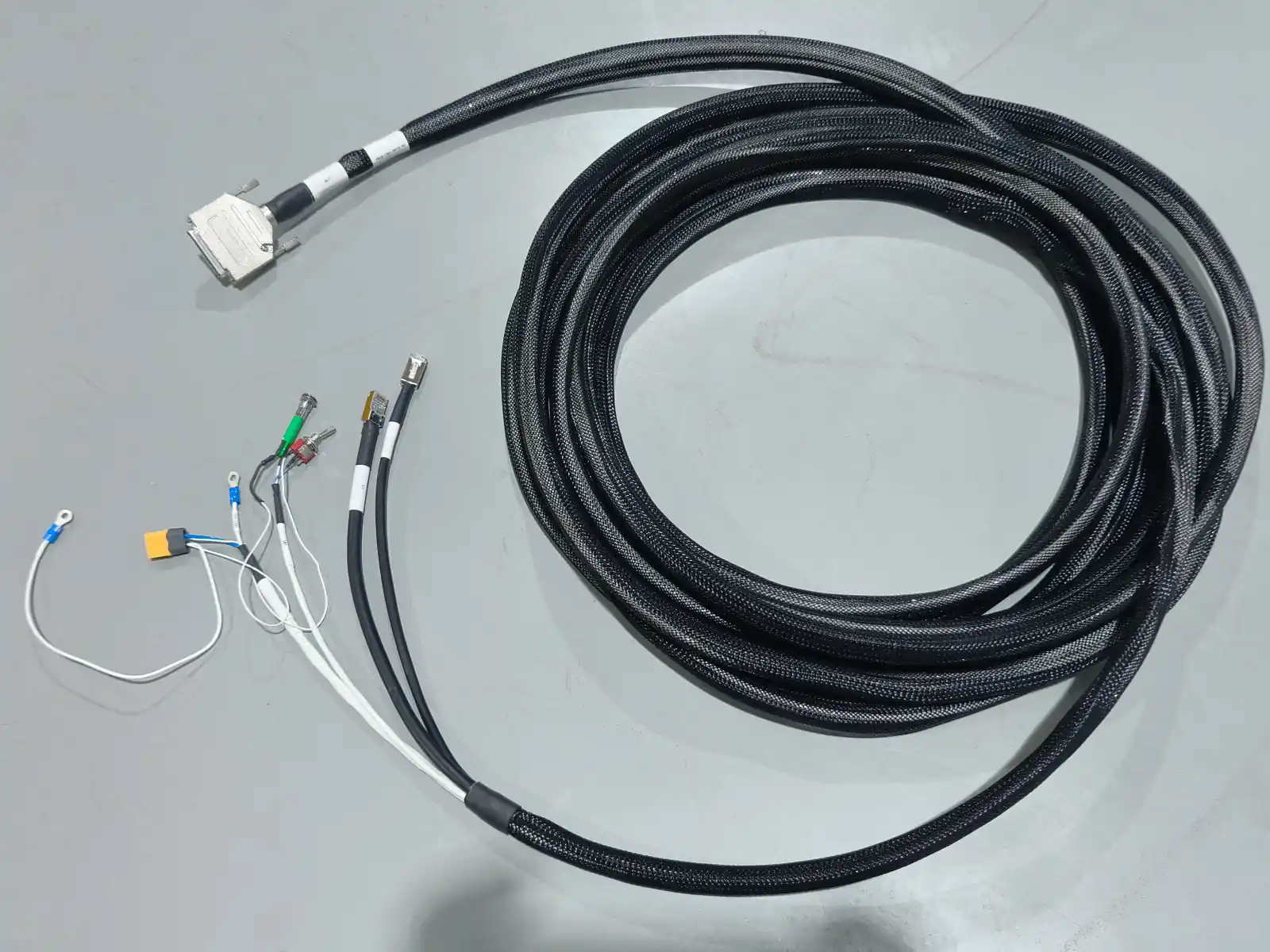
Electrical testing for micro coaxial cable assemblies

Manufacturing Process

Our micro coax assembly process

01Design Review & Routing Analysis
02Connector & Cable Qualification
03Micro-Termination Setup
04Assembly Under Magnification
05Electrical Verification
06Protected Packaging & Delivery

Quality & Testing

Verification for every micro coax assembly

Every assembly receives continuity and insulation-resistance checks as standard, with insertion-loss, return-loss, or matched-length validation added where the application requires it. Critical termination and inspection stages are completed under magnification to confirm connector seating, dielectric integrity, and shield condition before release.

Continuity TestInsulation ResistanceMicroscope InspectionInsertion LossReturn LossMatched-Length CheckPull TestLot TraceabilityTest Report

Why WHP

Why Engineers Choose Us for Micro Coax

Manufacturing discipline for miniature cable systems that leave little room for process drift

Micro-Termination Process Control

We build process windows around small-diameter dielectric and shield structures so strip lengths, conductor exposure, and connector fit stay repeatable from first article through volume production.

Microscope-Based Inspection

Critical termination steps and final workmanship checks are completed under magnification to catch nicked shields, dielectric damage, poor center-conductor prep, and connector seating defects.

Mechanical Routing Experience

Our team reviews bend path, connector exit direction, retention strategy, and cable stack-up so assemblies fit inside compact products without over-stressing the coax or degrading signal performance.

Program-Specific Testing Depth

Simple continuity is not enough for every micro coax project. We tailor validation to your program with insertion-loss checks, matched-length verification, pull testing, and visual documentation when required.

Prototype-to-Production Support

We help engineering teams move from low-volume development builds into repeatable production by locking in fixtures, work instructions, and inspection criteria early in the program.

Responsive Supply Chain Coordination

We source miniature connectors, micro coax cable, and specialty accessories through approved channels while maintaining traceability for medical, industrial, and performance-critical programs.

Micro coax standards & compliance

Micro coaxial assemblies built and documented to the workmanship and compliance standards signal-sensitive programs require.

IPC/WHMA-A-620Workmanship
RoHS / REACHCompliance
ISO 9001Quality System
ISO 9001:2015 Certificate

FAQ

Frequently Asked Questions

What is the difference between standard coaxial cable and micro coaxial cable?
Micro coaxial cable uses a much smaller overall diameter and finer conductors so it can fit inside miniature products such as camera modules, medical probes, wearable electronics, and compact wireless devices. The tradeoff is tighter process control during stripping, termination, and routing.
Which connector types do you support for micro coax assemblies?
We regularly support U.FL, I-PEX MHF variants, MMCX, MCX, SMA transition leads, and custom board-side terminations. Connector selection depends on insertion cycle requirements, available board space, and the mechanical path inside your product.
Can you build matched-length or bundled micro coax harnesses?
Yes. We manufacture single leads, bundled micro coax harnesses, and matched-length sets for camera arrays, compact antenna systems, and multi-channel electronics where path consistency matters across several signal lines.
How do you prevent damage during micro coax termination?
We control strip dimensions carefully, use fixtures suited to each cable size, inspect under magnification, and verify the finished termination before release. That process helps avoid shield fraying, dielectric damage, poor center-conductor preparation, and connector seating issues.
Do you test insertion loss and signal performance?
Yes, when the application needs more than continuity verification. We can add insertion-loss, return-loss, and matched-length checks based on your frequency range, path length, and system-level performance requirements.
What is your minimum order quantity for micro coaxial cable assemblies?
Prototype builds can start from very low quantities for engineering validation, while production orders scale into repeat programs once the cable path, connector selection, and inspection criteria are locked down.

OEM Program Entry

Need a Reliable Micro Coax Assembly Partner?

Send your drawing, connector callout, or routing challenge and our team will review the best cable and termination approach for your design.

We will review

  • 01Design Feasibility
  • 02Component Availability
  • 03Cost Drivers
  • 04Validation Requirements

Related Capabilities

Related Services

Adjacent interconnect options for products that mix miniature RF, board-level leads, and dense signal routing.

Industries

Industries & Applications

Micro coaxial assemblies engineered for devices where every millimeter of space and every decibel of signal margin matters

Medical Imaging & Endoscopy

Miniature coax assemblies for endoscopic systems, ultrasound probes, handheld imaging tools, and diagnostic modules where tight routing, low noise, and reliable shielding are essential.

Camera Modules & Machine Vision

Micro coax harnesses for compact cameras, embedded vision modules, and inspection systems that need stable signal paths inside constrained housings and moving assemblies.

Wireless Modules & Antenna Leads

Board-to-antenna assemblies for LTE, GNSS, Wi-Fi, Bluetooth, and custom RF devices using miniature connectors and carefully managed cable routing inside compact enclosures.

Aerospace, Defense & Portable Systems

Lightweight micro coax assemblies for compact radios, portable sensing equipment, and rugged electronic modules where space, weight, and connector retention all matter.

Test Probes & Instrumentation

Fine-pitch coax jumpers and probe leads for lab instruments, miniature fixtures, and high-density electronics test systems that require repeatable electrical performance.

Consumer Electronics & Wearables

Compact coaxial assemblies for AR/VR devices, foldable products, docking systems, and wearable electronics where low profile, mechanical reliability, and assembly consistency are critical.

Representative Project

Representative project type (illustrative)

Representative project type we handle, shown for illustration. Not a specific named customer.

Scenario

A buyer brings a Micro Coaxial Cable Assembly program where impedance and signal integrity must be held tightly across every unit.

Challenge

Signal-sensitive assemblies can fail in production when the cable target, test method, and acceptance record are not aligned before release — a specification-versus-test mismatch, not a simple operator error.

Solution

We align the cable specification, test method, and acceptance record up front, qualify samples against that agreed method, and lock the release record before volume build.

Result

Defining the target, test method, and acceptance criteria before release keeps signal-sensitive programs out of the costly rework loop that a late spec/test mismatch creates.

What we lock before volume build

  • Specification and test method aligned before release
  • Samples qualified against the agreed test method
  • Acceptance record locked before volume build