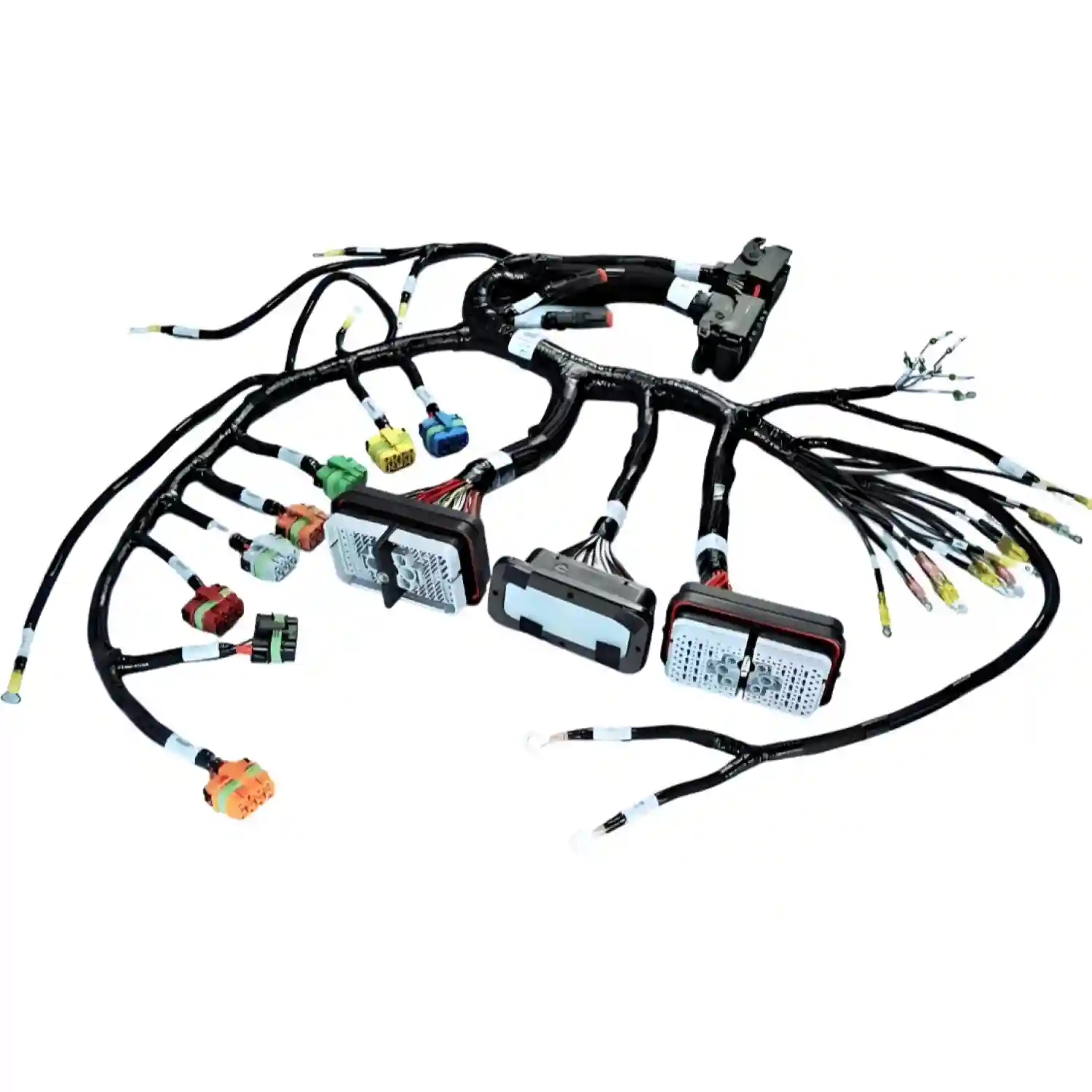
Cable Assembly

Automotive Wire Harness Clips

Automotive harness failures often start with routing hardware, not conductors. If clip pitch, panel retention, edge fixation, or branch breakout is wrong, the harness rubs, loosens, rattles, or fails during vehicle life. We support clip-ready automotive harness builds with retention review, route-risk checks, approved hardware planning, and production documentation aligned before quote.

Automotive wire harness clips and routing retention hardware
Vehicle PlatformsEV / ICE
Electrical Testing100%
Sample Target7-10 Day
Automotive DisciplineIATF

Application Context

Retention hardware, planned as part of the assembly

Commercial harness supply for OEM, Tier 1, and specialty vehicle teams that need retention hardware planned as part of the assembly, not added as an afterthought.

Clip position affects more than retention. It changes bend radius, branch breakout stress, connector loading, and rub risk around brackets or body edges. We help buyers define routing control before sampling instead of discovering wear after installation trials.

Capabilities

Automotive Harness Clip Support That Solves Routing Risk

Buyers do not need generic clips. They need the right retention strategy tied to the actual harness path, mounting surface, and service environment.

Clip-Ready Harness Builds for Vehicle Installation

We support automotive harness assemblies that ship with the right clip, clamp, grommet, sleeve, and breakout placement already defined, so installation teams are not improvising retention on the line or in field service.

  • Harness and retention hardware reviewed together
  • Branch exits planned around mounting points
  • Installation-ready labeling and packout

Retention Review Before Quote

A drawing that only shows wire lengths is not enough. We review hole size, panel thickness, edge geometry, insertion direction, service removal needs, and vibration exposure before quote so the approved clip strategy matches the real vehicle package.

  • Fir-tree, edge, saddle, and push-mount review
  • Panel, bracket, and sheet-metal fit checks
  • Missing mounting details flagged early

Abrasion, Slack, and Branch Control

Clip position affects more than retention. It changes bend radius, branch breakout stress, connector loading, and rub risk around brackets or body edges. We help buyers define routing control before sampling instead of discovering wear after installation trials.

  • Abrasion-risk review around clips and edges
  • Slack and branch breakout planning
  • Conduit, tape, and sleeve alignment with clip points

Automotive Change Control for Repeating Programs

Once the routing hardware is approved, we lock clip part references, insertion sequence, work instructions, and inspection checkpoints so repeat orders stay aligned with the released version instead of drifting across lots.

  • Approved clip and retainer control
  • Revision-locked work instructions
  • Inspection criteria tied to retention points

Programs

Typical Programs for Automotive Wire Harness Clips

01

Passenger Vehicle Interior and Body Harnesses

Retention planning for dashboard, door, seat, roof, trunk, and body-side harnesses where clip position, anti-rattle control, and serviceability affect assembly quality and field repair time.

02

EV Battery, Charger, and Auxiliary Harnesses

Routing support for low-voltage battery interface, charger, coolant-sensor, and auxiliary harnesses where branch stability, edge protection, and vibration resistance matter in tightly packaged spaces.

03

Truck, Bus, and Off-Highway Vehicle Harnesses

Harness assemblies for heavier-duty platforms that need stronger retention, longer branch runs, and better control around frame members, brackets, and high-vibration zones.

04

Telematics, ADAS, and Sensor Subassemblies

Clip-managed harnesses for camera, radar-adjacent, telematics, and sensor wiring where packaging space is tight and connector strain from poor routing can cause intermittent faults.

Technical Capabilities

Program Scope Buyers Usually Define

Clip StylesFir-tree, edge clip, push-mount, saddle, clamp, and customer-specified retainers
Harness TypesSignal, power, mixed branch, conduit-wrapped, and tape-wrapped automotive harnesses
RFQ InputsDrawing, clip reference, hole or edge detail, branch map, BOM, and vehicle environment
Review FocusRetention fit, route path, abrasion risk, service access, and branch stability
Sample Lead TimeTypically 7-10 business days after technical review and parts confirmation
Production Lead TimeUsually 3-5 weeks depending on hardware sourcing, volume, and validation stage
Testing100% continuity plus retention and workmanship checks aligned to program risk
Protection OptionsTape wrap, corrugated conduit, braid, sleeve, heat shrink, and grommet integration
DocumentationDFM feedback, sample records, outgoing inspection data, and revision-controlled build files
Quality SystemAutomotive process discipline with ISO 9001 and IATF-aligned supply support by program
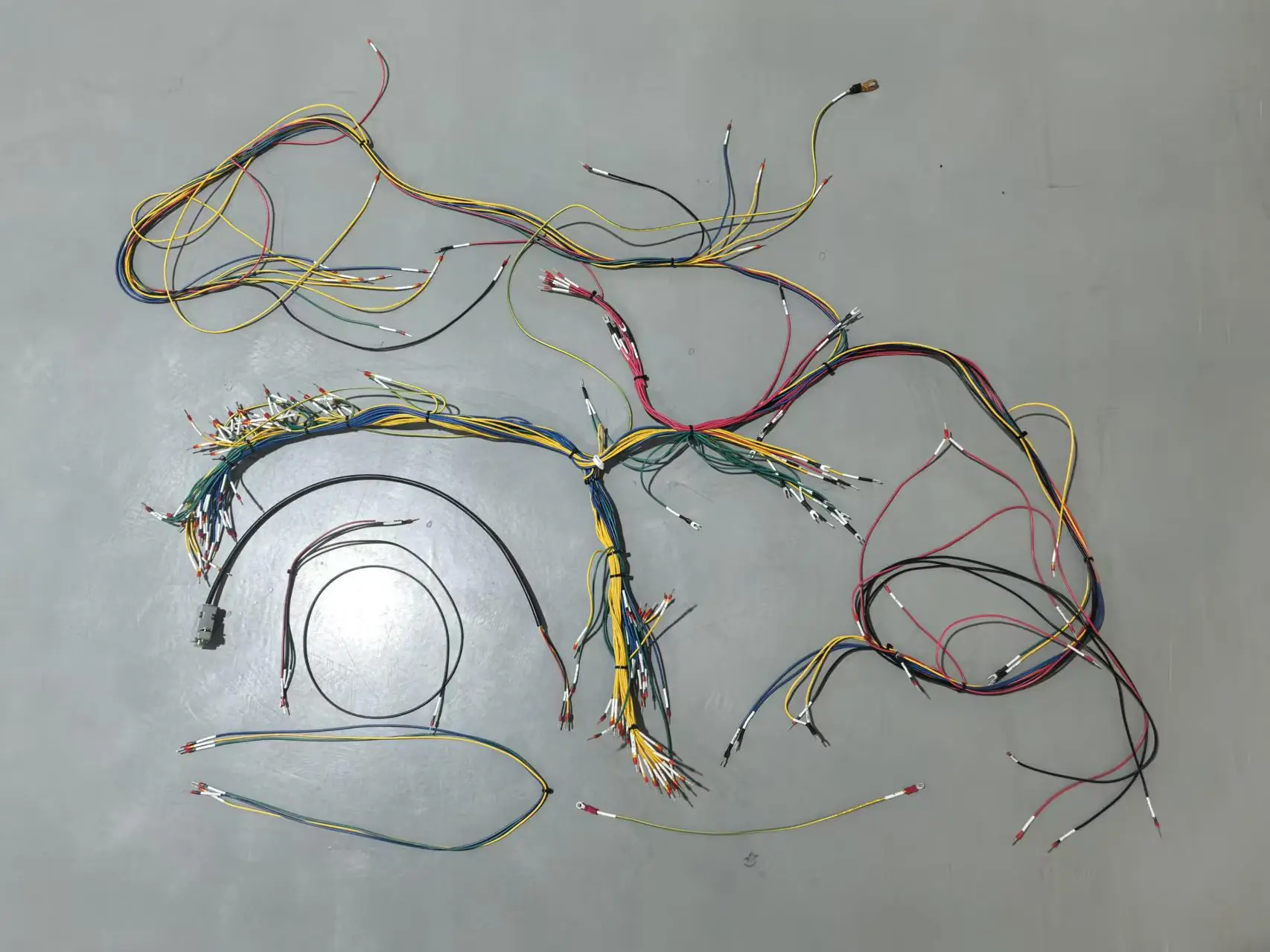
Automotive wire harness clips and routing hardware

Manufacturing Process

A controlled build, drawing to shipment

01Drawing / BOM Review
02Connector Sourcing
03Cutting & Stripping
04Crimping / Assembly
05In-process Inspection
06Electrical Test
07Final Inspection
08Packaging & Export

Quality & Testing

Documentation and testing for buyer review

Every clip-managed harness gets 100% continuity plus retention and workmanship checks aligned to program risk, with DFM feedback, sample records, and outgoing inspection data documented under automotive process discipline before it ships.

Material ApprovalProcess ControlCrimp Pull-ForceContinuity TestRetention CheckWorkmanship InspectionFinal InspectionLot TraceabilityCorrective Action

Why WHP

Why Buyers Source Clip-Managed Harnesses From WellPCB

The cost of a wrong clip strategy is not the clip itself. It is the installation delay, field rattle, abrasion failure, or redesign loop it creates later.

We Review Routing Hardware, Not Just Wire Lists

Many suppliers quote the conductors and ignore the retention geometry. We review clip selection, hole or edge engagement, branch breakout, and service access before quote so the harness is engineered for installation, not just assembled to length.

Commercially Useful RFQ Feedback

Procurement teams need a clear answer on what is missing, what is risky, and what drives lead time. We highlight clip-reference gaps, mounting uncertainties, and routing assumptions early so buyers can correct the package before sample approval slips.

Automotive Change Control After Approval

Once the clip and harness configuration is released, we lock the approved hardware, insertion logic, branch sequence, and inspection requirements so repeat orders stay tied to the validated version.

One Partner for Harness and Retention Integration

Buyers often lose time when clips, wraps, conduit, and harness assembly are treated as separate sourcing tasks. We help integrate those decisions into one manufacturable release package that is easier to quote, sample, and repeat.

Quality system alignment

Automotive process discipline with ISO 9001 and IATF-aligned supply support by program.

ISO 9001Quality System
IATF-alignedAutomotive Discipline

FAQ

Buyer Questions Before RFQ

What should I send for an accurate automotive wire harness clip quote?
Send the harness drawing, branch map, clip part number if known, mounting-hole or edge details, target quantity, and the installation environment. Photos of the bracket or body panel also help if the drawing does not fully define the retention point.
Can you help if we know the harness but not the exact clip style yet?
Yes. If the RFQ includes the mounting geometry, service expectations, and vehicle environment, we can review likely retention approaches and identify what still needs to be confirmed before sampling.
Do you support truck and specialty vehicle harnesses as well as passenger automotive programs?
Yes. The same retention-planning workflow applies to passenger vehicles, trucks, buses, off-highway platforms, and specialty vehicles where vibration, route length, and bracket geometry often make clip choice more critical.

OEM Program Entry

Need a Quote for Automotive Wire Harness Clips?

Send the harness drawing, clip references, branch layout, mounting details, target quantity, and validation stage. We will review retention fit, routing risk, protection options, and sample timing before the next sourcing step.

We will review

  • 01Design Feasibility
  • 02Component Availability
  • 03Cost Drivers
  • 04Validation Requirements

Related Capabilities

Related cable solutions

Custom cable assembly and harness services that pair with automotive clip and routing programs.

Before You Quote

What to send, and what you get back

Clip and route review before quotationPrototype and production support for vehicle programsRetention, branch, and documentation control aligned before release

Send This With Your Clip RFQ

  • Harness drawing, branch map, BOM, and clip or retainer references if available
  • Hole size, panel thickness, edge detail, mounting orientation, and vehicle environment
  • Sample quantity, annual volume, validation stage, and any test or documentation requirements

What You Get Back

  • Retention and routing-risk feedback before quote
  • Quoted sample lead time, production lead time, and sourcing assumptions
  • Recommended protection, workmanship, and release-document scope

Representative Project

Representative project type (illustrative)

Representative project type we handle, shown for illustration. Not a specific named customer.

Automotive · Germany · 2025-Q3 → 2025-Q4

Scenario: A German Tier-1 automotive supplier initiated contact seeking a global wire harness manufacturing partner, requiring rapid qualification across multiple regions.

Challenge: The customer needed quick validation of manufacturing capabilities, compliance (NDA, supplier code of conduct), and global coordination to issue multiple RFQs across North America, Europe, India, and South America within weeks.

Solution: Provided comprehensive company presentations, ISO/IATF certifications, and virtual reality factory tours of China and Philippines facilities. Swiftly executed NDAs and supplier codes of conduct, coordinating directly with the global lead buyer and regional buying teams.

Result: Successfully onboarded within two weeks, receiving at least 9 RFQs/RFIs across four global regions within the first four months of engagement.

  • 2 factory locations (China, Philippines)
  • 9+ RFQs/RFIs received in 4 months
  • Onboarding completed in <14 days
  • ISO/IATF certifications provided

References

Relevant Standards and Reference Bodies

These references help buyers align harness routing, strain relief, and automotive quality-system expectations before supplier approval.