Sealed Deutsch Connector Harness Manufacturing

Deutsch Connector Cable AssemblyFor Harsh-Service Harnesses

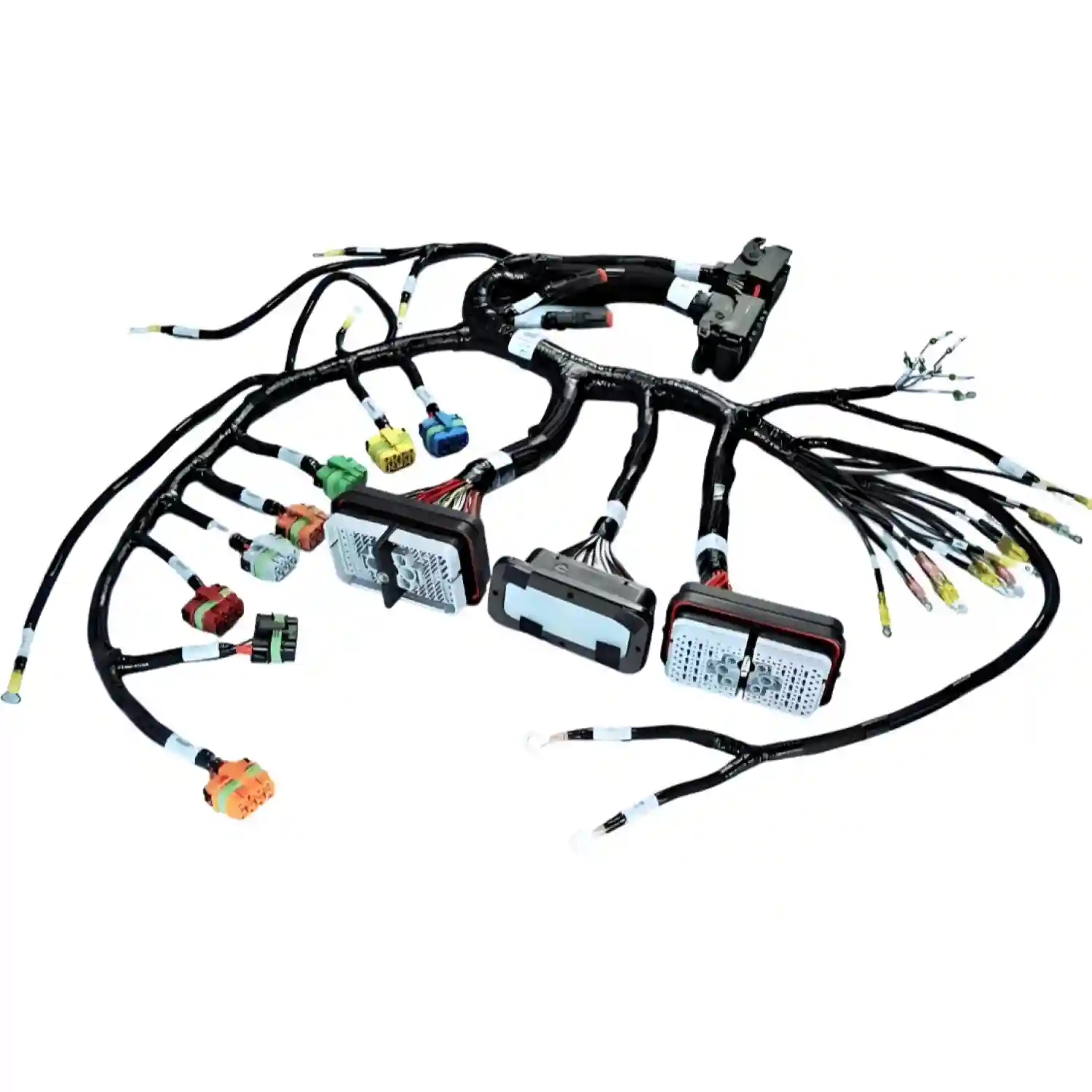
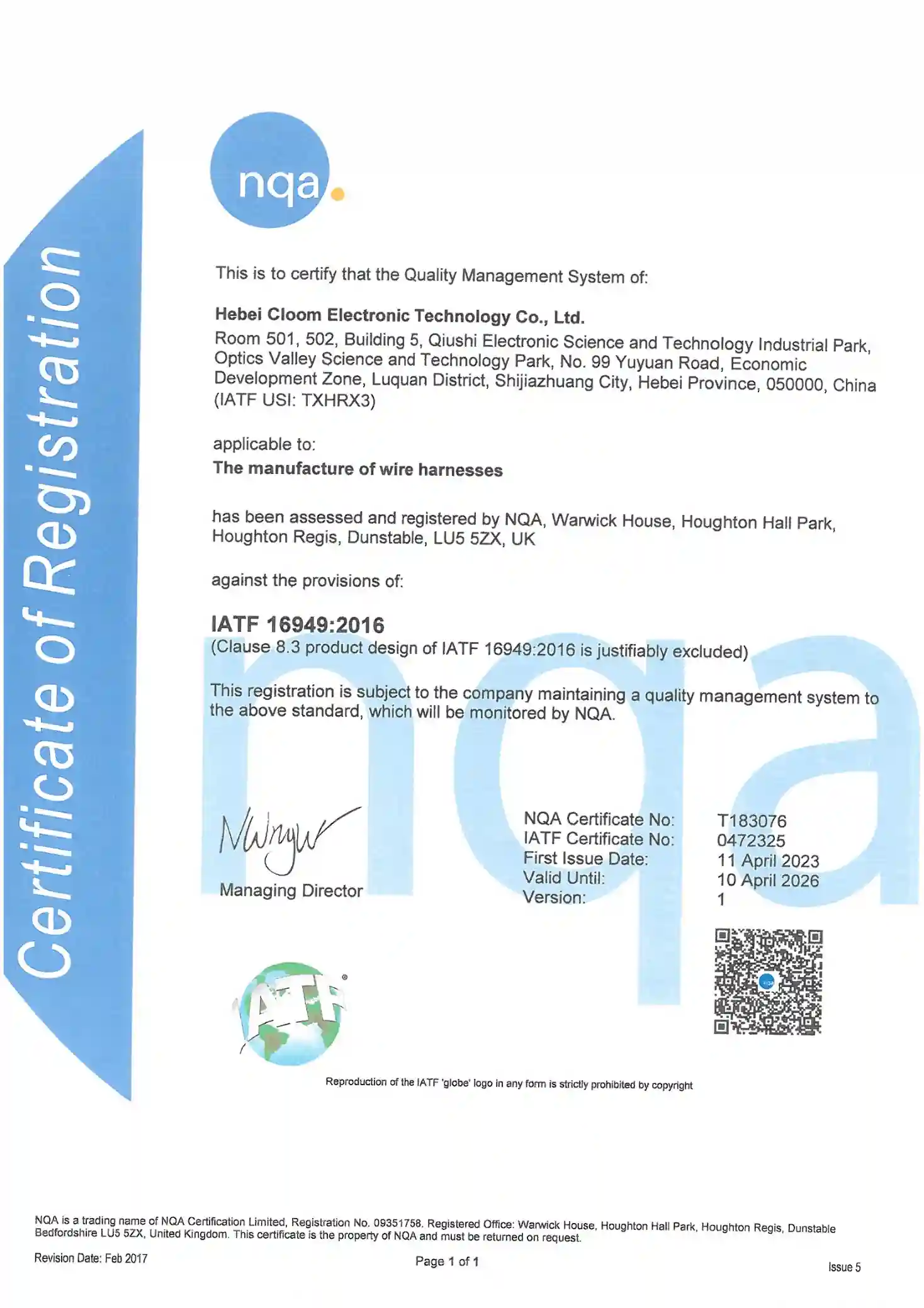
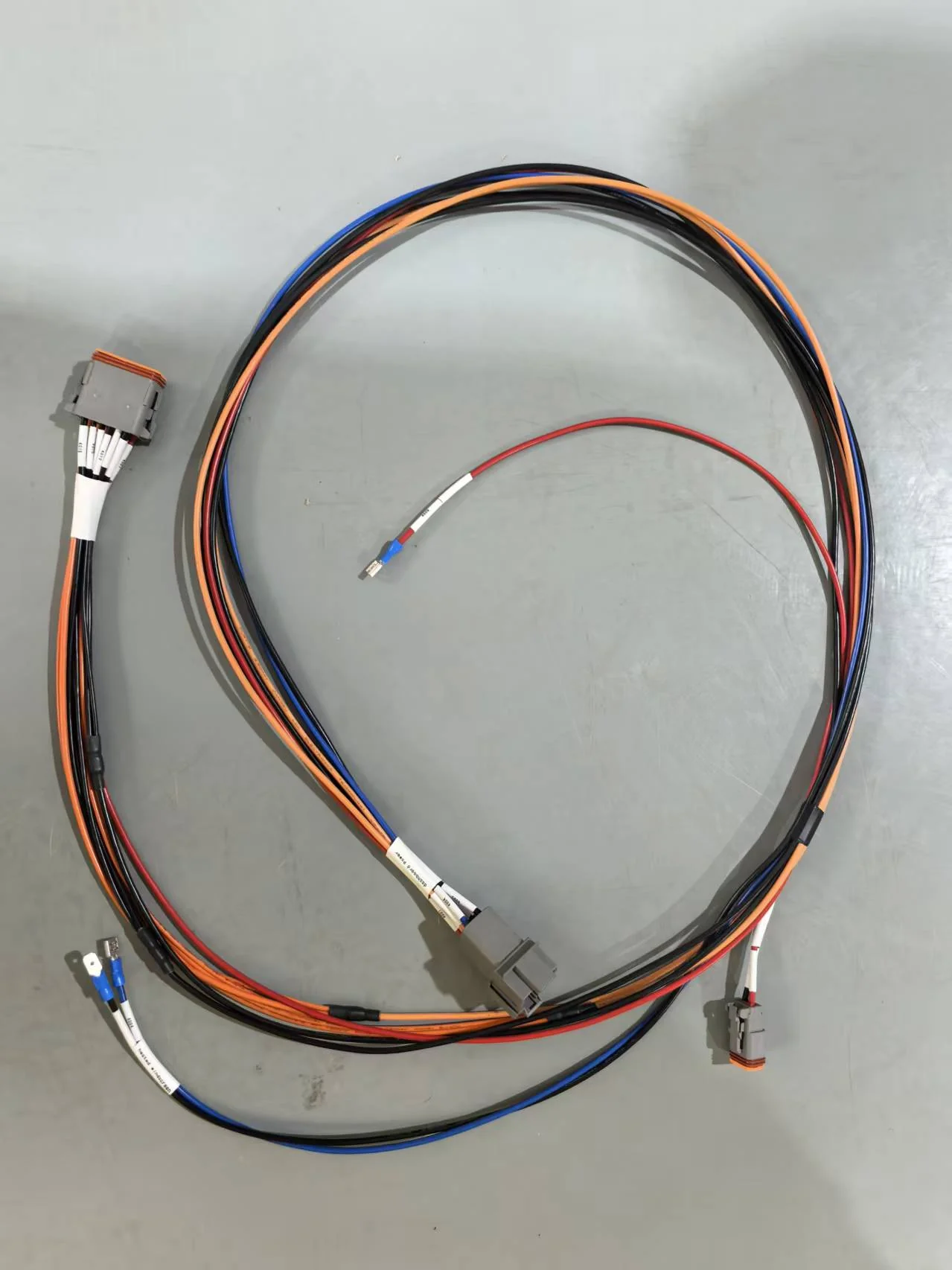
A Deutsch connector cable assembly is a sealed wire harness built around DT, DTM, DTP, HDP20, HD30, or related connector families for vibration, splash, dust, and field-service exposure. We review the housing, wedgelock, contacts, wire seals, cavity plugs, crimp tooling, and test plan before quote so a Tier-1 buyer can compare suppliers on real production risk, not only unit price. Typical RFQ reviews cover 7-10 day prototype targets, 100% continuity testing, IPC-A-620 workmanship, UL-758 material expectations, and IATF 16949-style revision control when the harness is used in vehicle programs.

7-10 day prototype target100% continuity and pinout test planIPC-A-620 / UL-758 / IATF 16949 review
DT/DTM/DTP
Common families
7-10 days
Prototype target
100%
Electrical test plan
IATF
16949 review ready

TL;DR

  • Deutsch assemblies fit sealed vehicle, marine, outdoor, and heavy-equipment harnesses.
  • Send connector part numbers, wire gauges, pinout, seal target, quantity, and test scope.
  • We control wedgelocks, contacts, cavity plugs, labels, crimp evidence, and final electrical test.
  • Prototype pricing and lead time depend mostly on connector availability and tooling status.

Deutsch Connector Build Controls

Sealed connector programs fail when small accessories, tooling assumptions, or inspection rules are left vague.

Complete connector kit review

A Deutsch connector kit is a controlled set of housings, contacts, wedgelocks, seals, backshells, and cavity plugs. We check the full kit before quotation so missing accessories do not delay sampling or force unauthorized substitutions.

DT, DTM, DTP, HDP20, HD30 support
Cavity plug and seal review
Approved alternates only

Crimp and seal process control

A sealed wire-to-wire connector is a connector system that protects each conductor interface from moisture and debris. We match terminal, wire gauge, insulation OD, crimp height, pull-test expectation, and seal compression before release.

IPC-A-620 workmanship basis
Pull-force checks when specified
Wire seal and insulation OD match

Harness routing and strain relief

Strain relief is the mechanical support that keeps vibration and cable movement from loading the crimp or seal. We review branch exits, clip points, backshells, conduit, heat shrink, and bend radius for vehicle and equipment harnesses.

Branch breakout planning
Sleeve, conduit, and heat shrink options
Label and service-loop control

Evidence package for release

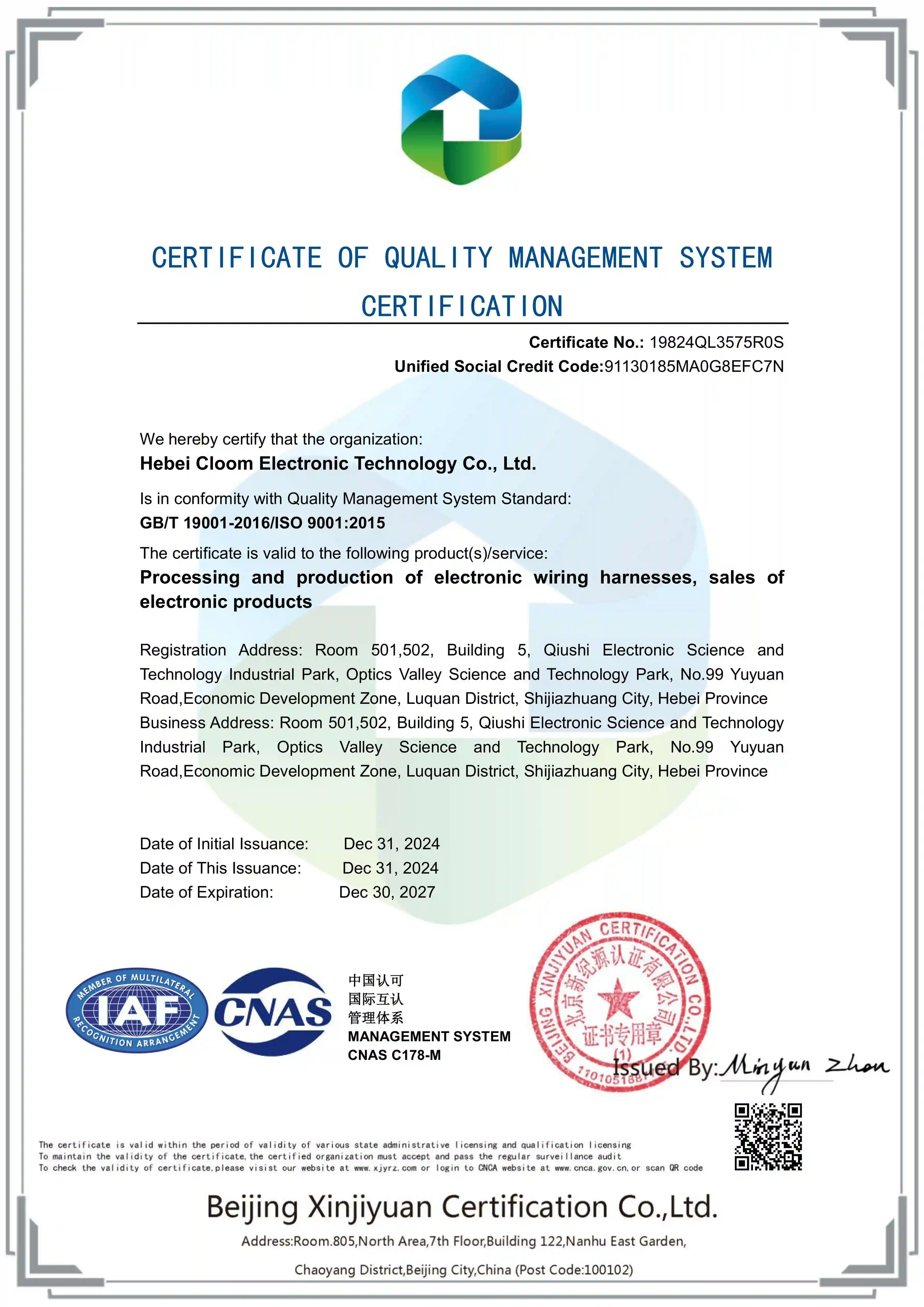
An IP-rated cable assembly is a harness designed and tested around a defined ingress-protection target. For buyer review, we can align documentation with IPC-A-620 workmanship, UL-758 material context, ISO 9001 process control, and IATF 16949-style change discipline.

Continuity and polarity records
Hipot or IR when specified
FAI and revision-control support
Real Project Snapshot

An anonymized example from our case bank that mirrors how this scope gets executed in production.

Industry

earthmoving-equipment

Region

Australia

Year

2023 → 2024

Scenario

An Australian heavy machinery manufacturer requested quotes for multiple custom wire harness models but provided incomplete technical drawings at the initial inquiry stage.

Challenge

Missing critical specifications, including relay models, Deutsch connector models, and Hammond enclosure details, prevented accurate quoting and risked production errors for the 200-piece batch.

Solution

We implemented an engineering-to-engineering clarification process, compiling a detailed technical checklist to guide the client's internal engineering team to provide the missing specs, ensuring all requirements were locked down before sampling.

Result

Achieved full specification lock-down, enabling accurate quoting for 3 sample units and the 200-piece production run, preventing costly rework and material delays.

Concrete Numbers

3 sample units200-piece batch sizeDeutsch connectors specifiedHammond enclosures specified

Anonymized from a real project. Specific buyer identifiers withheld; numbers quoted verbatim from project records.

Where Deutsch Assemblies Fit

Deutsch connector harnesses are strongest where sealing, vibration resistance, and service replacement matter.

Heavy equipment harnesses

Excavators, loaders, agricultural machines, and construction equipment where mud, vibration, oil mist, and service repair access affect connector selection.

Automotive and specialty vehicles

Lighting, sensor, chassis, body, auxiliary power, and low-voltage EV branches where sealed mating interfaces and repeatable routing are required.

Marine and outdoor systems

Boat accessories, pumps, deck equipment, outdoor controls, and trailer wiring where splash, salt air, and corrosion risk must be reviewed before quote.

Industrial automation

Field sensors, actuators, skid wiring, mobile machinery, and exposed equipment harnesses that need ruggedized connector exits and 100% electrical test.

Agricultural electronics

GPS, CAN bus, sprayer, irrigation, lighting, and implement harnesses where field replacement and connector availability matter during peak seasons.

Prototype to production transfer

Programs moving from local sample builds to scheduled production while keeping the Deutsch connector family, pinout, labels, and test method unchanged.

Capability Table for Buyer Review

Connector familiesDT, DTM, DTP, HDP20, HD30, common sealed series
RFQ inputsDrawing, BOM, pinout, wire gauge, mating connector, quantity
Prototype target7-10 days when connector material is available
Production MOQSet by connector supply, tooling, and harness complexity
Wire rangeSmall signal through power branches by selected terminal family
Protection optionsSeals, cavity plugs, conduit, braid, heat shrink, labels
Quality referencesIPC-A-620, UL-758, ISO 9001, IATF 16949 as applicable
Test evidenceContinuity, polarity, pinout, pull-force, hipot/IR if required
Deutsch Connector Cable Assembly

How We Reduce Deutsch Harness Risk

A senior factory engineer checks the connector system, tooling assumptions, and release evidence before the quote is locked.

Supplier-side connector audit

We check whether the requested Deutsch housing, contact, wedgelock, seal, and cavity plug set is complete before pricing. This is where many low quotes hide missing material or a later substitution request.

Crimp evidence tied to the BOM

The work order links the connector part number, wire size, terminal, applicator setup, pull-test expectation, and final tester program so inspection evidence follows the same revision as the buyer drawing.

Trade-off review before overmolding

For IP67 targets, overmolding can improve strain relief and tamper resistance, while heat shrink or backshells can reduce tooling cost for low-MOQ builds. We call out that trade-off before prototype release.

Transparent RFQ assumptions

Prototype quotes separate material readiness, sample build time, tooling status, and report requirements. Buyers see the schedule driver instead of receiving one blended lead-time promise.

Need Deutsch Connector Cable Assemblies?

Send the drawing, BOM, Deutsch connector details, quantity, sealing target, and test scope. We will return sourcing-risk feedback, prototype timing, and a production-ready quotation path.

Send This With Your RFQ

Deutsch connector family, full part numbers, mating connector, and approved alternates

Drawing, BOM, pinout, wire gauge, insulation OD, branch lengths, and label rules

Quantity, prototype date, production forecast, MOQ target, and packaging needs

Sealing target, vibration exposure, pull-test, hipot/IR, and report requirements

What You Get Back

Connector-kit completeness and sourcing-risk review

Sample lead time, production lead time, and MOQ assumptions

Crimp, seal, routing, labeling, and test-plan recommendations

Questions for missing specs before price and release are locked

RFQ Questions Buyers Ask

Answers for sourcing, sealing, samples, and production release before a purchase order.

Can you quote if I only know the Deutsch series?

Yes, but the quote will be more accurate if you also send cavity count, wire size, mating half, seal target, and pinout. Deutsch DT, DTM, and DTP families use different terminal and wire-range assumptions.

Do you stock Deutsch connectors?

We maintain access to common sealed connector families and quote availability during RFQ review. If a part is constrained, we show the schedule impact and ask for written approval before any alternate.

Can samples include inspection reports?

Yes. Typical sample evidence includes continuity or pinout test records, visual inspection notes, crimp or pull-test records when specified, and a certificate of conformance.