Harness Taping and Protection RFQ Review

Wire Harness Tape Wrapping Servicefor OEM Release Control

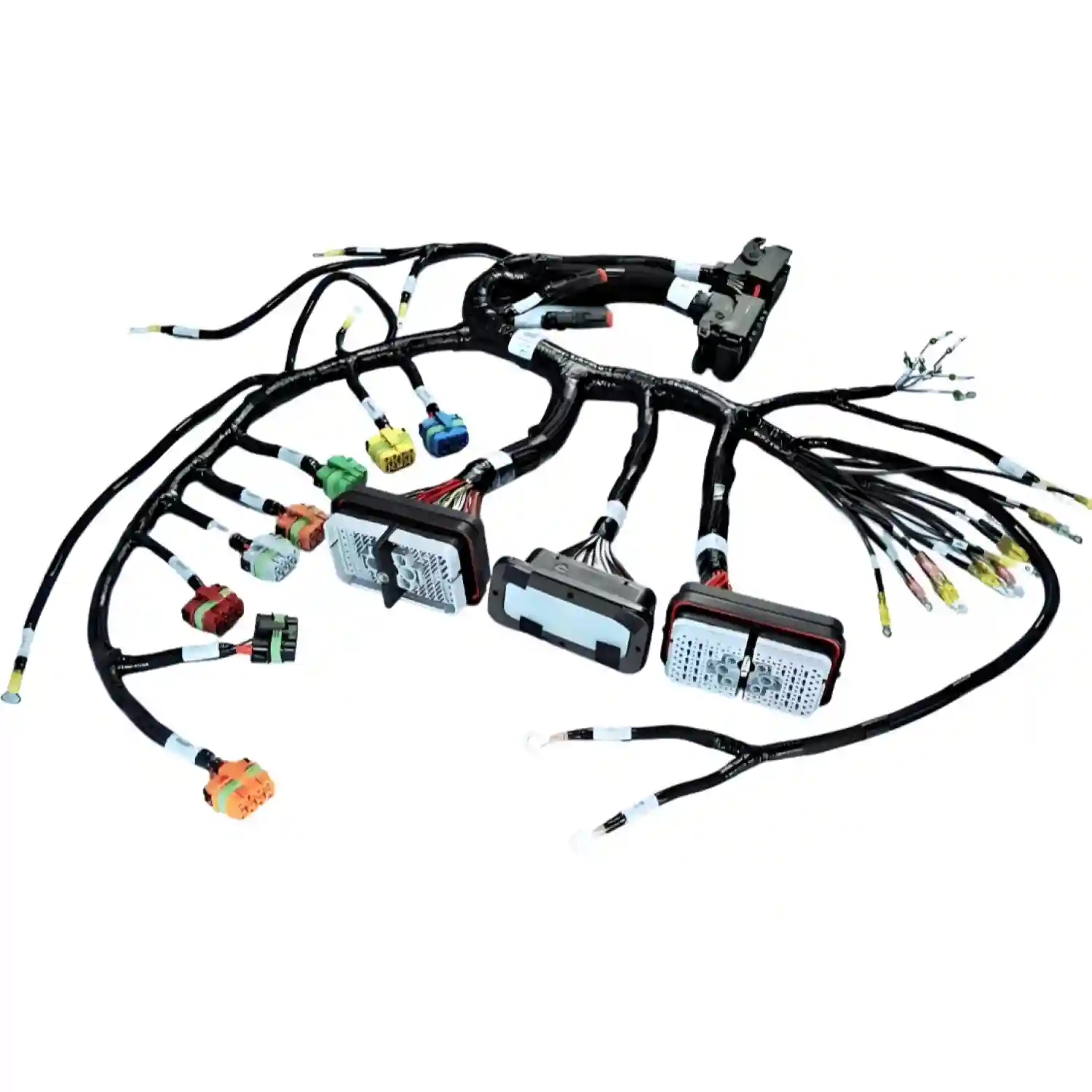
Wire harness tape wrapping service is a production workflow that defines tape material, overlap, branch coverage, abrasion protection, noise damping, partial braiding, labels, and release records before a harness leaves the fixture board. We review drawing zones, TXL wire gauges, tesa cloth tape requirements, connector exits, sample deviations, and 100% electrical test scope before quotation so buyers do not discover protection gaps after line-side installation.

Tape, braid, label, and route-zone review before quote100% electrical test after final wrapIPC-A-620 / ISO 9001 / IATF 16949-style release context
50%
Half-Lap Review
100%
Electrical Test Before Release
7-10 days
Sample Target
IPC-A-620
Workmanship Context

TL;DR

  • Use this service when harness protection, NVH, abrasion, branch shape, or tape material is part of the RFQ.
  • We review cloth, PVC, foam, fleece, partial braiding, tape width, overlap, labels, and connector exits.
  • Send drawings, route zones, wire gauges, tape callouts, braid areas, quantity, and deviation rules.
  • Best fit: automotive, EV, industrial, marine, and heavy-equipment harnesses where protection choices affect approval.

Wire Harness Tape Wrapping Capabilities

For buyers who need the harness protection package quoted with the same discipline as connectors, terminals, and electrical testing.

Zone-by-zone tape material review

Wire harness tape wrapping is a controlled assembly process that applies tape by route zone instead of treating the full harness as one bundle. We separate cabin, engine-bay, cabinet, panel, marine, and exposed equipment areas because heat, abrasion, oil, UV, and noise requirements change the correct tape choice.

Cloth, PVC, foam, fleece, PET, and buyer-specified tapes
Interior, engine-bay, cabinet, marine, and heavy-equipment zones
Material deviations documented before sample release

Half-lap and spiral wrapping control

Half-lap wrapping is a tape method that overlaps each turn by about 50% to create two effective layers on the bundle. We review whether the harness needs half-lap, spiral, spot tape, longitudinal bridging, or branch-point reinforcement so the wrapping method matches bend radius and abrasion risk.

50% half-lap review for abrasion-sensitive zones
Spiral, spot, full-wrap, and branch reinforcement options
Tape width checked against bundle diameter and bends

Partial braiding and tape interface

Partial braiding is a harness protection method that covers selected branches with braided sleeving while other zones use tape. We quote the boundary between tesa cloth tape, partial braiding, clips, conduit, and heat shrink before production because mixed protection systems often create price and specification disputes.

Partial braiding specification separated from tape scope
Branch transitions, sleeve exits, and clip positions reviewed
Installed OD and route stiffness checked before release

Automotive TXL wire harness wrapping

TXL wire harness wrapping protects thin-wall automotive conductors without adding uncontrolled bulk. We review 20awg, 18awg, 16awg, 14awg tin-plated copper TXL wire callouts, tape adhesive compatibility, branch shape, and harness-board restraint before approving a repeated production method.

20awg, 18awg, 16awg, 14awg TXL review
Thin-wall insulation and adhesive compatibility check
Automotive branch shape and fixture-board controls

Label and end-treatment protection

A taped harness must preserve label readability, connector orientation, end-treatment length, and service access after wrapping. We keep labels, uncovered inspection windows, terminal ends, strain relief, and connector backshell areas visible where the drawing or receiving team needs them.

Branch, connector, carton, and revision labels protected
End-treatment and uncovered inspection windows retained
Tape start, stop, and flagging rules documented

Release testing after taping

Electrical release happens after taping because wrapping can hide crossed branches, stressed exits, or pinched wires. Finished harnesses can receive 100% continuity, shorts, polarity, visual, label, branch-shape, and packing checks before shipment.

100% continuity, shorts, polarity, and label checks
Visual inspection after final wrap
FAI photos and test records available when required
Real Project Snapshot

An anonymized case showing why tape scope and partial braiding must be locked before PO release.

Industry

automotive

Region

Australia

Year

2023-2025

Scenario

A regional automotive solutions provider ordered custom wire harnesses, but discrepancies arose between quoted and ordered prices due to varying technical specifications.

Challenge

Misalignment on technical specifications--specifically whether partial braiding was included--and corresponding pricing caused order processing delays and required clarification across multiple purchase orders.

Solution

The account management team implemented a rigorous specification verification process during the PO stage, explicitly detailing material differences such as tesa cloth tape, partial braiding, and specific TXL wire gauges before production commenced.

Result

Eliminated spec-related pricing disputes on subsequent orders, ensuring smooth processing for high-volume repeat orders and scaling.

Concrete Numbers

20awg, 18awg, 16awg, 14awg tin-plated copper TXL wiretesa cloth tapepartial braiding specificationmultiple POs clarified

Anonymized from a real project. Specific buyer identifiers withheld; numbers quoted verbatim from project records.

Where Harness Taping Changes Production Risk

Tape wrapping becomes commercially important when the material, route zone, or wrapping method can affect installation, warranty, noise, or price approval.

Automotive and EV harnesses

Engine, lighting, dashboard, battery, sensor, and accessory harnesses where tesa cloth tape, TXL wire, partial braiding, route clips, and branch protection must match the released drawing.

Industrial control equipment

Panel, cabinet, pump skid, PLC, sensor, and actuator harnesses where tape controls bundle shape, label readability, and installation speed without excessive cable ties.

Marine and outdoor equipment

Above-waterline harnesses, audio leads, control boxes, and instrument wiring that need UV-aware materials, moisture-resistant protection, and clean service identification.

Heavy equipment and mobile machinery

Harnesses routed near hydraulic lines, sheet-metal edges, frame brackets, vibration zones, and dusty service areas where abrasion and branch restraint matter.

Prototype and pre-production builds

Small runs where engineering may approve temporary tape or wire-color deviations for samples, while the mass-production build must return to the original specification.

Field service harness kits

Replacement harnesses where tape finish, branch labels, and connector exit visibility help technicians match the installed harness without unpacking loose documentation.

Wire Harness Tape Wrapping Capability Table

Tape materialsCloth, PVC, PET cloth, foam, fleece, buyer-specified tesa tape, and approved equivalents
Wrapping methods50% half-lap, spiral, spot tape, full-wrap, longitudinal bridge, branch-point reinforcement
Protection interfacesPartial braiding, heat shrink tubing, corrugated conduit, cable ties, clips, glands, labels, and connector exits
Wire review20awg, 18awg, 16awg, 14awg TXL and other drawing-defined wire sizes checked against bundle OD and tape choice
RFQ inputsDrawing, BOM, route photos, tape callouts, braid scope, wire gauges, label map, quantity, and deviation rules
Sample lead timeTypically 7-10 business days after drawing, material availability, and deviation rules are confirmed
Testing100% continuity, shorts, polarity, visual inspection, label check, branch-shape review, and packing verification
Standards contextIPC-A-620 workmanship context, ISO 9001:2015 release records, IATF 16949:2016-style change control, UL-758 wire review
Wire Harness Tape Wrapping Service

How We Keep Harness Taping Quote-Ready

Tape wrapping looks like a small labor line until material scope, overlap, braiding, and label visibility change the sample price or production release.

We quote tape scope separately from electrical build

Two harnesses can share the same pinout and use very different labor if one needs tesa cloth tape, 50% half-lap coverage, partial braiding, branch windows, and photos. We show those cost drivers before PO release.

We treat tape as a controlled material

Tape is not a generic consumable when the drawing names temperature, abrasion, adhesive, or brand requirements. Public references for IPC workmanship, ISO 9000 quality systems, and automotive supplier change control help buyers compare how suppliers document these decisions.

We document deviations before sample shipment

During a 2026-Q1 EV motorcycle pre-production sample run, specific tape and wire color materials were temporarily unavailable. The deviation was approved for 31 pre-production samples, while the 400-unit initial batch and 2,500-unit annual volume were reserved for the original specification.

We keep final inspection after wrapping

Final wrapping can hide branch stress and label mistakes. Our release sequence keeps 100% electrical testing, visual checks, label inspection, and packing verification connected to the final taped harness instead of the pre-wrap assembly only.

Standards and Supplier Qualification References

Harness taping combines cable workmanship, wire material compatibility, adhesive behavior, and change-control records. These public references help buyers align terms before turning a route drawing into a released taped harness.

Factory Engineering Review

WellPCB Wire Harness Engineering Team

Senior factory engineers supporting automotive, EV, industrial, marine, and heavy-equipment wire harness RFQs

10+ years supporting custom wire harness and cable assembly RFQs
China and Philippines production options for sample and production releases
Documented connector sourcing, tape-scope review, testing, and supplier qualification support

Need a Wire Harness Tape Wrapping Quote?

Send the drawing, BOM, tape callout, route zones, partial braiding scope, labels, quantity, sample deadline, and test-record needs. We will return tape-scope feedback, material-risk notes, MOQ, sample timing, and a release test plan.

Send This With Your Taped Harness RFQ

Harness drawing, BOM, wire list, connector part numbers, and current drawing revision

Tape callouts, tesa or equivalent material requirements, route zones, and required overlap method

Partial braiding, heat shrink, conduit, clip, gland, and label-interface requirements

Route photos, bend radius limits, abrasion points, temperature zone, moisture or oil exposure, and packaging method

Sample quantity, production forecast, deviation approval rules, required test records, FAI photos, and receiving workflow

What You Get Back

Manufacturability notes for tape choice, braid scope, labels, branch points, bundle OD, and connector exits

Sample lead time, production lead time, MOQ, unit price, and special material or taping cost drivers

Recommended inspection, electrical test, label check, kit photo, and revision-control evidence plan

Clear assumptions for temporary sample deviations versus mass-production material requirements

Buyer Questions Before Harness Taping RFQ

Commercial and engineering answers for teams comparing wire harness tape wrapping suppliers.

What makes a wire harness tape wrapping RFQ quote-ready?

A quote-ready RFQ includes the harness drawing, BOM, tape callout, route zones, wire gauges, connector part numbers, label map, braid scope, quantity, and test records. If the drawing only says wrap with tape, we will ask whether the build needs 50% half-lap, spiral wrap, spot tape, tesa cloth tape, PVC tape, foam damping tape, or partial braiding. Those choices change material cost, labor time, bundle OD, and sample approval.

I need 31 EV motorcycle sample harnesses now, but the specified tape is unavailable. Can samples still proceed?

Samples can proceed when the deviation is written and approved before production. In one EV motorcycle project, temporary tape and wire-color substitutions were accepted for 31 pre-production samples while the 400-unit initial batch and 2,500-unit annual volume were reserved for the original specification. We separate sample-only deviations from mass-production release so purchasing speed does not become an uncontrolled material change.

Should I specify cloth tape, PVC tape, foam tape, or partial braiding?

Choose tape by route zone, not by habit. Cloth tape is common for abrasion and higher-temperature automotive areas, PVC tape can fit indoor or lower-risk bundling, foam and fleece tapes support NVH damping, and partial braiding protects selected abrasion zones without wrapping the full harness. The practical RFQ decision should name the temperature zone, rubbing points, bend radius, noise target, and whether the drawing requires 50% half-lap coverage.

How do you prevent tape and partial braiding from causing PO price disputes?

We split tape wrapping, partial braiding, labels, special clips, and protection materials into visible RFQ assumptions before PO release. A real automotive case required clarification across multiple POs because the buyer and supplier had different expectations about tesa cloth tape and partial braiding specification. After the PO-stage verification process was tightened, later high-volume repeat orders moved smoothly because the protection package was explicit.

What tests happen after final harness wrapping?

Finished taped harnesses can receive 100% continuity, shorts, polarity, visual inspection, label checks, branch-shape review, and packing verification after final wrapping. This sequence matters because tape can hide stressed branches, crossed routes, or label placement errors. For controlled programs, we can add first-article photos, test reports, revision records, and inspection notes tied to IPC-A-620 workmanship context and ISO 9001-style release control.

Can you quote if our drawing references LV 312 or a specific tesa tape family?

Yes. Send the LV 312 class, tesa tape family, or approved-equivalent rule with the drawing and route conditions. We will check material availability, MOQ, sample timing, substitution limits, and whether the requested tape works with the wire insulation and bend radius. If an exact tape is unavailable for samples, we identify that as a deviation instead of quietly replacing it with a visually similar roll.