Stage V Engine and Cabin Harness RFQ Support

Tractor Wire HarnessBuilt From NDA-Protected Drawings to Field-Ready Samples

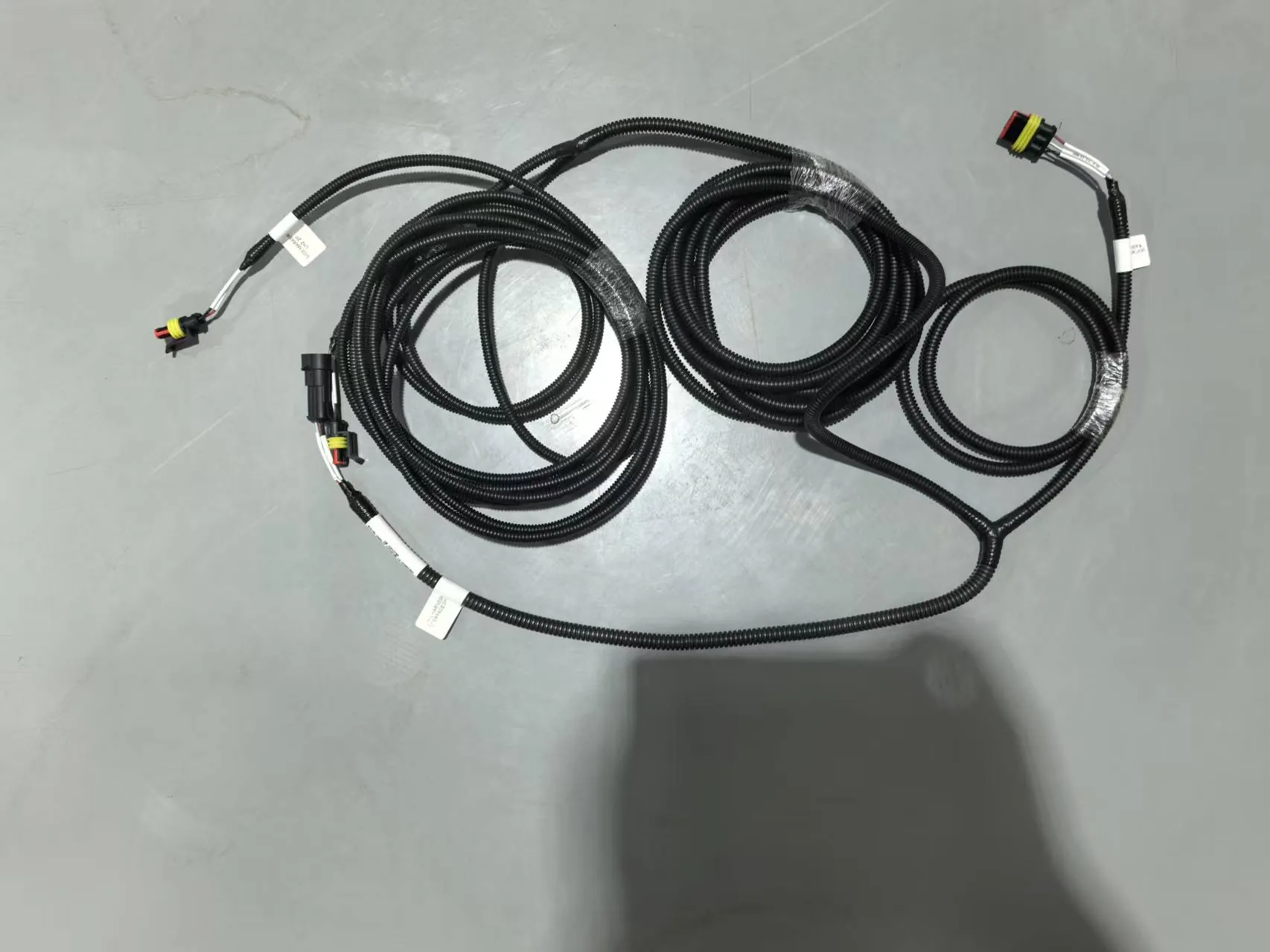
Tractor wire harness manufacturing is a build-to-print service for engine, cabin, implement, lighting, sensor, and CAN/ISOBUS wiring on agricultural machinery. The differentiator is the RFQ process: we can secure sensitive drawings under NDA, review Stage V engine and cabin harness packages, and return material, connector, protection, test, and sample-timing risks before the buyer commits tooling or production volume.

NDA drawing intake before quoteStage V engine and cabin harness reviewIPC-A-620 / UL-758 / ISO 11783 evidence plan
2 Models
Case-bank harness scope
Stage V
Engine platform context
~500/yr
Per-model case volume
100%
Electrical test planning

TL;DR

  • Tractor wire harnesses cover engine, cabin, lighting, sensor, implement, and CAN/ISOBUS circuits.
  • Best RFQ inputs: NDA, 2D drawings, BOM, wire list, connector details, routing zones, and annual forecast.
  • We review sealed connectors, TXL/SXL-style wire needs, conduit, braid, heat shrink, grommets, labels, and test records.
  • Case-bank scope includes 2 harness models (main cabin and engine), Stage V standard, ~500 units annual quantity per model.

Tractor Wire Harness Capabilities

Agricultural OEM buyers need a supplier that treats drawing security, sealed routing, connector discipline, and field-service labels as part of the quote, not as late-stage extras.

NDA-controlled drawing intake

A tractor wire harness is an electrical assembly that distributes power, ground, sensor, lighting, operator-control, and data circuits across a tractor platform. For OEM programs, the first blocker is often not assembly labor; it is safe release of sensitive Stage V engine and cabin drawings. We support NDA-first intake so procurement can share drawings without losing IP control.

NDA before drawing transfer when required
2D drawings, BOM, wire list, and sample photos reviewed
Quote risks returned before sample approval

Engine and cabin harness builds

An engine harness is a tractor wire harness section that routes around heat, vibration, oil mist, sensors, alternator circuits, ECU branches, and serviceable connectors. A cabin harness is a tractor wire harness section that supports switches, gauges, HMI panels, lamps, joystick controls, relays, and operator safety interfaces. We separate those zones during RFQ review because protection, labels, and test evidence differ.

Main cabin and engine harness packages
Branch labels, cavity maps, and connector orientation checks
Grommet, clamp, conduit, and service-loop review

Sealed connector and protection review

A sealed tractor connector is a connector system designed to limit dust, water, chemical spray, and vibration ingress at a harness interface. We review Deutsch, TE, Molex, Amphenol, sealed glands, terminal blocks, heat shrink, split loom, braided sleeve, conduit, grommets, and branch exits against the machine routing, not against a generic catalog list.

Deutsch DT/DTM/DTP and equivalent sealed families
Conduit, braid, split loom, heat shrink, and strain relief
IP67/IP69K intent reviewed against actual routing

CAN J1939 and ISOBUS wiring discipline

A CAN bus harness is a twisted-pair data cable assembly that carries machine communication between controllers, sensors, and implement interfaces. Tractor platforms often need SAE J1939 engine/chassis links and ISO 11783 ISOBUS implement wiring. We review pair twist, shielding, termination intent, connector selection, and label control so electrical test plans match the drawing.

SAE J1939 and ISO 11783 context
Twisted-pair, shield, and termination review
Sensor, implement, and controller branch support

Sample-to-production planning

A Stage V tractor harness program can start with two sample builds and then move into mid-volume annual releases. We separate sample timing, tooling, test fixtures, packaging, buffer stock, and production cadence from the unit price so procurement can see which constraint is connector lead time, drawing maturity, fixture needs, or factory capacity.

Sample, pilot, and annual release planning
Fixture and test-nest discussion before scale-up
China and Philippines factory allocation options

Test records and supplier evidence

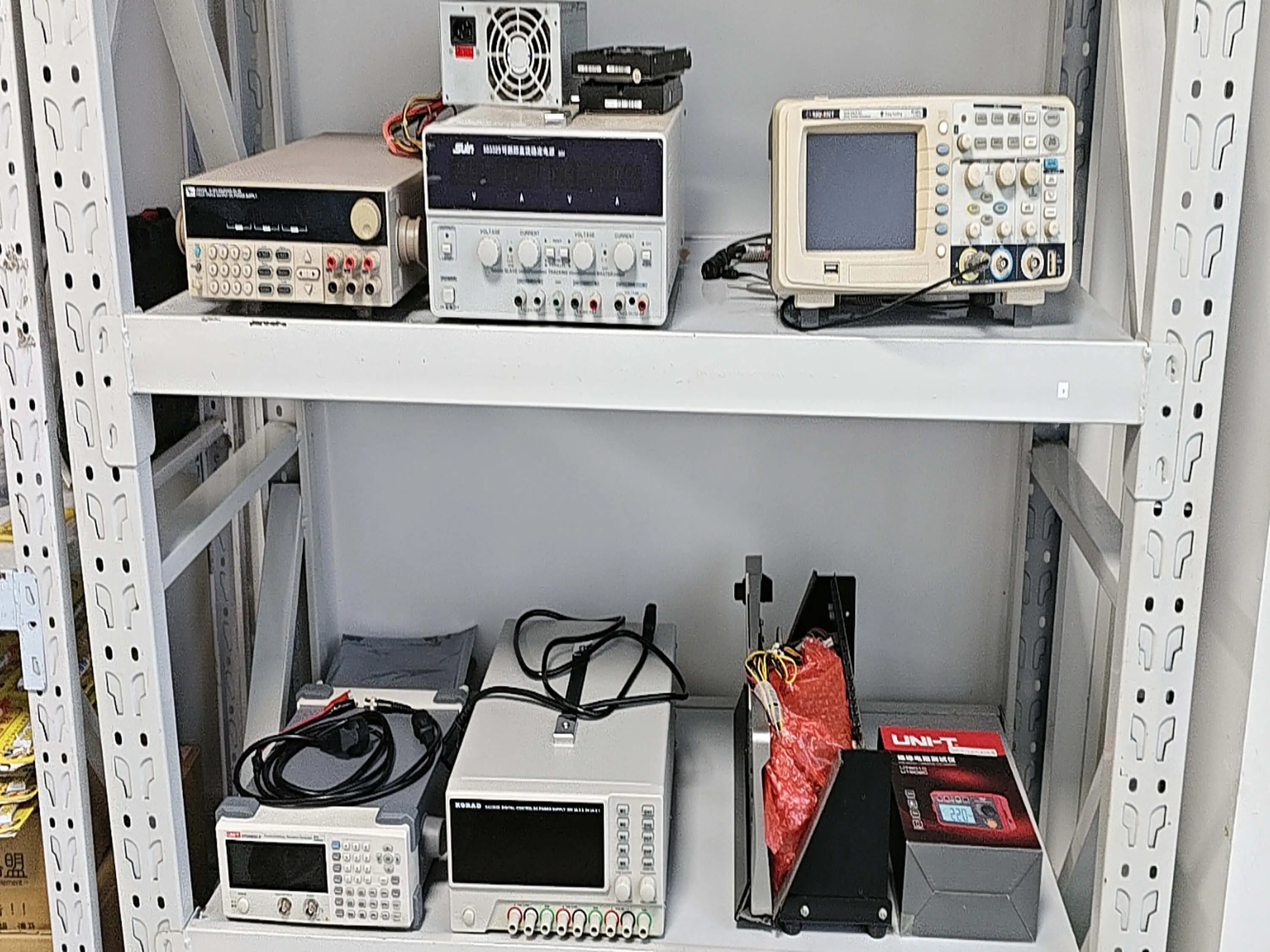
A tractor harness is not ready for the field until continuity, polarity, shorts, visual condition, labels, connector seating, and branch protection are verified. We can define 100% electrical testing, insulation resistance, hipot where specified, pull-force sampling, first-article inspection, CoC, photo records, and lot traceability before production release.

100% continuity and polarity test planning
Insulation resistance, hipot, and pull-force options
FAI, CoC, lot records, labels, and packing photos
Real Project Snapshot

Anonymized example from our case bank, shared so buyers can see how this scope is actually executed in production.

Industry

agricultural-machinery

Region

Europe

Year

Recent

Scenario

A large European agricultural machinery OEM requested a quote for custom tractor harnesses but required strict IP protection before sharing technical drawings.

Challenge

The customer needed to share sensitive Stage V engine and cabin harness drawings but mandated an NDA signed immediately to proceed, creating a potential bottleneck for the quoting process.

Solution

The sales team prioritized the NDA execution, establishing a secure channel for technical data transfer, and simultaneously prepared the internal engineering team for rapid drawing review upon NDA completion.

Result

Successfully established a secure framework, allowing the customer to confidently release sensitive Stage V harness drawings, advancing the project to the formal quoting stage without delay.

Concrete Numbers

2 harness models (main cabin and engine)Stage V standard~500 units annual quantity per model

Representative project type we handle, shown for illustration. Not a specific named customer.

Where Tractor Harnesses Fit

The page targets tractor platform wiring specifically; broader agricultural equipment and construction machinery programs belong on the related industry and heavy-equipment pages.

Stage V engine harnesses

Engine-zone wiring for ECU branches, alternator circuits, temperature and pressure sensors, emissions-related devices, and power distribution near heat, oil, vibration, and service access points.

Operator cabin harnesses

Cabin wiring for gauges, switches, lamps, joystick controls, HMI panels, HVAC controls, relays, safety interlocks, and clearly labeled service connectors.

Implement and hitch interfaces

Rear implement branches, trailer-style connectors, ISO 11783 ISOBUS links, lighting circuits, and protected pass-throughs between tractor, seeder, sprayer, baler, or planter.

Precision agriculture sensors

Harnesses for GPS guidance, variable-rate controllers, soil and crop sensors, fluid systems, pressure sensors, and field monitoring equipment exposed to dust and washdown.

Aftermarket and platform refresh kits

Replacement harnesses, updated cabin subassemblies, obsolete connector refreshes, and labeled service kits for dealers or maintenance teams supporting older tractor platforms.

Pilot and annual OEM releases

Prototype samples, pilot builds, and recurring annual production where tooling, connector alternates, test fixtures, and packaging need to be settled before volume release.

RFQ Capability Table

Primary serviceBuild-to-print tractor wire harness manufacturing for engine, cabin, implement, lighting, sensor, and CAN/ISOBUS circuits
Case-bank anchor2 harness models (main cabin and engine); Stage V standard; ~500 units annual quantity per model
RFQ inputsNDA if required, 2D drawings, BOM, wire list, connector part numbers, cavity map, annual forecast, and test report requirements
Connector familiesDeutsch, TE, Molex, Amphenol, sealed glands, terminal blocks, trailer/implement connectors, and customer-approved equivalents
Wire and protectionDrawing-specified wire gauges, TXL/SXL-style review where applicable, conduit, split loom, braided sleeve, heat shrink, grommets, and strain relief
Data circuitsSAE J1939 and ISO 11783 context, twisted-pair CAN wiring, shield review, termination intent, and label control
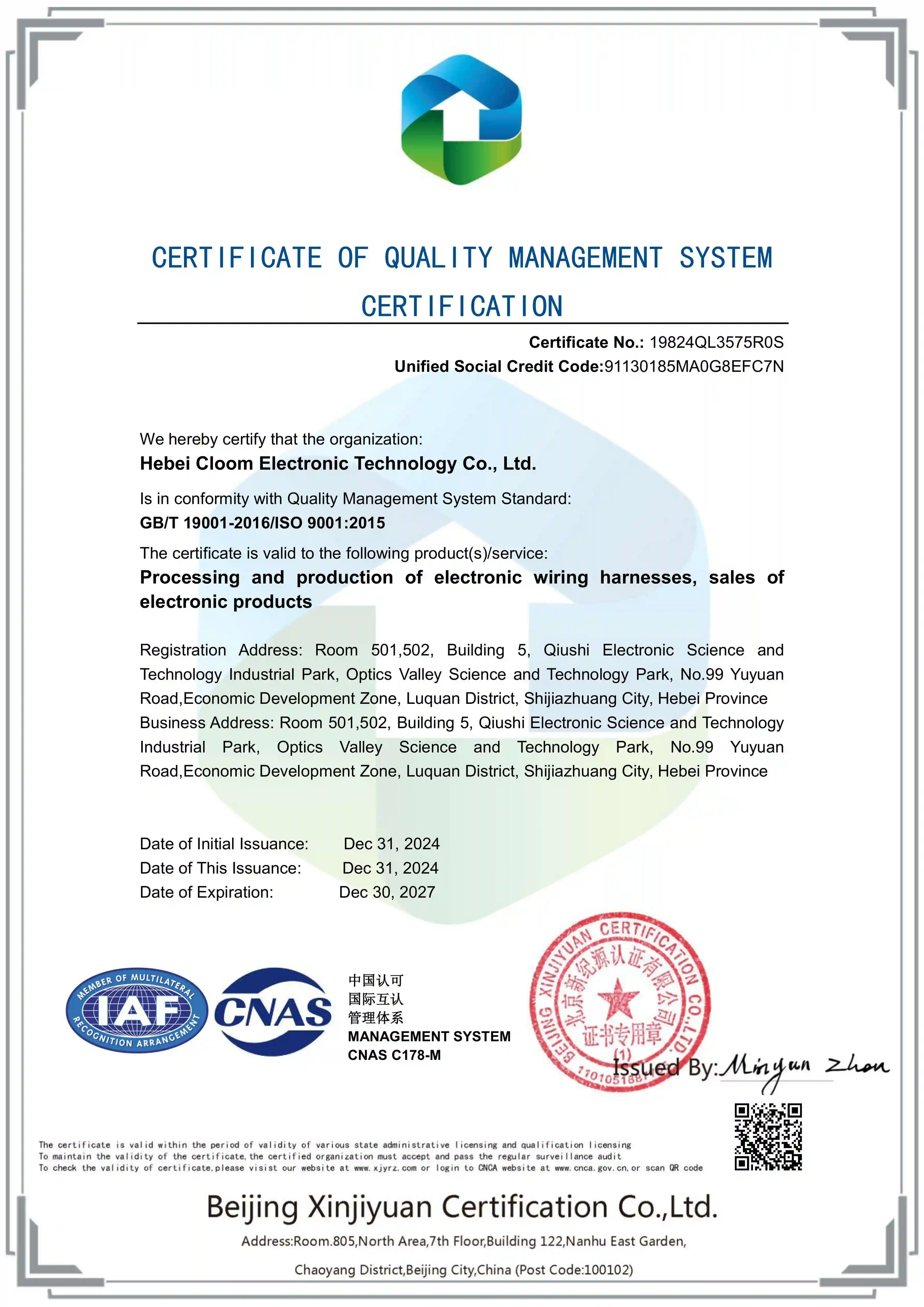
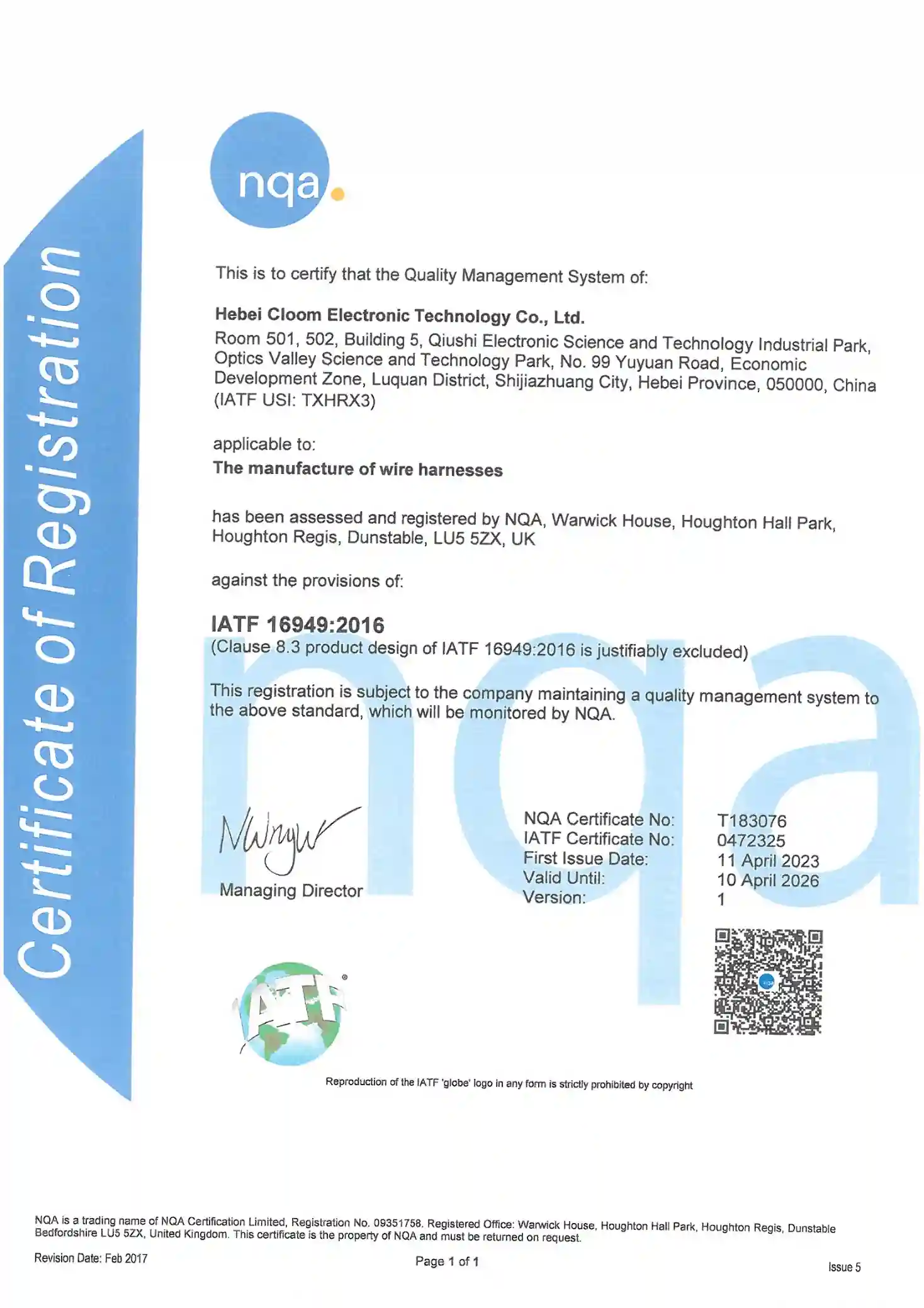
Quality referencesIPC-A-620 workmanship review, UL-758 wire context, ISO 9001 documentation practice, and IATF 16949-style change control when specified
Testing100% continuity, polarity, shorts, visual inspection, label verification, connector seating, insulation resistance, hipot, and pull-force records when specified
Out of scopeWe build the harness to your released drawing; we do not certify the entire tractor safety system, emissions package, or machine-level regulatory compliance.
Tractor Wire Harness

How We Reduce Tractor Harness RFQ Risk

The best-fit buyer is a procurement or engineering team with drawings, sensitive IP, and a real platform schedule, not a commodity buyer looking for a catalog tractor loom.

Drawing security is handled before pricing

The case-bank tractor program did not begin with a generic quote. It began with NDA execution because the buyer needed to share Stage V engine and cabin drawings. We treat drawing access, file control, and internal engineering readiness as part of the RFQ process.

Harsh-environment review happens before sample build

A second agricultural equipment case required a detailed assessment of Stage V cabin and engine harness drawings because dust, water, vibration, and corrosion could affect the quote. The concrete scope was ~500 units/year per model, Stage V standard, 2 harness variants (cabin and engine).

Standards are mapped to real actions

IPC-A-620 informs workmanship acceptance, UL-758 helps when wire style and insulation context must be reviewed, ISO 11783 matters for ISOBUS implement interfaces, and SAE J1939 matters for engine/chassis communication. We connect each reference to an inspection, material, routing, or test decision.

Capability limits are explicit

We are best fit for build-to-print tractor harnesses with drawings, BOMs, samples, or mature wire lists. We can help close RFQ gaps and suggest approved-alternate quote paths, but the OEM remains responsible for machine-level functional validation and final compliance release.

From NDA to Harness Release

A tractor harness quote moves faster when commercial, engineering, and quality questions are separated before sample production.

01

NDA and RFQ intake

We execute NDA requirements when sensitive tractor drawings are involved, then collect drawings, BOM, cavity maps, annual forecast, sample quantity, and test expectations.

02

Engineering gap review

Engineering checks connector seals, wire style, branch protection, CAN/ISOBUS routing, labels, grommets, and missing drawing details before quote lock.

03

Quote and alternate path

Procurement receives unit price, sample timing, production timing, tooling or fixture notes, and separate approved-alternate options where sourcing risk exists.

04

Sample and first-article build

Samples are built to the agreed drawing revision, with connector orientation, labels, branch lengths, conduit, sleeve, and service loops checked before shipment.

05

Test and production release

The release plan can include 100% electrical testing, FAI, CoC, lot traceability, packing photos, and production cadence planning for annual tractor builds.

Standards and Technical References

Tractor wire harness decisions often combine workmanship, wire insulation, data-bus layout, and agricultural implement communication requirements. These public references support buyer review while the actual acceptance plan remains tied to your drawing.

Factory Engineering Review

Hommer Zhao

Senior wire harness manufacturing engineer for OEM agricultural and heavy-equipment RFQ programs

10+ years in custom wire harness and cable assembly manufacturing
Hands-on RFQ review for engine, cabin, sealed connector, and harsh-environment harness programs
China and Philippines factory coordination for sample, pilot, and recurring production releases

Need a Tractor Wire Harness Quote?

Send the NDA request, drawings, BOM, connector list, Stage V or platform notes, sample quantity, annual forecast, and test requirements. We will return gap notes, quote options, sample timing, and the release evidence plan.

Send This With Your Tractor Harness RFQ

NDA request, 2D drawings, BOM, wire list, connector part numbers, cavity map, and existing sample photos.

Harness zone: engine, cabin, implement, lighting, sensor, power, CAN J1939, or ISO 11783 ISOBUS.

Routing environment: heat, oil, fertilizer, dust, washdown, vibration, UV exposure, clamp points, and service access.

Sample quantity, pilot quantity, annual forecast, target lead time, ship-to region, and approved alternates.

Required evidence: continuity, polarity, insulation resistance, hipot, pull-force records, FAI, CoC, labels, or packing photos.

What You Get Back

Engineering gap list for connector, terminal, wire, protection, label, and test risks.

Sample lead time, production lead time, MOQ, factory allocation, and tooling or fixture notes.

Original-BOM quote and approved-alternate quote path where component availability affects timing.

Release evidence plan tied to the exact tractor harness drawing revision.

Tractor Harness Questions Buyers Ask

Answers for agricultural OEM procurement, engineering, and supplier-quality teams comparing custom tractor harness manufacturers.

I need a tractor wire harness quote but cannot share drawings before NDA. Can you start there?

Yes. For OEM tractor wire harness programs, NDA execution can happen before drawing transfer. The case-bank Stage V project required NDA completion before sensitive engine and cabin drawings were released. Once the secure channel is in place, send the 2D drawings, BOM, wire list, connector part numbers, annual forecast, and test requirements so engineering can screen the RFQ without guesswork.

What makes a tractor engine harness different from a cabin harness?

A tractor engine harness usually faces heat, oil mist, vibration, sensors, alternator circuits, ECU branches, and sealed service connectors. A cabin harness usually focuses on switches, gauges, HMI panels, lamps, joystick controls, relays, and operator labels. The difference changes wire style, conduit, grommets, strain relief, label placement, and test scope, so we quote engine and cabin harnesses as separate zones.

My tractor platform uses Stage V engine requirements and about 500 units per year. Is that a fit?

Yes, that volume and platform type matches the case-bank pattern. One agricultural equipment case involved ~500 units/year per model, Stage V standard, 2 harness variants (cabin and engine). For this scope, the RFQ should include annual forecast, release cadence, connector availability, test record requirements, and whether sample builds must prove both engine-zone and cabin-zone routing.

Should I specify Deutsch connectors, overmolding, conduit, or braided sleeve for field tractors?

Specify protection by failure mode. Deutsch-style sealed connectors help with dust, water, vibration, and serviceability; conduit protects exposed routes; braided sleeve improves abrasion resistance; overmolding can improve sealed strain relief but adds tooling and is less flexible for drawing revisions. For tractor wire harnesses, we review fluids, fertilizer exposure, washdown, clamp spacing, bend radius, and field replacement before recommending the stack.

Can you build CAN J1939 or ISOBUS sections inside the same tractor harness?

Yes, when the drawing defines the data circuits clearly. Tractor harnesses may include SAE J1939 engine/chassis communication and ISO 11783 ISOBUS implement links. We review twisted-pair construction, shield or drain requirements, termination intent, connector cavities, labels, and electrical test needs. The buyer should still validate machine-level communication on the actual tractor or implement before production release.

What test evidence should I request for a tractor wire harness shipment?

Request at least 100% continuity, polarity, shorts, visual inspection, label verification, connector seating, and length checks. Add insulation resistance, hipot, pull-force sampling, first-article inspection, CoC, lot traceability, and packing photos when the harness is safety-critical, exposed to washdown, or tied to a new platform release. The report format should be agreed before samples are built.