Machinery Harness RFQ

Heavy Equipment Wire HarnessQuote Rugged Engine and Power Harnesses With Factory Risk Review

A US machinery OEM went silent for 3 months until our team showed the China and Philippines factory options that could reduce supply-chain risk. The buyer then released RFQ packages for 2 harness types: Engine Harness and Power Harness, both with full drawings and BOMs. This page is for Tier-1 procurement engineers comparing heavy equipment harness suppliers before sample approval.

Engineering review before quotationChina + Philippines factory allocation100% electrical test plan
7-10 Days
Sample Target
100%
Electrical Test
2 Factories
China + Philippines
IPC-A-620
Workmanship Review

TL;DR

  • Heavy Equipment Wire Harness covers engine, power, lighting, sensor, and operator-control harnesses for machinery OEMs.
  • Send drawings, BOM, connector part numbers, annual forecast, sample quantity, and required test report format.
  • We review IPC-A-620 workmanship, UL-758 wire styles, and IATF 16949-style change control where applicable.
  • Case-bank proof: 3-month silence period broken after overseas factory options; 2 harness types quoted from full drawings and BOMs.

Heavy Equipment Wire Harness Capabilities

Procurement teams compare suppliers on drawing review, harsh-environment protection, sample timing, global factory allocation, and test evidence before issuing a purchase order.

Engine and power harness RFQ review

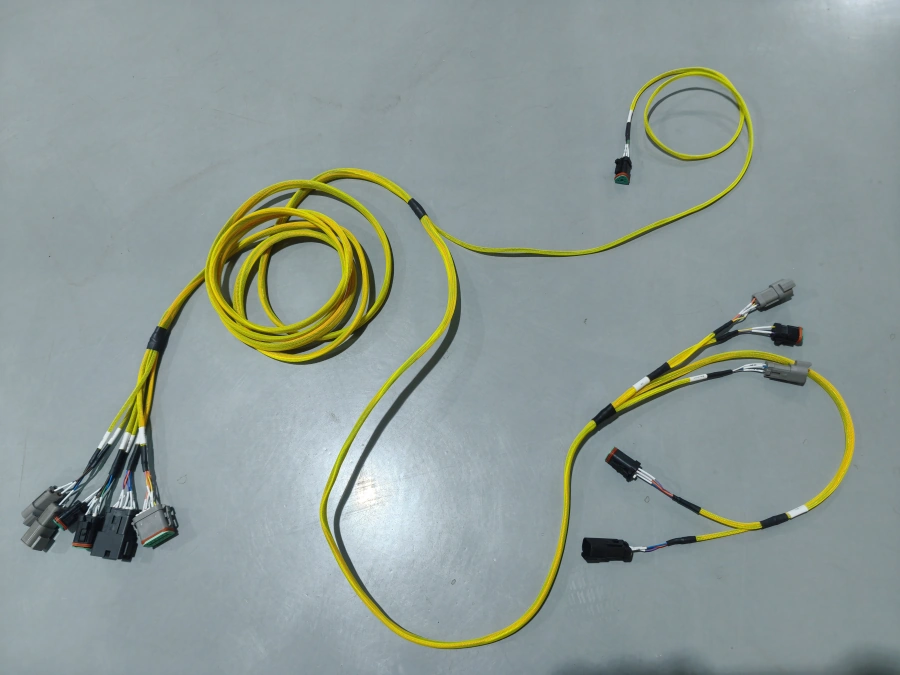
Heavy Equipment Wire Harness is a rugged electrical assembly that distributes power and signals across engines, controllers, lights, sensors, hydraulics, and operator panels in machinery. We start by checking the drawing, BOM, connector callouts, wire gauge, branch protection, and test scope before price is locked, because one missing connector seal or unsupported wire style can change both cost and sample timing.

Drawing, BOM, wire list, and sample review
Engine Harness and Power Harness packages
24-hour first RFQ screen when inputs are complete

Rugged routing and protection choices

A machinery harness is exposed to vibration, abrasion, oil mist, water spray, and field-service handling. We review split loom, braided sleeve, conduit, heat shrink, grommets, cable glands, strain relief, and branch labels against the routing drawing instead of treating protection as decoration. For buyers, the practical question is not only IP rating; it is whether technicians can install and replace the harness without damaging terminals.

Abrasion sleeve and conduit options
Grommet, clamp, and service-loop review
Branch labels for assembly and field service

Global factory allocation for RFQ risk

The case-bank project changed direction after overseas capability details were shared: 3-month silence period broken, 2 harness types quoted: Engine Harness and Power Harness, RFQ included full drawings and BOMs. For heavy equipment programs, China and Philippines allocation lets procurement compare cost, tariff exposure, tooling timing, and release volume before the sample order is placed.

China and Philippines factory options
Tariff and delivery-risk discussion at quote stage
Capacity plan tied to annual forecast

Connector and wire-style control

Connector control decides whether a heavy equipment harness fits the machine on the first installation. We review Deutsch, TE, Molex, Amphenol, Anderson, JST, terminal blocks, sealed glands, wire gauge, UL-758 style requirements, cavity maps, and approved equivalents. Silent substitution is not used; any alternate connector or wire must be shown to the buyer before procurement changes the BOM.

Original BOM and approved-alternate quote paths
Connector datasheets attached when needed
UL-758 wire style review when specified

Testing and documentation package

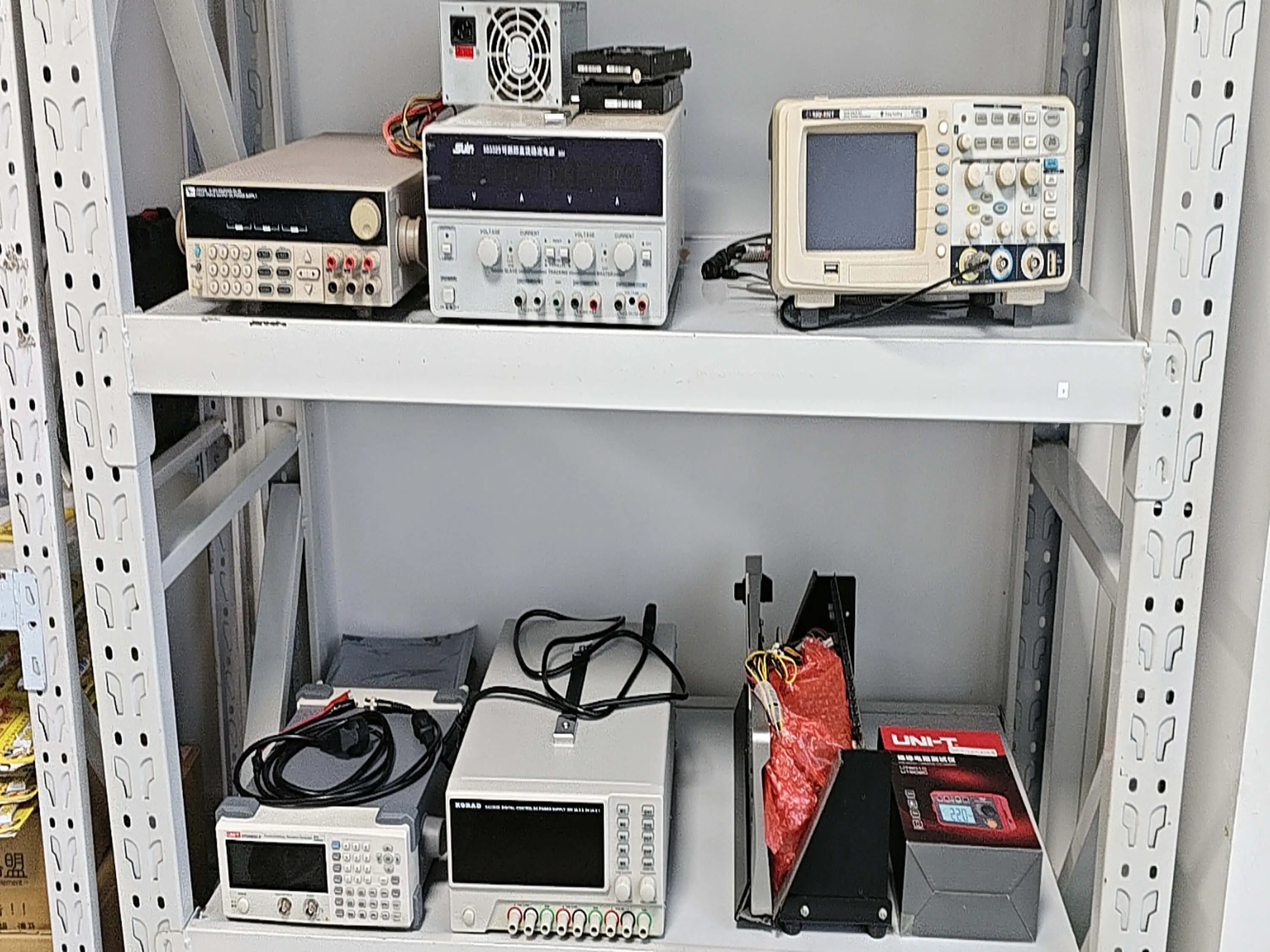
Heavy machinery buyers need evidence, not reassurance. We can define 100% continuity and polarity testing, insulation resistance, hipot when specified, crimp pull-force checks, first-article inspection, lot traceability, and photo records. IPC-A-620 workmanship review helps align visual inspection language, while IATF 16949-style change control supports automotive, construction, and agricultural OEM qualification expectations.

100% continuity and polarity test
FAI, lot traceability, and photo records
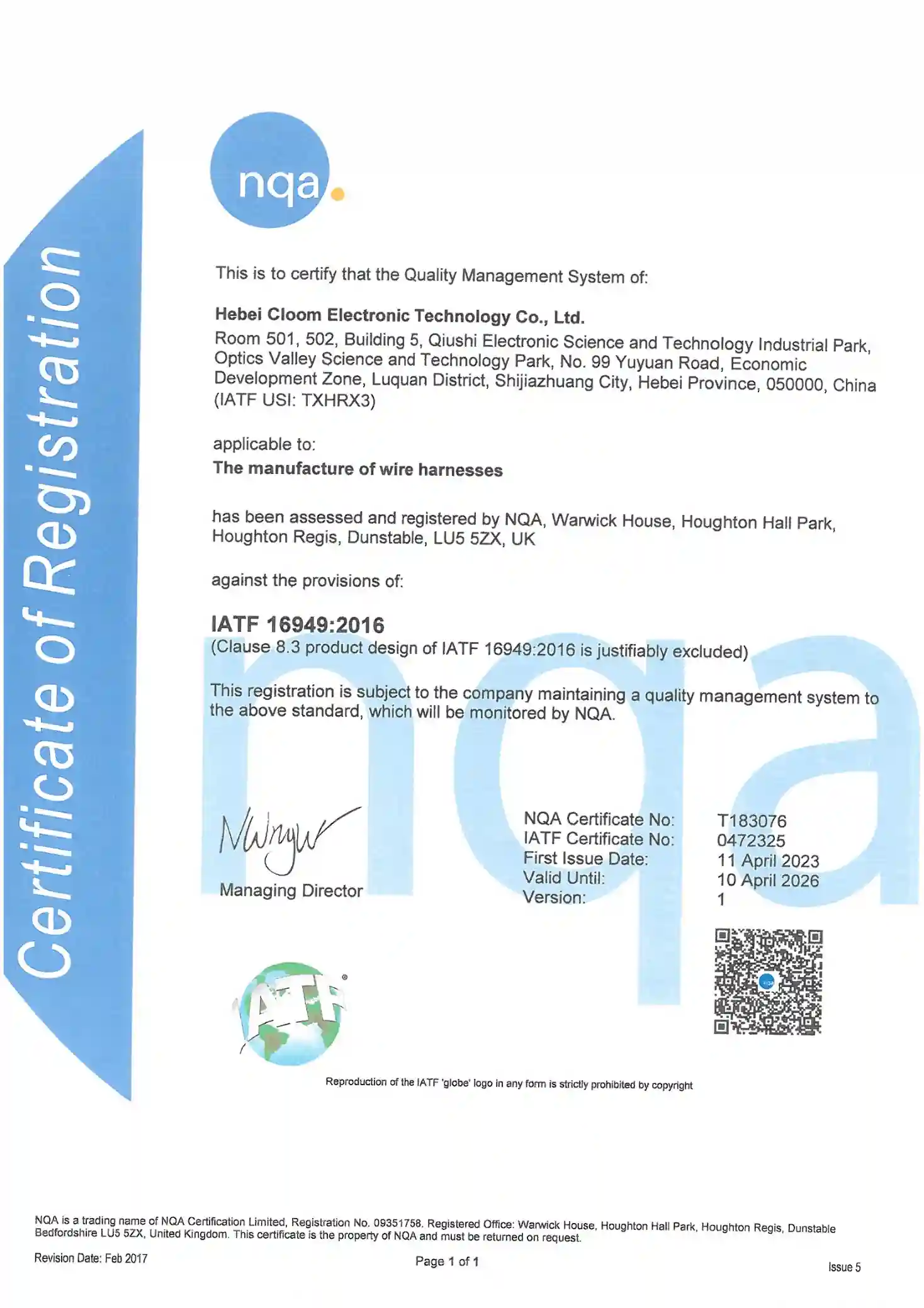
IPC-A-620 / UL-758 / IATF 16949 review

Sample-to-production release planning

A second machinery case paused after sample quoting in 2026-Q1, so follow-up focused on the new Philippines factory launch highlighted in 2026-Q2 and ongoing value-add follow-ups maintained. That lesson is built into our RFQ process: sample MOQ, production lead time, tooling ownership, buffer stock, packaging, and revision control are discussed before pilot approval.

7-10 working day sample target when parts are available
Pilot, recurring release, and buffer stock planning
Revision control before production handoff
Real Project Snapshot

Case 2: a machinery OEM paused after sample quoting, so the follow-up shifted from pressure selling to useful supplier-risk updates tied to factory footprint and certifications.

Industry

Industrial and agricultural machinery

Region

US

Year

2026-Q1 to 2026-Q2

Scenario

A US machinery OEM paused a wire harness project after the sample quoting phase but left the door open for future developments.

Challenge

The buyer had stopped the active opportunity, so the supplier had to keep value visible without ignoring the customer's stated pause.

Solution

Follow-up focused on high-value company updates, especially the new Philippines factory launch and updated quality certifications, because the buyer cared about global supply-chain flexibility.

Result

The technical decision-maker channel stayed open for the next project cycle instead of being burned by generic follow-ups.

Concrete Numbers

Project paused in 2026-Q1New Philippines factory launch highlighted in 2026-Q2Ongoing value-add follow-ups maintained

Anonymized from a real project. Specific buyer identifiers withheld; numbers quoted verbatim from project records.

Where Heavy Equipment Harnesses Are Used

Built for machinery where vibration, dirt, fluids, outdoor exposure, and service calls make a weak terminal or unclear label expensive.

Agricultural machinery

Tractors, harvesters, sprayers, seeders, irrigation machines, and auxiliary implements that need sealed branches and field-service labels.

Construction equipment

Excavators, loaders, compactors, lifts, and worksite power units with engine, lighting, hydraulic-control, and sensor harnesses.

Industrial power units

Generators, pumps, compressors, and engine-driven systems where vibration and high current require controlled routing and strain relief.

Heavy-duty vehicles

Commercial trucks, specialty vehicles, and off-road platforms that need long-lifecycle harnesses with documented drawing revisions.

Operator cabins and control panels

Switches, gauges, HMI boxes, E-stop circuits, joystick controls, relays, lamps, and terminal-block wiring.

Prototype and replacement programs

NPI fixtures, pilot builds, obsolete harness replacement, and sample validation before a full machinery platform release.

RFQ Capability Table

Primary scopeEngine harnesses, power harnesses, control-panel leads, sensor branches, lighting harnesses, and auxiliary equipment cables
RFQ inputs2D drawing, BOM, wire list, connector part numbers, sample photos, annual forecast, and requested test report format
Common wire range28 AWG to 2 AWG by engineering review; high-current battery or starter leads quoted from drawing
Connector familiesDeutsch, TE, Molex, Amphenol, Anderson, JST, terminal blocks, sealed glands, and customer-nominated equivalents
Protection optionsSplit loom, conduit, braided sleeve, heat shrink, grommets, strain relief, branch labels, and abrasion guards
Sample lead timeTypically 7-10 working days after drawings, BOM, and connector availability are confirmed
Production lead timeQuoted by BOM risk, tooling, test scope, release volume, and China/Philippines factory allocation
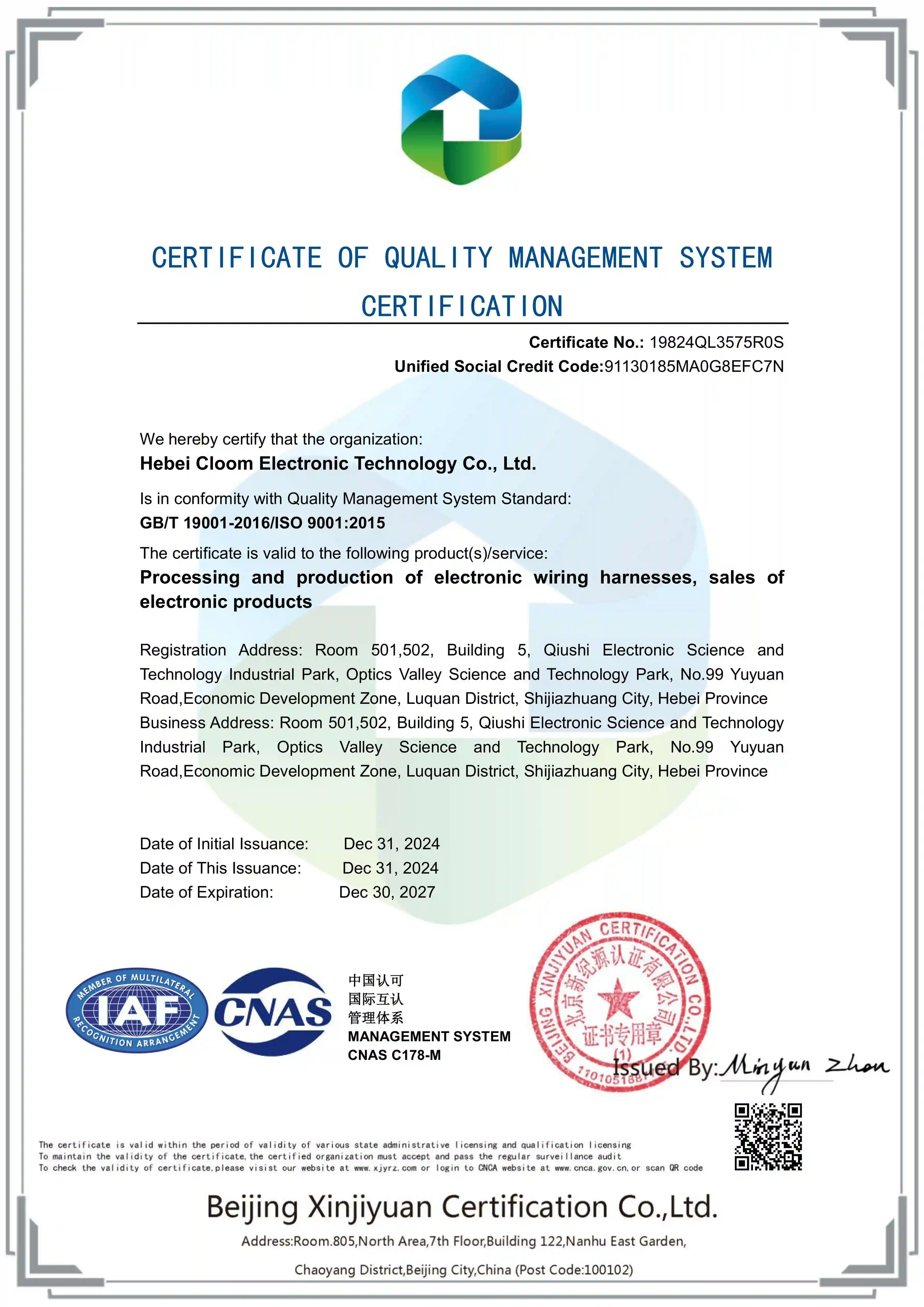
Quality referencesIPC-A-620 workmanship, UL-758 wire style review, ISO 9001, and IATF 16949-style change control where required
Testing100% continuity and polarity testing; hipot, insulation resistance, and pull-force records when specified
Heavy Equipment Wire Harness

How We Reduce RFQ Risk

The buying decision is less about a generic capability list and more about whether the supplier can expose risk before the sample order consumes schedule.

Drawing gaps are reported before quote lock

We flag missing wire lengths, connector seals, terminal part numbers, cavity maps, branch protection, and test criteria before the purchase order. That prevents a cheap quote from becoming an expensive engineering-change loop.

Factory footprint is part of the quote

The China and Philippines options are discussed as procurement variables: cost, tariff exposure, capacity, logistics, and annual release volume. Buyers get a manufacturing plan, not only a unit price.

Standards are tied to actions

IPC-A-620 guides workmanship review, UL-758 applies to specified wire styles, and IATF 16949-style controls support revision discipline. Each reference maps to inspection or document output.

Limits are stated clearly

We are best fit for build-to-print harnesses with drawings, BOMs, samples, or mature wire lists. We can help close RFQ gaps, but we do not claim to certify an entire machine safety system from a harness drawing alone.

Standards and Supplier Qualification References

For heavy equipment wire harness sourcing, buyers usually compare workmanship, wire safety context, and quality-system discipline before issuing sample approval. These references support the review language used in RFQ discussions.

Factory Engineering Review

Hommer Zhao

Senior wire harness manufacturing engineer for OEM and Tier-1 RFQ programs

10+ years in custom wire harness and cable assembly manufacturing
China and Philippines factory coordination for global OEM sourcing
Hands-on RFQ review for IPC-A-620, UL-758, ISO 9001, and IATF 16949-style controls

Get a Heavy Equipment Harness Quote Package

Upload drawings, BOM, connector list, sample quantity, annual forecast, target lead time, and test requirements. Engineering will return a gap list, lead-time view, MOQ/factory options, and a quote path for original or approved-alternate materials.

Send This With Your RFQ

2D drawing, BOM, wire list, and connector part numbers

Sample quantity, annual forecast, target lead time, and ship-to region

Test requirements: continuity, polarity, hipot, insulation resistance, pull-force, or FAI

Routing photos, old sample, panel/cabinet constraints, or environmental notes

What You Get Back

Engineering gap list with connector, wire, protection, and test risks

Sample lead time, production lead time, MOQ, and factory allocation options

Quote path for original BOM and approved alternates where available

Recommended test report and documentation plan for procurement review

Buyer FAQ

Answers for procurement engineers comparing machinery harness suppliers during RFQ and sample approval.

I have drawings and BOMs for an engine harness and a power harness. What should I send for a quote?

Send the 2D drawings, BOMs, wire list, connector part numbers, target annual volume, sample quantity, and required test report format. For heavy equipment wire harness RFQs, we also ask for routing photos or machine-zone notes because abrasion protection, grommets, and strain relief affect both cost and lead time. When inputs are complete, the first engineering screen can usually be returned within 24 hours.

Can you support a 7-10 day sample target for heavy machinery harnesses?

A 7-10 working day sample target is realistic when drawings are clear and connectors, terminals, wire, sleeve, and tooling are available. Long-lead sealed connectors, custom grommets, or missing cavity maps can extend timing. We quote sample lead time separately from production lead time so procurement can see whether the constraint is engineering data, component sourcing, tooling, or factory capacity.

How do you prevent connector substitutions from creating line-stop risk?

Connector substitutions are controlled through BOM review and buyer approval before purchasing changes. We compare connector family, mating interface, cavity count, seal, terminal wire range, current rating, and tooling needs, then separate the original-BOM price from any approved-equivalent option. IPC-A-620 workmanship and UL-758 wire-style requirements are reviewed where specified, but the buyer still approves any functional replacement.

My equipment program may move from prototype to annual releases. Is that too early to discuss production planning?

Prototype stage is the right time to discuss production planning because tooling, test fixtures, labels, packaging, and buffer stock can change the real unit cost. For machinery programs, we ask for sample quantity, pilot quantity, annual forecast, and release cadence. China and Philippines factory allocation can then be compared before sample approval instead of after the first production purchase order.

What test reports can be included with a machinery wire harness shipment?

The standard test plan can include 100% continuity and polarity testing, with hipot, insulation resistance, crimp pull-force records, FAI, lot traceability, and photos added when the RFQ specifies them. Heavy equipment harnesses often need extra attention to branch labels, grommets, abrasion sleeve, and clamp points. We align the report format with procurement and quality teams before the sample build.

Should I choose overmolding, conduit, split loom, or braided sleeve for harsh equipment?

Choose protection by failure mode, not by appearance. Split loom is serviceable and cost-effective for many machinery routes; braided sleeve improves abrasion resistance; conduit helps exposed runs; overmolding is useful for sealed strain relief but adds tooling and is less flexible for low-MOQ revisions. We review vibration, fluids, bend radius, clamp spacing, and field replacement before recommending the protection stack.