Control Cabinet, PLC, HMI, Sensor, and Power Harness RFQ Review

Industrial Panel Wire Harnessfor Control Cabinet OEMs

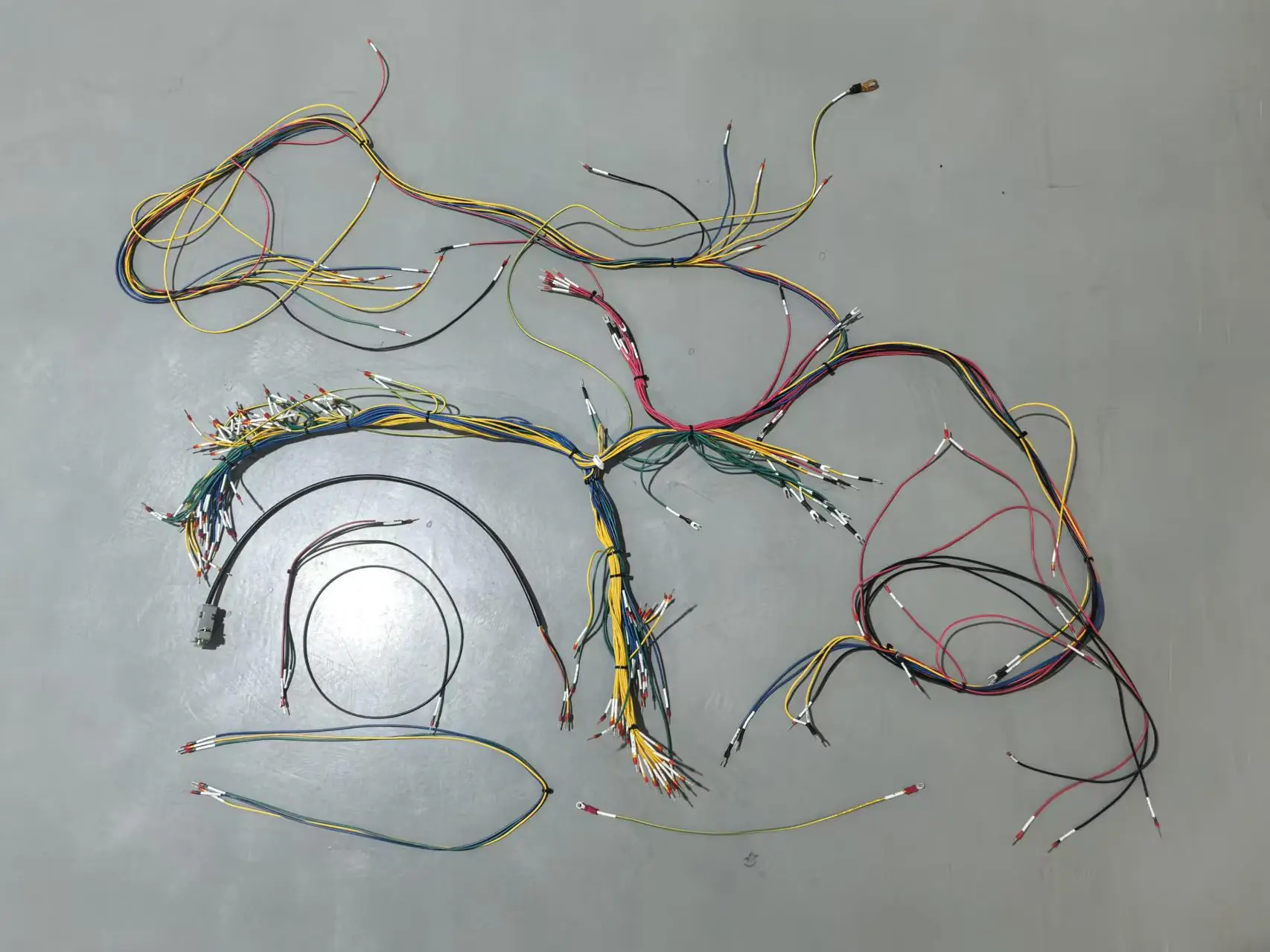
Industrial Panel Wire Harness is a custom wire harness that links PLC I/O, HMI panels, sensors, relays, terminal blocks, power supplies, and machine modules inside or around a control cabinet. US Tier-1 or equipment OEM buyers usually compare three suppliers on response speed, documentation, and controlled alternates before releasing samples. We start the RFQ review before price is locked: drawings, BOM, wire list, connector part numbers, DIN-rail route, ferrule or terminal style, labeling, shielding, grounding, branch length, test points, MOQ, sample timing, and production timing are checked against IPC-A-620 workmanship language, UL-758 wire expectations, and IATF 16949-style change control when the harness supports automotive, heavy equipment, or robotics programs.

5 harness components / 24-hour RFQ screenDetailed cost breakdown sheet availableIPC-A-620 / UL-758 / IATF 16949 evidence plan
5 harness components
Case-bank RFQ scope
24-hour response time
Urgent quote screen
7-10 days
Sample target when BOM is ready
100%
Continuity and pinout test plan

TL;DR

  • Send drawings, BOM, wire list, connector or terminal specs, cabinet route, quantity, MOQ target, and test-report requirements.
  • You receive RFQ clarification, sample lead time, production lead time, cost drivers, material-risk notes, and inspection plan.
  • Best fit: PLC cabinets, HMI boxes, sensor junctions, power supplies, machine modules, and industrial automation skids.
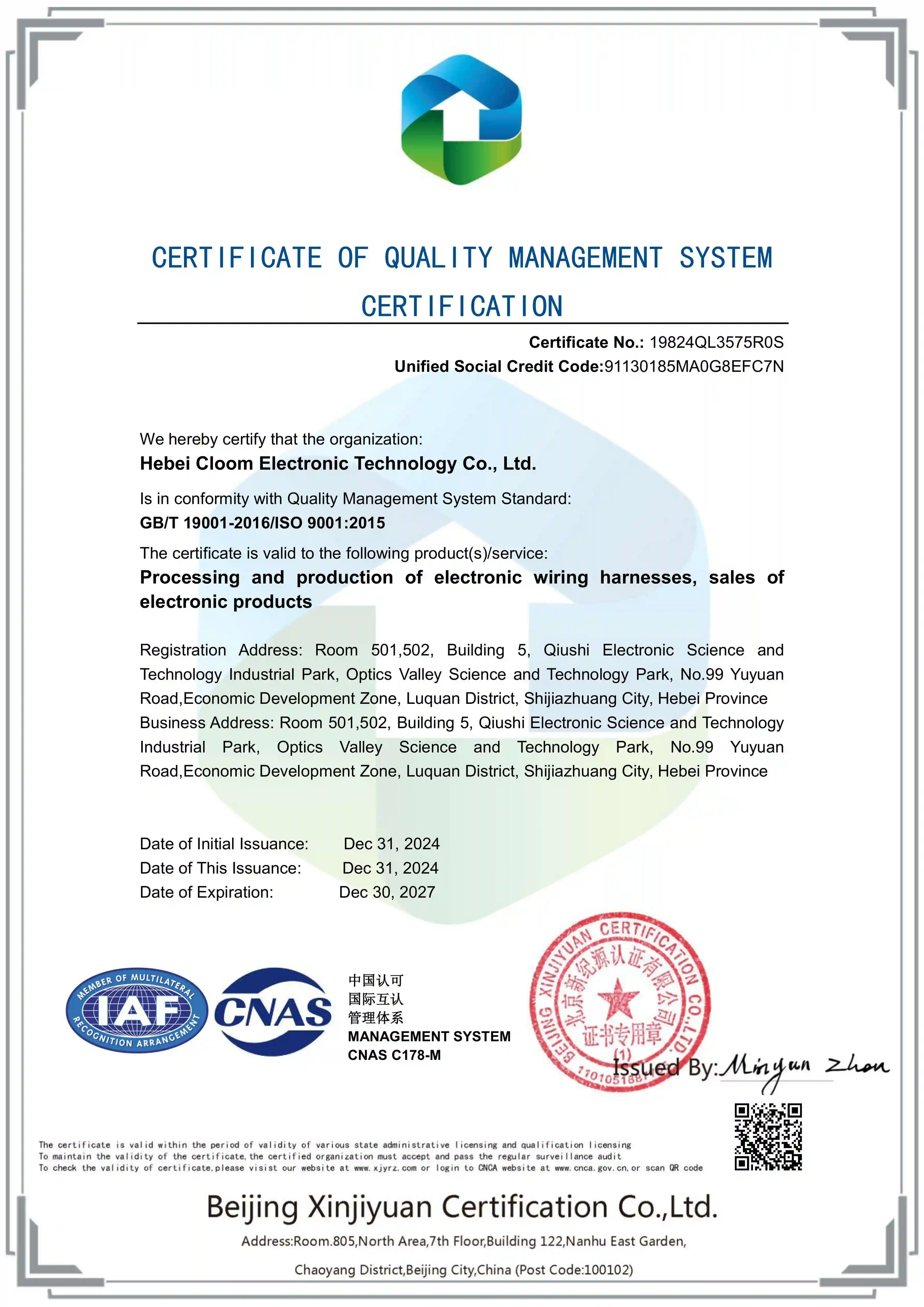
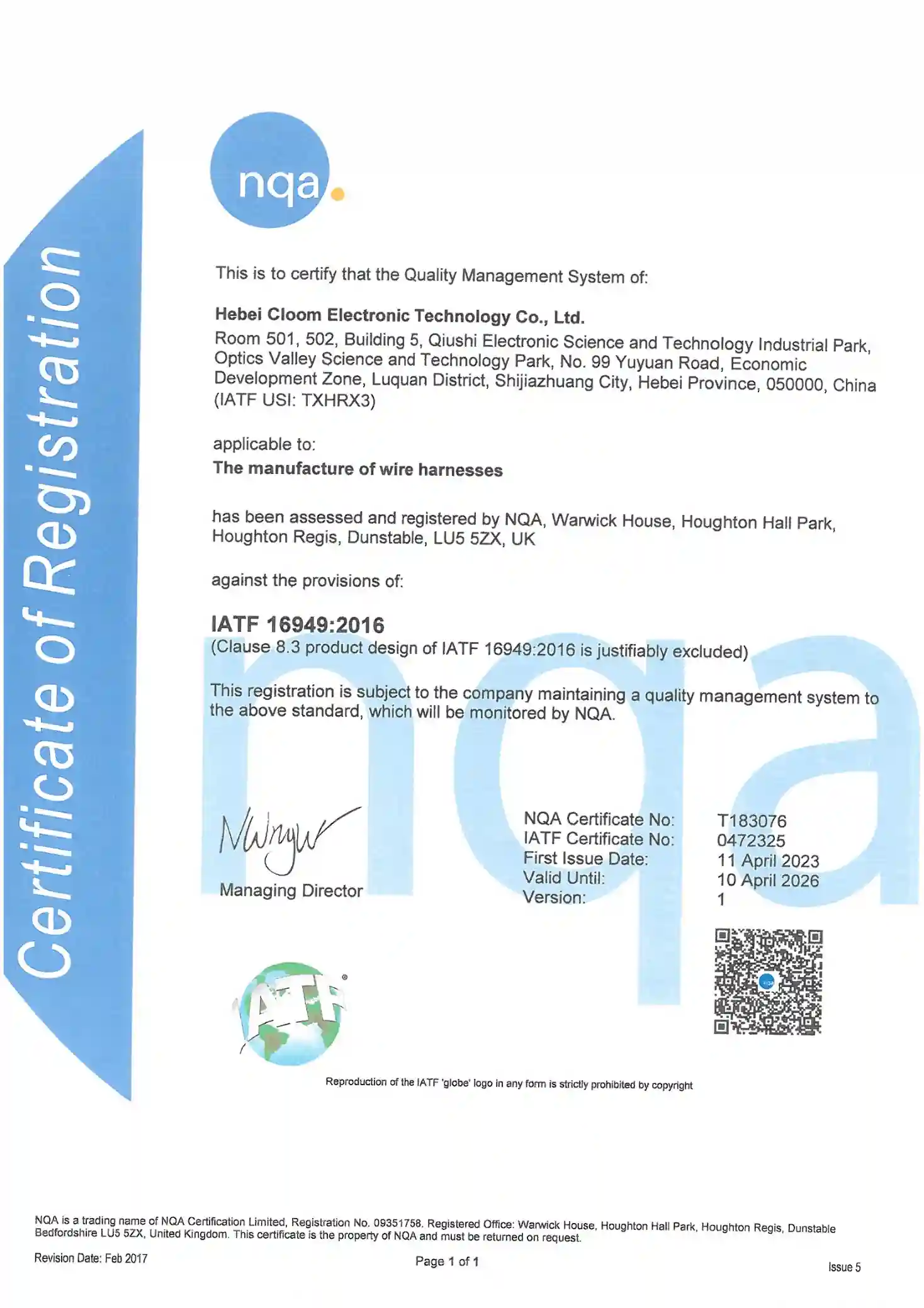
  • Key references: IPC-A-620 workmanship, UL-758 wire review, ISO 9001 documentation, and IATF 16949-style change control.

Industrial Panel Wire Harness capabilities

Built for RFQ-stage buyers who need supplier response speed, clean documentation, and sample evidence before committing to production.

Control cabinet harness review

Industrial Panel Wire Harness is an electrical assembly for organized routing between PLC I/O, HMI, relays, drives, sensors, safety circuits, and terminal blocks. We check pinout, branch length, ferrule or crimp terminal choice, label rules, shield drain handling, and cabinet routing before sampling.

PLC I/O, HMI, relay, drive, and sensor leads
Terminal block, ferrule, spade, ring, M8/M12, JST, Molex, TE, and buyer-specified ends
Harness routing for cabinet, machine frame, and skid interfaces

Urgent RFQ response workflow

The case-bank industrial automation RFQ involved 5 harness components, a 24-hour response time, and an immediate project timeline. We use the same first-screen process to separate missing drawing inputs from quote-ready parts instead of delaying the entire package.

5 harness components
24-hour response time
Immediate project timeline

Cost and alternate-material transparency

For industrial automation programs with cost pressure, we can separate connector, wire, terminal, label, labor, tooling, test, and packaging assumptions. The Brazil integrator case used a detailed cost breakdown sheet, free prototype samples, and equivalent connector datasheets to support internal approval.

Detailed cost breakdown sheet
Free prototype samples when approved by the program
Equivalent connector datasheets

Label, terminal, and test discipline

A panel harness fails quickly when labels are unclear or terminal orientation is wrong. We define label content, heat-shrink position, terminal pull-force sampling, continuity, shorts, polarity, shield continuity, and visual workmanship checks before release.

100% continuity and pinout test plan
Label and terminal-orientation checks
Pull-force sampling when required

MOQ, sample, and production planning

Small pilot builds and recurring production releases need different decisions. We separate sample quantity, MOQ constraints, production lot size, packaging, and release cadence so purchasing can compare suppliers on landed risk, not only unit price.

Prototype, pilot, and recurring production support
MOQ and lot-size visibility
Sample and production lead time separated

Standards-based engineering review

IPC-A-620 supports cable and wire harness workmanship review, UL-758 supports recognized wire and insulation discussion, ISO 9001 supports document control, and IATF 16949-style discipline helps programs where a panel harness feeds automotive or heavy equipment systems.

IPC-A-620 workmanship review
UL-758 wire review when applicable
IATF 16949-style change-control notes
Real project snapshot

Case-bank anchor used for this page

Challenge

A US heavy equipment automation company needed immediate quotes for multiple cable assemblies while looking for a reliable long-term supplier.

Solution

The factory team provided same-day/next-day quoting and sample pricing, then separated missing technical confirmations from quote-ready harness items.

Anonymized from a real project. Specific buyer identifiers withheld; numbers quoted verbatim from project records.

Where Industrial Panel Wire Harness is used

Industrial automation buyers use these harnesses when cabinet wiring must be repeatable, documented, and easy to inspect.

PLC and remote I/O cabinets

Point-to-point harnesses for PLC input/output cards, terminal blocks, relays, power supplies, and distributed I/O modules.

HMI and operator stations

Harnesses for control boxes, push buttons, lamps, E-stop stations, selector switches, and panel-mounted interfaces.

Sensor and actuator junctions

M8/M12, pigtail, shielded, and discrete-lead assemblies that connect sensors, valves, solenoids, and machine modules.

Heavy equipment automation

Control harnesses for machinery upgrades, hydraulic controls, engines, operator panels, and rugged equipment modules.

Industrial skids and process equipment

Repeatable wiring sets for pump skids, compressors, packaging machines, test stands, and production cells.

Pilot-to-production programs

RFQs where purchasing needs samples, MOQ clarity, cost breakdowns, and documented alternates before releasing production.

Industrial Panel Wire Harness capability table

Primary productIndustrial panel wire harness for control cabinets, PLC panels, HMI boxes, sensor junctions, and machine modules
Connector and terminal optionsFerrules, ring terminals, spade terminals, terminal blocks, M8/M12, JST, Molex, TE, Amphenol, Deutsch, and buyer-specified interfaces
Cable constructionDiscrete wires, multi-core cable, shielded pairs, twisted pairs, heat shrink, labels, sleeving, conduit, and branch protection when specified
Case-bank anchor5 harness components; 24-hour response time; immediate project timeline
Second case anchorDetailed cost breakdown sheet; free prototype samples; equivalent connector datasheets
Quality referencesIPC-A-620 workmanship review, UL-758 wire review, ISO 9001 documentation, and IATF 16949-style change control
Inspection scopeContinuity, pinout, polarity, shorts, label position, terminal orientation, shield continuity, pull-force sampling, dimensional checks, CoC, and test reports
Sample target7-10 days when drawings, BOM, connector stock, terminal tooling, and test scope are ready
RFQ inputsDrawing, BOM, wire list, panel route, connector or terminal specs, label rules, quantity, forecast, MOQ target, packaging, and test requirements
Out of scopeControl cabinet design, PLC programming, field installation, panel certification, and customer equipment safety approval
Industrial Panel Wire Harness

How panel harness RFQ risk is reduced

The quote should expose missing inputs, sourcing risk, test evidence, and sample timing before the purchase order is issued.

Urgent RFQs are screened fast

A US heavy equipment automation company needed quotes for 5 harness components under an immediate project timeline. The case recorded a 24-hour response time, initial sample pricing, and repeat inquiries after the first project.

Cost pressure is handled with evidence

A Latin American automation integrator needed internal justification for a major industrial project. The case used a detailed cost breakdown sheet, free prototype samples, and equivalent connector datasheets so the buyer could defend the sourcing decision.

Standards are tied to acceptance checks

Industrial Panel Wire Harness is a wiring product, not a slogan. IPC-A-620 is used for workmanship language, UL-758 for wire-material review where relevant, ISO 9001 for documentation practice, and IATF 16949-style control for approved alternates.

Prototype decisions differ from production decisions

For samples, the priority is pinout, label clarity, connector fit, and fast evidence. For production, the priority shifts to MOQ, lot control, packaging, inspection records, and alternate-material approval.

Standards used in panel harness review

These references help buyers separate workmanship, wire recognition, and automotive-style change-control expectations before supplier approval.

Reviewed by a factory engineer

WellPCB Wire Harness Production Engineering Team

Senior wire harness manufacturing engineer for industrial automation and equipment programs

10+ years supporting industrial automation and equipment harness RFQs
Factory review covers drawing, BOM, sample, MOQ, test, and production release risk
Experience with US, EU, Latin American, and Asia-Pacific OEM sourcing teams

Send Panel Harness Drawings

Send the drawing package, BOM, wire list, panel route, connector or terminal part numbers, quantity, MOQ target, sample deadline, and required reports. We will return RFQ questions, sample timing, production timing, cost drivers, material-risk notes, and a test-evidence plan.

Send this with your RFQ

Drawings, BOM, wire list, panel layout, connector or terminal part numbers, and mating details.

Quantity, target MOQ, sample quantity, annual forecast, production lead-time target, and delivery schedule.

Label rules, wire colors, gauge, cable jacket, shield or drain requirements, grounding rules, and branch lengths.

Continuity, pinout, polarity, shield continuity, pull-force, dimensional, CoC, and test-report expectations.

What you get back

RFQ clarification list, costed quote, sample lead time, production lead time, MOQ notes, and sourcing-risk comments.

Material availability review with equivalent connector or terminal datasheets when approved alternates are possible.

Recommended inspection plan tied to IPC-A-620 workmanship, UL-758 wire review, and customer acceptance criteria.

Open questions for missing pinout, labeling, cabinet route, test, packaging, and revision-control inputs.

Industrial panel harness RFQ questions

Answers for procurement, controls engineering, and supplier-quality teams before sample release.

What is an Industrial Panel Wire Harness?

Industrial Panel Wire Harness is a custom wire harness that organizes power and signal wiring between a control cabinet and PLC, HMI, sensor, relay, power supply, terminal block, or machine module. The RFQ should define drawings, BOM, wire list, labels, branch lengths, connector or terminal specs, and test criteria.

Can you quote an urgent panel harness package?

Yes, when enough technical input is available for a first screen. One case-bank RFQ covered 5 harness components with a 24-hour response time and an immediate project timeline. Missing pinout, terminal, or label details are listed separately so quote-ready items can keep moving.

Do you support small samples before production?

Yes. We separate sample timing from production timing and define MOQ constraints early. When drawings, BOM, terminal tooling, connector stock, and test scope are ready, a 7-10 day sample target is often practical for this type of harness.

Can you provide cost breakdowns and alternate connector datasheets?

Yes, when the buyer allows approved alternatives. In one industrial automation case, the buyer received a detailed cost breakdown sheet, free prototype samples, and equivalent connector datasheets to support internal project approval.

Which standards should be named in the drawing or purchase spec?

IPC-A-620 is useful for harness workmanship, UL-758 for wire and insulation review when applicable, ISO 9001 for documented quality practice, and IATF 16949-style change control when alternates or revisions affect automotive, robotics, or heavy equipment programs.