IO-Link Sensor, Actuator, and Master Cable RFQ Support

IO-Link Cable Assemblyfor Industrial Automation

IO-Link cable assembly is a custom sensor and actuator cable build that connects IO-Link devices, masters, distribution boxes, and control cabinets while preserving the pinout, shield plan, label map, and test evidence needed for production release. Procurement teams usually compare suppliers on connector availability, sample timing, drawing discipline, and whether the factory can support repeat changes in cable length, jacket, shielding, and connector model without losing traceability.

M8/M12 pinout review before quote100% electrical test release availableIPC-A-620 / UL-758 / ISO 9001 evidence plan
100%
Electrical test option
M8/M12
Sensor connector families
10+ SKUs
Case-bank program
IPC-A-620
Workmanship basis

TL;DR

  • IO-Link cable assemblies connect sensors, actuators, IO-Link masters, distribution boxes, and control cabinets.
  • We review M8/M12 coding, pinout, shield drain, jacket, bend radius, labels, and test scope before quote.
  • Best RFQ inputs: drawing, BOM, mating device, length, environment, annual volume, and required release evidence.
  • Production lots can include 100% continuity, polarity, shorts, shield-continuity, label, and visual inspection.

IO-Link Cable Assembly Capabilities

The cable looks simple, but industrial buyers need stable pinout control, connector sourcing, and release evidence across repeated design changes.

M8 and M12 IO-Link sensor leads

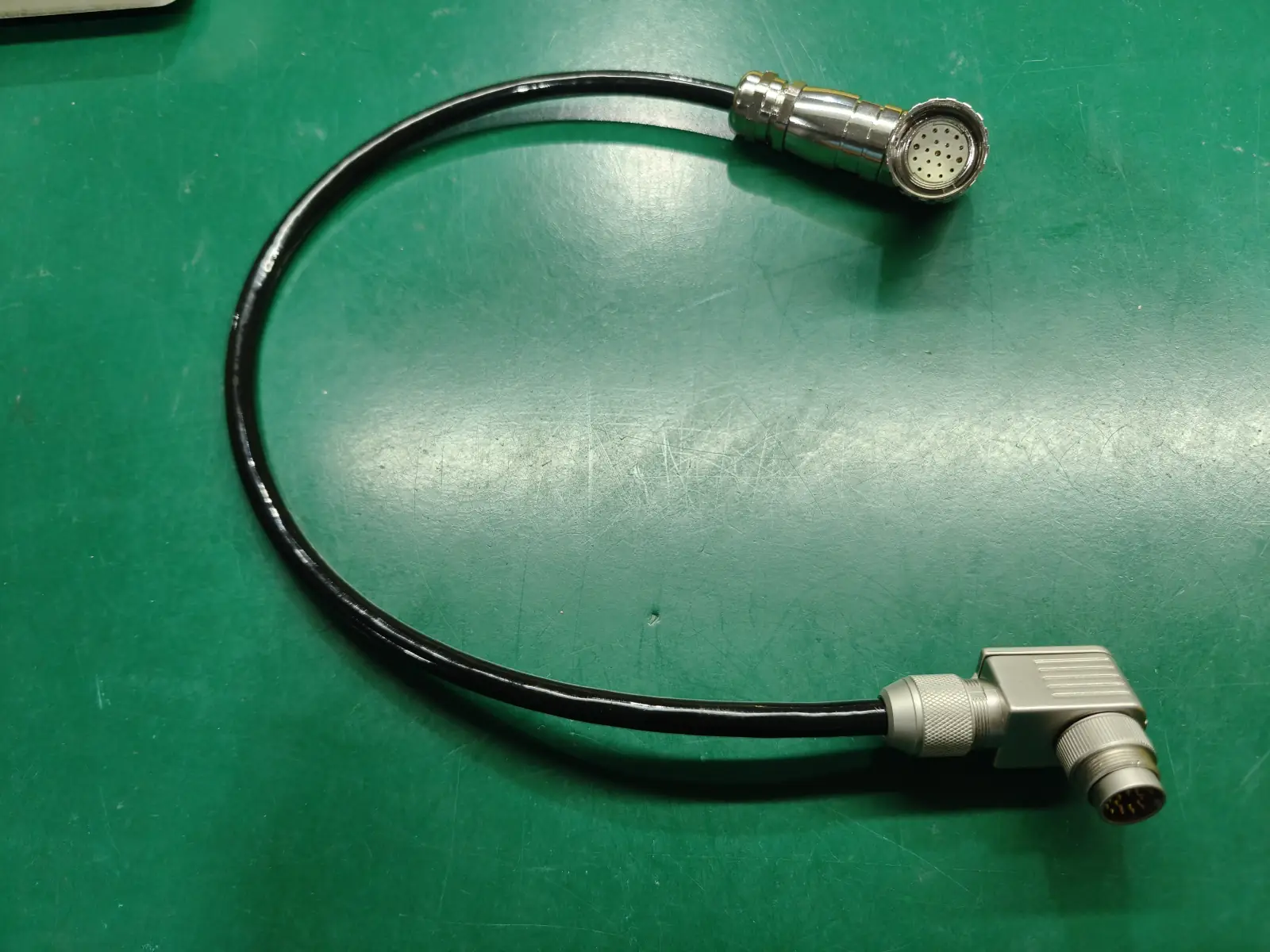
An IO-Link sensor cable is an industrial cable assembly used between a field sensor or actuator and an IO-Link master port. We build M8 and M12 straight or right-angle leads, open-end pigtails, cabinet transitions, and M8-to-M12 adapter cables according to your pinout and mating device.

M8 and M12 A-coded sensor cables
Straight, right-angle, panel, and open-end styles
Pinout, wire color, and label map controlled

Shielded and unshielded options

A shielded sensor cable is a cable assembly with foil, braid, drain wire, or connector-shell bonding used to reduce electrical noise in harsh equipment. We separate standard unshielded IO-Link leads from shielded builds for drives, robotics, weld cells, and long routing near motors.

Foil, braid, drain wire, or shell-grounding review
Shield-continuity test when specified
Noise-risk feedback before pilot release

PUR, PVC, TPU, and high-flex jackets

Jacket choice is an engineering trade-off. PVC is economical for static cabinet and short sensor runs. PUR or TPU is usually better for oil, coolant, abrasion, and moving-axis routing. High-flex cable is reviewed when the cable bends every cycle inside a robot cell or drag-chain route.

Static, washdown, oil-resistant, and moving-axis options
Bend radius and clamp-point review
Cable OD matched to connector and strain relief

Production test and release records

An IO-Link cable assembly is a production part only after the pinout and physical release conditions are proven. We can release each lot with continuity, polarity, shorts, insulation resistance, shield continuity, label verification, visual inspection, and customer-specific CoC or FAI records.

100% electrical test scope available
Label, length, and connector orientation checks
FAI, test report, CoC, and lot records
Real Project Snapshot

An anonymized cable-assembly case from the project case bank used to anchor this service page.

Industry

smart-hardware

Region

US

Year

2022 to 2026

Scenario

A US industrial smart-device distributor needed to scale a diverse range of custom cable assemblies from initial prototyping to high-volume mass production.

Challenge

Frequent design changes in cable lengths, shielding requirements, and connector models had to be handled while the buyer moved between sample orders and recurring production.

Solution

We supported agile sample turnaround and flexible manufacturing controls, then kept the approved drawing, BOM, label, connector, and test requirements stable as the project moved into volume production.

Result

The program scaled across multiple cable product lines, including Float sensor, Ethernet, and Speaker cables, while keeping engineering changes visible to procurement and supplier quality.

Concrete Numbers

order volumes ranging from dozens (samples) to 20,000+ unitsmulti-million dollar annual revenue program10+ SKUs managed

Anonymized from a real project. Specific buyer identifiers withheld; numbers quoted verbatim from project records.

Where IO-Link Cable Assemblies Are Used

These assemblies fit automation systems where compact field wiring, clear labels, and repeatable supplier control matter more than a catalog cable.

Factory automation sensors

Proximity, photoelectric, pressure, flow, level, and position sensors on conveyors, packaging equipment, assembly lines, and inspection stations.

Robotics and end-of-arm tooling

Sensor, gripper, valve, vacuum, and feedback leads where bend radius, clamp points, shielding, and replacement labels affect uptime.

IO-Link master and distribution boxes

M12 master-port cables, M8 sensor branches, cabinet pigtails, and distribution-box jumpers built to your pinout and field-label scheme.

Smart hardware and connected equipment

Cable families where length, connector model, shielding, and label rules change by SKU but must stay controlled across repeat orders.

Pressure and process sensors

Custom sensor leads for pump skids, HVAC equipment, fluid systems, and measurement devices that need material review and test records.

Maintenance and retrofit kits

Pre-labeled replacement cable sets for service teams that need faster installation and fewer field wiring errors.

Capability Table

Primary serviceCustom IO-Link cable assembly for sensors, actuators, masters, distribution boxes, and cabinet transitions
Connector familiesM8, M12, open-end, panel pigtail, field-wireable mating styles, and customer-specified industrial connectors
Typical pin counts3-pin, 4-pin, 5-pin, and drawing-specific sensor or actuator wiring
Cable constructionUnshielded, foil shield, braided shield, drain wire, PUR, PVC, TPU, TPE, and high-flex cable options
Case-bank anchororder volumes ranging from dozens (samples) to 20,000+ units; multi-million dollar annual revenue program; 10+ SKUs managed
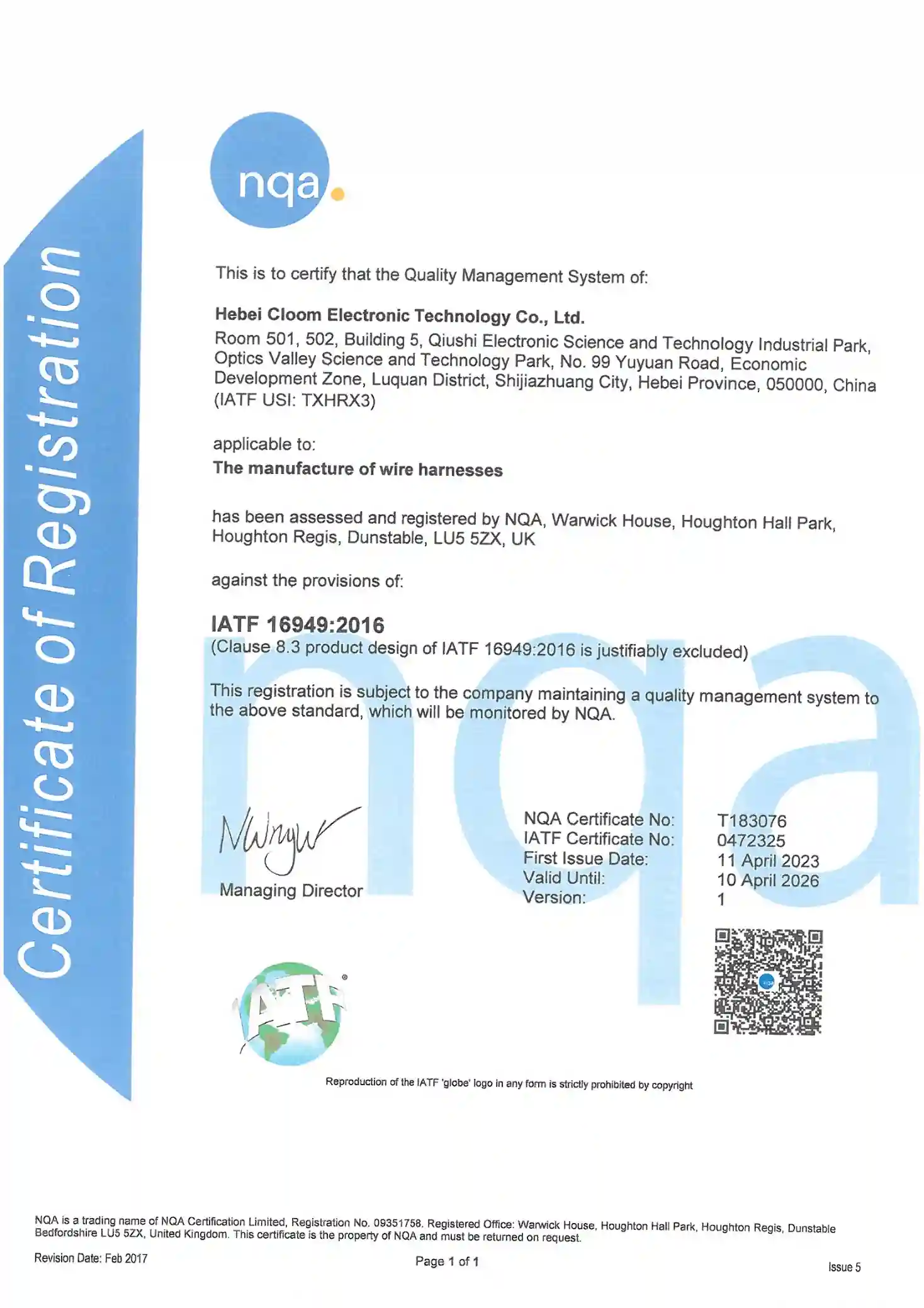
Quality referencesIPC-A-620 workmanship review, UL-758 wire context, ISO 9001 documentation practice, and IATF 16949-style traceability when required
TestingContinuity, polarity, shorts, insulation resistance, shield continuity, visual inspection, label verification, and optional pull-force records
RFQ inputsDrawing, BOM, mating device, pinout, length, jacket, shield requirement, environment, quantity, annual forecast, and documentation scope
DocumentationFAI, test report, CoC, connector datasheets, alternate-material notes, and packing specification when requested
IO-Link Cable Assembly

How We Reduce IO-Link Cable Sourcing Risk

A practical supplier should find the connector, routing, and documentation risks before the buyer approves the first sample.

Pinout and mating-device review before quote

We check the connector coding, pin count, gender, cable exit direction, mating device, wire color, and label rule before price lock. This prevents a low quote from becoming a sample rejection after the first IO-Link master or sensor fit check.

Change control for high-mix programs

The US smart-hardware case shows why flexible production matters: order volumes ranging from dozens (samples) to 20,000+ units and 10+ SKUs managed required stable revision, connector, label, and test controls as the buyer changed cable lengths and shielding.

Cost transparency for material alternates

A second case involved a US robotics integrator reviewing pressure sensors and cable harnesses for mass-production cost optimization. We used cost breakdowns and UL-certified alternative-material review so the buyer could reduce cost without losing compliance visibility.

Standards tied to real decisions

IPC-A-620 is useful for cable workmanship acceptance, UL-758 is relevant when selecting wire styles and insulation systems, and IATF 16949-style control is considered when the program needs automotive-level traceability.

Standards and Technical References

IO-Link cable assemblies are reviewed against practical workmanship, wire, and supplier-control expectations. We use public reference bodies for buyer context while keeping the actual inspection plan tied to your drawing and release requirements.

Factory Engineering Review

WellPCB Wire Harness Engineering Team

Senior factory engineers supporting industrial automation, robotics, smart hardware, and OEM sensor cable programs

10+ years supporting custom wire harness and cable assembly RFQs
China and Philippines production options for sample and production releases
Documented testing, connector sourcing, and supplier qualification support

Need a Custom IO-Link Cable Quote?

Upload the drawing, BOM, mating device, pinout, length, jacket, shield requirement, and quantity. We will return connector availability, DFM notes, sample timing, price breaks, and the release evidence plan.

Send This With Your IO-Link RFQ

Drawing, BOM, pinout, mating sensor, IO-Link master, or distribution-box reference.

M8 or M12 connector gender, coding, orientation, cable length, jacket, and shield requirement.

Routing environment: static cabinet, washdown, oil exposure, moving axis, drag chain, or robot cell.

Sample quantity, production quantity, annual forecast, target lead time, and approved alternates.

Required evidence: FAI, continuity, polarity, shield continuity, insulation resistance, labels, CoC, or packing photos.

What You Get Back

Connector availability, MOQ, and sourcing-risk notes.

DFM comments on pinout, wire color, bend radius, shield termination, and overmold fit.

Sample lead time, production lead time, price breaks, and alternate-material options.

Test scope and release-record plan tied to the exact cable construction.

IO-Link Cable Assembly Questions Buyers Ask

Answers for procurement, automation engineering, and supplier-quality teams comparing custom cable suppliers.

Can you build IO-Link cables from an existing sample?

Yes, but we still ask for a drawing or approval standard before production. A sample helps confirm connector style, cable OD, length, and labels; the drawing or written approval rule locks the pinout, test plan, material acceptance, and repeat-order traceability.

Do IO-Link cables always need shielding?

No. Short static sensor leads often work well unshielded. Shielding becomes more important near drives, motors, welders, robotics axes, long runs, or noise-sensitive measurement systems. We quote shielded and unshielded constructions separately when the environment is unclear.

How do you handle changing lengths and connector models across SKUs?

We control each SKU with its own drawing, BOM, label rule, connector source, and test scope. The case bank includes a smart-hardware program with order volumes ranging from dozens (samples) to 20,000+ units and 10+ SKUs managed, so revision discipline matters as much as assembly labor.

Can you support cost-down alternates for IO-Link and sensor cables?

Yes, when alternates are technically approved. In a US robotics case, the buyer reviewed pressure sensors and cable harnesses with Certifications: UL and requested cost breakdowns plus UL-certified alternative materials. We separate original and alternate quotes so engineering can approve the change deliberately.

What tests should we require for production release?

At minimum, require continuity, polarity, shorts, visual inspection, length, and label verification. Add insulation resistance, shield continuity, pull-force sampling, or connector orientation checks when the cable is shielded, moving, sealed, or safety-critical.