Cable Identification and Revision-Control Review

Wire Harness Labeling Servicefor Quote-Ready OEM Cable Assemblies

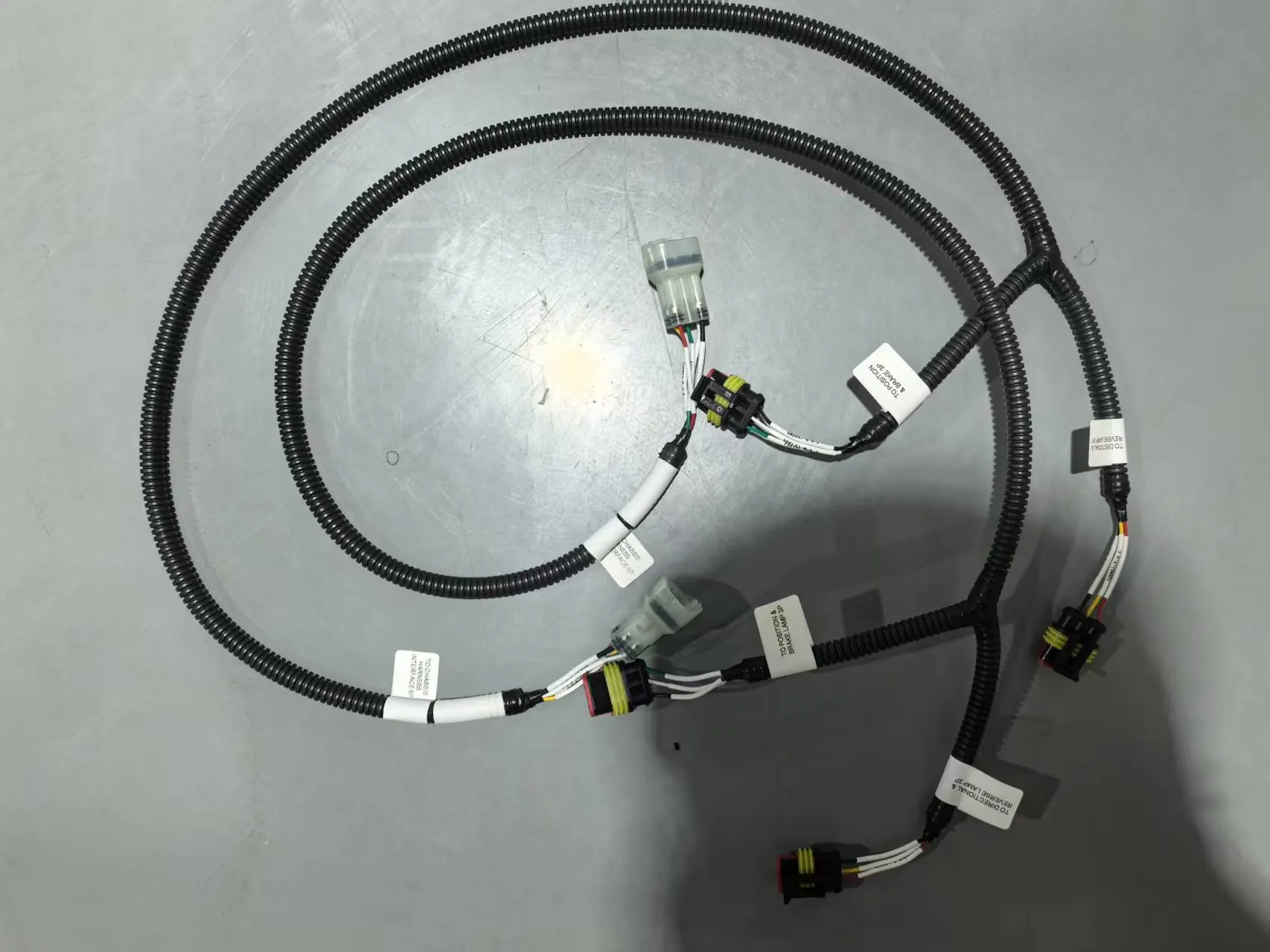
Wire harness labeling service is the controlled application of wire numbers, connector IDs, branch markers, heat-shrink sleeves, wrap labels, barcode tags, carton labels, and revision marks to a finished harness. We review label text, material, position, print durability, drawing revision, and final inspection evidence before quotation so installers, receiving teams, and quality engineers can identify every circuit without rework.

Label file reviewed before quoteRevision, barcode, and pack-out controlsIPC-A-620 / UL-758 / ISO 9001 evidence plan
V2.0 to V2.1
Revision Case
100%
Label Check Option
UL-758
Wire Context
IPC-A-620
Workmanship Context

TL;DR

  • Use this service when labels must match drawings, terminal schedules, kit lists, or field-service instructions.
  • We support heat-shrink, wrap, flag, sleeve, barcode, QR, serial, carton, and branch labels.
  • Send label text, position rules, drawing revision, material preference, quantity, and inspection requirements.
  • Best fit: control panels, machinery, vehicles, service kits, and regulated OEM builds.

Wire Harness Labeling Capabilities

For buyers who need harness identity to survive production, receiving, installation, service, and repeat orders.

Wire number and connector ID labeling

A wire number label is an identification marker that links a conductor to the drawing, terminal schedule, connector cavity, or test record. We apply wire numbers, connector IDs, branch tags, and circuit labels in locations that remain visible after routing, sleeving, and packing.

Wire number, connector ID, terminal number, branch, and circuit labels
Label position reviewed against connector exits, bend radius, clips, and sleeves
Drawing, wire list, and terminal schedule cross-check before production

Heat-shrink, wrap, sleeve, and flag labels

A heat-shrink wire label is a printable sleeve that shrinks around the conductor for permanent identification. Wrap labels and flag labels are used when the wire size, service access, or installation route requires a different reading surface.

Heat-shrink markers for permanent circuit identification
Wrap, flag, sleeve, and self-laminating labels for service access
Label material selected for wire size, jacket, temperature, and abrasion exposure

Barcode, QR, serial, and lot marking

A barcode cable label is a scannable identification label used to connect a harness to the part number, drawing revision, lot, serial number, shipment, or receiving workflow. We confirm barcode fields, scan distance, label size, and carton identity before release.

Barcode, QR, serial, lot, date code, and carton labels
Customer part number and internal work-order separation
Scan or visual inspection checkpoints available before packing

Revision-controlled label release

Harness labels can become wrong when drawings change faster than open POs. We lock the label file, drawing revision, BOM, wire list, and packing instruction before production, then isolate pilot, old-revision, and new-revision stock when engineering changes arrive.

Drawing, BOM, label file, and packing revision lock
Deviation review for color, connector, length, label, and end-treatment changes
First-article label photos and release records available

Custom color, marking, and end-treatment control

Cable identification is not limited to printed labels. We also review wire color, connector color, stripe patterns, laser marks, sleeve color, end treatments, and customer-specific appearance requirements when those details affect acceptance.

Custom wire color, connector color, stripe, sleeve, and marker review
End-treatment notes tied to crimp, tinning, ferrule, seal, or boot requirements
Appearance and marking requirements checked during in-process inspection

Final label inspection and pack-out records

Labeling is checked after the harness is electrically released, not treated as decoration at the end. Inspection can include text accuracy, orientation, position, adhesion, shrink quality, scan readability, part count, carton labels, and release photos.

100% visual label check option before shipment
Continuity, polarity, label, and pack-out checks aligned in one release flow
Inspection photos, CoC, and first-article evidence available when required
Real Project Snapshot

An anonymized industrial harness case showing how label content and end-treatment control were handled during a live revision change.

Industry

industrial

Region

South Africa

Year

2022-Q1

Scenario

An industrial equipment integrator needed to update their wire harness design from V2.0 to V2.1 while simultaneously enforcing strict safety certifications for their end market.

Challenge

The customer required a mid-production design iteration (Harness 499 V2.0 adjusted to 1289 V2.1) and mandated UL certification for the wire harnesses, requiring strict material compliance and documentation without disrupting the urgent delivery schedule.

Solution

Engineering teams coordinated closely on the V2.1 drawing updates, specifically confirming label content and end-treatment specifications. Sourced and verified UL-certified wire and components to meet the stringent safety standards requested by the customer's electronic engineering team.

Result

Seamlessly transitioned production to the V2.1 specification without lead time penalties, delivering fully UL-certified harnesses that met the customer's rigorous safety and quality standards.

Concrete Numbers

UL certification requirementV2.0 to V2.1 revision transitionCustom label and end-treatment specifications

Anonymized from a real project. Specific buyer identifiers withheld; numbers quoted verbatim from project records.

Where Harness Labeling Prevents Rework

Label control matters most when the receiving, installation, maintenance, or compliance workflow depends on fast circuit identification.

Industrial control panels

Terminal-block harnesses, DIN-rail cabinet wiring, ferrule leads, and field IO cables where every wire number must match the schematic.

Machinery and automation harnesses

Sensor, actuator, motor, encoder, safety, and HMI harnesses that installers must land without tracing each circuit manually.

Vehicle and heavy equipment builds

Engine, lighting, dashboard, battery, and accessory harnesses that need branch tags, connector IDs, and service-friendly part numbers.

Medical and laboratory equipment

Traceable cable assemblies where label durability, lot identity, revision status, and inspection records help support controlled production.

Service and spare-part kits

Replacement harness kits with customer part numbers, barcode labels, carton marks, and installation-friendly identifiers.

Prototype-to-production revisions

NPI builds where label text, orientation, and end treatment must change without mixing old and new drawing revisions.

Wire Harness Labeling RFQ Table

Label formatsHeat-shrink marker, wrap label, flag label, sleeve label, branch tag, connector ID, carton label
Identification dataWire number, terminal number, connector ID, customer PN, barcode, QR, serial, lot, date code, revision
RFQ inputsDrawing, wire list, label file, terminal schedule, label position rules, sample photo, quantity, packing method
MaterialsPrintable heat-shrink tubing, self-laminating wrap, polyester labels, nylon tags, sleeves, and customer-specified media
Inspection optionsText check, position check, shrink quality, adhesion, scan readability, carton label, first-article photos
Production controlsRevision lock, label file approval, deviation review, lot traceability, work instruction, final pack-out check
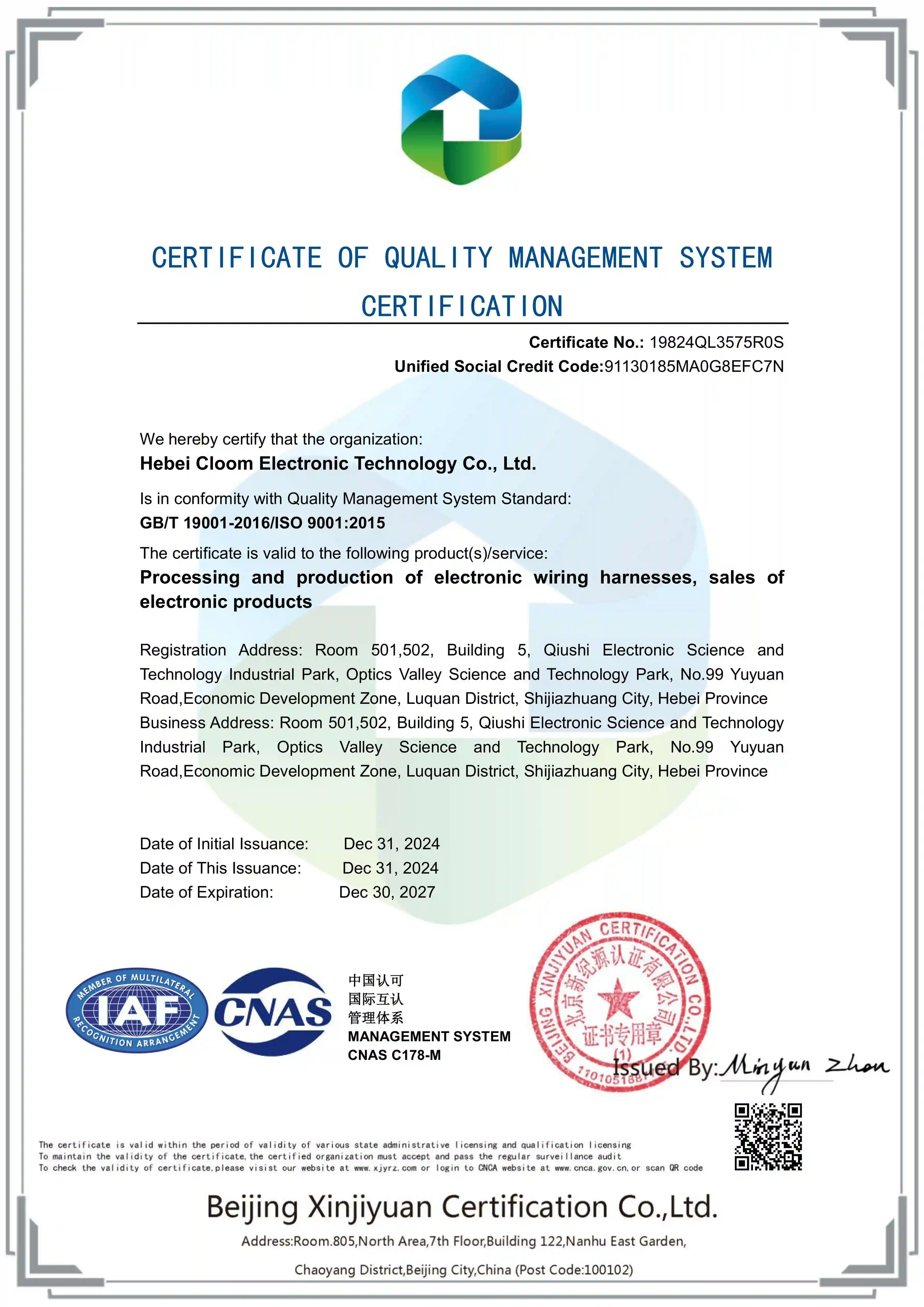
Quality referencesIPC-A-620 workmanship context, UL-758 wire material review, ISO 9001:2015 record control, IATF 16949:2016-style change discipline
Commercial outputsSample lead time, label tooling or print setup, unit price, MOQ, inspection scope, packaging cost drivers
Wire Harness Labeling Service

How We Control Labeling Before Production Release

A harness can pass continuity testing and still fail receiving if the label file, drawing revision, or part identity is wrong.

We quote label work as a controlled build step

Labeling affects labor time, material choice, inspection, packing, and field installation. We ask for the label file, label position, reading direction, and acceptance rule before treating the RFQ as complete.

We connect labels to drawing revision control

When a drawing changes from pilot to production, the label file must change with it. We lock revisions and separate old and new stock so the buyer does not receive mixed label content.

We treat scan and visual checks differently

A visual part label can be accepted by eye, while a barcode or QR label needs size, contrast, quiet zone, scanner distance, and data-field review. We separate those checks instead of assuming one label format fits every workflow.

We keep appearance requirements visible

Connector color, wire color, sleeve color, stripe patterns, and end treatments can be acceptance criteria. In one electrical-supply case, 200 pieces reworked, Molex connectors, and custom dyeing specification became the recovery focus after color deviation.

Labeling Release Process

A practical flow for moving from label rules to inspected harness shipments.

1

Label File and Drawing Review

We compare the label file, wire list, connector IDs, terminal schedule, BOM, and current drawing revision before quoting.

2

Sample Label and Position Approval

Label material, print size, orientation, distance from connector, shrink result, and scan or visual readability are confirmed.

3

Production, Inspection, and Pack-Out

Finished harnesses are electrically released, labeled, inspected for text and position, then packed with part, lot, carton, and revision identity.

Standards and Supplier Qualification References

Wire harness labeling connects workmanship, material selection, quality records, and buyer-specific traceability. These public references help purchasing teams align supplier-review language.

Factory Engineering Review

Hommer Zhao

Wire harness manufacturing specialist at WellPCB

Supports wire harness and cable assembly RFQs from drawing review through production release
Works with ISO 9001 and IATF 16949-style traceability expectations for OEM programs
Reviews connector sourcing, crimping, labeling, kitting, and test evidence before buyer approval

Need Harness Labels That Match Your Drawing?

Send your drawing, label file, wire list, barcode rules, and packing requirements. We will review label material, position, revision risk, and inspection evidence before quoting.

Send This With Your Labeling RFQ

Harness drawing, BOM, wire list, connector ID map, terminal schedule, and current drawing revision

Label text file, barcode or QR data fields, font size, orientation, distance from connector, and label position rules

Preferred label media: heat-shrink, wrap, flag, sleeve, polyester, nylon tag, carton label, or buyer-specified material

Sample quantity, production forecast, inspection scope, first-article photo needs, and packing method

Revision-control rule for pilot builds, old stock, deviation files, color changes, and end-treatment changes

What You Get Back

Manufacturability notes for label material, print space, position, bend radius, sleeve, and connector access

Sample lead time, production lead time, MOQ, unit price, label setup cost, and inspection assumptions

Recommended label inspection plan covering text accuracy, position, adhesion, shrink quality, and scan readability

Revision-control and pack-out recommendations for receiving, line-side use, service kits, and repeat orders

Buyer Questions Before Wire Harness Labeling RFQ

Answers for purchasing, quality, and engineering teams comparing cable marking suppliers.

What is a wire harness labeling service?

A wire harness labeling service applies controlled identification to a cable assembly, including wire numbers, connector IDs, branch tags, part labels, serial labels, barcode labels, carton labels, and revision marks. The goal is to make the harness traceable and installable without guesswork.

Which label format should we choose?

Use heat-shrink markers for permanent wire identification, wrap labels when the wire cannot be sleeved easily, flag labels when text needs a larger reading area, and barcode or QR labels when receiving or production systems need scanning.

Can labels be added after the harness is already built?

Sometimes, but it is better to define labels before production. Late labeling can be blocked by sleeving, branch ties, connector position, bend radius, or packing method. Early review prevents rework and keeps label inspection tied to final electrical release.

How do you prevent wrong labels after a drawing revision?

We lock the drawing, BOM, wire list, label file, and packing instruction before release. During one industrial case, the active change was V2.0 to V2.1 revision transition with Custom label and end-treatment specifications, so the label content was reviewed together with the new harness revision.

Do you handle custom appearance requirements?

Yes. Identification can include connector color, wire color, sleeve color, stripe patterns, and visible markings. In an electrical-supply recovery case, 200 pieces reworked, Molex connectors, and custom dyeing specification were the concrete control points after a color deviation.

Which standards matter for labeled wire harnesses?

Labeling is reviewed with the harness build, not as a separate print job. We use IPC-A-620 workmanship context, UL-758 wire material review, ISO 9001 record control, and IATF 16949-style change discipline where buyer programs require documented traceability.