Terminal Block Cable Assemblyfor Control Cabinet and Machine Wiring
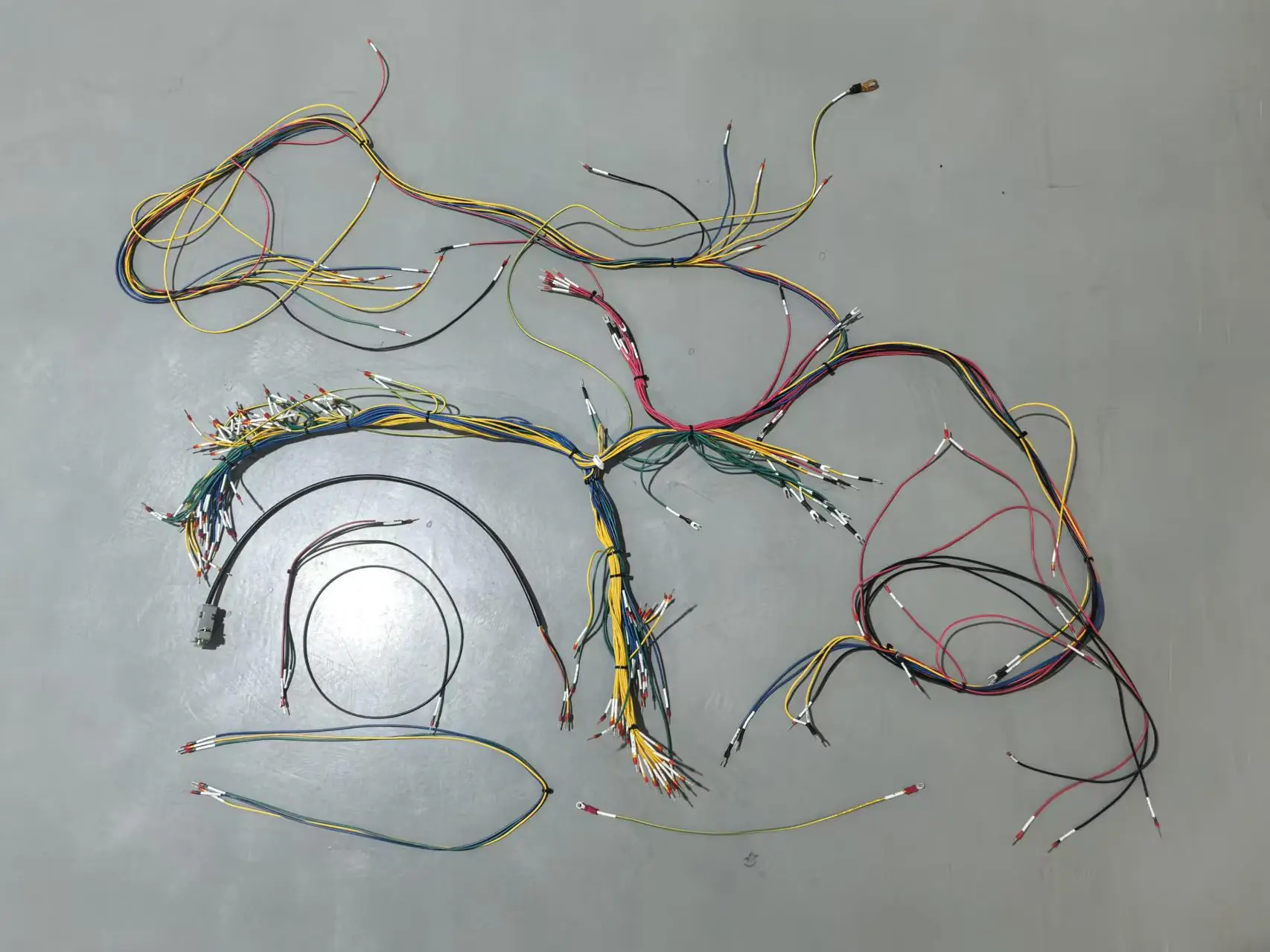
A terminal block cable assembly is a pre-built harness that lands stripped, ferruled, labeled, or connectorized conductors into screw, spring-clamp, push-in, or pluggable terminal blocks. We build these assemblies for control cabinets, machinery panels, robotics cells, pump skids, industrial sensors, and retrofit kits where installers need clean wire identity, reliable terminations, and 100% electrical test evidence before the harness reaches the line.
TL;DR
- Best fit: control cabinets, DIN rail panels, machinery wiring, robotics cells, pump skids, and retrofit kits.
- We review terminal pitch, ferrule type, strip length, label rules, wire route, and test fields before quote.
- Send drawings, terminal schedule, BOM, connector part numbers, wire list, label map, quantity, and inspection needs.
- Release evidence can include continuity, polarity, shorts, label, visual, pull-force sampling, and first-article photos.
Terminal Block Cable Assembly Capabilities
For OEM buyers who need panel-ready harnesses with controlled wire preparation, terminal fit, labels, and test records.
Terminal block and DIN rail harness builds
A terminal block cable assembly is a wire harness prepared to land into a defined terminal block layout, often inside a control cabinet or machine panel. We check terminal pitch, current rating, conductor size, strip length, ferrule barrel, jumper needs, and bend radius before the first sample is released.
Ferrule crimping and stripped-lead preparation
Ferrule crimping is a termination method that compresses stranded conductors into a sleeve before terminal insertion, helping prevent loose strands and unstable clamp contact. We review insulated versus uninsulated ferrules, twin ferrules, strip length, crimp height, pull-force sampling, and color-code expectations.
Wire numbering, branch labels, and kit identity
A wire number is an installation reference that connects each conductor to the drawing, terminal schedule, and test record. We apply heat-shrink, wrap, flag, sleeve, barcode, or customer-format labels so installers can land the harness without tracing every wire from scratch.
Connector-to-terminal and sensor breakout assemblies
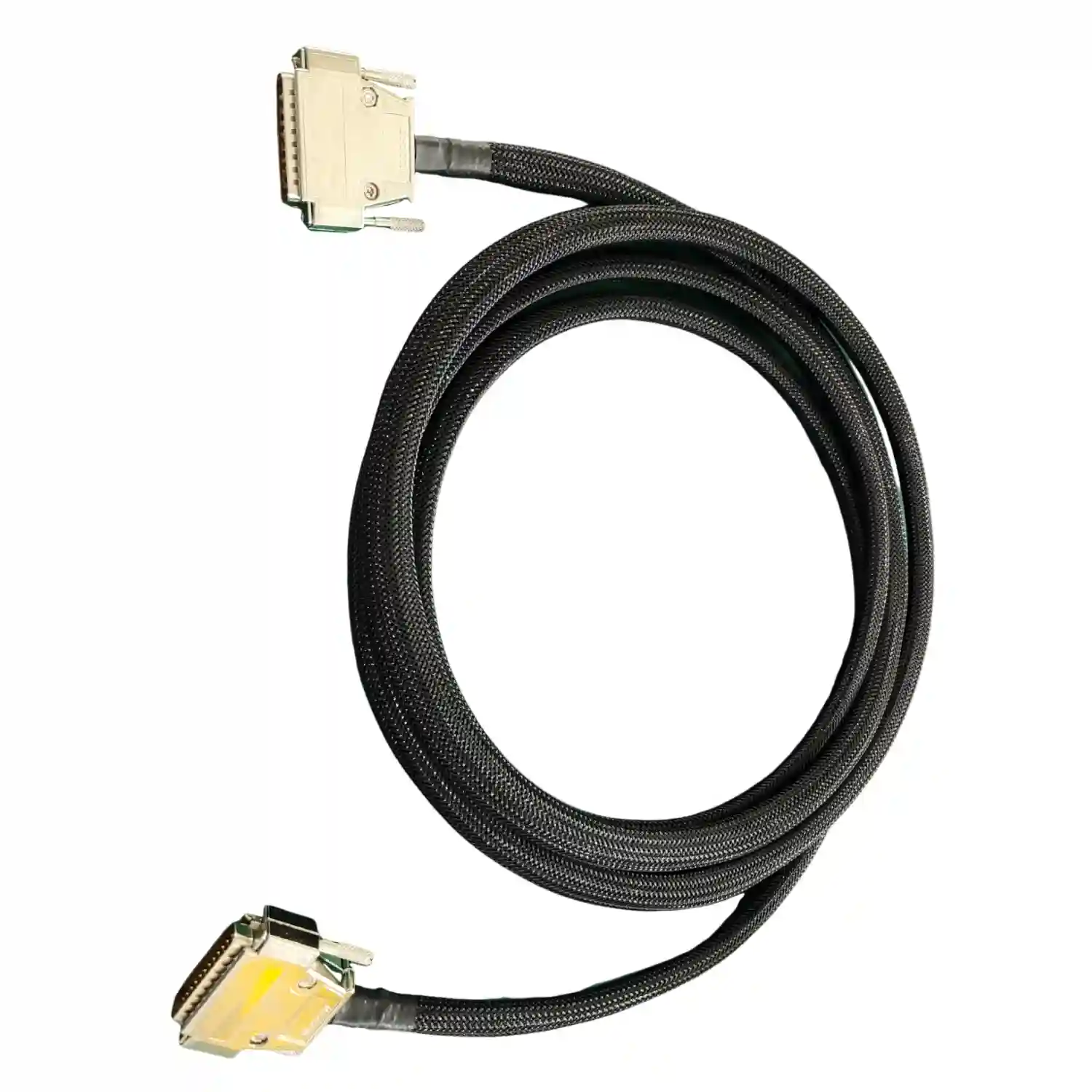
Many panel harnesses connect M8, M12, JST, Molex, TE, Deutsch, or circular connectors on one end to terminal blocks on the other. We define pinout, polarity, shield drain handling, grounding point, and spare conductor treatment before production starts.
Panel-ready harness kitting
Panel-ready kitting groups tested terminal block harnesses with labels, glands, boots, cable ties, ferrules, loose connectors, and packing records. This matters when each cabinet, skid, or machine station needs a matched harness set instead of loose wires in bulk.
Electrical test and release documentation
Terminal block harnesses can fail from swapped terminals, loose wire numbers, wrong ferrule size, missing jumpers, or shield-drain mistakes. We define continuity, shorts, polarity, label, visual, and report fields before quotation so the release package matches the buyer's inspection method.
An anonymized RFQ case showing how we keep a custom harness program moving when the buyer cannot release the full wiring package yet.
Industry
robotics
Region
Brazil
Year
2025-Q2
Scenario
An engineer at a robotics and motion control distributor initiated a new project inquiry for a custom wire harness.
Challenge
The customer stated they could only provide the full wiring diagram if the project was awarded, making accurate quoting and risk assessment difficult at the inquiry stage.
Solution
We evaluated the partial specifications, provided references to similar past case studies, proposed a technical exchange meeting to align on requirements, and offered free prototyping to validate the design before full commitment.
Result
The project pipeline stayed active and trust improved despite incomplete inquiry data, leading to continuous new project inquiries from the customer's engineering team.
Concrete Numbers
Anonymized from a real project. Specific buyer identifiers withheld; numbers quoted verbatim from project records.
Where Terminal Block Harnesses Fit
Built for buyers who want the harness prepared before it reaches the cabinet shop, machine builder, or field service team.
Control cabinets and DIN rail panels
Pre-labeled wire sets for PLC I/O, relays, contactors, power supplies, safety circuits, sensor distribution, and cabinet door interfaces.
Industrial machinery and pump skids
Harnesses for motors, sensors, solenoids, valves, switches, and operator controls where panel landing points must match a terminal schedule.
Robotics cells and motion systems
Connector-to-terminal assemblies for end effectors, sensors, E-stop loops, servo support wiring, and distributed I/O boxes.
Field retrofit and service kits
Replacement cable sets packed with wire numbers, terminal references, loose accessories, and service-friendly labels for technician installation.
Energy storage and UPS cabinets
Low-voltage control harnesses, signal wiring, fan leads, alarm circuits, and interlock connections routed into cabinet terminal blocks.
Test fixtures and production equipment
Short-run terminal harnesses for inspection fixtures, burn-in rigs, calibration stations, and production-line equipment.
Terminal Block Cable Assembly Capability Table

How We Reduce Panel Wiring Risk Before Sampling
Most terminal block harness problems are visible before production if the quote reviews the terminal schedule, labeling logic, and test method.
We quote from the terminal schedule, not only the harness drawing
Two assemblies with the same wire count can have different risk when one uses ferrules, terminal jumpers, multiple label types, or cabinet-specific landing order. We separate those assumptions before quoting.
We flag incomplete data early
If the buyer cannot share the full wiring diagram during supplier screening, we can quote an engineering range from partial data, then lock final cost after the technical exchange meeting and sample review.
We keep labels tied to inspection
A label is only useful when it matches the drawing, terminal number, branch route, and test record. We review label text, material, position, and durability before release.
We make tooling and test cost visible
For higher-volume programs, fixture work, crimp tools, terminal block jigs, and test harnesses should be quoted separately from unit price so purchasing can compare suppliers correctly.
Standards and Supplier Qualification References
Terminal block cable assemblies combine wire preparation, cable workmanship, material selection, labeling discipline, and release records. These public references help buyers align supplier-review terminology before the RFQ is locked.
IPC Workmanship Context
Public background on IPC as a standards body often referenced for cable and wire harness workmanship expectations.
UL Safety Organization
Public context for UL when buyers discuss recognized materials, safety expectations, and component documentation.
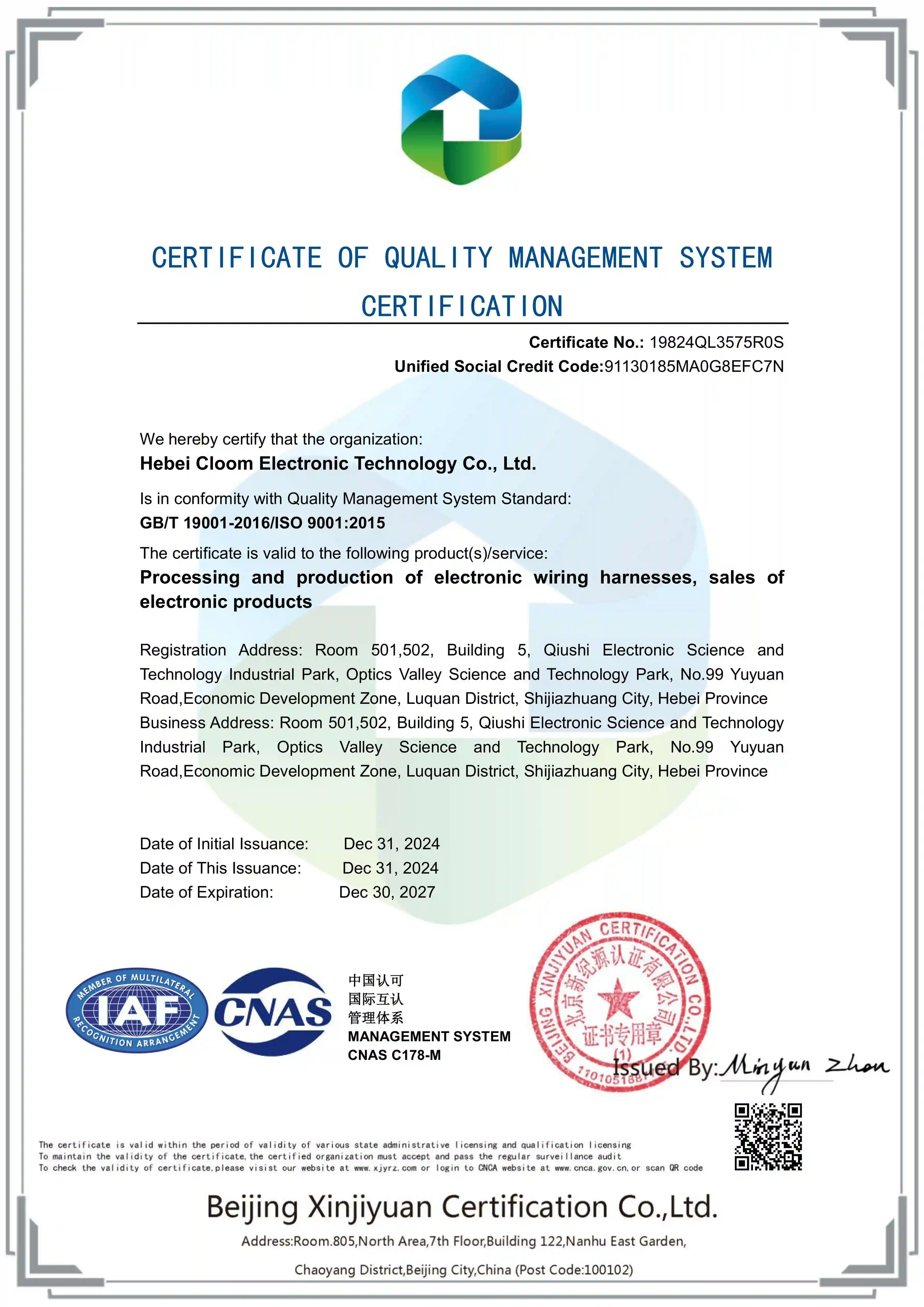
ISO 9000 Quality Systems
Useful background when procurement teams compare supplier document control, release records, and corrective-action systems.
Reviewed by
Hommer Zhao
Wire harness and cable assembly manufacturing specialist
Need a Terminal Block Harness Quote?
Send your drawing, terminal schedule, BOM, label map, connector list, quantity, and test expectations. We will return manufacturability notes, material risks, sample timing, production timing, and a release evidence plan.
Send This With Your Terminal Block RFQ
Harness drawing, terminal schedule, BOM, wire list, connector part numbers, and current drawing revision
Terminal family, pitch, current rating, conductor range, ferrule requirement, strip length, and jumper rules
Wire number format, label material, label position, barcode fields, carton labels, and language requirements
Sample quantity, production forecast, target lead time, packaging method, and line-side or service-kit workflow
Continuity, shorts, polarity, terminal-position, pull-force, visual, CoC, and test-report requirements
What You Get Back
Manufacturability notes for terminal fit, ferrule choice, strip length, label placement, and routing risk
Sample lead time, production lead time, MOQ, unit price, and separate tooling or fixture assumptions
Recommended test, inspection, first-article photo, kit packing, and release-record plan
Open questions for incomplete wiring data, connector alternates, terminal substitutions, and label-control gaps
Terminal Block Cable Assembly RFQ Questions
Answers for procurement, engineering, and panel-build teams before supplier selection.
What makes a terminal block cable assembly quote-ready?
Send the drawing, terminal schedule, BOM, wire list, connector part numbers, ferrule requirements, label map, quantity, target lead time, and test requirements. If the terminal brand is not locked, send the terminal pitch, conductor range, current rating, and cabinet constraints so we can propose controlled options.
Can you quote before we release the full wiring diagram?
Yes, but the quote should be treated as a controlled estimate. In the Brazil robotics case, we started from partial data evaluation, proposed a technical exchange meeting, and offered free prototyping offer before the buyer released complete project details.
Do terminal block harnesses need ferrules?
Not always. Ferrules are useful for many stranded-wire control circuits, especially where maintenance teams reconnect conductors. The decision depends on terminal style, conductor class, vibration exposure, service model, and the buyer's panel standard.
How should tooling cost be handled for high-volume terminal harnesses?
Keep tooling separate from unit price. A US distributor high-volume custom harness RFQ required 60,000+ unit inquiry volume, custom mold required, 3D file dependency for tooling quote, and a 2-month active communication cycle. The same transparency helps terminal harness buyers compare fixture and test assumptions.
What standards are relevant to terminal block cable assemblies?
We commonly align workmanship language with IPC-A-620, wire material review with UL-758 context, documentation with ISO 9001, and change control with IATF 16949-style practice when the harness feeds vehicle, robotics, or industrial equipment programs.
Can you pack harnesses by cabinet, panel, or machine station?
Yes. We can package tested terminal block harnesses by cabinet, DIN rail section, machine station, service kit, or installation order with labels, loose ferrules, connector accessories, packing checklists, and first-article photos when required.