Cable Assembly

Float Sensor Cable Assembly for Liquid-Level OEMs

Float sensor cable assembly manufacturing for level switches, pump tanks, smart hardware, wastewater controls, and liquid-level equipment where the weak point is usually not the float itself but the cable exit, connector availability, jacket choice, label rule, and 100% electrical test plan. We review waterproofing, strain relief, pinout, cable length, connector sourcing, and prototype-to-volume changes before price is locked.

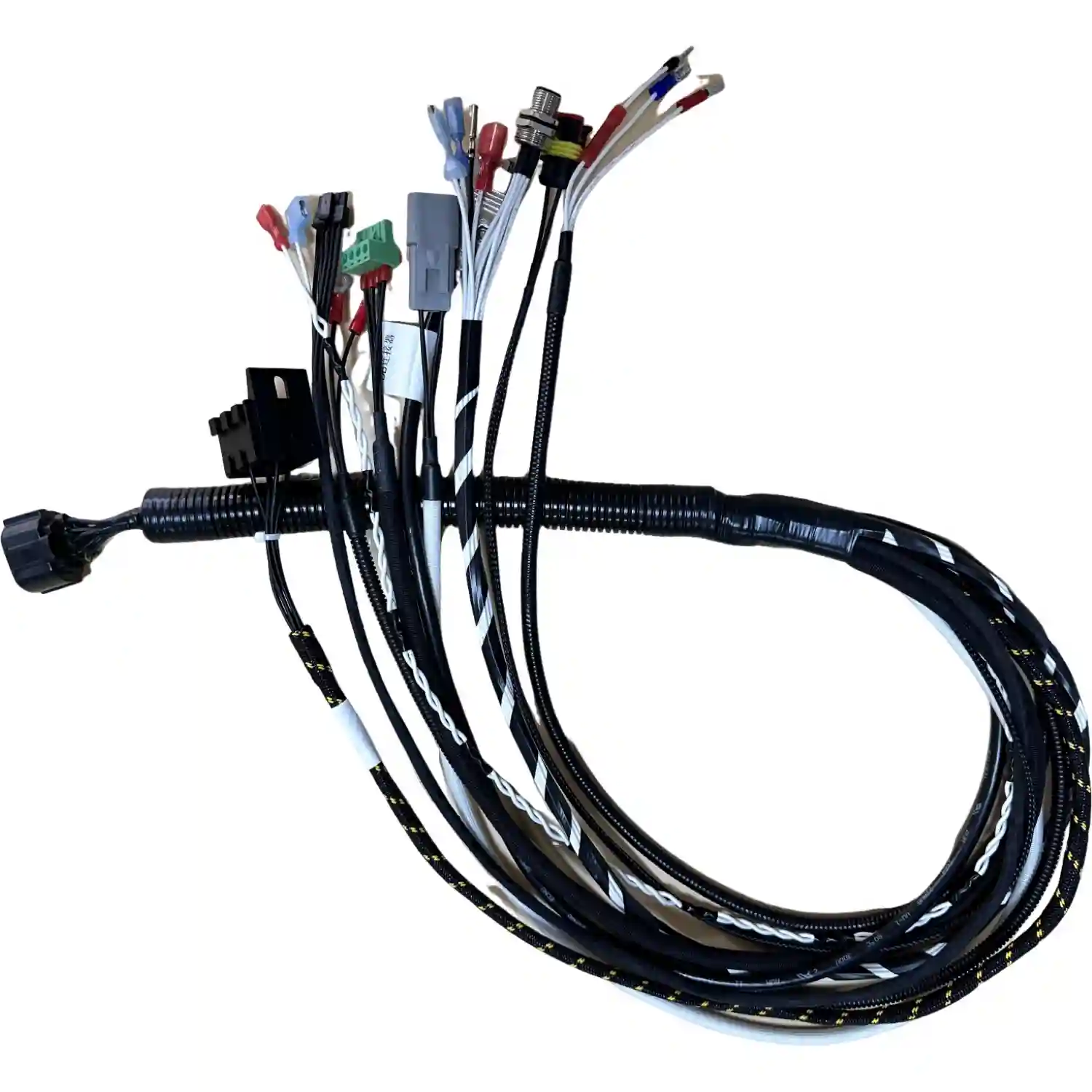
Float sensor cable assembly prototype and waterproof sensor cable sample
Case-bank scale-up10+ SKUs
Long-lead risk found14-16 weeks
Order range handledDozens to volume
Electrical test plan100%

Application Context

Float sensor cable assembly at a glance

A float sensor cable assembly is the wiring set that connects a liquid-level sensor to the controller that makes the pump, alarm, tank, or smart device respond. A float switch is a level sensor that changes state as liquid rises or falls, and the cable is often the first part exposed to moisture, movement, label errors, or connector shortages. We review the float switch model, cable exit, pinout, connector, jacket, strain relief, seal target, and 100% electrical test fields before the first sample is built.

This page is narrower than our M8 sensor cable assembly, M12 cable assembly, and pressure sensor cable assembly pages. It is for buyers who already know the application is liquid-level sensing and need a supplier to handle SKU changes, waterproof cable exits, connector alternates, production labels, and test evidence without turning the RFQ into a generic sensor-cable quote. For sealed connectors and sensor cordset conventions, public supplier references such as TE sensor cable assemblies are useful context, but the final acceptance criteria should come from your drawing and purchase contract.

  • Send the float switch model, wiring diagram, cable length, connector part numbers, liquid exposure, quantity, and test-report expectations.
  • Best fit: level switches, pump tanks, wastewater controls, smart hardware, HVAC condensate units, and industrial fluid systems.
  • RFQ review covers cable jacket, seal method, connector lead time, labels, pinout, strain relief, and 100% continuity testing.
  • We separate sample timing from production timing so design changes and long-lead sensors do not surprise purchasing after PO.

Capabilities

Float Sensor Cable Assembly Capabilities

The page focuses on liquid-level sensor cables and float-switch harnesses, while M8/M12, pressure sensor, and waterproof pages handle broader sensor or sealing decisions.

Float switch cable review

A float sensor cable assembly is a custom cable set that connects a float switch, liquid-level sensor, or level-control module to a pump controller, smart device, HVAC unit, tank panel, or industrial machine. We check whether the cable exit, pinout, connector, and strain relief match the real installation instead of quoting a generic sensor lead.

  • Float switch and liquid-level sensor leads
  • Open-end, M8, M12, JST, Molex, TE, or buyer-specified connector options
  • Two-wire, three-wire, shielded, and multi-drop layouts by drawing

Waterproof cable exit choices

A float switch is a level sensor that changes state as a liquid rises or falls, so the cable usually sits near moisture, condensation, washdown, or tank splash. We review overmold, gland, adhesive heat shrink, jacket material, and serviceability before sampling because the exit seal is often the first failure point.

  • IP67-style sealed connector review
  • Adhesive-lined heat shrink and boot options
  • PVC, PUR, TPU, TPE, silicone, or buyer-specified jacket review

Prototype-to-volume SKU control

Smart hardware and level-control programs often start with samples, then split into multiple cable lengths, connector models, and shielding options. We keep each SKU tied to a drawing revision, connector source, label rule, and test plan so production does not drift after the pilot build.

  • order volumes ranging from dozens (samples) to high-volume units
  • 10+ SKUs managed
  • Revision-controlled cable length, connector, and shield changes

Long-lead component mitigation

Float and level-sensor cables can stall when a named sensor, connector, or molded body is not available. We quote the specified part, flag lead-time risk, and propose a buyer-approved alternate path when the mating interface and compliance requirements allow it.

  • 14-16 week lead times flagged when present
  • Split-shipment and pre-buy planning
  • Approved alternate notes before sample release

Signal and contact protection

Float sensor cables may carry dry contacts, reed-switch signals, low-voltage control, or sensor outputs that fail when water ingress, wrong pull-up logic, or noise affects the line. We define polarity, contact logic, shield treatment, insulation resistance, and continuity checks before production.

  • Continuity, shorts, and contact-state verification
  • Shield continuity when specified
  • Label and connector-orientation checks

Documented RFQ deliverables

Procurement teams need clear assumptions before they compare suppliers. We return material availability, MOQ, sample timing, production timing, test evidence, open questions, and connector alternates instead of hiding them inside a single unit price.

  • Costed RFQ with sourcing-risk notes
  • Sample and production timing separated
  • CoC, FAI, and test-report options

Real Project Snapshot

Real Project Snapshot — Float Sensor SKU Scale-Up

smart-hardware · North America · Recent

Scenario: A North American industrial smart-device distributor needed to scale a diverse range of custom cable assemblies from initial prototyping to high-volume mass production.

Challenge: Frequent design changes (cable lengths, shielding requirements, connector models) combined with a wide range of order volumes from dozens of samples to tens of thousands of units.

Solution: Provided agile sample turnaround and flexible manufacturing processes, accommodating rapid design iterations while smoothly transitioning to volume production for multiple SKUs (Float sensor, Ethernet, Speaker cables).

Result: Secured a multi-million dollar annual revenue program across multiple product lines, demonstrating capability to handle high-mix scaling from prototype to mass production.

  • order volumes ranging from dozens (samples) to high-volume units
  • multi-million dollar annual revenue program
  • 10+ SKUs managed

Engineering Challenges

Review risk before production

01

Cable Exit and Seal Method

Float sensor cables often fail where the cable leaves the float, gland, molded body, or connector. We compare overmold, adhesive heat shrink, gland, boot, and jacket options against liquid exposure and service needs before sampling.

02

Connector and Sensor Lead Time

Specified float sensors, PICS sensors, molded connector bodies, or mating plugs can carry long lead times. We flag the schedule risk, then quote buyer-approved alternates or split shipments when the program allows it.

03

SKU and Revision Drift

Cable length, connector model, shielding, and label rules change frequently during smart-hardware pilot builds. Each SKU needs a controlled drawing, BOM, test plan, and packing rule before production release.

04

Switch Logic and Test Evidence

Float-switch leads need more than visual inspection. We define continuity, shorts, contact-state, polarity, insulation-resistance, label, and CoC requirements so supplier quality can release the lot with evidence.

Technical Capabilities

Float sensor cable capability table

Build-to-print float switch and liquid-level sensor cables with documented cable, connector, seal, sourcing, label, and test review for prototype, pilot, and recurring production releases.

Primary productFloat sensor cable assembly for float switches, liquid-level sensors, pump tanks, smart hardware, and industrial level-control equipment
Connector optionsOpen end, ferrules, JST, Molex, TE, Amphenol, Deutsch, M8, M12, panel pigtail, and buyer-specified mating interfaces
Cable constructionDiscrete leads, shielded cable, twisted pair, waterproof jacket, adhesive heat shrink, labels, sleeving, and sealed connector exits by drawing
Case-bank scaleorder volumes ranging from dozens (samples) to high-volume units, multi-million dollar annual revenue program, 10+ SKUs managed
Lead-time risk14-16 week lead times, split shipments, pre-CNY delivery deadline
Quality referencesIPC-A-620 workmanship review, UL-758 wire review, ISO 9001 documentation practice, and IATF 16949-style change control when required
Inspection scopeContinuity, shorts, contact-state verification, polarity, label position, insulation resistance, visual workmanship, CoC, and test reports
Sample target7-10 days when drawings, BOM, connector stock, and test scope are ready
RFQ inputsDrawing, float switch model, wiring diagram, cable length, connector part numbers, liquid exposure, quantity, forecast, labels, and tests
Out of scopeFloat switch design, tank mechanics, pump-control programming, fluid-system validation, and field installation
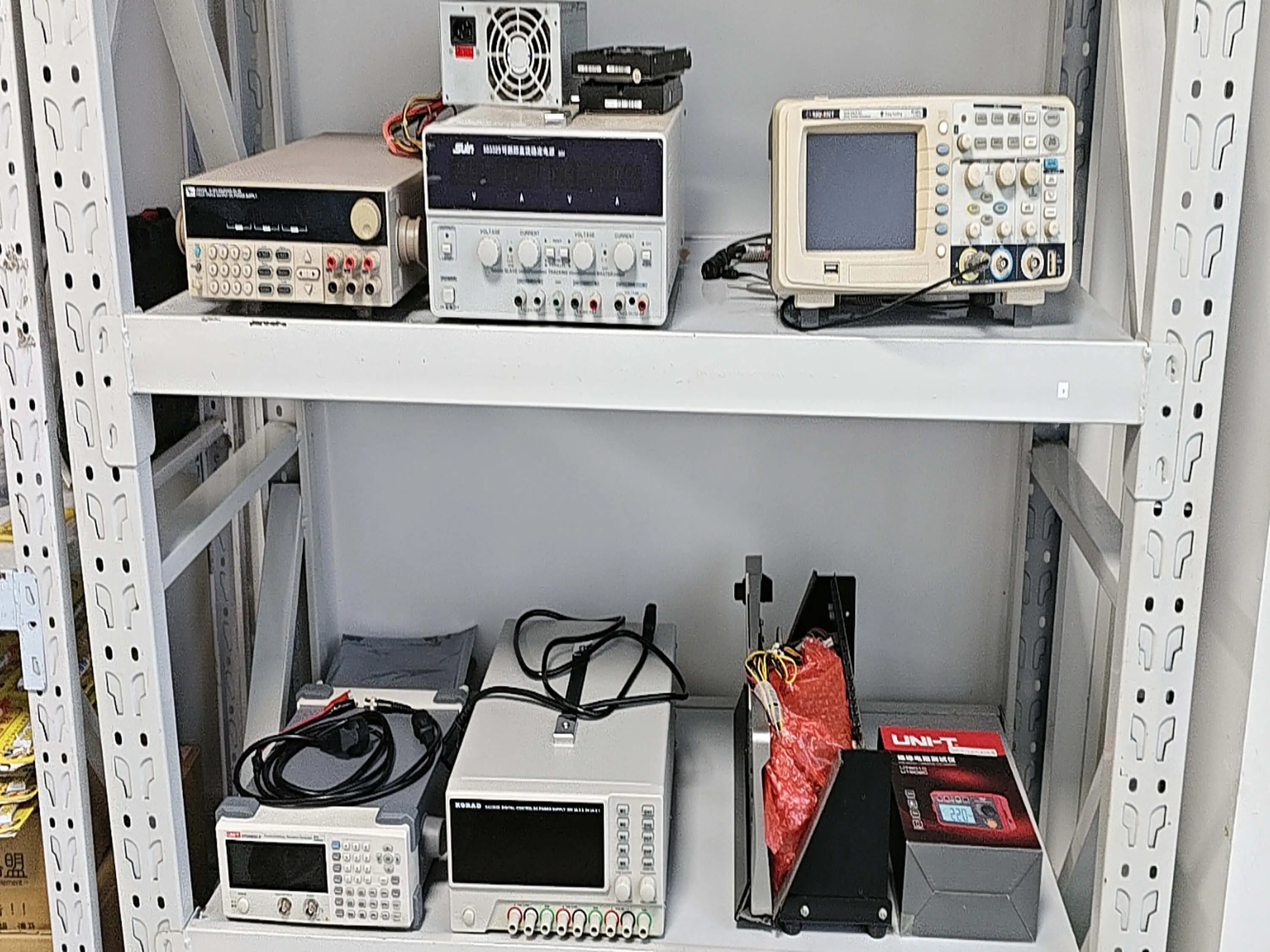
Float sensor cable assembly test equipment and inspection records

Manufacturing Process

A controlled build, drawing to shipment

01Drawing / Float Model Review
02Connector & Cable Sourcing
03Cutting, Stripping & Marking
04Crimping / Solder-Cup / Assembly
05Seal & Strain-Relief Build
06100% Electrical Test
07Final Inspection
08Packaging & Export

Quality & Testing

Documentation for OEM review

Every float sensor cable lot can include 100% continuity, shorts, contact-state, polarity, insulation-resistance, label, and visual inspection records, with CoC and FAI options when buyer quality needs lot-level traceability before shipment.

100% ContinuityShorts TestContact-State CheckPolarity CheckInsulation ResistanceLabel VerificationVisual WorkmanshipSeal ReviewCoC / Test Report

Why WHP

How We Reduce Float Sensor Cable RFQ Risk

A quote is not useful until the buyer can see cable exit risk, sourcing risk, SKU changes, and test evidence before approving samples.

Real scale-up case anchors the page

A North American industrial smart-device distributor needed to scale a diverse range of custom cable assemblies from initial prototyping to high-volume mass production. The case covered Float sensor, Ethernet, and Speaker cables across 10+ SKUs.

Long lead times are surfaced early

A North American technology distributor required custom sensor cables with specialized components that had 14-16 week lead times. We used split shipments and carrier coordination so available units could move while constrained items were still pending.

Waterproofing is treated as a system

A sealed float sensor cable depends on cable jacket, connector fit, overmold or gland geometry, adhesive heat shrink, strain relief, and test logic. The strongest seal is the one that matches the liquid exposure and service model.

The recommendation changes by volume

For sample quantities, the priority is fast confirmation of connector fit and switching logic. For production, the priority shifts to approved alternates, MOQ, test records, label control, packaging, and repeat delivery.

Standards and seal context

Factory release checks map to cable workmanship, wire-material, quality-system, and ingress-protection references buyers use during supplier approval.

IPC-A-620Cable Workmanship
UL-758Wire Review
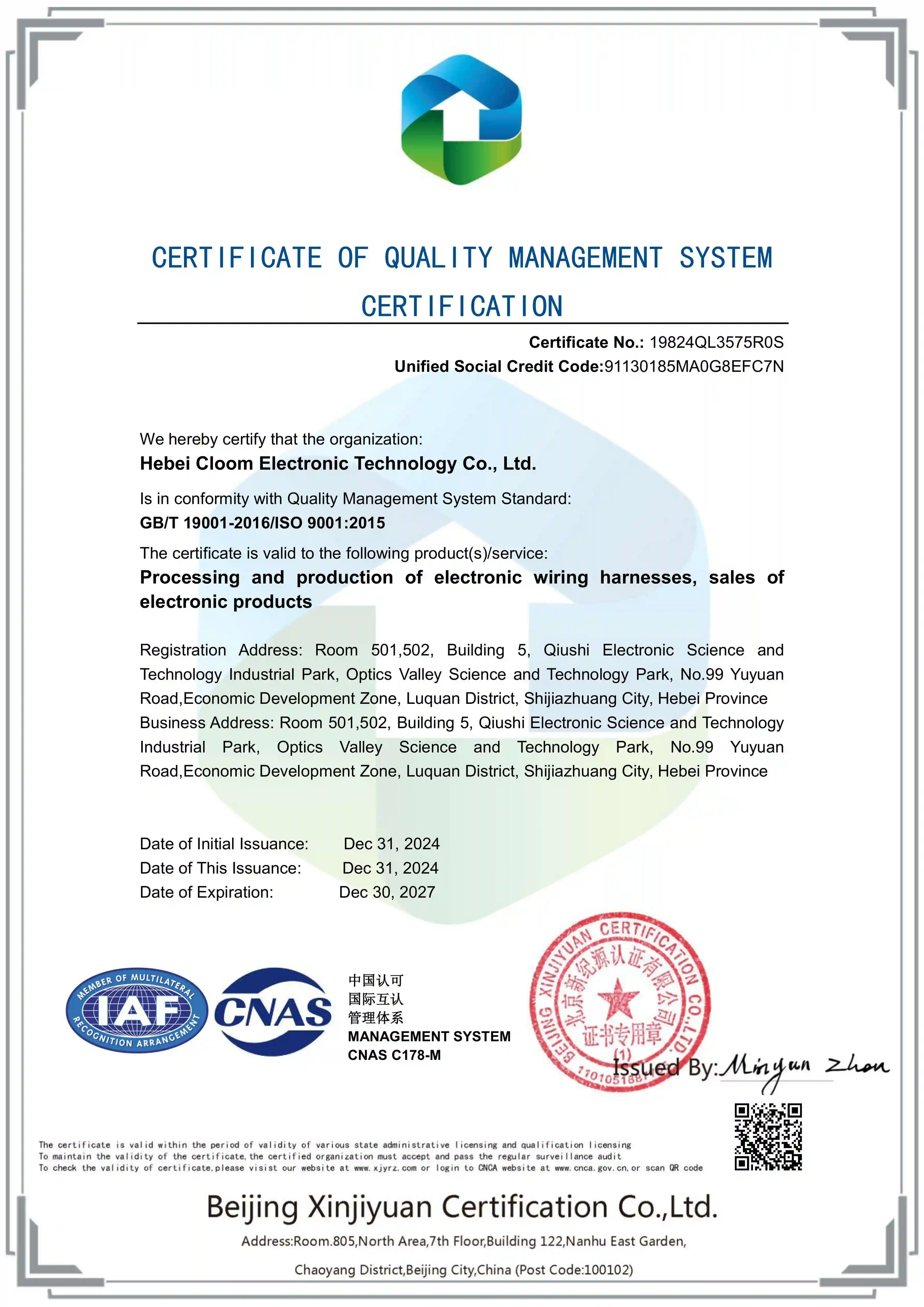
ISO 9001Quality System
IP CodeIngress Protection
ISO 9001 Certificate
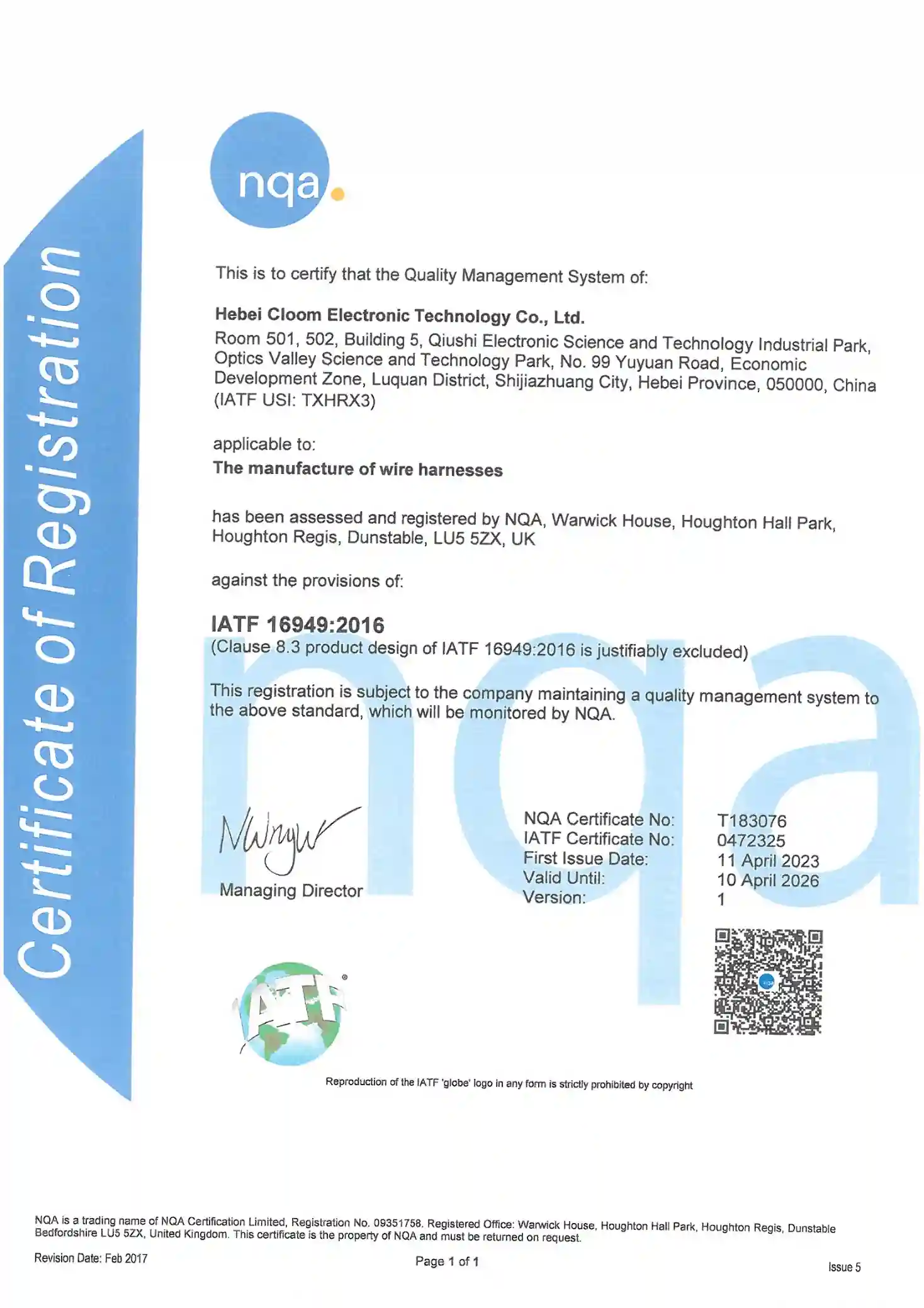
IATF 16949 build-to standard

FAQ

Float sensor cable RFQ questions buyers ask

What is a float sensor cable assembly?
A float sensor cable assembly is a custom cable set that connects a float switch or liquid-level sensor to a pump controller, smart hardware device, HVAC unit, tank panel, or industrial machine. The RFQ should define the float switch model, cable length, connector, contact logic, liquid exposure, label rule, and test requirements. For workmanship, IPC-A-620 gives cable-assembly review context, while UL-758 is relevant when recognized wire construction or insulation evidence matters. We also ask whether the cable will see condensation, splash, immersion, or service handling, because that choice changes the jacket, strain relief, and inspection plan.
I need dozens of samples now and high-volume production later. Is that a good fit?
Yes, that is a normal float sensor cable assembly path when the SKU list is controlled. One case-bank program moved from initial prototyping to high-volume mass production while managing Float sensor, Ethernet, and Speaker cables. The concrete numbers were order volumes ranging from dozens (samples) to high-volume units, multi-million dollar annual revenue program, 10+ SKUs managed. We separate sample timing, production timing, and revision control before quoting, then keep cable length, connector model, shielding, label text, and packing method tied to each approved SKU.
My float sensor or connector has a 14-16 week lead time. Can you still support the build?
Yes, but the quote should show the shortage clearly before the buyer approves samples. In one custom sensor cable program, critical components had 14-16 week lead times and the buyer needed a pre-CNY delivery deadline. We used split shipments and delivery coordination so available units could ship first while constrained PICS sensors and specific connectors remained tracked. That approach protects schedule visibility without hiding sourcing risk. When alternates are possible, the original part, proposed alternate, MOQ, lead time, and approval risk are listed separately.
Should a float switch cable be overmolded, heat-shrunk, or gland-sealed?
The best sealing method depends on liquid exposure, serviceability, volume, and cable exit geometry. Overmolding is strong for repeated handling and defined sealed exits, adhesive-lined heat shrink works well for low-tooling pilots or jacket transitions, and cable glands help when the assembly must remain serviceable. For IP67-style exposure, the connector, cable OD, jacket, strain relief, and test plan must be reviewed together rather than selected from a catalog line item. A 20-piece pilot may justify heat shrink first, while a high-volume tank sensor can justify tooling.
What tests should I request for a float sensor cable assembly?
Request 100% continuity and shorts testing at minimum, then add polarity, contact-state verification, insulation resistance, label inspection, and visual workmanship checks based on the drawing. If the cable uses shielding, include shield continuity. If moisture exposure is critical, define the IP or leak-check method rather than writing "waterproof" without acceptance criteria. The test report should identify the drawing revision, SKU, lot, connector part numbers, and operator release date. For supplier-quality review, IPC-A-620 workmanship language keeps visual and crimp expectations clear.
What files should I send to get an accurate quote?
Send the 2D drawing, BOM, float switch or level sensor model, mating connector details, cable length, pinout, contact logic, voltage/current, liquid exposure, sample quantity, annual forecast, label rules, packing needs, and required reports. Photos of the installed tank, panel, or cable exit help us review bend radius, route protection, connector orientation, and strain relief before a 7-10 day sample target is promised. If the BOM is not final, mark no-substitution parts and parts where approved alternates are acceptable for quotation.

OEM Program Entry

Ready to quote a float sensor cable assembly?

Send the drawing, float switch model, wiring diagram, cable length, connector part numbers, liquid exposure, quantity, forecast, and test-report expectations. You receive a costed RFQ, sourcing-risk notes, sample timing, production timing, and test evidence plan.

We will review

  • 01Design Feasibility
  • 02Component Availability
  • 03Cost Drivers
  • 04Validation Requirements

Related Capabilities

Related cable solutions

Custom cable assembly services that pair with float sensor and liquid-level cable programs.

Applications

Where Float Sensor Cable Assemblies Fit

Built for OEM buyers who need stable liquid-level wiring, not commodity retail float-switch cords.

Pump and tank controls

Level switch leads for sump, condensate, process, coolant, and storage tanks where moisture, service handling, and cable routing affect field reliability.

Industrial smart hardware

Float sensor, Ethernet, speaker, and other smart-device cable SKUs that change during pilot builds and then need stable production release.

HVAC and refrigeration equipment

Condensate float switch and level-control leads routed near compressors, pumps, heaters, and panels where jacket material and labels matter.

Water and wastewater equipment

Cable assemblies for pump stations, dosing skids, alarms, and control cabinets where fluid exposure and split delivery can affect launch timing.

Robotics and automation cells

Liquid-level, leak-detection, and process-sensor leads integrated with M8/M12 networks, panel harnesses, and machine-control wiring.

Maintenance kits and service spares

Pre-labeled replacement float switch harnesses packed by equipment model, revision, and connector family so service teams reduce wiring errors.

Float Switch, Level Sensor, M8/M12, and Waterproof Cable RFQs

Before you send an RFQ

Answers for procurement, engineering, and supplier-quality teams before sample approval.

Send this with your RFQ

  • Drawing, wiring diagram, BOM, float switch model, cable length, connector part numbers, liquid exposure, quantity, and forecast.
  • Connector gender, mating interface, no-substitution rules, cable jacket preference, seal target, label rules, and packing requirements.
  • Sample quantity, target production volume, SKU count, annual forecast, delivery deadline, and any split-shipment preference.
  • Continuity, shorts, polarity, contact-state, insulation-resistance, label, CoC, and test-report requirements.

What you get back

  • Costed RFQ with material availability, MOQ, sample timing, production timing, and sourcing-risk notes.
  • Open questions for missing cable exit, connector, label, liquid exposure, route, and testing details.
  • Alternate connector or cable path when long-lead components threaten the schedule and buyer approval allows it.
  • Recommended IPC-A-620, UL-758, ISO 9001, and IATF 16949-style release evidence when required.

Review scope

  • order volumes ranging from dozens (samples) to high-volume units
  • 10+ SKUs managed
  • 14-16 week lead-time risk review

References

Relevant references for float sensor cable RFQs

These references help buyers align level-sensing, sensor-cable, sealing, and supplier-quality decisions before approval. An IP code is a standardized way to describe dust and water ingress protection, but the drawing still needs the exact sealing and test criteria for the finished cable assembly.

Factory Engineering Review

WellPCB Wire Harness Engineering Team

Custom cable assembly and wire harness manufacturing support

  • 10+ years supporting custom wire harness and cable assembly RFQs
  • Float sensor, smart hardware, waterproof sensor, pump-control, and industrial automation cable support
  • Prototype, pilot, and recurring production support with controlled material alternatives