Industry Platform

Motorcycle Wiring Harness Manufacturing

IATF 16949 certified motorcycle wiring harness production for motorcycles, bikes, and powersports vehicles. Vibration-resistant design with oil & chemical resistance and high quality guarantee.
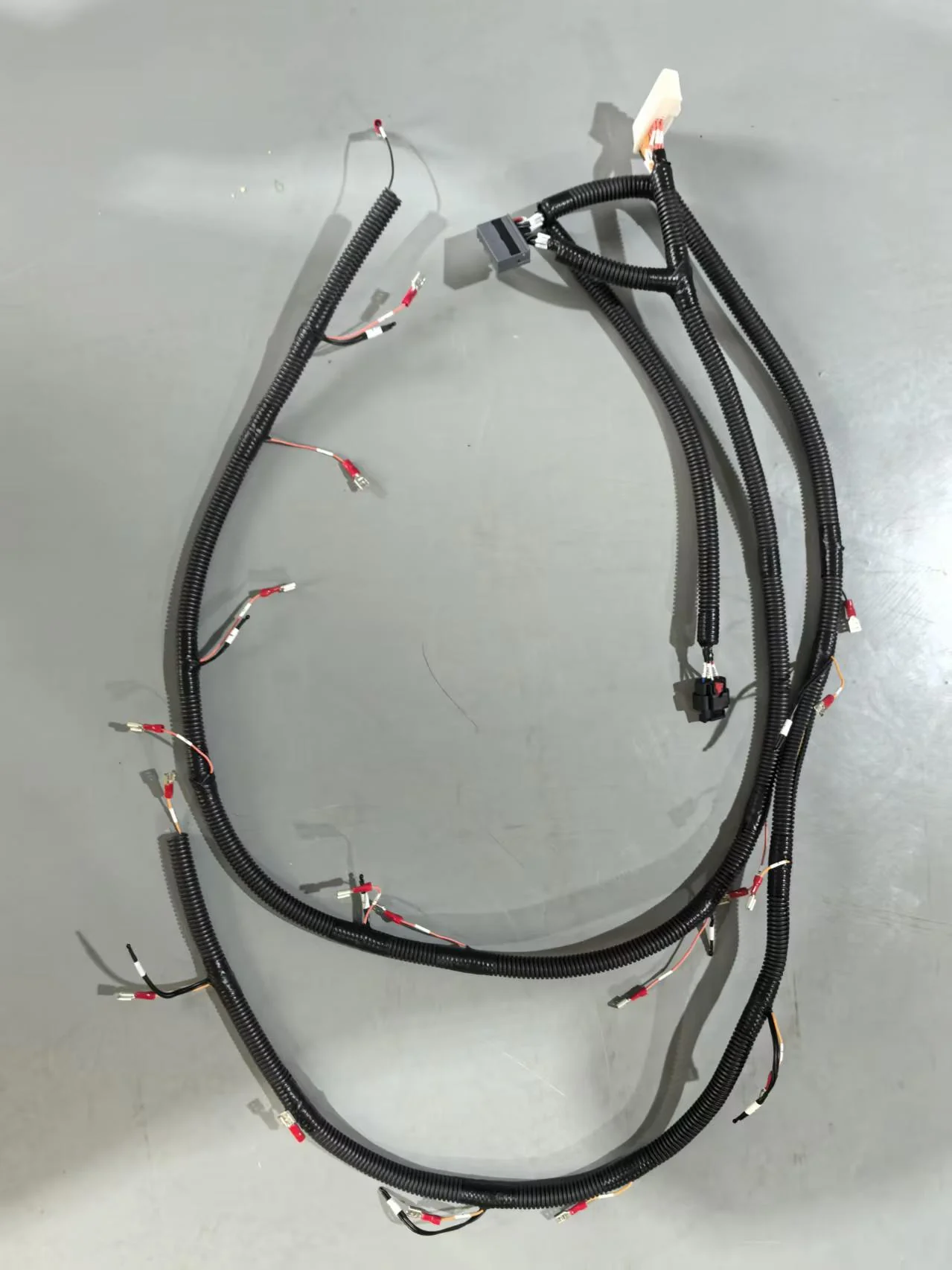
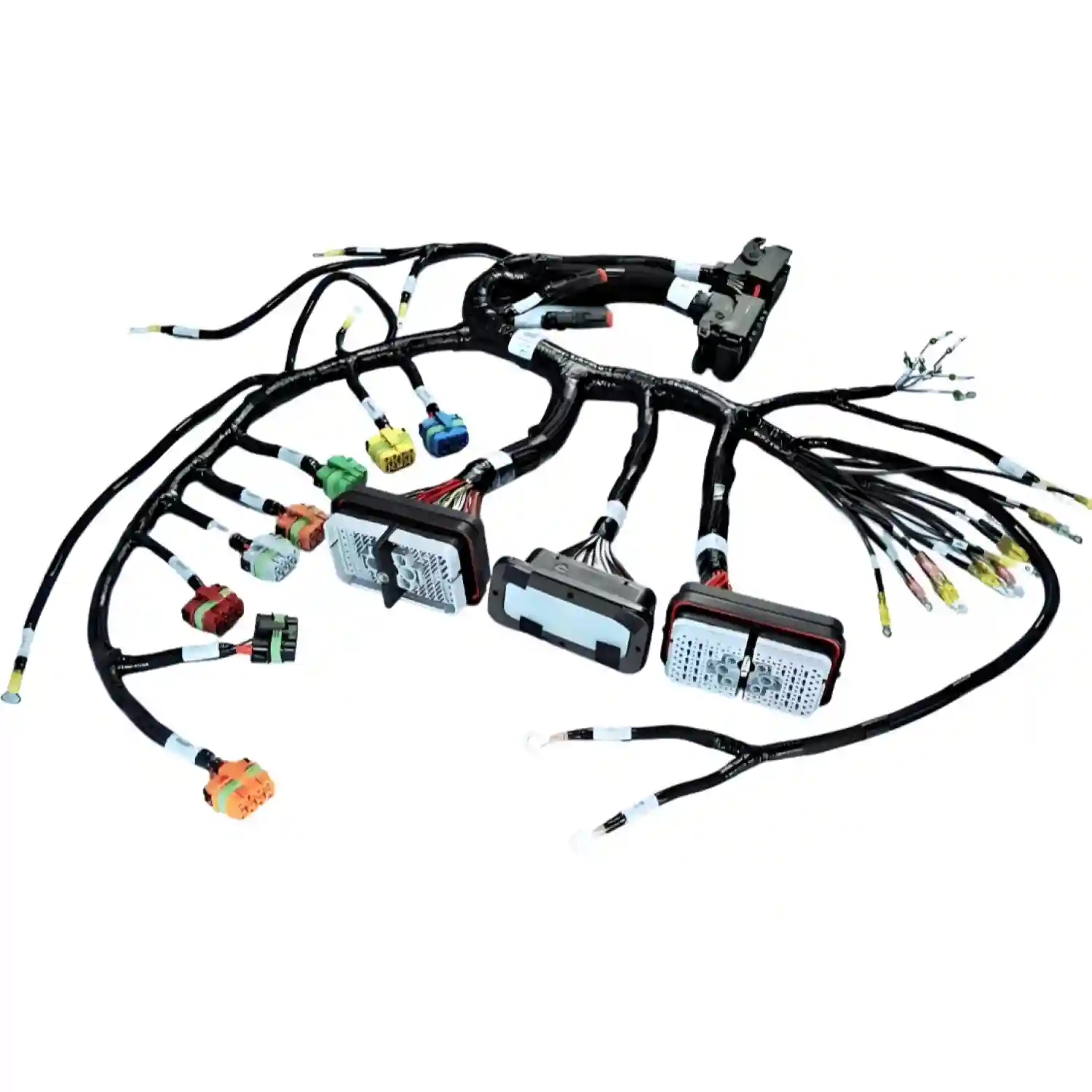
Motorcycle Wire Harness Manufacturing
Max Temp150°C
WaterproofIP67
QualityHigh
Samples7-10 Days

Application Context

What makes a motorcycle wire harness different

A motorcycle wiring harness handles power distribution and signal transmission across the bike. It is routed from the engine to the handlebars and typically run beneath the seat, so it has to withstand intense vibration and constant exposure to oil and fuel. Designs use robust, locking connectors for secure mating and durable jacketing materials to enhance abrasion resistance, with protective rubber grommets at pass-throughs and tape wrapping to keep water, heat, UV and chemicals out over the life of the vehicle. Every build follows IATF 16949 process discipline, with inspection to IPC-620 standards and detailed reports before shipment.

The harness changes job at every system — engine and powertrain management, instrument and dashboard signals, lighting and electrical distribution, and handlebar controls. We build these as custom, sealed, tested assemblies, including electric motorcycle harnesses for traction battery, BMS, controller, dashboard and lighting circuits, sealed splice constructions for engine-bay and chassis reliability, and sealed Deutsch connector builds for off-road, adventure and electric motorcycle programs.

Applications

Motorcycle applications

Specialized wire harness solutions for motorcycle and powersports electrical systems.

Engine & Powertrain Systems

Heavy-duty harnesses for engine management, fuel injection, ignition systems, and transmission control for motorcycles and bikes.

  • Temperature resistant up to 150°C
  • Oil & fuel resistant
  • Vibration dampening

Instrument & Dashboard

Signal transmission harnesses for speedometers, tachometers, warning lights, and digital displays on motorcycle dashboards.

  • Low-noise design
  • Precision routing
  • Compact connectors

Lighting & Electrical

Power distribution harnesses for headlights, tail lights, turn signals, and auxiliary electrical accessories.

  • Weather resistant
  • UV protection
  • Sealed connectors

Handlebar & Control Systems

Flexible harnesses for handlebar controls including starter switches, horn, turn signals, and brake sensors with high flex cycle rating.

  • High-flex rated
  • Abrasion resistant
  • Compact design

Clip-routed branch harnesses with retention and vibration discipline can be quoted through our clip-ready harness service.

Engineering Challenges

Review risk before production

01

Vibration & Oil Exposure

Motorcycle harnesses must withstand intense vibration and exposure to oil and fuel, so material selection and locking connectors are chosen to keep mating secure and jacketing durable.

02

Environmental Sealing

Water, heat, sun and chemicals are controlled with sealed connectors and grommets, and verified against each criterion — IP67 waterproofing in high-pressure water chambers and UV resistance in dedicated exposure chambers.

03

Handlebar Routing & Abrasion

At the handlebars and headstock, wiring is tape-wrapped for abrasion resistance, fitted with protective grommets at pass-throughs, and secured with clip-mounted cable ties at designated support points.

04

Connector Sealing & Retention

Automotive-grade locking connectors with molded grommets and O-ring/elastomeric seals resist water and fuel intrusion, with leak-down air-tightness testing available when sealing integrity must be verified.

Technical Capabilities

Motorcycle-grade technical capabilities

IATF 16949 certified manufacturing with specialized equipment and processes for motorcycle wire harness production.

Voltage RatingUp to 24V DC
Temperature Range-40°C to +150°C
Vibration ResistanceHeavy-duty rated
First-Pass YieldHigh
Lead TimeSamples: 7-10 days
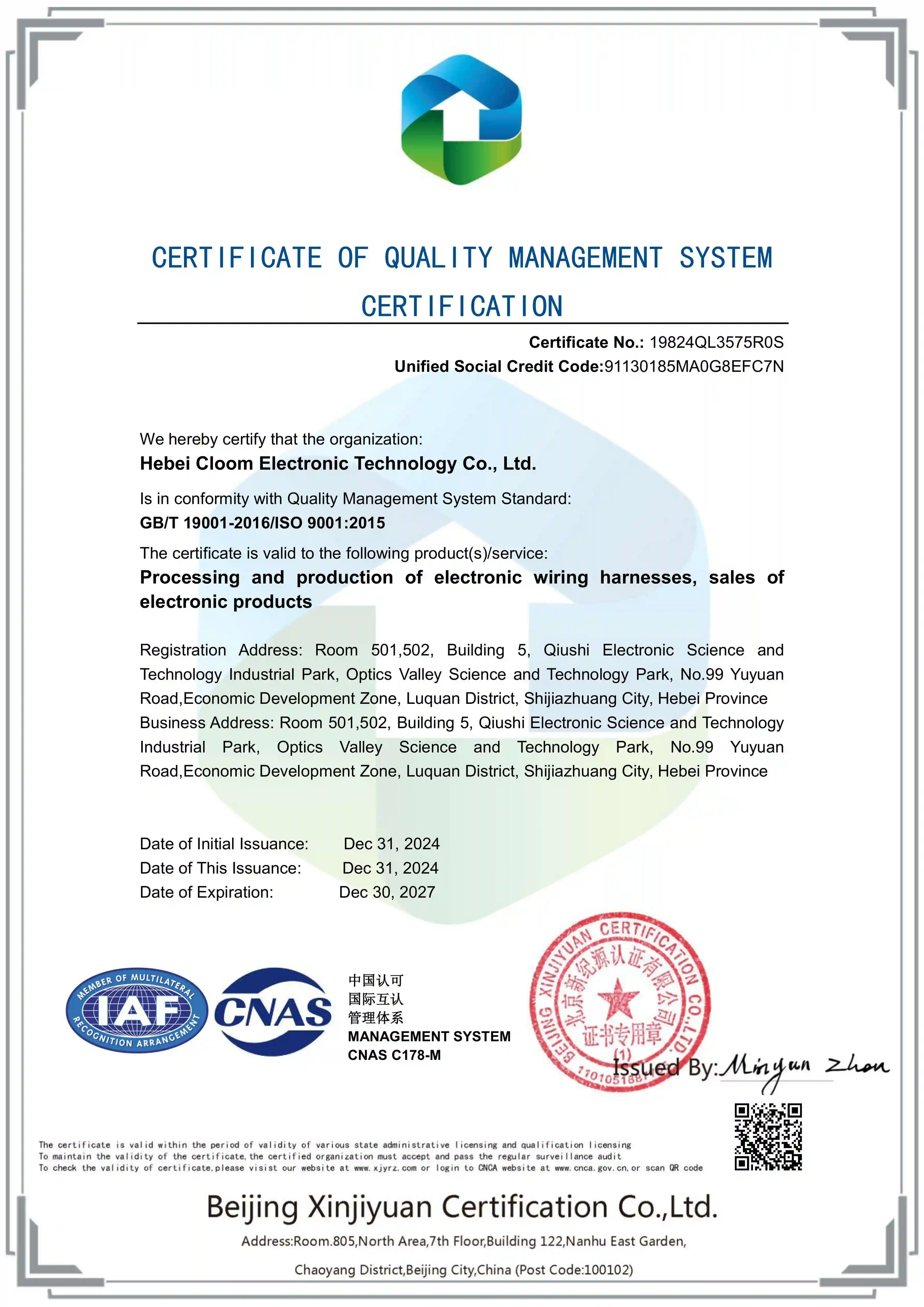
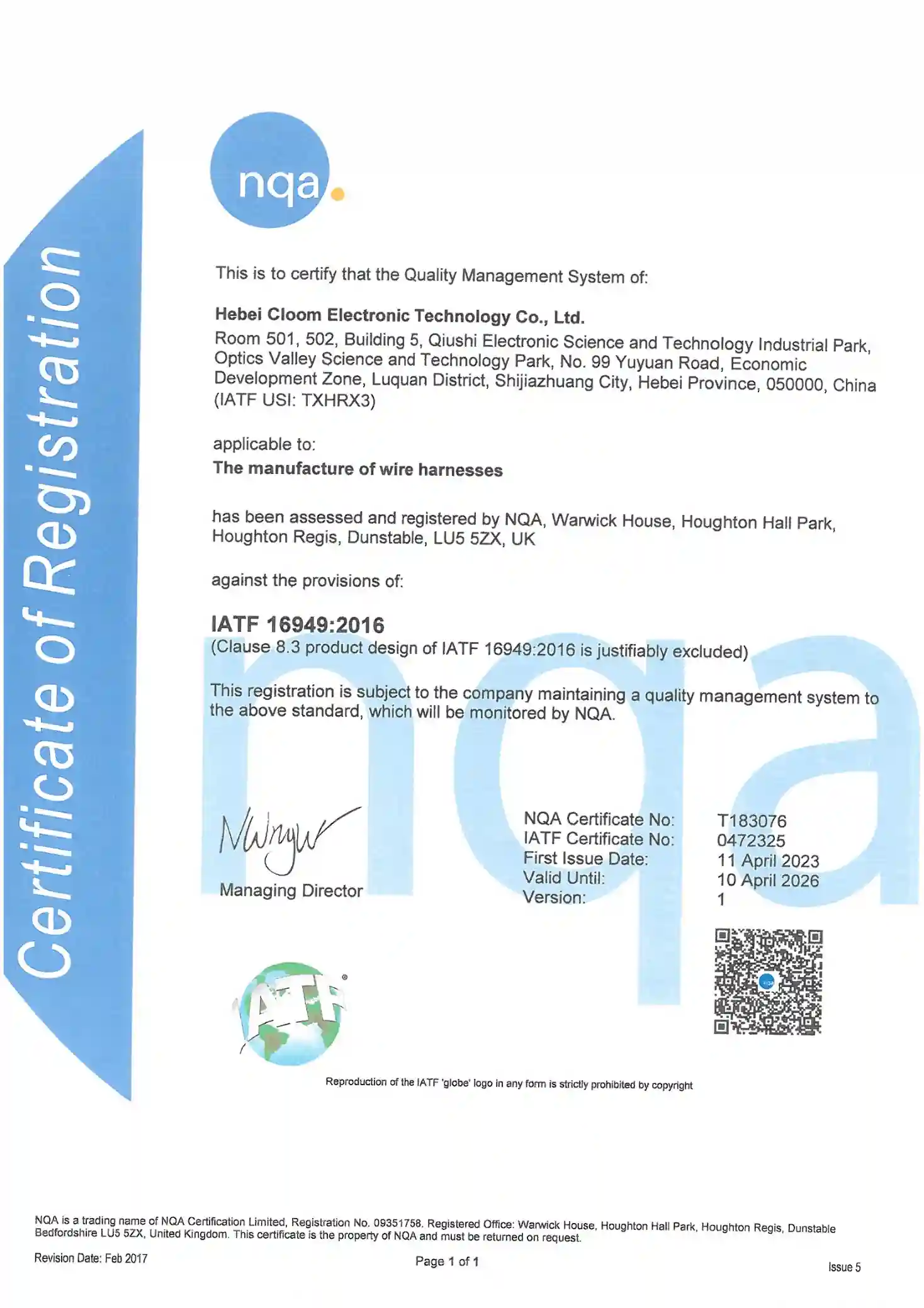
CertificationsIATF 16949, ISO 9001
Motorcycle Wire Harness Manufacturing

Manufacturing Process

A controlled build, drawing to shipment

01Drawing / BOM Review
02Connector Sourcing
03Cutting & Stripping
04Crimping / Assembly
05In-process Inspection
06Electrical Test
07Final Inspection
08Packaging & Export

Quality & Testing

Inspection to IPC-620 before shipment

Primary inspections include visual inspections and electrical testing, along with any additional customer-specified tests — such as high-potential (hipot) or waterproof testing. All inspections are conducted in accordance with IPC-620 standards, and detailed inspection reports are issued.

Material ApprovalProcess ControlCrimp Pull-ForceContinuity TestHi-Pot / WaterproofVisual InspectionFinal InspectionLot Traceability

Why WHP

Why choose our motorcycle wire harness services

IATF 16949 certified expertise for motorcycle OEMs and aftermarket suppliers.

IATF 16949 Certified Manufacturing

Full compliance with automotive quality management standards for motorcycle wire harness production and supply chain.

Vibration & Environmental Testing

All motorcycle harnesses undergo rigorous vibration testing, temperature cycling, and environmental stress validation to ensure durability.

Oil & Chemical Resistance

Specialized jacketing materials and sealed connectors resist exposure to engine oil, fuel, brake fluid, and harsh chemicals.

Motorcycle OEM Experience

Proven track record supplying motorcycle manufacturers and aftermarket suppliers with custom wiring solutions globally.

Motorcycle industry standards

IATF 16949 certified production with IPC-620 inspection, backed by our ISO 9001 quality system.

IATF 16949Certified
ISO 9001Quality System
IPC-620Inspection Standard
ISO 9001 Certificate
IATF 16949 Certificate

FAQ

Motorcycle wire harness FAQ

For a typical bike project, what does the harness do, where it runs on the bike, what it deals with, and which failures you design to prevent?
The harness serves power distribution and signal transmission. It is routed from the engine to the handlebars, typically routed beneath the seat. Motorcycle harnesses must withstand intense vibration and exposure to oil; designs employ robust, locking connectors for secure mating and durable jacketing materials to enhance resistance.
Which rules or certifications do you follow for motorcycle wire harnesses, and how do you prove you meet them?
IATF 16949 certification can be provided by an accredited third-party certification body.
What checks do you run before shipping to make sure that your wire harnesses satisfy client requirements?
Primary inspections include visual inspections and electrical testing, along with any additional customer-specified tests—such as high-potential (hipot) or waterproof testing. All inspections are conducted in accordance with IPC-620 standards, and detailed inspection reports are issued.
How do you keep water, heat, sun, and chemicals from causing damage, and how do you confirm this holds up over time?
All these conformity and performance reports are issued by independent third‐party laboratories engaged by our suppliers. Environmental durability tests are tailored to each criterion—for example, IP67 waterproofing is verified in high‐pressure water chambers, while UV resistance is assessed in dedicated ultraviolet exposure chambers.
What is the harness made of, how do you size it for the job, and what temperature levels can it handle safely?
Harnesses are composed of conductors, jacketing materials, and connectors. For power circuits, insulation jacketing is selected based on system voltage and conductor gauge is determined by current requirements. Signal wiring is specified according to signal type and frequency—for example, high-frequency signals use twisted pairs, and ultra-high-frequency lines incorporate additional shielding. Standard temperature ratings range from –40 °C to 105 °C.
At the handlebars and headstock: what's the tightest bend you design for, how many steering cycles it's designed to survive, how you clamp and route wires to avoid rubbing/crushing, and how you test this?
The design specifications do not mandate a minimum bending cycle requirement at this location, so we typically do not perform dedicated bend testing. For harness retention, we wrap the wiring in tape to enhance abrasion resistance, install protective rubber grommets at pass-throughs, and secure free-hanging sections with cable ties featuring mounting clips anchored to designated support points. Compression loads are prohibited by OEM design, and any such testing is conducted by the OEM. If we perform these tests, we utilize a cable-bending apparatus or construct a custom test fixture according to customer requirements.
What do you use at the ends (the "plugs"), how do you keep water and fuel out at connections, how do you keep joints from loosening, and how do you check that these stay sealed and tight?
Connector selection typically utilizes automotive-grade, locking-style connectors. Sealing components—such as molded rubber grommets—are installed at each wire entry cavity, and O‐rings or elastomeric seals are fitted between mating plug and receptacle interfaces to increase insertion resistance. If clients require additional verification of sealing integrity, specialized fixtures are employed to perform leak‐down (air‐tightness) testing.

OEM Program Entry

Review Your Motorcycle Harness Requirement

Share drawings, BOM, photos, or early-stage requirements. Our engineering team will review manufacturability, connector and sealing selection, vibration and environmental testing needs, and production requirements before manufacturing starts.

We will review

  • 01Design Feasibility
  • 02Component Availability
  • 03Cost Drivers
  • 04Validation Requirements

Related Capabilities

Related cable solutions

Custom cable assembly and harness services that pair with motorcycle programs.