Build-to-Print EV Two-Wheeler Harness Supply

Electric MotorcycleWire Harness Manufacturer

Electric motorcycle programs fail when low-voltage signal branches, BMS leads, charging circuits, and vibration-prone connectors are quoted as generic automotive work. We review architecture, sealing, routing, current paths, and test scope before sample release so your RFQ matches the real two-wheeler build.

EV two-wheeler architecture review before quotePrototype through production release support100% electrical test with traceability options
24 hrs
RFQ Review
7-12 days
Sample Lead Time
100%
Electrical Test
IP67
Sealing Options

What EV Motorcycle Buyers Need From a Harness Manufacturer

Commercial and engineering controls that reduce revision loops, field vibration failures, and late sample surprises in electric two-wheeler programs.

Architecture Review Beyond the Main Battery Cable

Electric motorcycle harnesses usually combine low-voltage control wiring with traction-power branches, charging circuits, BMS sense leads, dashboard communications, and accessory power. We review the full architecture before quote so one missing branch does not surface after prototypes are built.

Traction battery, charger, inverter, and DC-DC branches
BMS sensing, interlock, and communication leads
Main harness plus sub-harness planning by module

Vibration, Splash, and Routing Control for Two-Wheeler Packaging

Electric motorcycles have tighter routing windows and harsher vibration exposure than many light EV platforms. We check bend zones, branch exits, clip points, sealing strategy, and abrasion protection before production assumptions are locked.

Head tube and swing-arm route-risk review
IP-rated connector and boot strategy
Tape, sleeve, conduit, and strain-relief selection

Prototype-to-Production Documentation Discipline

The same harness program can move from EVT samples to repeat purchasing only if BOM revision control, test limits, labeling, and packout are aligned early. We structure the quote around that handoff instead of treating prototypes as isolated bench builds.

Drawing and BOM review before quote
Sample, pilot, and production release continuity
Traceable test records and labeling options

Typical Electric Motorcycle Harness Programs

Common RFQ scenarios where an EV two-wheeler harness supplier needs to understand both vehicle packaging and power-distribution risk.

Traction Battery and BMS Harnesses

Cell-sense, temperature, interlock, service disconnect, and pack-output harnesses for removable and fixed battery packs used in electric motorcycles, scooters, and performance e-bikes.

Motor Controller and DC-DC Interconnects

Harnesses linking battery packs, controllers, contactors, converters, and low-voltage distribution modules where current path definition, shielding, and connector retention all matter.

Charge Port and Onboard Charger Wiring

AC input, charge-port, charger-output, and communication harnesses for onboard charging systems that need sealing, polarity control, and serviceable routing.

Dashboard, CAN, and Vehicle Control Sub-Harnesses

Instrument cluster, throttle, brake-switch, lighting, and CAN bus branches for compact packaging zones where low-noise signal routing and connector family selection drive reliability.

Low-Volume Pilot Builds and Production Launches

Programs moving from validation vehicles to recurring OEM purchasing, where buyers need sample timing, inspection scope, and BOM discipline defined before SOP.

Commercial and Technical Scope

Program typesElectric motorcycles, scooters, powersports EVs, and performance e-bikes by drawing
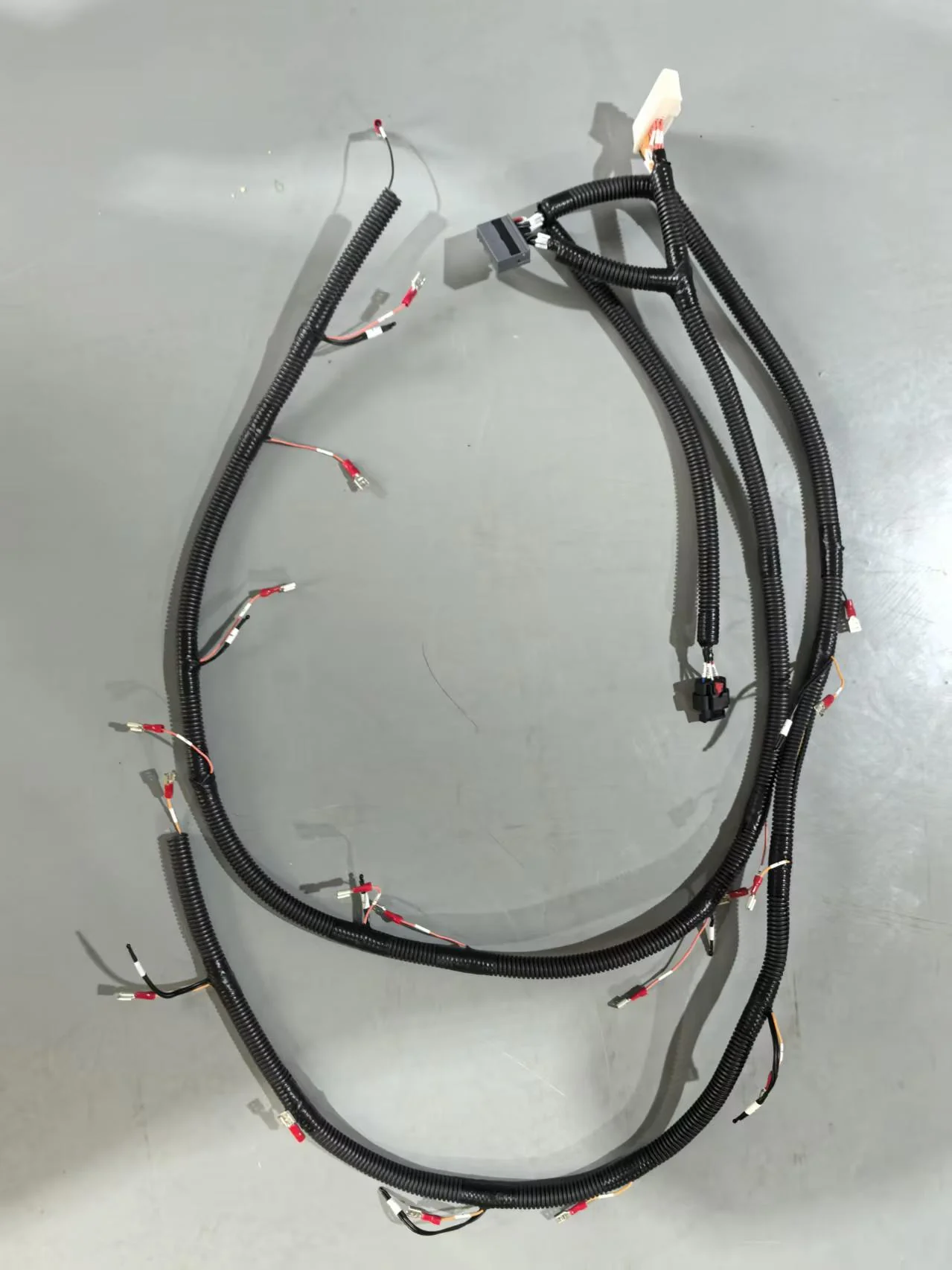
Harness scopeMain harnesses, BMS harnesses, charge-port wiring, controller interconnects, dashboard and lighting sub-harnesses
Voltage classes12V/24V low-voltage systems plus higher-voltage traction branches per application
Connector strategySealed automotive and power-distribution connector families with locking and retention review
EnvironmentRoad splash, vibration, thermal cycling, abrasion, and outdoor storage review before quotation
Sample lead timeUsually 7-12 working days after drawing, BOM, and test scope confirmation
Production lead timeCommonly 3-6 weeks depending on connector sourcing, tooling, and release quantity
Testing100% continuity, shorts, polarity, and optional insulation resistance, hi-pot, or retention checks
DocumentsBOM review notes, sample report, traceability labels, COC, and packaging instructions as required
RFQ inputsHarness drawing, wire list or BOM, mating parts, quantity, test plan, and installation constraints
Electric Motorcycle

Why This Page Is Not Just Another Generic EV Harness Claim

Electric motorcycle harness programs create packaging and durability problems that are easy to underquote if the supplier treats them like a simplified car harness.

Two-Wheeler Vibration and Space Constraints Change the Risk Profile

Motorcycles concentrate routing into tighter, higher-motion zones than many passenger EV programs. Buyers need a supplier that reviews clip strategy, bend protection, and connector retention before sample approval.

Battery, Charger, and Control Wiring Must Be Reviewed Together

A traction program can fail even when the main power cable is correct if the BMS, charge-port, throttle, or dashboard branches are underspecified. We quote the harness as a system, not as isolated cables.

Procurement Control Matters as Much as Electrical Design

When drawings, BOM revisions, labeling, and test requirements are aligned early, buyers avoid repeated prototype churn and can move into pilot and production purchasing with fewer commercial surprises.

Ready to Source an Electric Motorcycle Wire Harness With Fewer RFQ Surprises?

Send your drawing, BOM, battery architecture, and sample target. We will review branch scope, sealing, routing risk, and test requirements before returning a production-minded quote.

Send This With Your Electric Motorcycle Harness RFQ

Harness drawing, BOM or wire list, and clear definition of main harness vs sub-harness scope

Battery voltage, current paths, connector families, and any BMS, charger, or CAN requirements

Quantity, sample timing, installation constraints, test expectations, and packaging rules

What You Get Back

Architecture and manufacturability review with risk notes before sample release

Quoted sample lead time, production lead time, and commercial assumptions

Recommended test scope, labeling plan, and next-step procurement checklist

Buyer Questions Before Releasing an EV Motorcycle Harness RFQ

The commercial and engineering questions that usually decide whether sample timing holds or slips.

What should I send to quote an electric motorcycle wire harness accurately?

Send the harness drawing, BOM or wire list, mating connector details, quantity, target sample date, and the system context such as battery voltage, charger layout, and controller interfaces. If the harness is split into multiple sub-harnesses, identify that structure before quotation so scope and pricing match the actual vehicle.

Can you support both battery-related harnesses and low-voltage vehicle wiring in the same program?

Yes. Many electric motorcycle programs combine traction-power branches, BMS wiring, dashboard signals, lighting, and CAN or communication circuits. We review those sections together so interfaces, sealing, testing, and labeling stay aligned from sample stage through production release.

How do you reduce the risk of vibration and water-related failures on two-wheelers?

We review connector retention, branch exits, clip and tie points, abrasion sleeves, sealing components, and likely motion zones before production assumptions are locked. That upfront review matters because electric motorcycle routing space is limited and vibration loads are often higher than teams expect from a generic EV harness quote.