Sealed Splice Wire HarnessFor Branches That Must Survive Moisture and Vibration
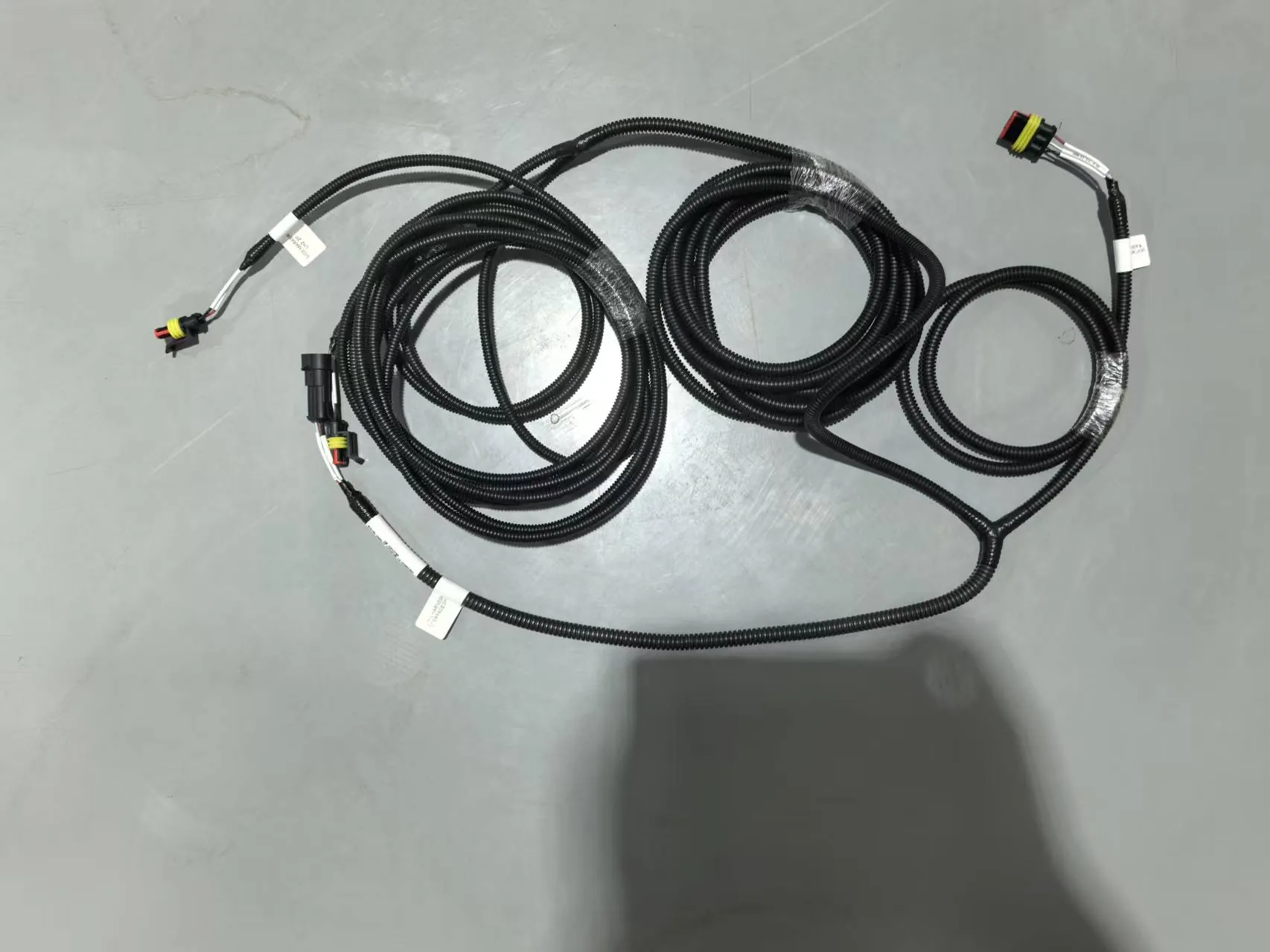
A sealed splice wire harness is a cable or harness assembly where branch joins, inline joins, and repair points are protected with the right splice method, adhesive-lined heat shrink, sleeve overlap, routing support, and test plan. We review connector availability, wire gauge, branch current, seal length, pull exposure, and inspection evidence before quoting.
TL;DR
- Use sealed splices when branch joins face moisture, vibration, service handling, or routing constraints.
- We define splice method, heat-shrink stack, sleeve overlap, labels, and inspection order before samples.
- Send wire list, connector part numbers, branch photo, seal target, quantity, and test requirements.
- Best fit for equipment harnesses, sensor branches, outdoor controls, vehicle wiring, and service kits.
Sealed Splice Choices Built Around the Harness Route
The splice is only reliable when the joining method, insulation recovery, branch support, and sourcing plan are controlled together.
Splice Method and Current Path Review
A sealed splice is a joined conductor point protected from moisture, abrasion, and movement after the electrical connection is made. We check whether ultrasonic welding, crimp sleeves, solder sleeves, or terminal blocks fit the wire gauge, branch current, and production repeatability.
Adhesive Heat Shrink Sealing
Adhesive heat shrink is a tubing system that recovers around the cable and flows sealant into small gaps around the splice or branch. We define shrink ratio, recovery temperature, sleeve overlap, cooling handling, and visual acceptance so the seal does not hide a weak joint.
Branch Breakout and Strain Relief
A branch breakout is the point where one harness trunk separates into two or more routed legs. We protect that point with heat shrink, boots, tape, conduit, clamps, or service loops based on bend direction, harness clips, cabinet entry, and installation handling.
Connector Sourcing and Release Evidence
Sealed splice programs often fail commercially when a connector blocks the build, not when the splice is difficult. We check long-lead connectors, approved alternates, MOQ, sample timing, and release documents before the buyer commits to a production path.
An anonymized case showing why a sealed harness RFQ still needs connector availability and approved-alternate planning before release.
Industry
industrial
Region
Germany
Year
2025-2026
Scenario
A German industrial electrical systems integrator required cable harnesses for a high-volume annual program but faced sourcing constraints on specified connectors.
Challenge
The originally specified STOCKO connectors faced procurement limitations, and the required PTC components (EPCOS B59100A1080-A40) had a long 12-14 week lead time, threatening the overall project timeline for a 200kpcs/year program.
Solution
Proposed Lumberg connectors as a qualified alternative to STOCKO. Provided detailed specification comparisons and emphasized Lumberg's shorter MOQ and better delivery times to offset the PTC lead time bottleneck, while remaining transparent about the slightly higher price point of the alternative.
Result
The customer accepted the alternative for evaluation, agreeing to sample the Lumberg-based assemblies, which kept the high-volume annual program viable despite initial component sourcing bottlenecks.
Concrete Numbers
Anonymized from a real project. Specific buyer identifiers withheld; numbers quoted verbatim from project records.
Where Sealed Splice Harnesses Fit
This page is for buyers who need sealed branches, inline joins, or protected service leads rather than a generic straight cable assembly.
Outdoor Sensor and Control Leads
Pressure, level, temperature, lighting, pump, and field sensor branches where moisture can enter through a weak splice or jacket transition.
Vehicle and Heavy Equipment Wiring
Machinery, specialty vehicle, motorcycle, and EV accessory harnesses where vibration, road spray, and routed branch points affect service life.
Industrial Panel and Machine Harnesses
Control cabinet jumpers, operator station wiring, motor leads, and machine modules where branch splices must remain inspectable and repeatable.
Marine and Washdown Equipment
Boat, dock, pump, and wet-area equipment harnesses using adhesive heat shrink, sealed connectors, labels, and corrosion-aware material choices.
Repair Kits and Field Harnesses
Replacement sub-harnesses and service kits where splice location, label clarity, and technician handling matter as much as the electrical netlist.
Low-Volume Validation Builds
Prototype and pilot harnesses where the buyer must compare splice process, sealing material, connector alternates, and test scope before volume release.
Capability Table for Buyer Review

How We Decide the Right Sealed Splice Build
We quote sealed splices as a controlled harness process, not as a hidden joint wrapped in tubing.
We inspect before covering the joint
The strongest heat shrink cannot repair a poor splice. Our sequence keeps conductor joining, crimp height or weld condition, wire pull exposure, and polarity visible before the sealing layer is applied.
We separate sealing from strain relief
Adhesive heat shrink can seal moisture paths, but it may not be enough for repeated bending or pull load. We add boots, clamps, route changes, or service loops when the branch point needs mechanical support.
We control connector risk early
For annual programs, connector supply can decide whether a sealed harness project launches on time. The German integrator case used STOCKO vs. Lumberg comparison work to keep a 200kpcs/year program viable despite a 12-14 week PTC lead time.
We keep the release package auditable
The approved drawing, wire list, connector kit, splice method, shrink material, label map, test method, and packing note stay tied to the same revision for repeat orders.
Relevant Standards and Reference Bodies
For supplier qualification, sealed splice harness programs are usually reviewed against workmanship, wire material, and quality-system expectations rather than a single generic cable rule.
IPC Workmanship Context
Background on IPC, often used by buyers when comparing cable and wire harness workmanship requirements such as IPC-A-620.
UL Safety Organization
Reference context for UL recognition and safety evaluation discussions around wire materials, insulation, and component selection.
ISO 9000 Quality Systems
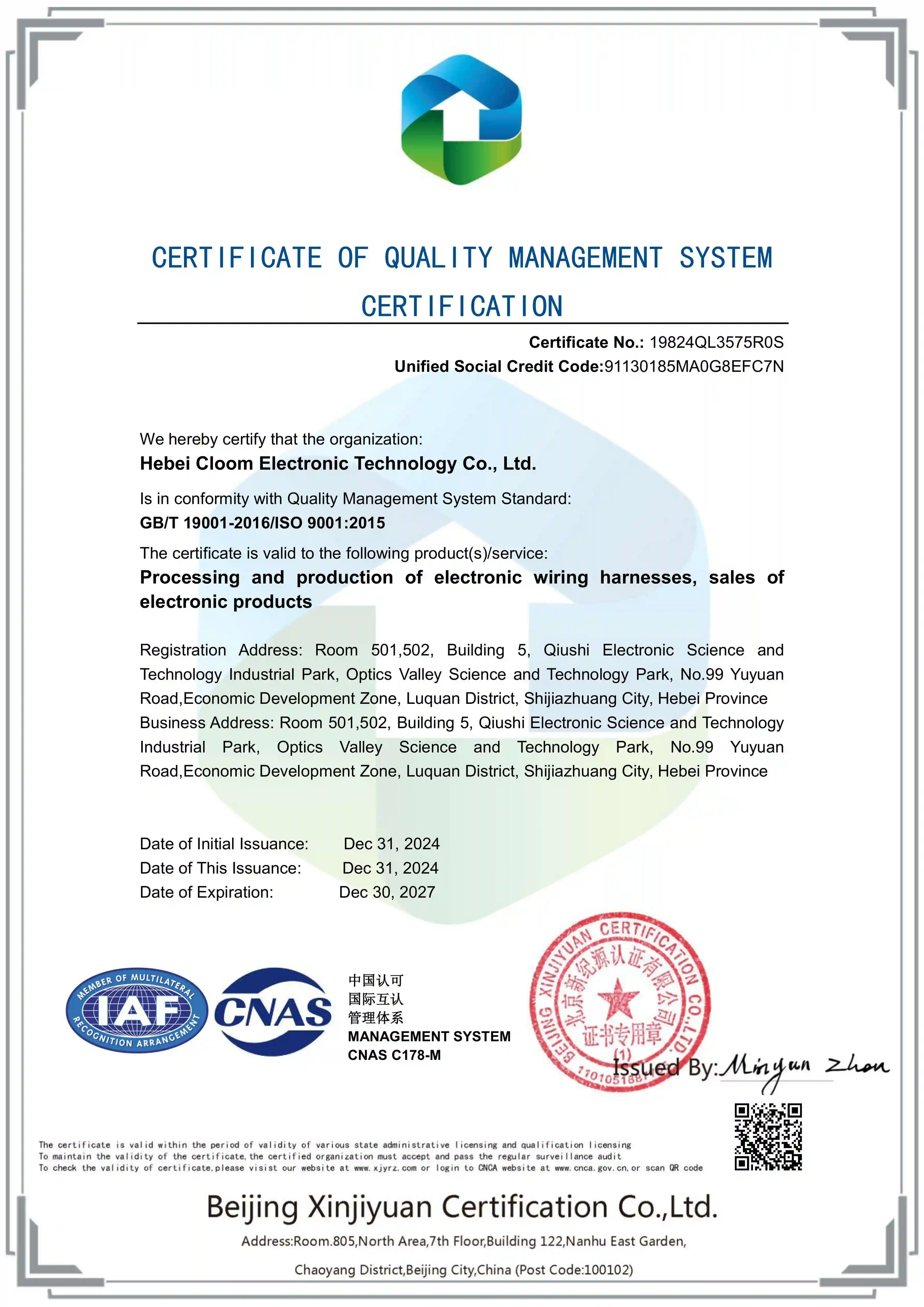
Reference context for documented quality-management systems, release controls, corrective actions, and repeat production audits.
Reviewed By
Hommer Zhao
Wire harness and cable assembly manufacturing specialist at WellPCB
Ready to Quote a Sealed Splice Wire Harness?
Send drawings, wire list, connector callouts, branch photos, seal target, and quantity. We will review the splice process, heat-shrink stack, connector sourcing risk, and test plan before sample release.
Send This With Your Sealed Splice RFQ
Drawing, BOM, wire list, connector part numbers, wire gauge, jacket material, and splice locations
Photos or CAD showing branch direction, bend radius, clamp points, service access, and available space
Moisture, vibration, pull, hipot, insulation-resistance, visual inspection, or label requirements
Sample quantity, annual forecast, target lead time, approved alternates, packaging, and revision rules
What You Get Back
Manufacturability review for splice method, heat-shrink stack, branch support, and missing RFQ details
Connector sourcing feedback with lead-time, MOQ, and approved-alternate risks called out
Sample and production pricing assumptions separated where material or tooling choices change
Electrical test, visual inspection, pull review, and release-document plan
Buyer Questions Before Sealed Splice RFQ
These answers cover the details that most often change price, sample timing, and field reliability.
When should I use adhesive heat shrink instead of standard tubing?
Use adhesive heat shrink when the splice or branch point faces moisture, washdown, condensation, or splash exposure. Standard tubing may be enough for abrasion marking or basic insulation, but it does not provide the same gap-filling seal.
Can you quote if our drawing shows the splice but not the sealing method?
Yes. Send the wire list, branch route, connector part numbers, target environment, quantity, and any receiving-test requirement. We can recommend the splice method, heat-shrink stack, and inspection sequence before samples.
What can delay a sealed splice harness program?
Connector availability is a common delay. In one German program, the buyer evaluated STOCKO vs. Lumberg connectors while managing EPCOS B59100A1080-A40 components with a 12-14 week lead time, so alternate approval was part of the launch plan.