Boat & Yacht Systems
Custom marine wiring harnesses for navigation systems, lighting, bilge pumps, and onboard electronics in recreational and commercial vessels.
- Tinned copper conductors
- UV & saltwater resistant
- Ignition protected
Industry Platform
Marine-grade wiring harnesses built for boats, yachts, and marine equipment. Tinned copper conductors, waterproof construction, and corrosion-resistant materials for harsh saltwater environments.
Application Context
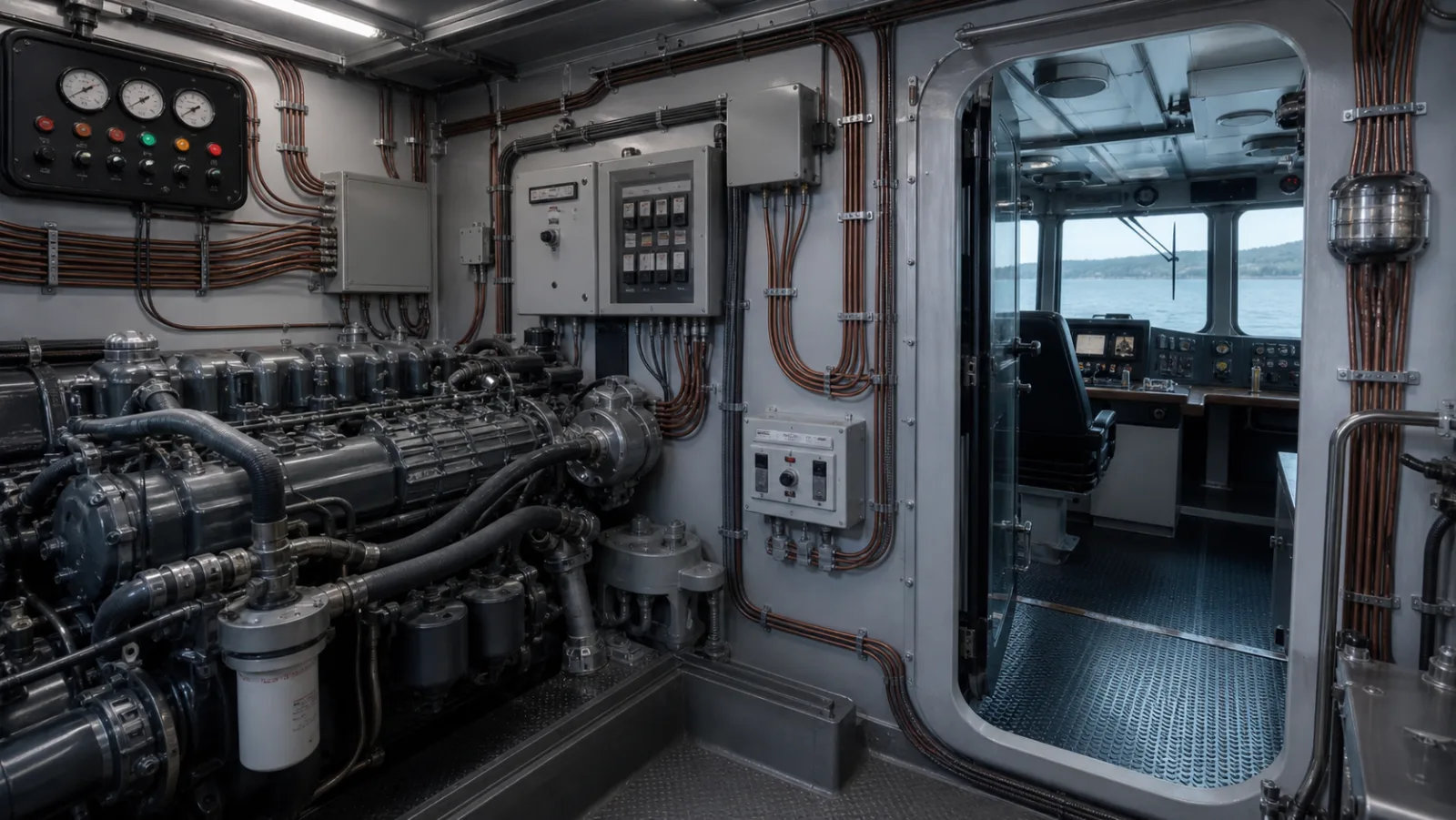
The primary function of a marine wire harness is the same as any harness — distribute power and transmit signals — but it has to do that inside a vessel where saltwater, spray and constant vibration attack every joint. Marine assemblies are typically installed through the vessel interior, linking control consoles, instrumentation panels and sensor-driven equipment, and they must meet far more stringent waterproofing and corrosion-resistance requirements than a conventional harness. We build with tinned copper conductors and marine-rated insulation rated -40°C to +105°C, and seal to IP67/IP68 with heat-shrink and waterproof connectors so signal integrity and water ingress — the two dominant failure modes — are designed out from the start.
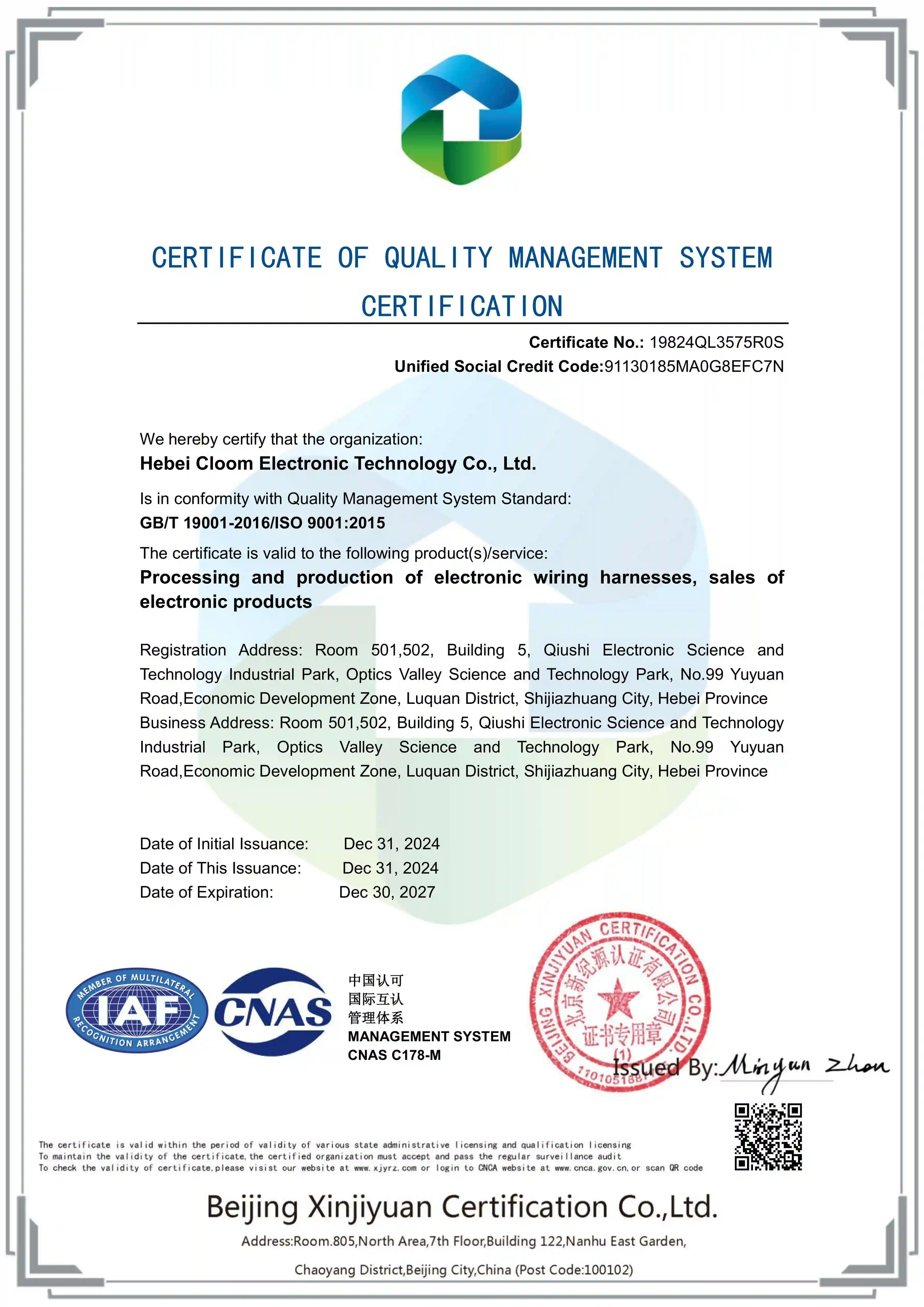
The wiring changes job at every system. Navigation and communication harnesses run higher signal frequencies and use shielded or coaxial cable for GPS, VHF, navigation displays and NMEA 2000 data; engine and pump harnesses need vibration-resistant, oil- and fuel-tolerant connectors; deck and safety equipment needs flexible, corrosion-resistant assemblies that survive cold and spray. We build these as sealed, tested assemblies — including waterproof IP67/IP68 constructions, sealed-splice harnesses for engine-room and bilge reliability, and sealed Deutsch connector harnesses for inboard/outboard electronics. Manufacturing and testing follow relevant IEC standards and IPC-620 workmanship under our ISO 9001 quality system.
Applications
Waterproof wiring harnesses for all types of marine vessels and equipment.
Custom marine wiring harnesses for navigation systems, lighting, bilge pumps, and onboard electronics in recreational and commercial vessels.
Heavy-duty engine harnesses for inboard/outboard motors, fuel systems, and propulsion control systems.
Precision harnesses for GPS, VHF radio, fish finders, navigation displays, and marine electronics requiring signal integrity.
Waterproof cable assemblies for deck lighting, winches, anchor systems, and safety equipment.
Engineering Challenges
Tinned copper conductors and corrosion-resistant materials selected for long-term durability, confirmed with salt spray testing under real marine conditions.
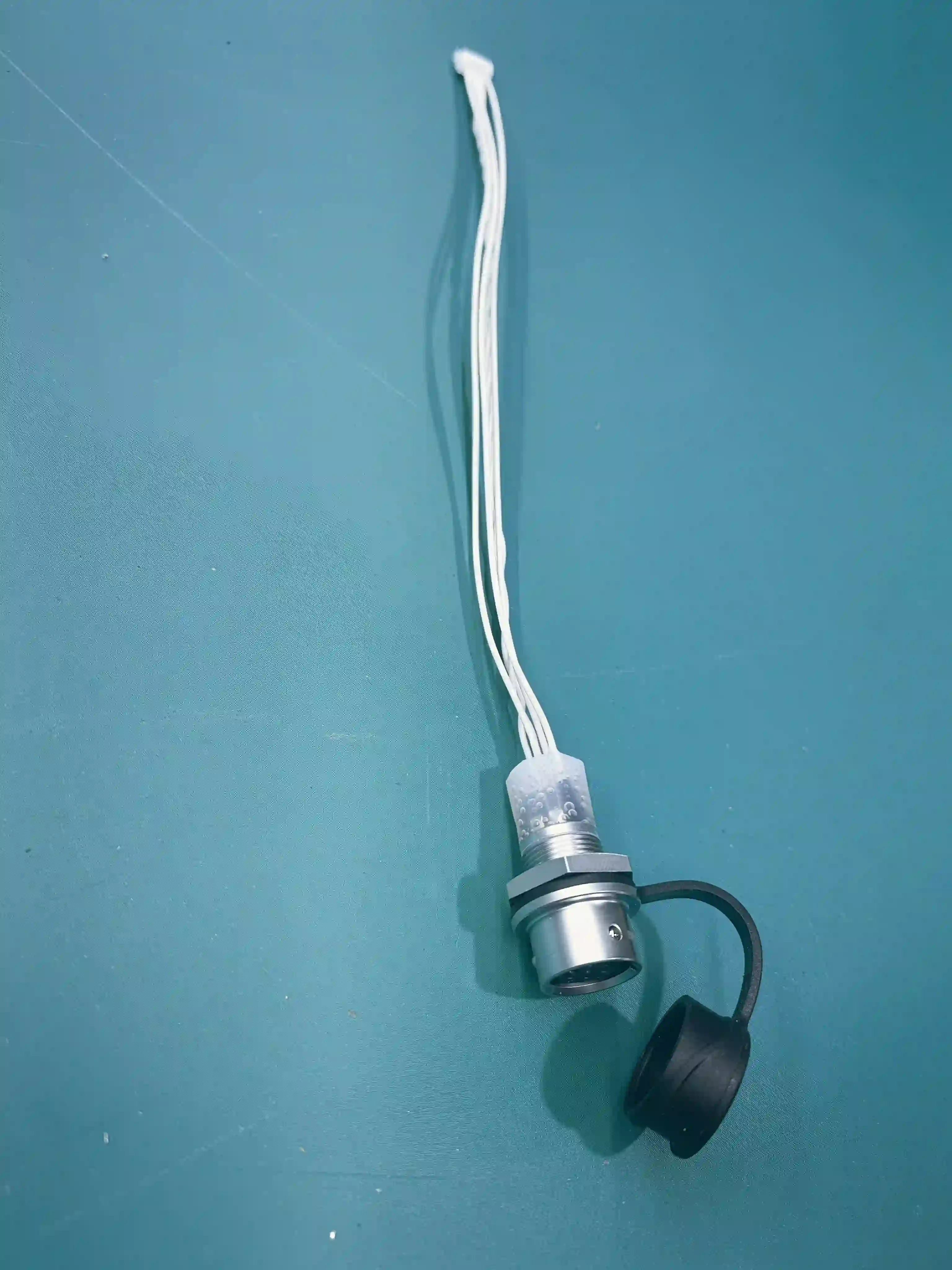
IP67/IP68 sealing with waterproof connectors, T-shaped waterproof joints and adhesive-lined heat-shrink so water stays out of joints and branches.
SP-series, DT-series and MIL26482-style waterproof connectors with secondary locks, sealed splices and overmolded exits engineered to hold signal integrity.
Vibration-resistant terminations, protective rubber sleeves and securing clips in friction areas for engine, pump and propulsion harnesses.
Technical Capabilities
ABYC compliant manufacturing with tinned copper conductors and waterproof construction for marine environments.
Manufacturing Process
Quality & Testing
Every marine harness gets visual and electrical verification, with waterproof (IP) checks in-house; high-voltage and salt-spray testing are coordinated through a qualified third party where the application calls for it. Inspections follow IPC-620 standards and are documented in inspection reports for lot-level traceability before it ships.
Why WHP
ABYC compliant marine wiring solutions for boats and marine equipment.
Tinned copper conductors and marine-rated insulation resist corrosion from saltwater and harsh marine environments.
Designed and manufactured to meet American Boat & Yacht Council electrical standards for marine applications.
IP67/IP68 rated assemblies with heat-shrink sealing and waterproof connectors for reliable performance.
Proven track record supplying marine OEMs and boat builders with custom wiring solutions worldwide.
Our marine wiring harnesses meet industry standards for safety, reliability, and performance in harsh marine environments.
FAQ
OEM Program Entry
Get marine-grade quality with waterproof construction and 7-10 day sample delivery. Share drawings, connector callouts, vessel system notes, waterproof rating, saltwater exposure, and quantity targets — our engineering team reviews IP68, tinned copper, ABYC/ISO build-to needs, MOQ, lead time, and test evidence before manufacturing starts.
Related Capabilities
Custom cable assembly and harness services that pair with marine programs.
Case Studies
Real, anonymized programs we delivered in this industry — the actual challenge, solution, and numbers.

Holding 1-2 day response times and proposing a buffer-stock strategy converted 6 RFQs and a 64-email technical thread into a won tooling order.
Read case study
Flagging alternative materials in red on the BOM and backing them with certifications and test data won cost approval and the tooling phase.
Read case study