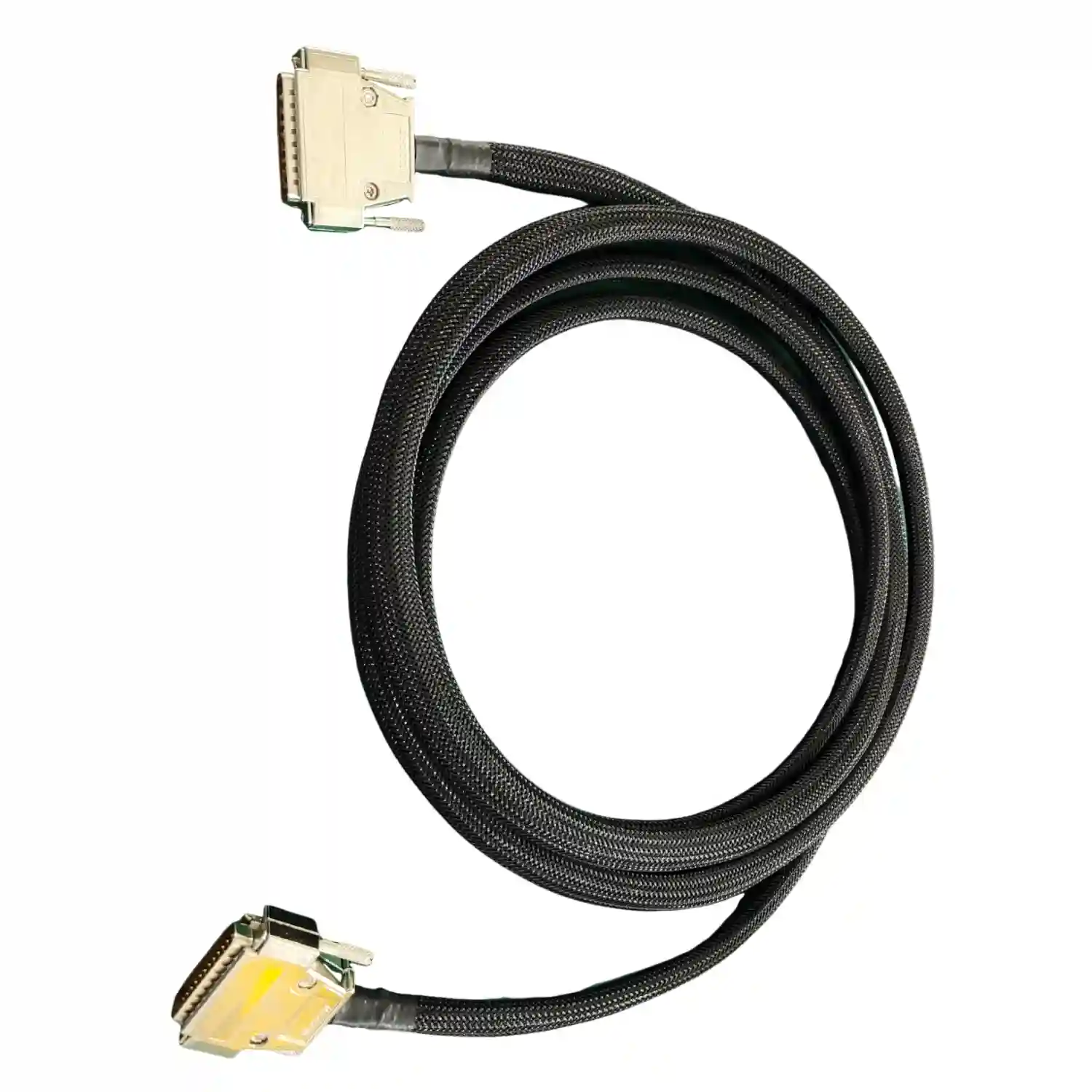
Marine Audio Cable Assemblyfor Boat OEM Procurement Teams
When a boat program reaches RFQ stage, the risk is rarely one cable drawing. It is whether a supplier can hold BOM alternates, weekly delivery cadence, tooling timing, and test records across several audio harness part numbers. In a recent marine OEM review, we handled 6 separate RFQs, a 64-email technical thread, 1-2 day response cycles, and a weekly delivery requirement before the customer released tooling and moved into prototypes.
RFQ Controls for Boat Audio Harness Programs
Built for procurement engineers comparing suppliers on certification expectations, delivery risk, and decision criteria before a production release.
Drawing and BOM Review Before Quote
We review speaker leads, amplifier harnesses, console wiring, Deutsch or sealed connector callouts, jacket material, terminal plating, labels, and approved alternates before pricing. This prevents the common RFQ failure where a low unit price hides connector, tooling, or salt-mist exposure risk.
Marine Environment Build Choices
Boat audio systems see vibration, moisture, UV exposure, service access limits, and mixed low-voltage signal plus power routing. We help decide where tinned copper, sealed connectors, heat shrink, split loom, overmolded exits, or service loops reduce field failures without overbuilding every lead.
Sample, Tooling, and Weekly Delivery Planning
For a high-end boat manufacturer, we structured a 3-4 week tooling cycle followed by prototype production and free samples for physical evaluation. For production, we proposed advance ordering and buffer stock to support a weekly delivery cadence despite cross-border logistics.
Test Reports and Release Documents
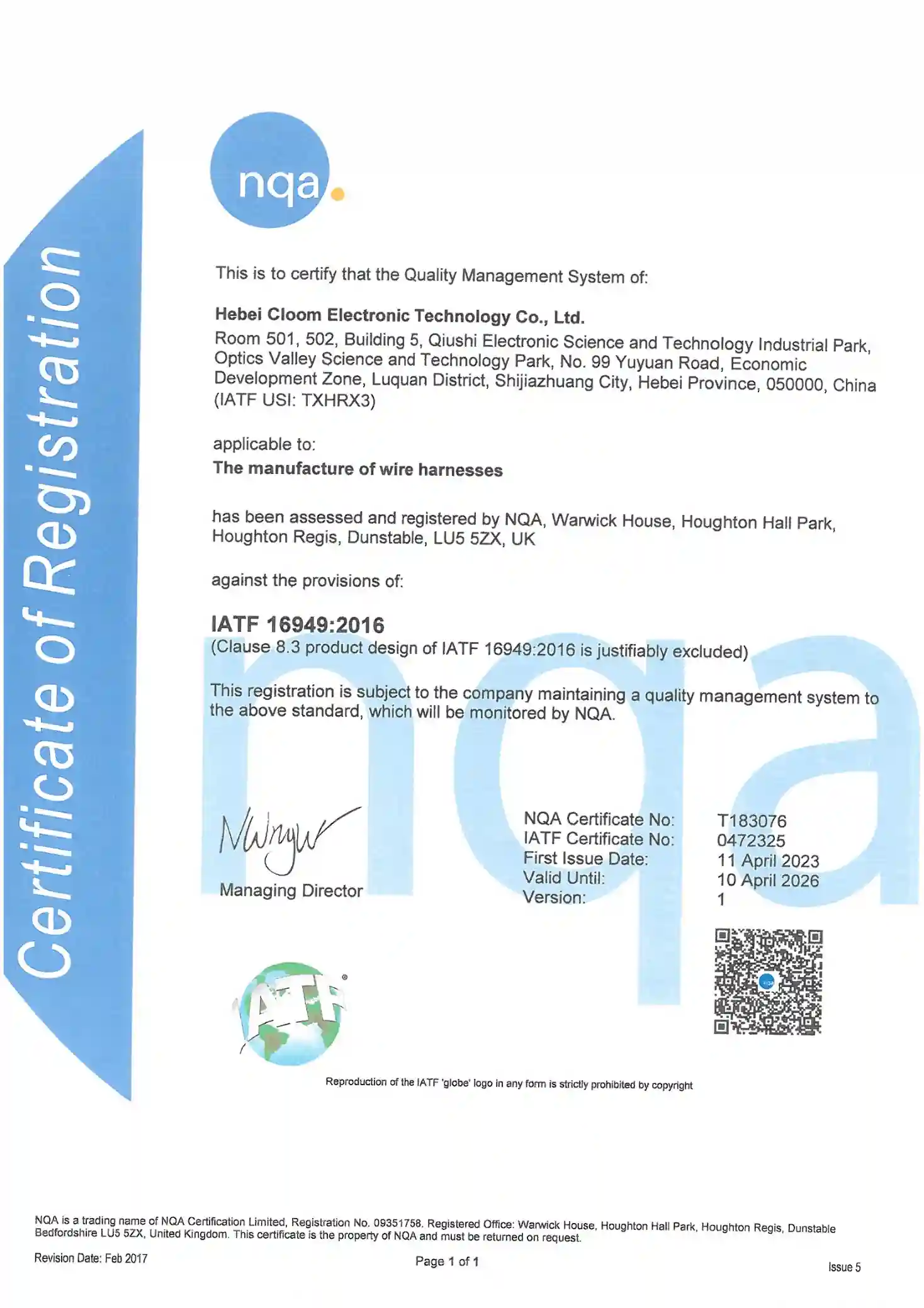
Every production-ready program can be aligned to IPC-A-620 workmanship expectations, UL-758 wire recognition context, and IATF 16949-style traceability discipline. We define continuity, polarity, pull-force audit points, label checks, and shipping documents before release.
An anonymized example from our case bank that mirrors how this scope gets executed in production.
Industry
marine
Region
US
Year
2025-Q3 → 2026-Q1
Scenario
A US marine OEM sought a new supplier for custom wire harnesses and audio systems, initiating a rigorous multi-month evaluation process involving multiple business units.
Challenge
The customer issued 6 separate RFQs over two months and engaged in a 64-email deep-dive technical thread, demanding strict weekly delivery, tariff mitigation, and cost competitiveness compared to incumbent suppliers.
Solution
Maintained rapid response times (1-2 days), proactively proposed a buffer stock strategy (advance ordering) to meet weekly delivery needs and mitigate tariff risks, and transparently presented alternative material options with cost benefits.
Result
Successfully navigated the extensive qualification process, secured the tooling order, and transitioned into the prototyping phase for mass production.
Concrete Numbers
Anonymized from a real project. Specific buyer identifiers withheld; numbers quoted verbatim from project records.
Where Marine Audio Cable Assemblies Fit
Typical boat OEM and marine electronics programs where RFQ-stage engineering review changes the supplier decision.
Premium Boat Speaker Harnesses
Pre-terminated speaker harnesses for cockpit, tower, cabin, and swim-platform zones with controlled labels, lengths, and connector retention.
Amplifier and Head-Unit Cable Sets
Power, ground, remote, signal, and control cable sets reviewed for current load, noise exposure, routing, and installation sequence.
Console and Helm Audio Wiring
Panel-ready wiring that supports marine switches, displays, infotainment modules, and service access without confusing line-side installers.
Aftermarket Audio Upgrade Kits
Bagged and labeled kits for dealers or service teams that need repeatable packout, part-number control, and reduced installation errors.
Mixed Audio and Lighting Harnesses
Harnesses combining low-voltage audio, LED accent lighting, and accessory branches where EMI, voltage drop, and branch protection matter.
Prototype-to-Production Boat Platforms
Programs moving from validation samples to scheduled builds where the same supplier must keep tooling, BOM, test, and delivery logic stable.
Capability Table for RFQ Review

Why Marine OEM Buyers Shortlist This Workflow
The page is written for RFQ-stage decisions: capability range, lead time, certifications, sample handling, and risk reduction.
First-Hand RFQ Discipline, Not Generic Marine Claims
The marine case behind this page involved 6 separate RFQs over two months, a 64-email technical thread, and 1-2 day response time expectations. That is the level of clarification needed before a boat OEM trusts a new overseas harness supplier.
Transparent Alternative-Material Handling
If a cost-saving connector, terminal, or wire option is proposed, we mark it clearly in the BOM and provide quality certifications, test reports, and reliability data. Hidden substitution is treated as a release risk, not a purchasing shortcut.
Practical Lead-Time Conversation
We separate sample timing, tooling timing, material procurement, and production scheduling. That lets purchasing compare the real path to approval instead of receiving a single optimistic date that fails later.
Certification Language Buyers Can Audit
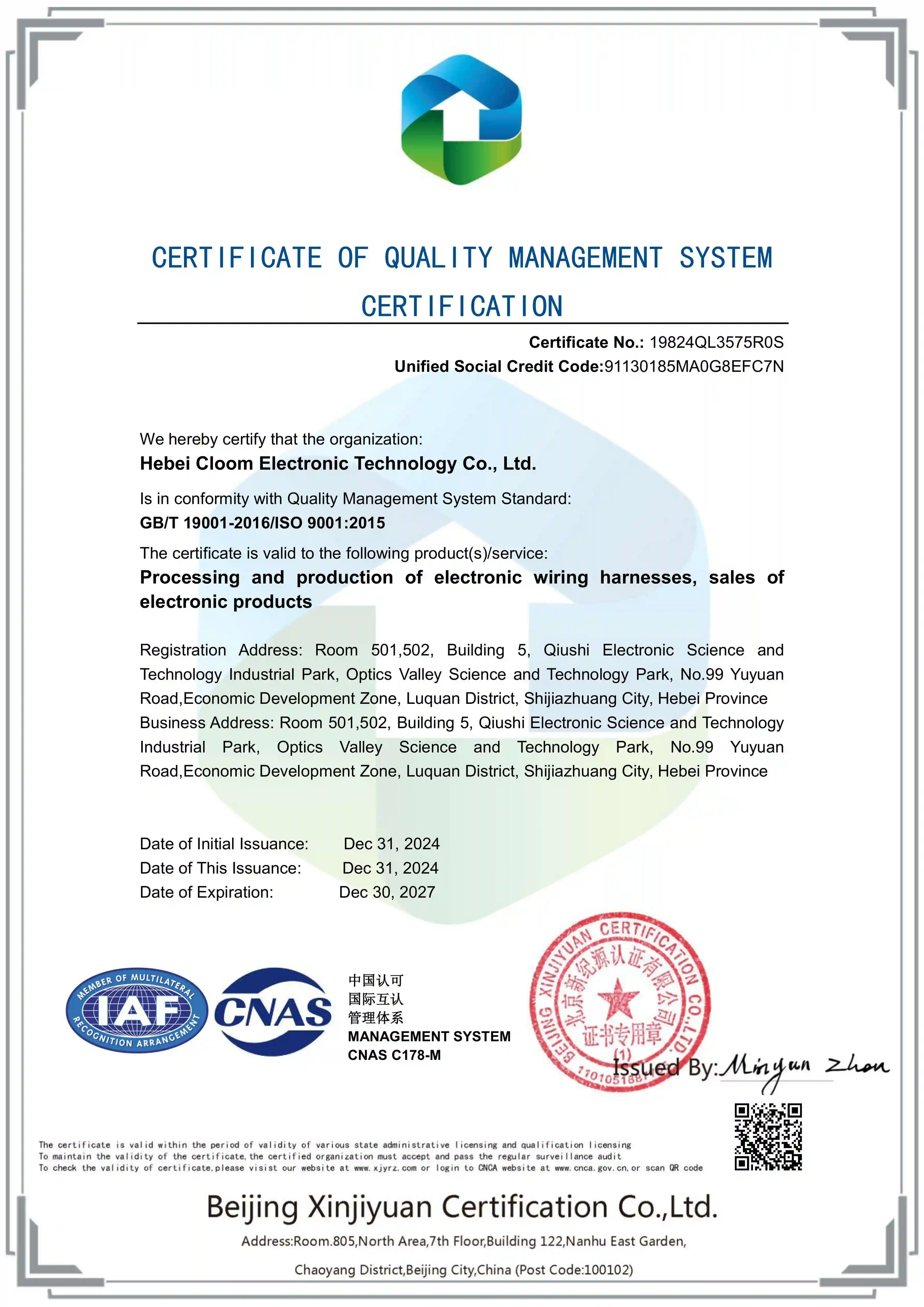
We connect capability claims to IPC-A-620, UL-758, ISO 9001, and IATF 16949-style controls, then define the actual test and record package for your program rather than relying on broad certification wording.
Marine-Specific Delivery Risk Planning
Boat builders often need weekly shipments once production starts. We plan advance ordering, buffer stock, carton labeling, and delivery cadence before the first production PO so logistics do not become a late-stage surprise.
A Clear Next Procurement Step
Send the drawing package, BOM, forecast, certification expectations, and target sample date. We return pricing, sample and production lead times, tooling notes, and a test/report plan suitable for supplier comparison.
Standards and Quality References Buyers Can Check
Marine audio cable assembly sourcing should connect supplier claims to recognized workmanship, wire, and quality-system references rather than vague reliability promises.
IPC (Electronics)
Public background for IPC workmanship language used when buyers discuss IPC-A-620 cable and harness expectations.
UL Safety Organization
Reference for UL safety and component-recognition context around UL-758 wire and insulation systems.
IATF 16949
Quality-system context for automotive-style supplier controls, corrective action, traceability, and production release discipline.
Ready to Compare Marine Audio Cable Assembly Suppliers?
Send drawings, BOM, connector references, sample quantity, forecast, certification expectations, and target lead time. We will reply with a quote, sample plan, tooling notes, risk review, and test-report package for your next procurement decision.
Send This With the Marine RFQ
Drawings, BOM, pinout, connector references, and sample photos
Forecast, MOQ target, sample date, production cadence, and delivery destination
Certification expectations, test reports needed, packaging labels, and approved alternates
What Procurement Gets Back
Quoted unit price with sample, tooling, and production lead-time separation
BOM risk notes covering alternates, connector lead time, and marine-environment exposure
Recommended test scope, documentation package, and weekly-delivery or buffer-stock plan
RFQ Questions Marine Buyers Ask First
Short answers for procurement engineers comparing three suppliers before approving samples or tooling.
Can you quote from incomplete boat audio drawings?
Yes, but we will separate confirmed items from assumptions. Send the drawing, BOM, photos, connector callouts, and target quantity; we will return questions on missing pinout, sealing, label, and packaging details before locking price.
How do you reduce risk when proposing alternate materials?
Alternates are flagged in the BOM instead of hidden. For the marine case behind this page, the customer needed cost competitiveness, so we supported alternates with quality certifications, test reports, and reliability data before tooling approval.
What happens after samples pass?
We convert the approved sample into controlled production rules: BOM revision, test method, labels, packaging, buffer stock, and weekly delivery cadence if the boat line requires recurring shipments.