Harness Kit Packaging and Release Control

Wire Harness Kitting Servicefor Production-Ready OEM Builds

Wire harness kitting service is a manufacturing workflow that groups finished harnesses, connectors, labels, terminals, fasteners, drawings, and packing records into buyer-defined build kits. We review BOM structure, installation sequence, revision status, label rules, carton limits, and inspection evidence before quote so receiving teams can move from goods-in to line-side use without sorting errors.

Kit content and BOM review before quoteBag-and-tag, barcode, and carton-label supportIPC-A-620 / UL-758 / ISO 9001 release context
100%
Electrical Test Before Kit
Bag + tag
Packaging Options
7-10 days
Sample Target
ISO 9001
Record Control

TL;DR

  • Use this service when each machine, panel, vehicle, or module needs a controlled harness kit.
  • We package tested harnesses with labels, connector sets, terminals, sleeves, drawings, and revision records.
  • Send BOM, drawing revision, kit contents, label map, packing method, quantity, and receiving workflow.
  • Best fit: OEM build cells where sorting errors, missing parts, or mixed revisions can stop assembly.

Wire Harness Kitting Capabilities

For procurement and manufacturing teams that need tested harnesses delivered in the same structure their production line consumes.

Kit-by-machine and kit-by-module packaging

A wire harness kit is a controlled package that groups one or more tested harnesses with the accessories needed for one assembly station, machine, vehicle, cabinet, or service module. We separate kit contents by part number, drawing revision, build sequence, and installation priority before packing.

Single-harness, multi-harness, and module-level kits
Station, machine, vehicle, or service-spares packaging
Kit content list checked against the released BOM
Bag-and-tag labeling control

Bag-and-tag packaging is a labeling method that identifies each harness, connector, accessory, and package before it reaches the buyer's receiving or assembly team. We control part labels, circuit labels, carton labels, barcode fields, lot numbers, and revision marks so kit identity survives shipping and line-side handling.

Part, branch, connector, carton, and lot labels
Barcode, QR, serial, or buyer label template support
Revision and quantity checks before carton close

Connector and accessory kit integration

A connector accessory kit is a matched set of loose housings, seals, terminals, clips, heat shrink, cable ties, boots, or spare pins shipped with the finished harness. We review whether accessories should be pre-installed, bagged separately, or packed as field-service spares.

Connector housings, seals, terminals, clips, and sleeves
Heat shrink, cable ties, boots, glands, and spare leads
Installed versus loose-kit decisions documented

Revision-controlled release records

Revision control is the discipline of linking every shipped kit to the drawing, BOM, label file, test method, and packing instruction that approved it. We prevent mixed-revision shipments by locking the released file set before kitting and recording exceptions before production release.

Drawing, BOM, label, and packing revision tracking
First-article kit photos available when required
Packing instruction and inspection record retained

Line-side and aftermarket packaging choices

Line-side packaging favors fast identification and assembly flow, while aftermarket packaging favors protection, part identity, and field-service clarity. We review carton size, bend radius, coil diameter, ESD or moisture needs, and protective sleeve rules before confirming the packing method.

Line-side, service-spares, export, and bulk-pack options
Coil diameter, bend radius, and connector protection review
Carton, divider, sleeve, and anti-mix controls

Final test before kit release

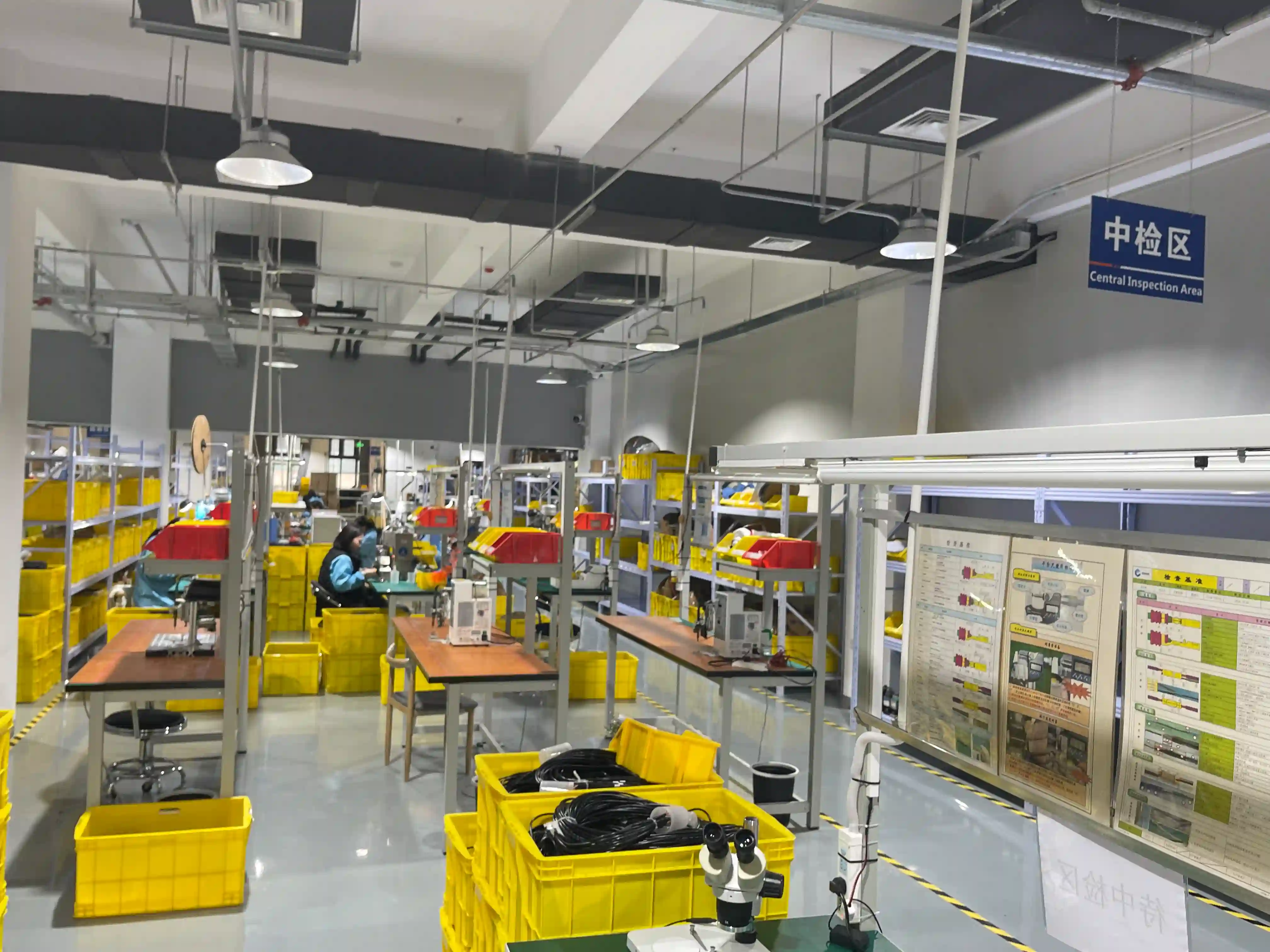
Kitting starts after workmanship and electrical release, not before. Finished harnesses can receive 100% continuity, shorts, polarity, label, visual, and functional checks before they are grouped into buyer-defined kits.

100% continuity, shorts, polarity, and label checks
Visual inspection before bagging and carton close
FAI, test report, and kit photo options
Real Project Snapshot

An anonymized case showing why kit identity, connector appearance, and rework discipline matter after production release.

Industry

electrical-supply

Region

US

Year

2024

Scenario

A US electrical supply distributor required custom wire harnesses with specific Molex connectors, but a production batch had a dyeing/color deviation on the connector housings.

Challenge

Approximately 200 pieces of the wire harness assembly had connector coloring that did not match the strict aesthetic and technical requirements, risking rejection and project delay.

Solution

A rapid rework process returned the affected harnesses, replaced and correctly dyed the connectors, and tightened in-process quality control for custom color specifications before repeat orders.

Result

The batch was reworked and delivered without losing the client's trust, and the client continued to place repeat orders in the following months without quality complaints.

Concrete Numbers

200 pieces reworkedMolex connectorscustom dyeing specification

Anonymized from a real project. Specific buyer identifiers withheld; numbers quoted verbatim from project records.

Where Harness Kitting Saves Buyer Time

Kitting is most valuable when the receiving team cannot afford to sort loose harnesses, loose connector bags, and mixed revisions on the assembly floor.

Industrial equipment build cells

Machine builders, pump skid integrators, robotic cells, and control equipment programs where each build station needs the correct tested harness set.

Control cabinets and panel wiring

Panel harness kits with ferrules, labels, cable glands, terminal-block leads, ground jumpers, and installation-friendly packing order.

Vehicle and heavy equipment programs

Engine, lighting, sensor, dashboard, battery, and accessory harness kits packed by vehicle model, option set, or installation stage.

Medical and laboratory devices

Traceable cable sets for diagnostic, monitoring, therapy, and lab instruments where labels, clean packaging, and release evidence matter.

Field service and spare-part kits

Replacement harness kits with spare terminals, connector housings, labels, sleeves, and installation notes packed for service technicians.

Prototype and pilot builds

Small kit runs that let engineering validate whether package order, labels, accessory grouping, and line-side handling are practical before volume release.

Wire Harness Kitting Capability Table

Kit structuresSingle harness, multi-harness set, panel kit, vehicle kit, machine kit, service kit, loose accessory kit
Packaging methodsBag-and-tag, carton divider, coiled harness, sleeve protection, bulk pack, station pack, export carton
Label optionsPart label, branch label, connector label, carton label, barcode, QR code, serial number, lot number
Accessory optionsConnector housings, terminals, seals, clips, heat shrink, cable ties, glands, boots, spare leads, instruction sheets
RFQ inputsDrawing, BOM, kit content list, label template, packing method, carton requirement, quantity, and receiving workflow
Sample lead timeTypically 7-10 business days after drawing, kit contents, and material availability are confirmed
Production controlsWork instructions, test records, packing checklist, kit photos, revision lock, final quantity verification
Quality referencesIPC-A-620 workmanship context, UL-758 wire material review, ISO 9001:2015 release records, IATF 16949:2016-style traceability
Wire Harness Kitting Service

How We Keep Harness Kits Usable After Delivery

A kit is only useful if the right tested harness, right accessory, and right revision arrive together in a format your team can consume.

We quote the packing workflow, not only the harness

Two harnesses with the same drawing can need different pricing when one ships bulk and the other ships as a labeled line-side kit with accessories, photos, and carton-level checks. We separate those assumptions before quotation.

We treat labels as production controls

Labels are not decoration. They connect the harness to the drawing, installation point, kit contents, lot record, and receiving process. We review label material, position, text, barcode fields, and language before release.

We prevent accessory drift

Loose terminals, seals, clips, heat shrink, and connector housings can create line stoppages if they are packed from the wrong BOM revision. We lock accessory content against the approved kit list and flag substitutions before shipment.

We keep commercial changes visible

If kitting adds labor, label printing, special cartons, or protective materials, we show those drivers separately from harness unit price so purchasing can choose the right packaging level.

Standards and Supplier Qualification References

Wire harness kitting combines cable workmanship, material traceability, labeling discipline, and quality-system records. These public references help buyers align terminology before converting a drawing package into a released kit.

Reviewed by WellPCB Wire Harness Engineering

Hommer Zhao

Wire harness and cable assembly manufacturing lead

Factory-side harness production and RFQ review experience since 2008
ISO 9001:2015, IATF 16949:2016-style traceability, and IPC-A-620 workmanship review context
Supports OEM cable assembly, connector sourcing, labeling, testing, and export packaging programs

Need Harness Kits Ready for Your Assembly Line?

Send drawings, BOM, kit contents, label rules, quantity, and packing requirements. We will return a quote with harness build assumptions, kitting cost drivers, test records, and sample timing separated.

Send This With Your Kitting RFQ

Harness drawing, BOM, wire list, connector part numbers, and current drawing revision

Kit content list showing which harnesses, accessories, labels, and documents belong together

Label template, barcode fields, serial or lot rule, carton label, and language requirement

Packing method, carton size limit, coil diameter, bend radius, connector protection, and shipping route

Sample quantity, production forecast, required test records, FAI photos, and receiving workflow

What You Get Back

Manufacturability and packing-risk notes for harnesses, accessories, labels, and carton constraints

Sample lead time, production lead time, MOQ, unit price, and special packing cost drivers

Recommended test, inspection, label, kit photo, and revision-control evidence plan

Clear assumptions for installed versus loose accessories and line-side versus service packaging

Buyer Questions Before Harness Kitting RFQ

Answers for purchasing, quality, and manufacturing teams comparing harness suppliers for kit-based delivery.

What makes a wire harness kitting RFQ quote-ready?

Send the harness drawings, BOM, released revision, kit contents, label template, packing method, carton constraints, quantity, and required records. If accessories are loose, show whether they ship per harness, per machine, per carton, or as separate service spares.

Can you kit loose connectors and terminals with finished harnesses?

Yes. We can pack loose connector housings, terminals, seals, clips, heat shrink, cable ties, boots, glands, spare leads, and instruction sheets with the tested harness. We separate pre-installed parts from loose-kit parts so inspection and receiving teams know exactly what to expect.

How do you prevent mixed revisions inside a harness kit?

We lock the drawing, BOM, label file, packing checklist, and test method before release. Kit contents are checked against that file set before carton close. When a buyer changes the drawing, we separate old stock, pilot kits, and released production kits instead of mixing them.

Can you support local factory audits before a kitted harness program?

Yes. In 2025, a global Tier-1 electronics OEM evaluated our Philippines facility for a strategic wire harness assembly partnership. The process included NDA signed within 3 days, DSI procurement system integration, and a Philippines factory location audit before the program advanced to formal RFQ.

Does kitting happen before or after electrical testing?

Kitting should happen after release testing. For most programs, finished harnesses receive continuity, shorts, polarity, visual, label, and quantity checks before bagging. That keeps a packing checklist from hiding an electrical or workmanship defect.

When is bag-and-tag packaging worth the extra cost?

Use bag-and-tag packaging when sorting time, missing accessories, field-service clarity, mixed revisions, or line stoppage would cost more than the packing labor. For stable bulk runs with simple receiving, bulk packaging may be enough.