LVDS Cable Assemblyfor Display RFQs That Cannot Guess
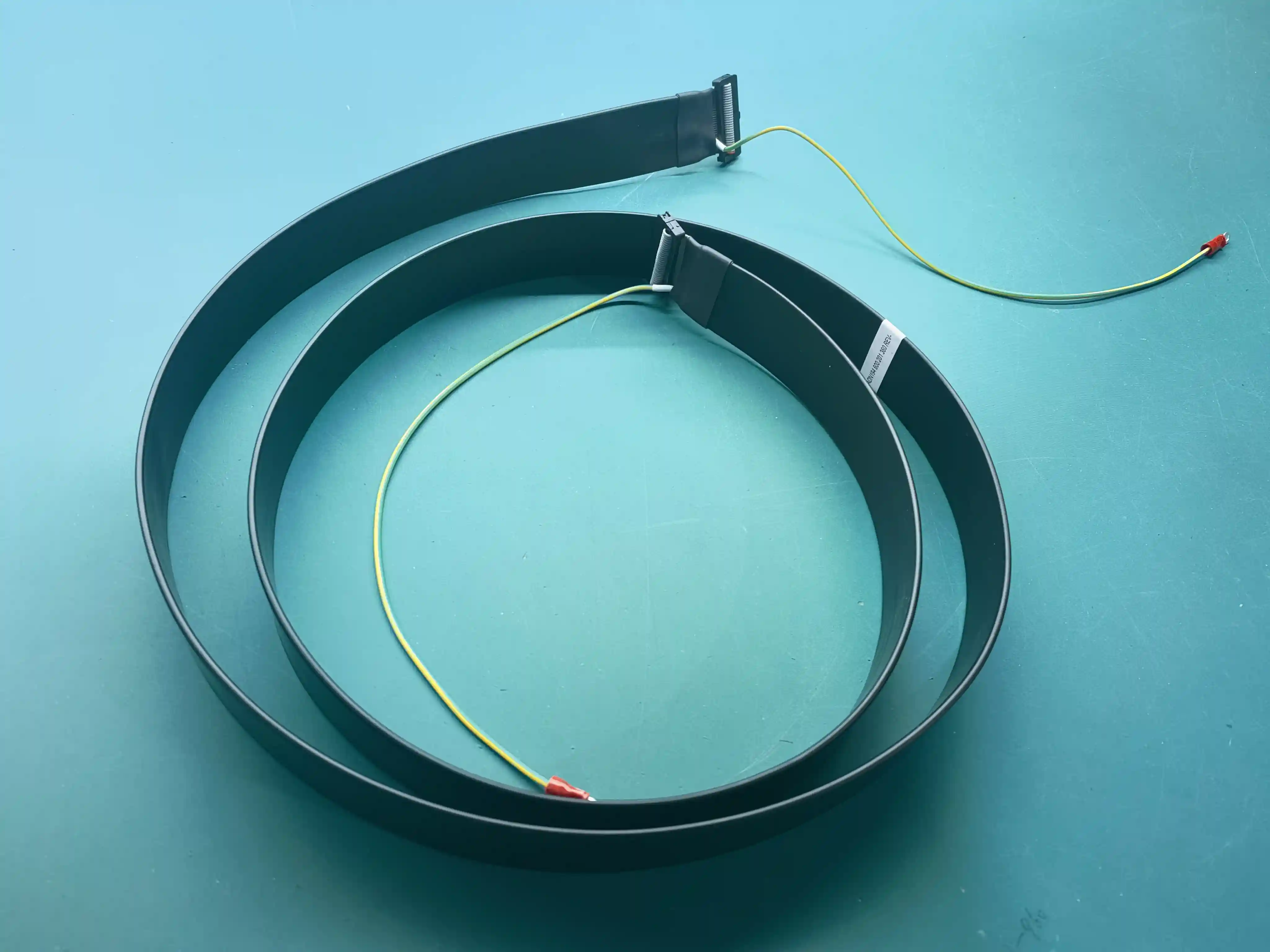
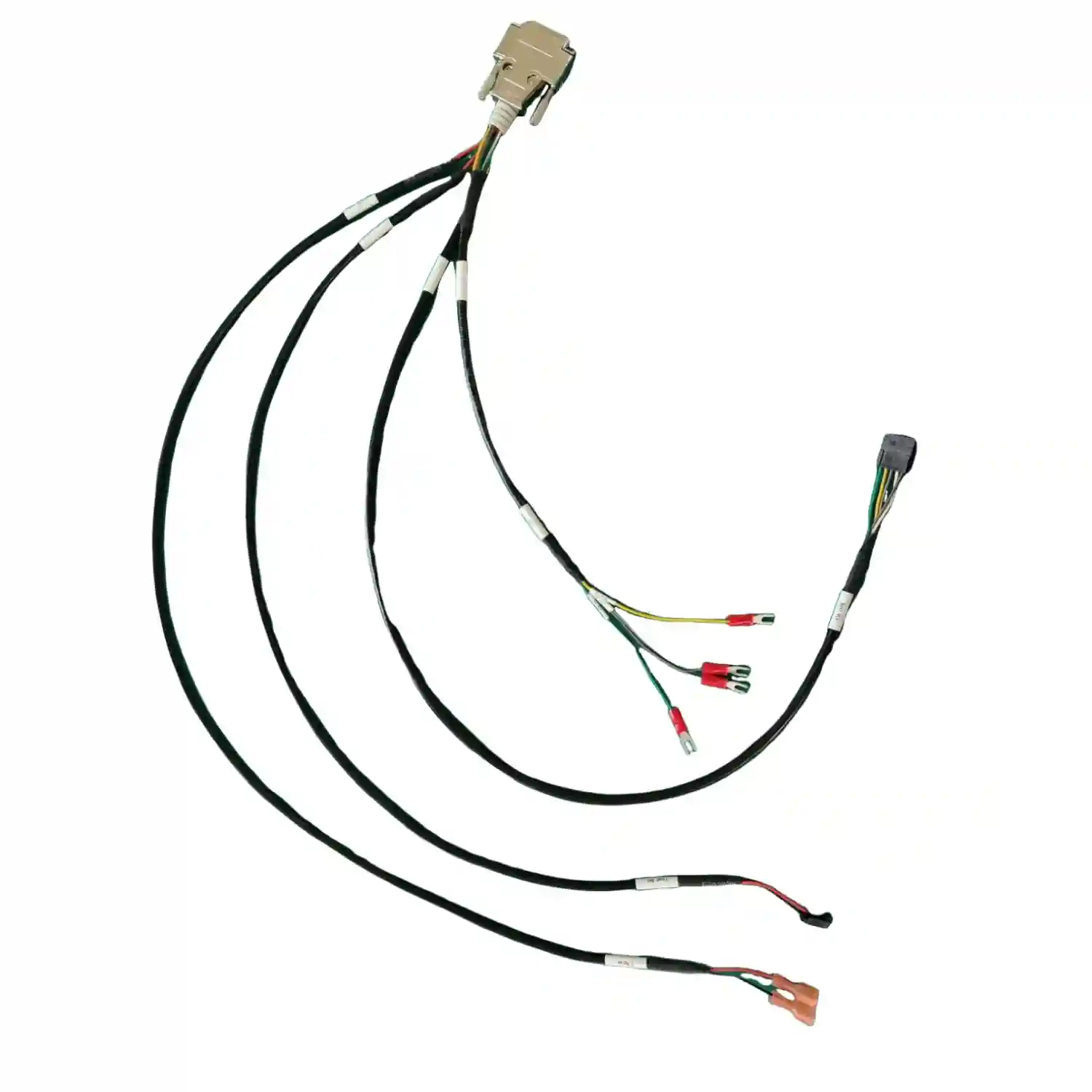
LVDS cable assembly is a custom high-speed display interconnect that carries low-voltage differential signals through matched pairs, micro-coax, FFC/FPC cable, or shielded wire. We build this page around a real thermal-imaging recovery: "1296 defective units out of 2000" AWG#40 CABLINE-VS 1:1 cables failed impedance review, so our RFQ process now forces pair geometry, test method, connector callout, and release evidence into the quote before production starts.
TL;DR
- Use this service for LVDS display, camera, imaging, and compact sensor cable assemblies.
- Send pinout, connector part numbers, cable length, pair map, impedance target, and test method.
- We flag connector, skew, shield, bend-radius, and inspection gaps before quoting production.
- Best fit: prototype recovery, supplier transfer, and repeat builds where 100 ohm pairs matter.
LVDS RFQ Controls That Prevent Display Cable Failures
A high-speed display cable fails when the supplier treats pinout, impedance, and test setup as separate conversations.
100 ohm pair and route review
An LVDS cable is a differential signal cable that normally depends on about 100 ohm pair geometry, stable spacing, and controlled return paths. We review pair map, cable family, shield structure, bend path, and maximum finished length before price is locked.
Micro-coax and fine-pitch connector control
A micro-coax LVDS cable is a miniature display interconnect that uses very small coaxial conductors for cameras, medical imaging, thermal modules, and compact screens. We check I-PEX, JAE, Hirose, KEL, Samtec, FFC/FPC cable, and mating interface details before sourcing starts.
Test method locked before production
An impedance test report is only useful when the customer and factory agree on fixture, cable state, acceptance window, and sample rule. The 2020-2021 recovery case showed that a test-method mismatch can stop an entire beta run, so we define measurement expectations at RFQ stage.
IPC-A-620 workmanship and material evidence
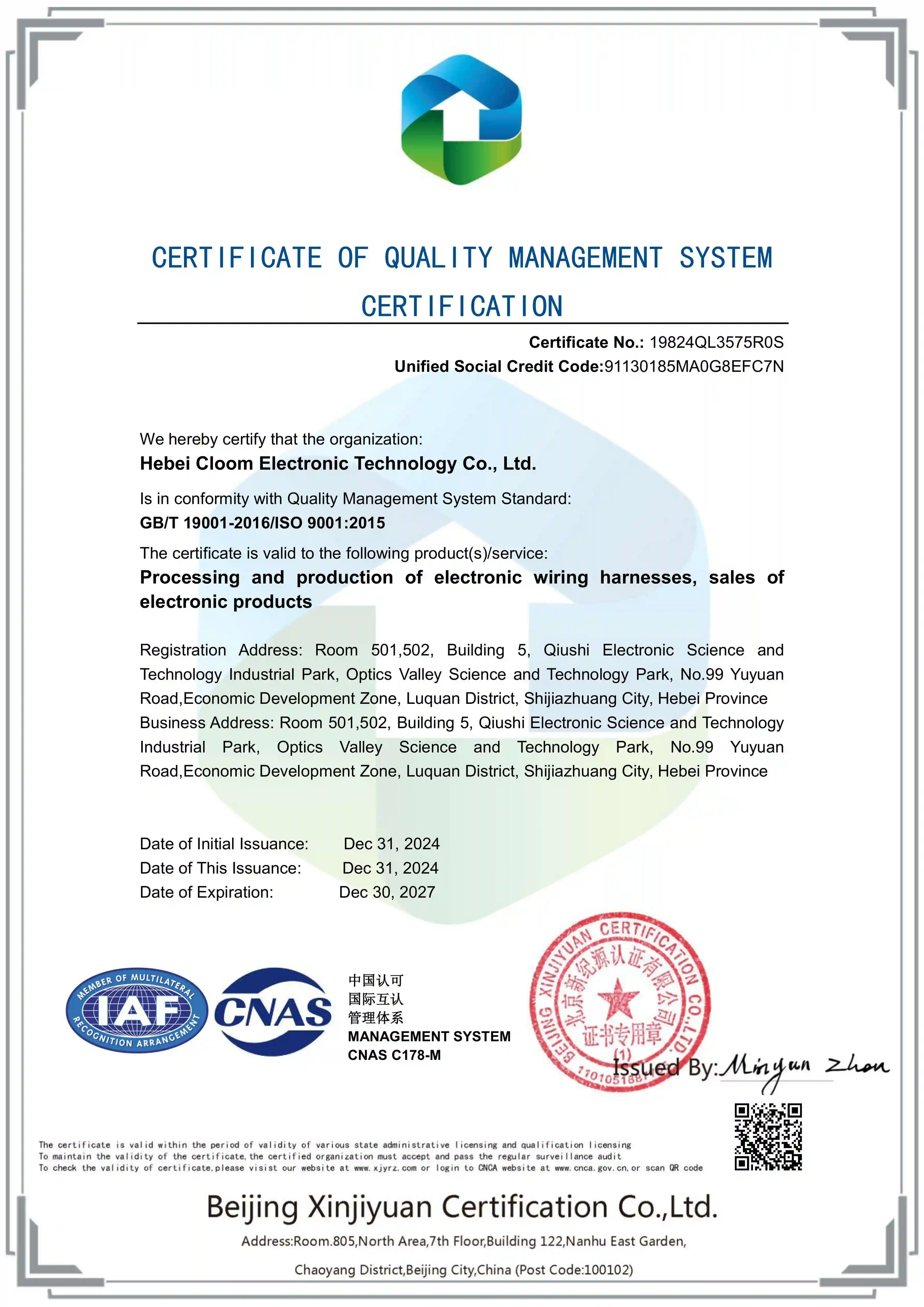
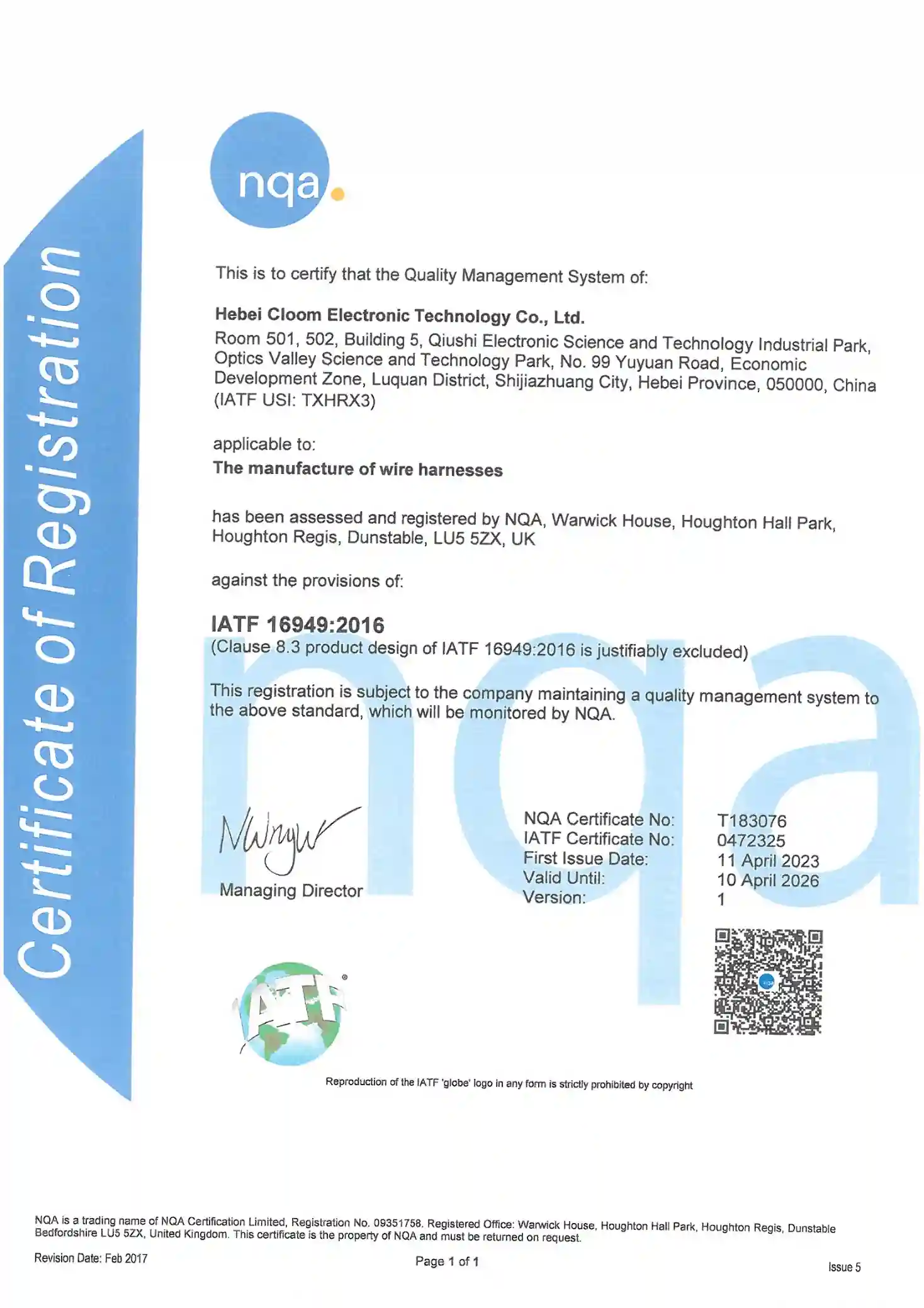
IPC-A-620 is a workmanship reference for cable and wire harness assemblies, while UL-758 gives buyers public context for appliance wiring material expectations. We map workmanship, insulation, label, and handling requirements to the buyer's quality plan instead of treating LVDS as a commodity jumper.
An anonymized case-bank example showing why LVDS and micro-coax RFQs need agreed impedance and test methods before production release.
Industry
thermal-imaging
Region
Belgium
Year
2020-2021
Scenario
A European thermal imaging OEM experienced a critical production halt due to high impedance defects in a micro-coaxial cable assembly used for a beta production series.
Challenge
1296 out of 2000 units of AWG#40 CABLINE-VS 1:1 100mm micro-coax assemblies failed due to high impedance, leading to order cancellation, a demand for refunds, and a major trust deficit.
Solution
Halted production immediately and conducted joint technical analysis with the customer's engineering team to identify the root cause (specification definition and testing method mismatch). Updated specifications, provided new test reports, manufactured new samples, and processed a replacement order for the defective units.
Result
Successfully resolved the quality complaint, secured a replacement order for the 1296 defective units, and maintained the long-term partnership despite the severe initial defect rate.
Concrete Numbers
Anonymized from a real project. Specific buyer identifiers withheld; numbers quoted verbatim from project records.
Where LVDS Cable Assemblies Fit
Best fit is equipment where a display or imaging signal has little tolerance for pair mismatch, poor shielding, or connector ambiguity.
Medical and thermal imaging
Compact LVDS and micro-coax cable assemblies for imaging modules, probe interfaces, diagnostic screens, and sensor heads where cable handling and inspection records matter.
Industrial HMI displays
Display cable assemblies for operator panels, measurement equipment, and control modules where length, pinout, and cable exit must match the enclosure.
Robotics vision and sensor modules
Fine-pitch LVDS paths for camera heads, compact sensor pods, and moving assemblies that need strain relief and routing review before production.
Automotive and specialty vehicle displays
Display harnesses for instrument clusters, infotainment screens, and embedded modules where connector coding and vibration handling affect release risk.
Supplier transfer and rework recovery
Programs moving from lab-built cables or failed suppliers to controlled production with agreed test reports, replacement rules, and traceability.
Prototype-to-production display builds
Small initial builds that validate connector fit, pair map, routing, and test criteria before repeat production orders are approved.
Capability Table for LVDS Buyer Review

Why Buyers Use Our LVDS Review Before Price
The first quote should expose signal, connector, and inspection risks; the purchase order should not be the discovery phase.
Failure mode from a real recovery
The Belgium case had "1296 defective units out of 2000" because specification definition and testing method did not match. We now treat test method agreement as a production gate, not a quality note after shipment.
Connector ambiguity closed early
LVDS RFQs often name a display interface but omit mating half, locking style, pitch, pin count, cable exit, or no-substitution rule. We return those questions before sourcing so buyers can approve the exact build path.
Balanced recommendation, not automatic overbuild
Micro-coax is useful for tight routing and signal integrity, but it can raise handling risk and inspection cost. FFC/FPC cable or shielded twisted pair may be better when space, bend path, and volume make the simpler construction more stable.
Documentation buyers can compare
Our quote separates open questions, test scope, sample lead time, production assumptions, connector sourcing risk, and evidence package so engineering, purchasing, and quality teams can compare suppliers on the same facts.
Standards and Technical References for LVDS Builds
For LVDS cable assembly programs, we use public references to align buyer discussions around signaling behavior, workmanship expectations, and material quality systems.
LVDS technical background
Public reference for low-voltage differential signaling and why high-speed, low-power differential links need controlled interconnect choices.
IPC workmanship context
Public background on IPC standards used for cable and wire harness workmanship expectations during supplier review.
UL material context
Public background for buyers reviewing wire, insulation, safety organization context, and material evidence in cable assemblies.
Factory Engineering Review
Hommer Zhao
Senior factory engineers supporting LVDS, micro-coax, display, robotics, and medical cable RFQs
Get a Quote for Your LVDS Cable Assembly
Upload your LVDS drawing, pinout, connector list, cable length, impedance target, quantity, and test requirements. We will return manufacturability questions, sourcing risk, and a production-ready evidence plan.
Send This With Your LVDS RFQ
Drawing, pinout, pair map, cable length, connector part numbers, and mating display details
Target impedance, shield or drain-wire rule, bend path, routing space, and no-substitution requirements
Sample quantity, production quantity, delivery location, required lead time, and approved connector alternates
Continuity, pinout, impedance, shield continuity, pull-force, label, and report expectations
What You Get Back
Missing-input list for connector, pair map, length, shielding, and test criteria
Sourcing-risk review for fine-pitch connectors and approved alternates
Recommended sample plan, production release checks, and evidence package
Clear scope boundary for cable assembly manufacturing versus customer-side electronics design
LVDS Cable Assembly RFQ Questions
Commercial and engineering answers for display, imaging, and compact sensor teams comparing LVDS cable suppliers.
I need 200 LVDS display cables for a prototype build. Is that too small?
A 200-unit LVDS cable assembly prototype run is practical when the connector family, pair map, cable length, and test method are defined. Fine-pitch connector MOQ may control material cost more than labor, especially for I-PEX, JAE, Hirose, KEL, or similar display interconnects. Send the drawing, pinout, target impedance, sample schedule, and any no-substitution rule so we can separate prototype pricing from later production assumptions and define the first inspection report. We also check whether the same parts can scale into the next production release.
How do I avoid impedance failures in a custom LVDS cable assembly?
The safest approach is to define the impedance target, measurement method, cable state, connector interface, and acceptance window before production. Our case bank includes "1296 defective units out of 2000" AWG#40 CABLINE-VS 1:1 assemblies that failed because specification definition and testing method did not match. We treat that agreement as an RFQ gate, then align continuity, pinout, visual workmanship, and any impedance sampling with the release plan before the lot starts. That step prevents buyers and suppliers from measuring the same cable in different ways.
Should I choose micro-coax, FFC/FPC cable, or shielded twisted pair for LVDS?
Choose micro-coax when the display path is compact and signal integrity has priority, FFC/FPC cable when the route is flat and repeatable, and shielded twisted pair when bend handling and service routing matter more. The drawing should define length, bend zone, pair count, and 100 ohm target so the supplier can quote the correct construction. If the cable will move during service, ask for strain relief and bend-path review before approving samples. The cheapest construction is not always the lowest-risk construction.
What tests should ship with LVDS cable samples?
Basic LVDS cable samples should include 100% continuity, pinout, visual workmanship, label, and packout inspection. For high-risk imaging, robotics, or medical programs, add impedance, shield continuity, pull-force, or sample-level functional checks. IPC-A-620 workmanship and UL-758 material context can be referenced in the release plan. The buyer should state whether impedance testing is required on every unit, by sample size, or only during first-article approval. That decision affects fixture cost, lead time, final unit price, and the evidence package shipped with samples.
Can you replace a failed LVDS cable supplier without changing our design?
Yes, supplier transfer can start from the approved drawing, physical sample, pinout, connector references, and existing failure report. We identify which inputs are locked and which are unclear. If the previous issue involved high impedance, skew, open circuits, or connector mismatch, the new build plan must include an agreed test method before the replacement lot starts. For recovery work, we normally ask for at least 1 failed sample and 1 approved reference sample. That comparison helps separate design intent from supplier execution.
What is out of scope for this LVDS cable assembly service?
This service covers cable assembly manufacturing, connector sourcing review, workmanship inspection, and test evidence. We do not design display electronics, firmware, or video timing. If your RFQ lacks a pair map, connector part numbers, or target impedance, we can flag the missing inputs, but final electrical architecture remains the buyer's responsibility. For new designs, provide the display module datasheet and system test requirement before requesting a production quote. That keeps the supplier review inside the cable assembly scope and prevents unsupported design promises.