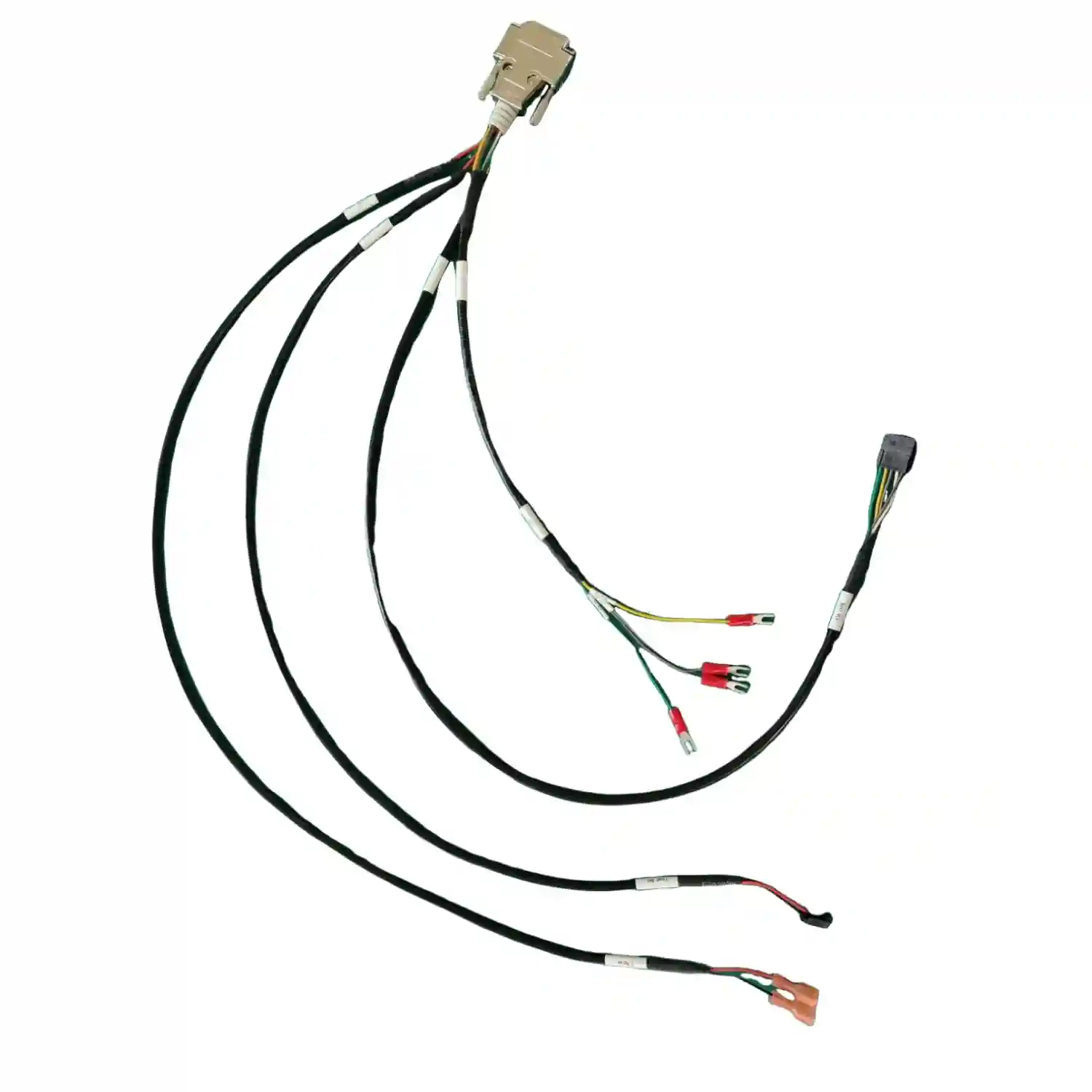
Medical Device Cable Assembly Manufacturing

Custom Medical Cable AssemblyBuilt for Regulated Device Programs

Custom medical cable assembly manufacturing for patient monitoring, diagnostic imaging, surgical systems, and laboratory devices. We help OEM teams align materials, traceability, testing, and manufacturability before the project reaches pilot or scale production.

View Medical Industry Page
7-10 Days
Typical Samples
100%
Electrical Test Baseline
Traceable
Lot Control Options
NPI to Volume
Production Path

Medical cable programs get expensive when assumptions stay vague

A medical cable assembly quote is usually wrong for one of three reasons: the buyer does not define the cleaning and sterilization profile, the supplier quotes to a generic industrial material stack, or nobody defines what records and testing the program really needs.

That is why our process starts with application risk and documentation scope instead of only wire count and connector names. If the cable lives inside an analyzer, patient monitor, handheld therapy device, or imaging subsystem, those differences change how the product should be built and validated.

Buyers already evaluating supplier readiness can cross-check our broader medical wire harness manufacturing guide and our medical wire harness manufacturer checklist. This page focuses on the service-side execution for custom cable builds.

Medical device cable assembly production

Service capabilities for medical device OEM programs

The work is not just cable termination. It is controlled material selection, repeatable assembly, and documentation that survives design transfer.

Medical Material and Regulatory Input Up Front

Medical cable assemblies fail late when material, labeling, and documentation assumptions stay vague at RFQ stage. We review patient contact level, cleaning chemistry, sterilization method, and traceability expectations before sample release so the production path matches the real device risk.

Biocompatibility review support
Lot traceability expectations defined
Cleaning and sterilization inputs captured

Patient Monitoring and Diagnostic Cable Builds

We build custom medical cable assemblies for patient monitoring leads, imaging subsystems, sensor breakouts, and cart-mounted equipment where shielding control, flex performance, and repeatable termination quality matter more than catalog convenience.

Signal, power, and hybrid builds
Miniature and multi-branch routing
Low-noise shielding options

Overmolded and Strain-Relieved Medical Interconnects

Where the cable exit sees repeated handling, wipe-down, or movement, we support overmolding, molded strain relief, and sealed transitions that help reduce field failures at the connector break point.

Custom boot geometry
Soft-touch or rigid support zones
Improved cable exit durability

Build-to-Print Control for Regulated Programs

Medical OEM buyers usually need revision discipline, stable BOM control, and explicit change communication. We lock the approved construction, inspection plan, and packaging method after sample approval so recurring lots do not drift.

Revision-controlled travelers
Controlled substitutions only
Documentation matched to program scope

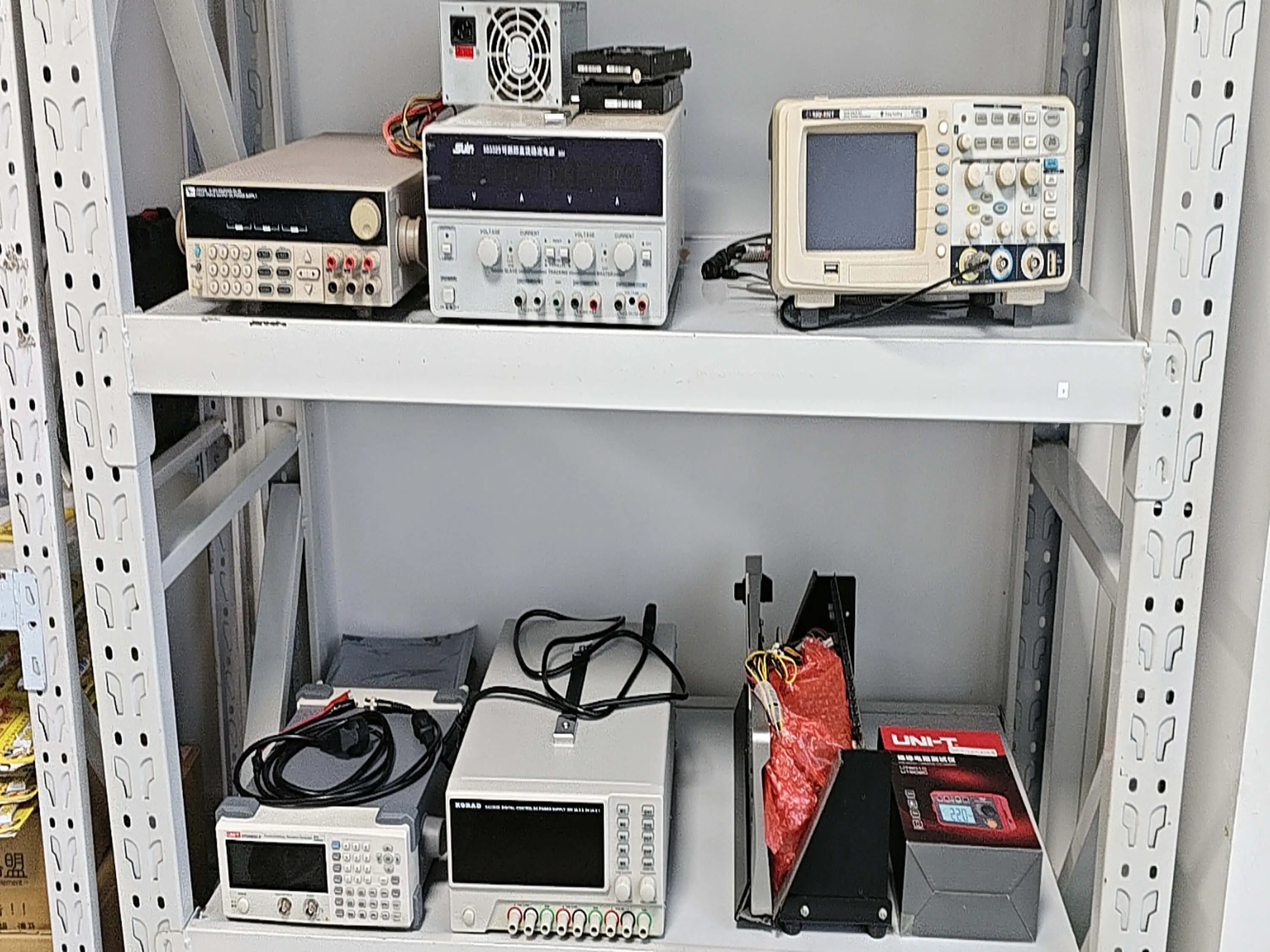
Electrical Test Coverage Matched to Device Risk

Continuity alone is not enough for many medical programs. We support 100% continuity and polarity as baseline, with optional insulation resistance, hipot, pull-force, and customer-specific fixture validation when the application calls for it.

100% continuity and pin-map test
Optional IR and hipot
Lot or unit-level records available

Prototype to Production Without Rewriting the Process

Prototype medical cable assemblies are built with production intent. That helps engineering teams validate fit, routing, and cleaning resistance early instead of relearning the process at pilot or volume stage.

Low-volume sample support
NPI-friendly documentation
Pilot and recurring production planning

Technical and program controls buyers usually ask for

These are typical capabilities and review points for custom medical cable assembly sourcing. Final scope depends on the device, risk class, and validation plan.

Program Types
Patient monitoring, imaging, therapy, lab automation, portable medical electronics
Materials
Medical-grade TPU, TPE, silicone, PVC, and application-specific jacket systems
Conductor Range
Fine-gauge signal leads through heavier power and hybrid cable constructions
Build Styles
Single-ended pigtails, branch harnesses, shielded assemblies, overmolded exits, hybrid copper/coax builds
Documentation Support
Traveler, inspection checklist, COC, lot traceability, and agreed validation records
Testing
Continuity, polarity, IR, hipot, pull-force, and fixture-based checks by requirement
Prototype Timing
Typically 7-10 business days when parts and tooling are available
Volume Range
Engineering samples through recurring production programs
Cleaning Inputs
IPA, quats, bleach-based wipe-down, and other customer-defined exposure profiles reviewed at RFQ
Sterilization Inputs
EtO, gamma, autoclave, or non-sterile use reviewed case by case
Quality Reference
IPC/WHMA-A-620 with program-specific additions where required
Typical RFQ Files
Drawing, pinout, BOM, cable spec, 3D model, validation needs, and cleaning profile
Cable assembly electrical testing for medical device programs

Common medical device applications

The same cable family can behave very differently in a bedside monitor versus a portable therapy device. Application context drives the right build.

Patient Monitoring Systems

Lead sets and internal harnesses for ECG, EEG, pulse oximetry, and bedside monitoring where flexible routing, reliable terminations, and documentation discipline are critical.

Diagnostic Imaging Equipment

Cable assemblies for ultrasound, imaging subsystems, probes, and console interconnects that need shielding control, stable signal paths, and repeatable assembly quality.

Surgical and Therapy Devices

Assemblies for electrosurgical systems, therapy platforms, robotic subsystems, and handheld devices that see repeated motion, wipe-down, and operator handling.

Laboratory and Analytical Instruments

Internal and external wiring for analyzers, sample-processing systems, and automated lab equipment where connector retention, route control, and serviceability matter.

Portable and Cart-Based Medical Electronics

Medical cart, mobile workstation, and portable-device cable sets that need manageable cable dress, field durability, and controlled packaging for distribution.

Wearable and Compact Medical Subsystems

Miniature assemblies using fine-pitch terminations or micro coax where space is limited and standard industrial cable constructions are too bulky.

Process from RFQ to repeat production

The objective is to make the approved sample reproducible. That only happens when the quoting, prototype, and production steps share the same control logic.

01

Device and Compliance Review

We review the device function, patient contact assumptions, cleaning method, sterilization exposure, routing envelope, and documentation needs before quoting.

02

Cable Construction and Connector Selection

Engineering matches conductor size, shield design, jacket system, and connector family to the electrical and mechanical requirements instead of defaulting to a generic industrial build.

03

Prototype Build and First-Article Feedback

Samples are built with production-relevant work instructions so your team can validate fit, handling, cleaning durability, and any assembly concerns before pilot release.

04

Controlled Assembly and Overmolding Where Needed

Assemblies are cut, stripped, terminated, labeled, and overmolded or strain-relieved where specified, with attention to routing consistency and connector exit geometry.

05

Inspection, Test, and Record Generation

Every lot follows the agreed inspection plan, from baseline continuity and polarity through any additional IR, hipot, pull-force, or fixture testing required by the device program.

06

Release, Packaging, and Repeat Production Control

After approval, the BOM, instructions, labels, and packaging method are locked so future lots match the validated revision instead of drifting over time.

Public references buyers can use during supplier review

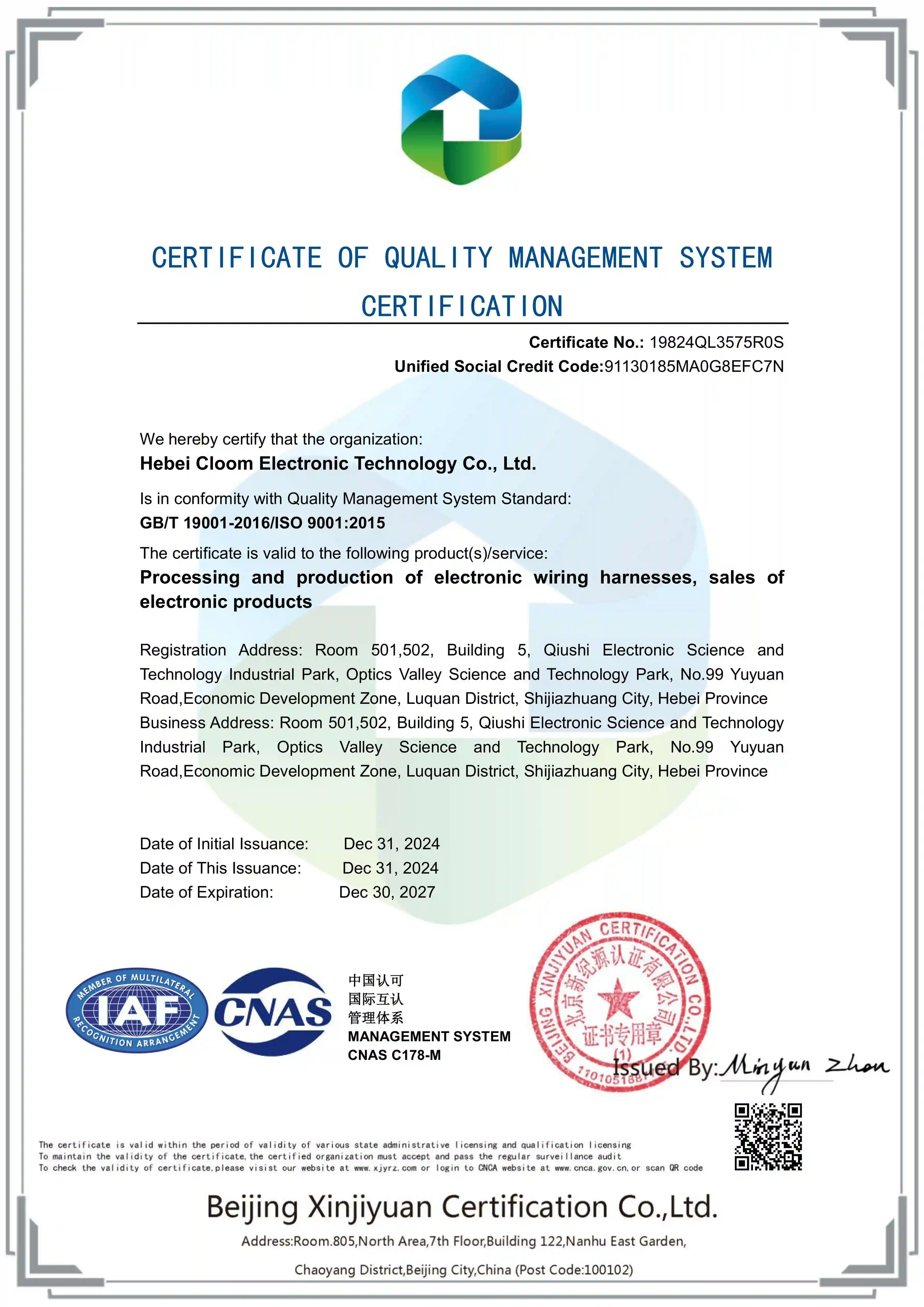
These are stable public references that help frame quality-system, safety, and regulatory discussions before a medical cable assembly supplier is approved.

Why OEM teams use this service

Medical Risk Framing Instead of Generic Cable Quotes

The quote process starts from device use, cleaning, and documentation risk, not from conductor count alone. That prevents expensive late-stage rework.

Cross-Functional Support for Engineering and Sourcing

We help purchasing teams, NPI engineers, and quality teams align on the same cable definition before sample approval, which reduces ambiguous RFQs and supplier back-and-forth.

Realistic Validation Scope

We do not promise every medical program needs the same records. The inspection and documentation package is matched to the program you are actually running.

Strong Adjacent Capability for Coax, Overmold, and Test

Medical programs often need more than a simple lead wire. We support adjacent micro coax, overmolded exits, and controlled test coverage within the same manufacturing flow.

Frequently asked questions

Common buyer questions about custom medical cable assembly manufacturing, testing, and supplier qualification.

Request a custom medical cable assembly quote

Send the drawing, connector list, cleaning profile, sterilization method, expected quantity, and any validation or documentation requirements. The clearer the inputs, the more accurate the quote and production plan.

Drawing, sample, or 3D file review before quote
Material and process assumptions surfaced early
Prototype and production planning from one supplier flow
Testing and documentation scope matched to device risk
Medical cable assembly crimping and production