Real Project Snapshot — Medical Wire Harness Manufacturing Guide
Anonymized example from our case bank, shared so buyers can see how this scope is actually executed in production.
Industry: automotive | Region: Germany | Year: 2025-Q3 → 2025-Q4
Scenario: A German Tier-1 automotive supplier initiated contact seeking a global wire harness manufacturing partner, requiring rapid qualification across multiple regions.
Challenge: The customer needed quick validation of manufacturing capabilities, compliance (NDA, supplier code of conduct), and global coordination to issue multiple RFQs across North America, Europe, India, and South America within weeks.
Solution: Provided comprehensive company presentations, ISO/IATF certifications, and virtual reality factory tours of China and Philippines facilities. Swiftly executed NDAs and supplier codes of conduct, coordinating directly with the global lead buyer and regional buying teams.
Result: Successfully onboarded within two weeks, receiving at least 9 RFQs/RFIs across four global regions within the first four months of engagement.
Concrete numbers: 2 factory locations (China, Philippines), 9+ RFQs/RFIs received in 4 months, Onboarding completed in <14 days, ISO/IATF certifications provided
Medical Wire Harness Manufacturing: ISO 13485 & FDA Compliance Guide 2026
When a wire harness fails in a consumer appliance, you get a customer complaint. When it fails in a medical device, someone could die. Here's everything you need to know about manufacturing wire harnesses that meet the uncompromising standards of the medical industry.
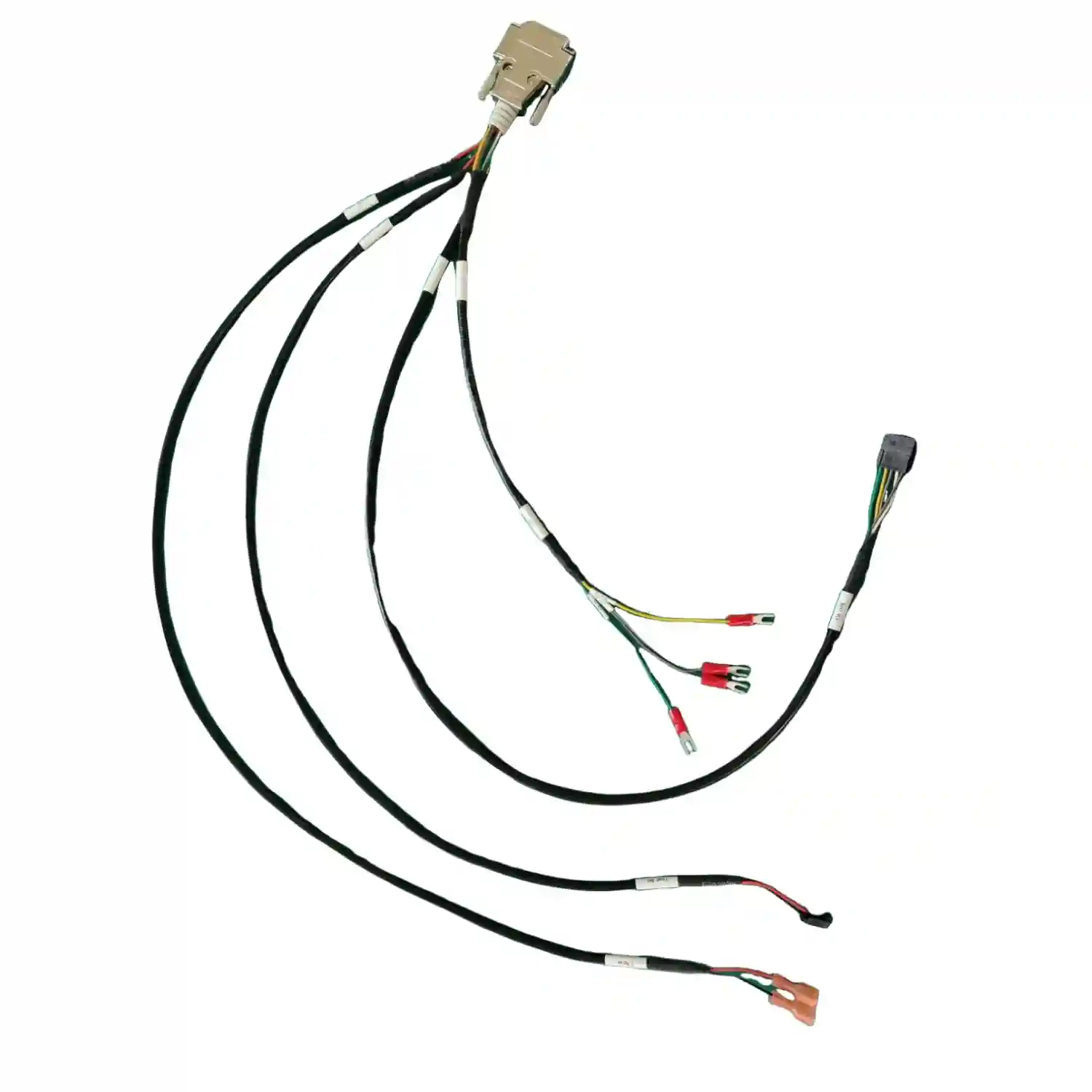
Medical wire harnesses require rigorous documentation, traceability, and quality controls that go far beyond standard manufacturing
Medical device wire harnesses occupy a special category in our industry. The stakes are simply higher—these cables power life-support equipment, transmit critical patient data, and connect surgical instruments. Every crimp, every solder joint, every test result must be documented, traceable, and verifiable.
Over the past 6 years, I've worked with medical device OEMs ranging from Class I consumer health products to Class III life-sustaining implants. This guide consolidates everything I've learned about navigating the regulatory landscape, choosing compliant suppliers, and manufacturing harnesses that meet the industry's demanding requirements.
If you're new to medical sourcing, start with our general manufacturer selection guide for baseline criteria, then return here for medical-specific requirements.
Regulatory Disclaimer
This guide provides general information about medical device manufacturing requirements. It is not legal advice and should not replace consultation with regulatory experts, notified bodies, or FDA guidance. Requirements vary by device classification, intended use, and target market. Always verify current regulations with official sources.
The regulatory requirements for your wire harness depend heavily on the device classification. Higher-risk devices require more stringent controls, documentation, and supplier qualification.
| Classification | Risk Level | Examples | Wire Harness Requirements |
|---|---|---|---|
| Class I | Low | Bandages, tongue depressors, exam gloves | Basic QMS, general controls |
| Class II | Moderate | Powered wheelchairs, infusion pumps, surgical drapes | ISO 13485, design controls, traceability |
| Class III | High | Pacemakers, heart valves, implants | Full validation, biocompatibility, sterilization compatibility |
Hommer's Take
"Most of our medical customers are Class II—diagnostic equipment, patient monitoring systems, surgical tools. The documentation burden is significant but manageable. Class III is a different world entirely. If you're manufacturing for implantables, you need a supplier who's done it before and understands the validation requirements."
ISO 13485: The Foundation of Medical Device Quality
ISO 13485 is the quality management system standard specifically designed for medical device manufacturers. While similar to ISO 9001, it includes additional requirements crucial for medical device safety and regulatory compliance.
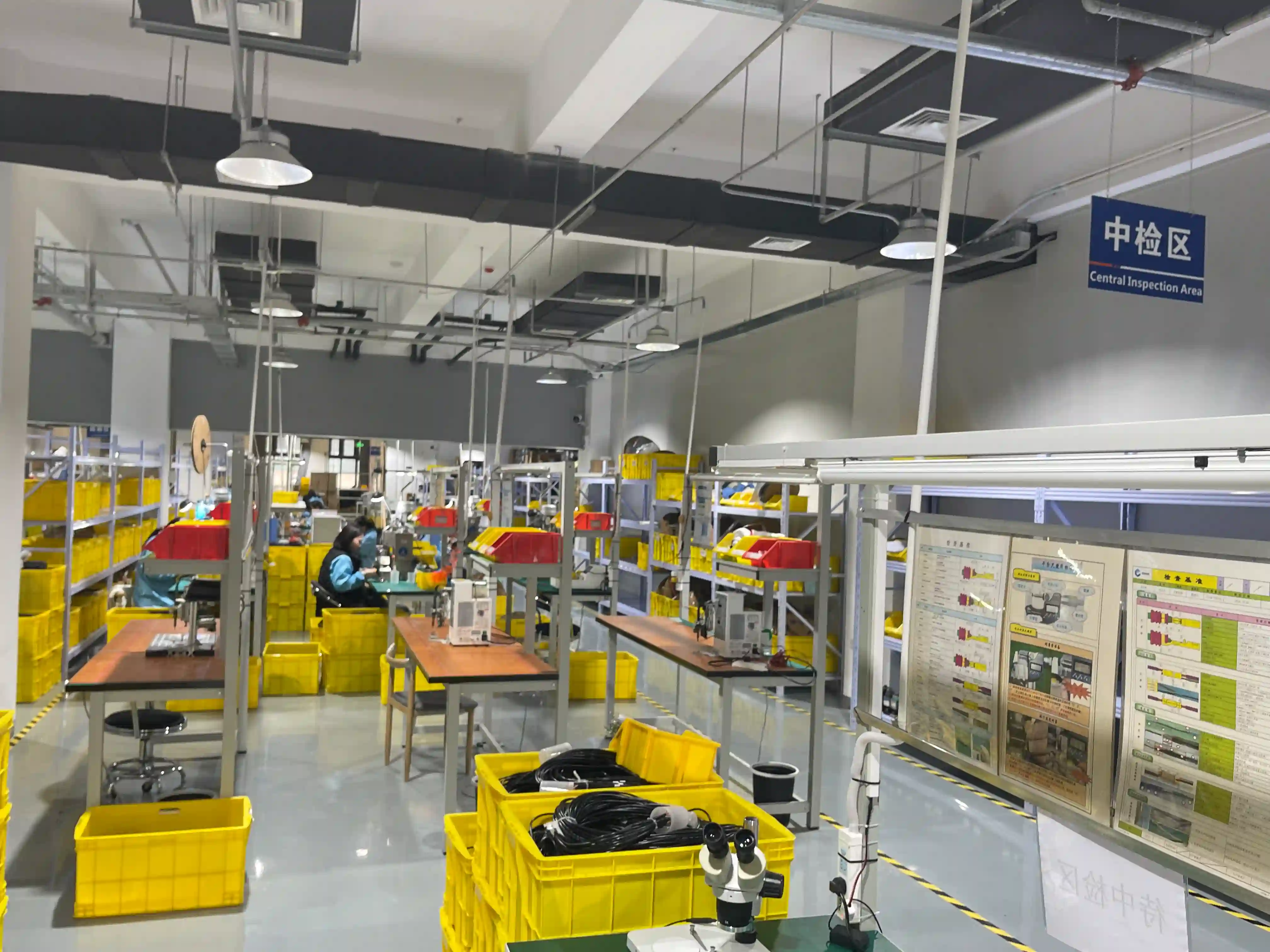
Key ISO 13485 Requirements for Wire Harness Suppliers
Design Controls
- • Design and development planning
- • Design inputs and outputs documentation
- • Design review and verification
- • Design validation records
- • Design transfer documentation
Traceability
- • Unique device identification (UDI)
- • Lot/batch traceability
- • Component material certificates
- • Process parameter records
- • Inspection and test data
Process Validation
- • IQ/OQ/PQ documentation
- • Special process qualification
- • Equipment calibration records
- • Operator training records
- • Process capability studies
Risk Management
- • ISO 14971 risk analysis
- • FMEA documentation
- • Risk mitigation measures
- • Risk-benefit analysis
- • Post-market surveillance input
Important: Supplier Qualification
Under ISO 13485, medical device OEMs must qualify their suppliers and monitor their performance. This means your wire harness supplier needs to pass your supplier qualification audit, provide quality agreements, and submit to periodic performance reviews. Expect to out extensive supplier questionnaires and host customer audits.
FDA 21 CFR Part 820: US Market Requirements
If your medical device will be sold in the United States, you need to comply with FDA's Quality System Regulation (QSR). While ISO 13485 and 21 CFR Part 820 share many similarities, there are important differences that affect wire harness manufacturing.
| Requirement Area | ISO 13485 | FDA 21 CFR 820 |
|---|---|---|
| Design Controls | Required for all medical devices | Required for Class II & III (most Class I exempt) |
| Risk Management | ISO 14971 referenced | FMEA and hazard analysis expected |
| CAPA | Required | Required with specific documentation |
| DHR/DMR | Product file required | Specific Device History Record (DHR) and Device Master Record (DMR) required |
| Complaint Handling | Feedback system required | Medical Device Reporting (MDR) required |
Hommer's Take
"The FDA is moving toward recognizing ISO 13485 as 'substantially equivalent' to their QSR requirements. But don't assume ISO certification alone satisfies FDA. Many OEMs require their suppliers to demonstrate compliance with both standards. Our QMS is designed to meet both simultaneously."
If your wire harness will contact patients—directly or indirectly—biocompatibility becomes critical. ISO 10993 defines a framework for biological evaluation of medical device materials.
When Biocompatibility Testing is Required:
Direct Patient Contact
- • Surgical instruments
- • Patient monitoring leads
- • Implantable device cables
- • Therapy delivery systems
May Require Evaluation
- • Cables in sterile field
- • Indirect fluid path contact
- • Cables that may leach chemicals
- • Sterilizable harnesses
Common Material Considerations:
| Material | Typical Use | Biocompatibility Notes |
|---|---|---|
| Silicone | Implantable cables, flexible leads | Medical-grade silicone typically biocompatible |
| PTFE | High-performance insulation | Generally biocompatible, excellent chemical resistance |
| TPU | Flexible jacketing | Medical grades available, verify certifications |
| PVC | General purpose insulation | Avoid for patient contact (plasticizers) |
Traceability: From Raw Material to Patient
In medical device manufacturing, traceability isn't optional—it's a regulatory requirement. You need to be able to trace any finished harness back to the specific lot of wire, batch of connectors, and even the operator who built it.
Traceability Chain for Medical Wire Harnesses:
Hommer's Take
"We invested in a barcode-based traceability system specifically for our medical customers. Every harness gets a unique serial number. If there's ever a field issue, we can pull up the complete history in minutes—who built it, what components were used, what the test results were. That's not just regulatory compliance; that's peace of mind."
Testing for medical wire harnesses goes beyond the standard continuity and hi-pot checks. Depending on your application, you may need specialized testing to verify safety, reliability, and compliance.
| Test Type | Purpose | Standard Reference |
|---|---|---|
| Electrical Safety Testing | Verify leakage current, dielectric strength, grounding | IEC 60601-1 |
| EMC Testing | Electromagnetic compatibility, immunity, emissions | IEC 60601-1-2 |
| Sterilization Compatibility | Verify harness survives sterilization cycles | ISO 11135, ISO 11137 |
| Flex Life Testing | Verify cable survives repeated bending cycles | ASTM B470, custom protocols |
| Environmental Testing | Temperature, humidity, altitude cycling | IEC 60068 series |
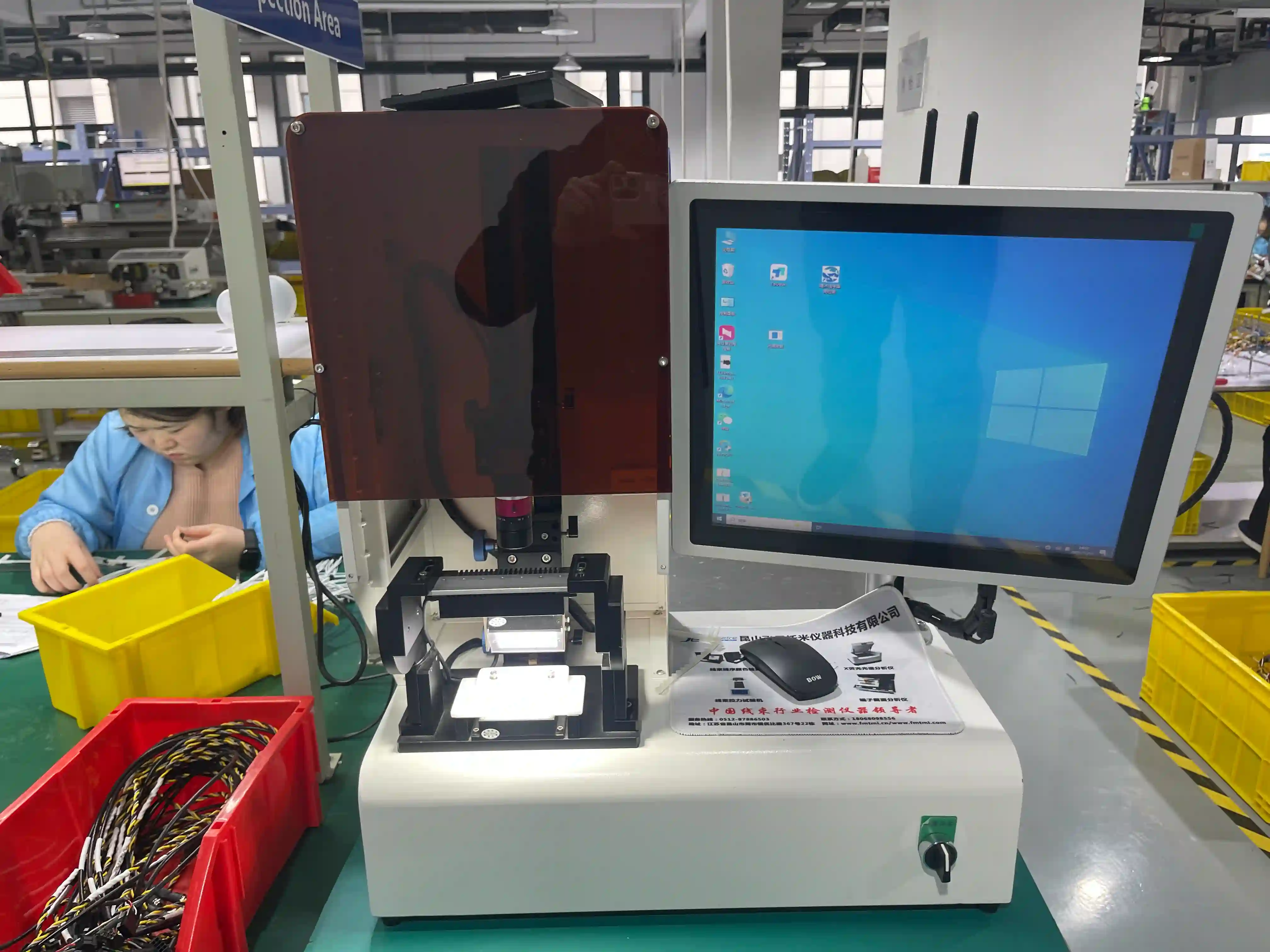
Medical Wire Harness Supplier Checklist
Use this checklist when evaluating potential suppliers for medical wire harness manufacturing. For a more general evaluation framework, see our Top 10 Questions to Ask Wire Harness Suppliers article.
Medical Supplier Qualification Checklist
Certifications & Compliance
- ISO 13485:2016 certification
- FDA registration (if US market)
- IPC/WHMA-A-620 Class 3 capability
- UL certification for applicable products
Documentation Capabilities
- Full lot traceability system
- DHR-compatible records
- Certificate of Conformance (CoC)
- Material certifications available
Quality Systems
- Validated manufacturing processes
- CAPA system in place
- Change control procedures
- Internal audit program
Experience & Capabilities
- Prior medical device experience
- Clean assembly area available
- Customer references in medical
- Biocompatible material sourcing
Related Resources
Medical Device Wire Harness Solutions
Explore our capabilities for medical device applications and see examples of our work.
How to Choose a Wire Harness Manufacturer
Comprehensive guide to evaluating and selecting your manufacturing partner.
Wire Harness RFQ Checklist
15 critical details your manufacturer needs for accurate medical harness quotes.
Our Manufacturing Capabilities
See our equipment, certifications, and production capabilities for medical applications.
Need a Medical-Compliant Wire Harness Partner?
We've been manufacturing wire harnesses for medical device OEMs for over 6 years. Our ISO 13485 compliant facility, full traceability system, and experienced team can handle your most demanding requirements.
Frequently Asked Questions
What standards apply to medical wire harness manufacturing?
Medical harnesses are built under ISO 13485 quality management, must support device compliance with IEC 60601 for electrical safety, and require biocompatibility evaluation per ISO 10993 for any patient-contact materials. FDA requirements apply for devices marketed in the US.
Do medical harnesses require biocompatible materials?
Any material that contacts the patient or patient-facing fluids must be biocompatible — commonly medical-grade silicone or USP Class VI compounds. Material selection has to be documented and validated as part of the device file.
What is ISO 13485?
ISO 13485 is the internationally recognized quality management system standard for medical device manufacturing. It adds device-specific rigor around risk management, traceability, validation, and documentation beyond what ISO 9001 requires.
Can medical wire harnesses be sterilized?
Yes, when built with materials and constructions rated for the chosen method — autoclave, ethylene oxide (EtO), or gamma irradiation. The sterilization method must be specified up front because it constrains material and overmold choices.
What traceability is required for medical harnesses?
Medical builds demand full lot-level traceability tied to a Device History Record, linking each component and process step to material certificates. This allows complete reconstruction of how and from what a given assembly was built.
Why do medical harnesses have longer lead times?
The added validation, documentation, biocompatibility checks, and controlled-process requirements extend the timeline beyond a comparable industrial harness. Planning for this up front prevents schedule surprises during qualification.