What wire do you use for LED and lighting harnesses?
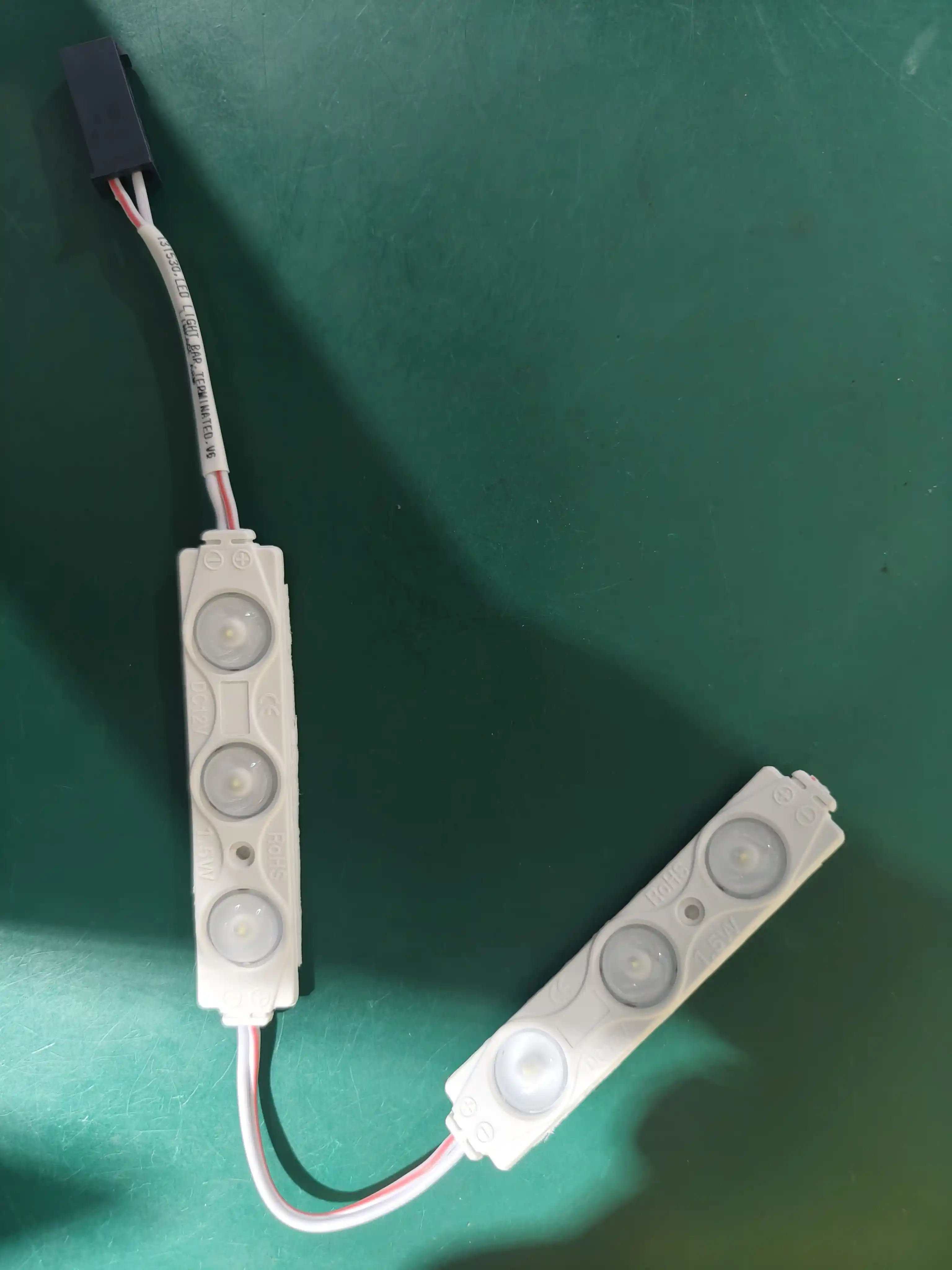
We build with UL-listed fixture wire — primarily UL 1015 and UL 1007 — rated for the high temperatures around LED drivers (105–150°C), with silicone-insulated wire for the hottest zones. Most lighting harnesses run low-voltage 12 / 24 / 48V DC, with conductor gauges sized to control voltage drop across long daisy-chained fixture runs.
Can your lighting harnesses handle 0–10V, DALI and DMX dimming?
Yes. We build to the common lighting control buses — 0–10V analog dimming, DALI and DALI-2 addressable control, DMX512 for entertainment and signage, and PWM dimming. We wire the control conductors alongside the power leads as one tested assembly so dimming and addressable scenes work without rework.
Are your outdoor and grow-light cables waterproof?
They are. For architectural, street and horticultural lighting we use IP65–IP68 sealed overmolds, UV-resistant jackets and IP68 waterproof connectors. Greenhouse grow-light harnesses in particular see heat, humidity and condensation, so sealing and UV resistance are designed in rather than added later. See our waterproof and overmolded cable assemblies for the construction detail.
Which connectors do you terminate for lighting?
We factory-terminate Wieland GST (the standard for fixture daisy-chaining), Phoenix Contact, Molex and Wago push-in connectors, plus IP68 waterproof connectors and pigtail leads for in-fixture wiring. All terminations are crimped and continuity-tested in-house, so fixture builders and installers do not field-crimp.
What standards do your lighting harnesses meet?
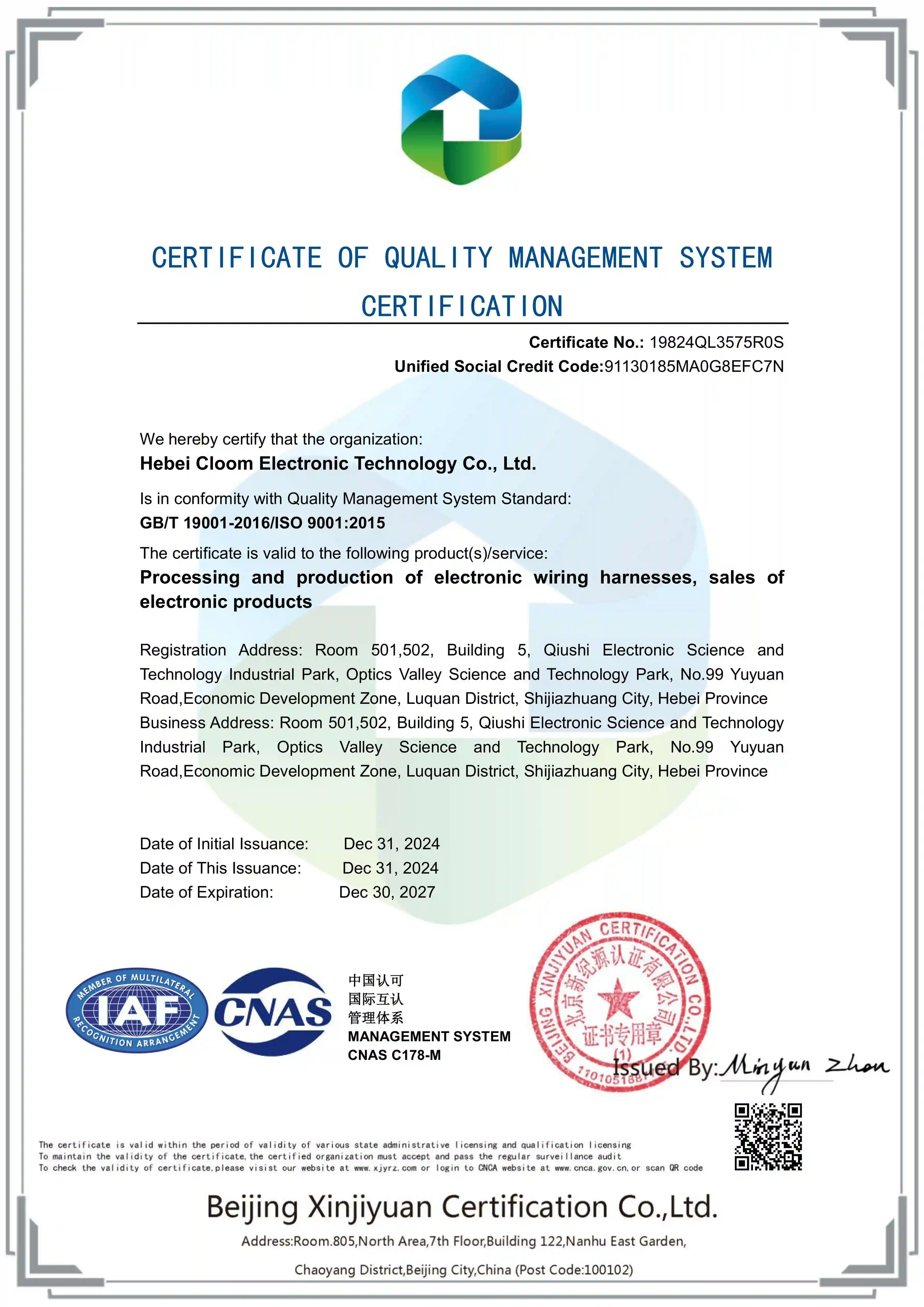
Assemblies are manufactured to IPC/WHMA-A-620 workmanship under our ISO 9001 quality system. We build to your specified requirements — UL-listed fixture wire and components, RoHS compliance, and the dimming/control bus your fixtures use — so the harness passes your own listing and inspection requirements.
Why use high-temperature wire near LED drivers?
LED drivers and power supplies run hot, and the wiring closest to them sees the most thermal stress. Standard hook-up wire embrittles and cracks at those temperatures over time. Using UL 1015 / 1007 fixture wire rated 105–150°C — and silicone where it is hottest — keeps the harness reliable across the fixture lifetime.
What is your MOQ and lead time for lighting projects?
We support prototypes from small quantities with 7–10 day sample lead times, scaling to production batches (typically 500+ units, negotiable). That lets a lighting OEM validate a harness on a real fixture before committing to volume.
What DFM review is available for lighting harnesses?
We manufacture build-to-print and review customer-controlled drawings, BOMs, specified materials, sealing requirements and test plans for manufacturability. customer-owned design remains with the customer.