What conductor sizes and materials do you use for server-room UPS harnesses?
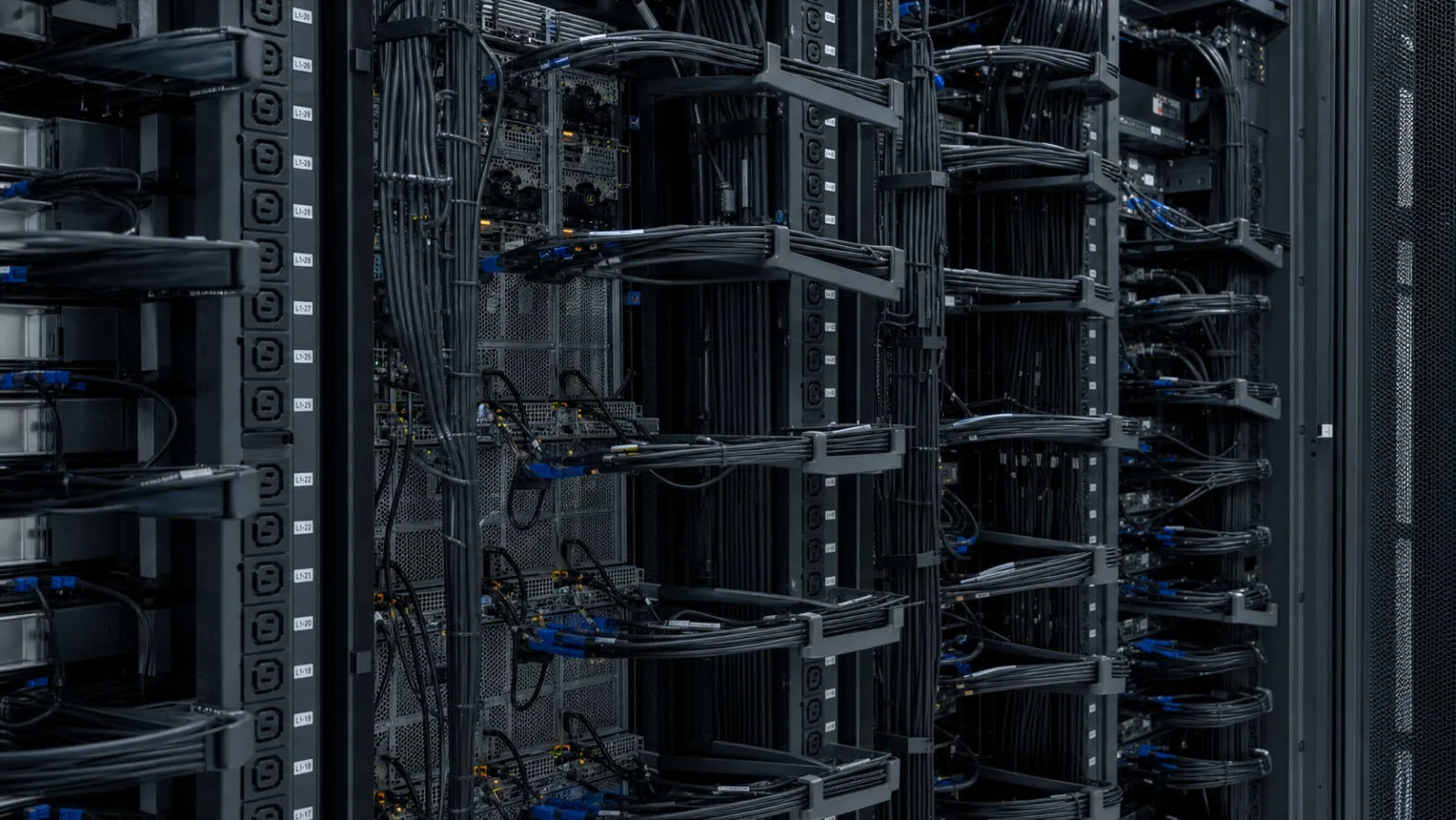
We build with fine-stranded copper from 10 AWG up to 2/0 AWG, sized for the battery-string current and PDU feeder ampacity of an enterprise UPS room. Fine stranding gives the flexibility to dress cable cleanly inside a populated rack and survive repeated battery swaps without conductor fatigue. Lugs are tinned copper for corrosion resistance.
Why do you use LSZH jackets instead of standard PVC?
Server rooms, comms rooms and network closets are enclosed spaces shared with people and sensitive electronics. LSZH (low-smoke, zero-halogen) flame-retardant jackets limit smoke and avoid toxic halogen gas if a cable is involved in a fault — which standard PVC releases. For enclosed IT rooms that low-smoke property is the reason we specify LSZH by default.
What voltage are these harnesses rated for?
Our IT power and battery harnesses are built to a 600V DC rating, which covers the battery-string and DC-bus voltages found in enterprise server-room and edge UPS systems. We select insulation thickness and connectors validated for that rating rather than only low-voltage hook-up wire.
Which connectors do you terminate for IT power harnesses?
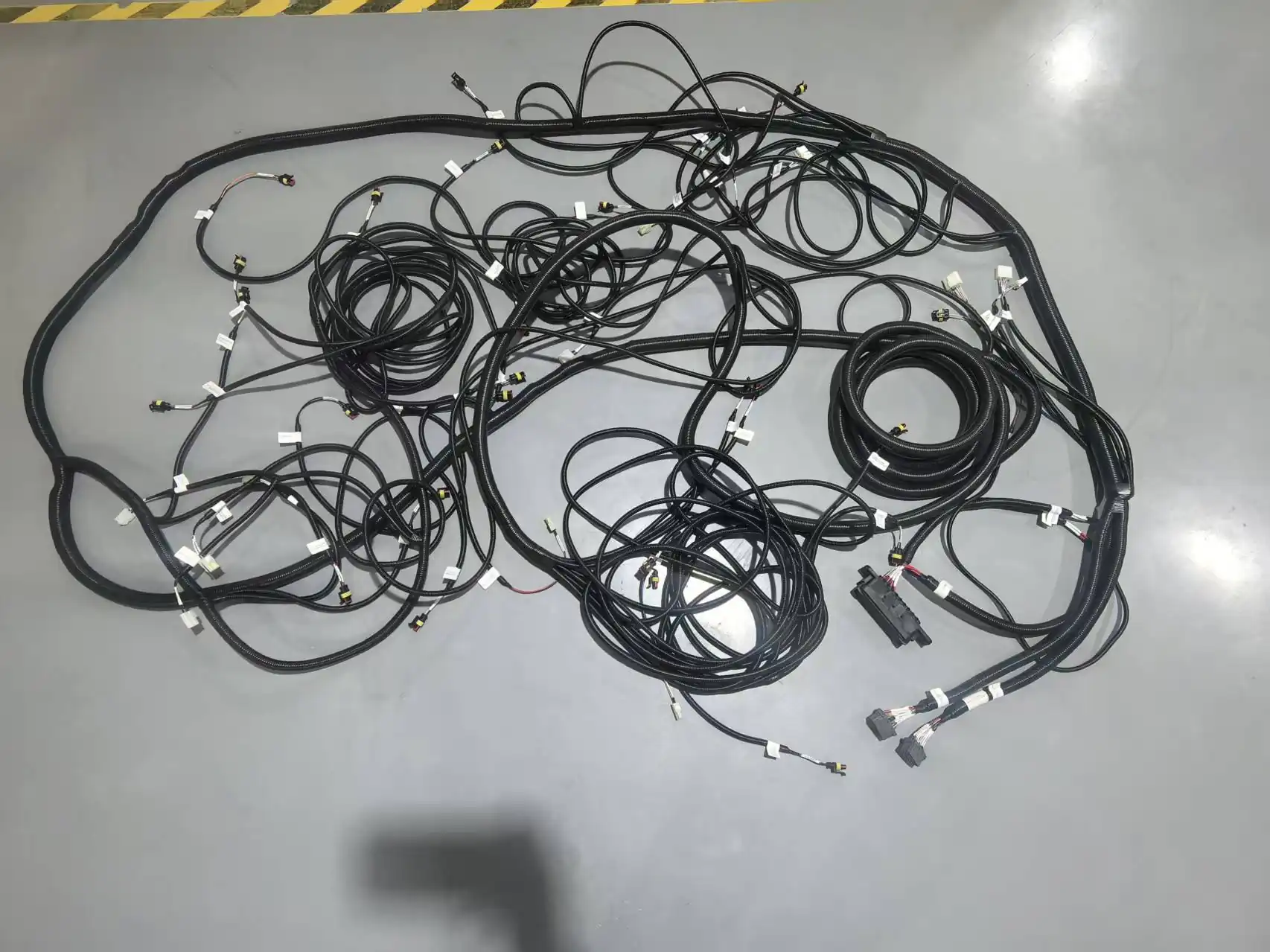
We factory-terminate Anderson SB power connectors, ring and lug terminals on tinned copper lugs, and sealed connectors for edge enclosures. Terminations are crimped in-house, with test methods and coverage agreed per program, so the assembly arrives ready to bolt into the cabinet rather than field-crimped on site.
How is grounding and bonding handled?
We build green/yellow bonding jumpers and equipment-grounding conductors to NEC bonding practice, terminated on tinned copper lugs for low-resistance connections. Bonding can be supplied as separate jumpers or integrated into a larger power harness so the rack is grounded consistently as installed.
Can you combine BMS sense wiring with the power harness?
Yes. Battery-monitoring (BMS) voltage and temperature sense leads can be combined with the battery-string power conductors into a single tested assembly. That cuts the number of separate connectors inside the cabinet and means the sense path is verified at the same time as the power path.
What standards do your server-room harnesses meet?
We manufacture harness components to customer-approved drawings and applicable requirements. DFM review covers manufacturability; server-room layout, electrical design, and final approval remain with the customer. Hebei Cloom holds ISO 9001, and operators are trained to IPC/WHMA-A-620.
Do you serve edge and micro-data-center deployments?
Yes. We build compact, high-density power and bonding harnesses for edge and micro-data-center enclosures — the self-contained IT cabinets used at branch sites and the network edge. These use the same LSZH, fine-stranded, sealed-connector construction as our server-room work, packaged for the tighter routing of an edge cabinet.