Test and measurement probes
Probe leads, sensor cables, spool assemblies, and measurement fixtures where length tolerance, resistance stability, and documented electrical release matter.
Cable Assembly
A high-temperature cable assembly is a custom wire harness or cable build designed around elevated heat exposure, insulation material limits, connector temperature ratings, bend handling, and release testing. We review PTFE, FEP, PFA, ETFE, silicone, fiberglass sleeve, shield, strain relief, label, and probe-cable requirements before pricing so buyers can separate normal cable risk from heat-driven failure modes.
Application Context
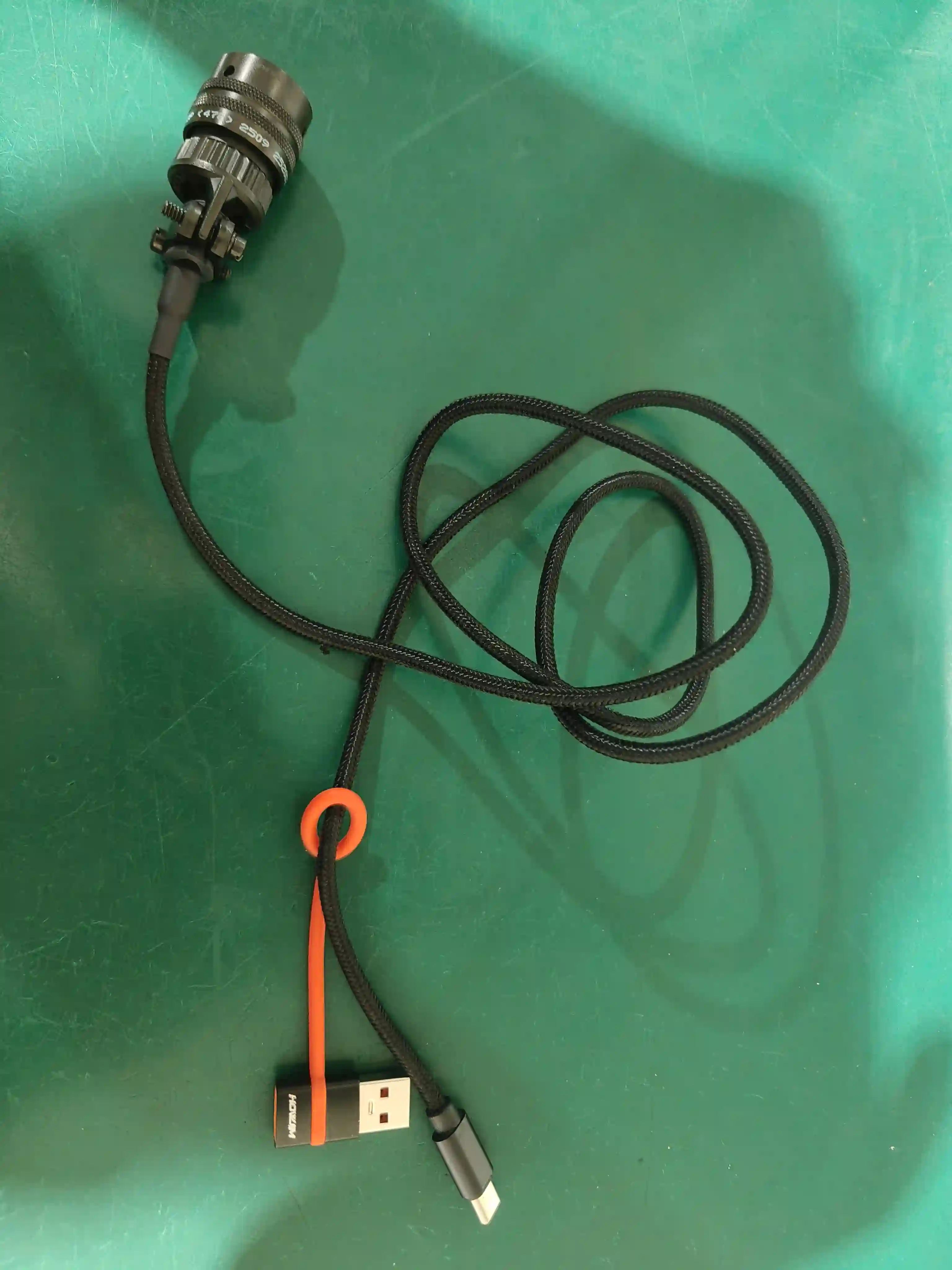
A high-temperature cable assembly is a custom wire harness or cable build designed around elevated heat exposure, insulation material limits, connector temperature ratings, bend handling, and release testing. The wire family is only the starting point — the useful work is comparing PTFE, FEP, PFA, ETFE, silicone, and fiberglass-sleeve constructions against the real exposure profile so a buyer can separate normal cable risk from heat-driven failure modes before anyone quotes a generic “heat-resistant cable”.
Heat resistance is bounded by the whole interface, not the jacket alone. The connector seal, backshell, boot, gland, crimp, label, and heat-shrink transition can all be rated below the route temperature, so each part of the assembly is reviewed before sampling. When the requirement is broader than heat, the decision often pairs with a strain relief cable assembly for the connector exit, a shielded cable assembly when low-level sensor or probe signals share an enclosure with heaters and motors, and a defined wire harness testing service so the acceptance method is locked before production.
TL;DR
Applications
Built for buyers who need the cable material, connector, and release test to survive the actual heat profile.
Probe leads, sensor cables, spool assemblies, and measurement fixtures where length tolerance, resistance stability, and documented electrical release matter.
Harnesses for heaters, thermal chambers, drying equipment, process tools, and hot-zone instrumentation that need material review before installation.
Cable assemblies routed near motors, drives, pumps, brakes, and heat-generating machine modules where jacket hardening and connector-exit fatigue are common risks.
Low-voltage control leads, heater circuits, sensor branches, and service harnesses for energy storage, charging, and thermal-management equipment.
Cable builds for sterilization-adjacent equipment, lab instruments, and diagnostic fixtures where cleaning exposure and temperature cycling affect material choice.
Engineering Challenges
A cable rated for a high temperature on paper can still fail when the route adds oil, cleaning agents, tight bending, vibration, UV, or repeated service handling. Continuous temperature, peak exposure, dwell time, and nearby heat sources are confirmed before a construction is recommended.
PTFE or silicone wire does not automatically make the full assembly heat-ready. The connector, crimp, boot, heat shrink, label, seal, and packaging can become the true limit, so each part of the assembly is reviewed against the route temperature.
For probe and measurement leads, length, resistance, shield continuity, and connector mating can change the buyer’s downstream reading. The acceptance window and test method are locked upfront so supplier and buyer are not measuring different things.
High-temperature materials can carry longer lead times, higher MOQ, special stripping behavior, or fixture needs. Those items are made visible in the quote as assumptions instead of surfacing as surprises after the sample PO.
Technical Capabilities
Material families, build formats, RFQ inputs, test planning, and quality references for a high-temperature cable assembly program.
Manufacturing Process
Quality & Testing
High-temperature cable assemblies are tested against the failure mode named in the RFQ — continuity, shorts, polarity, resistance, shield continuity, visual inspection, label verification, and connector mating — with insulation resistance or hi-pot (via a qualified third party) added where voltage and construction justify it, and records tied to lot, spool, drawing revision, or first-article photos.
Why WHP
Most high-temperature cable risk comes from the transition points: connector exit, shield termination, label material, bend radius, and test method.
A cable rated for a high temperature on paper may still fail if the route includes oil, cleaning agents, tight bending, vibration, UV, or repeated service handling. We ask for continuous temperature, peak temperature, dwell time, and nearby heat sources before recommending a construction.
PTFE or silicone wire does not automatically make the full cable assembly heat-ready. The connector, crimp, boot, heat shrink, label, seal, and packaging method can become the true limit, so each part of the assembly is reviewed before release.
For probe and measurement cables, length, resistance, shield continuity, and connector mating can affect the customer's downstream reading. We lock the acceptance method before production so the supplier and buyer are not measuring different things.
High-temperature materials may create longer lead times, higher MOQ, special stripping behavior, or fixture needs. Those items belong in the quote as visible assumptions, not hidden surprises after the sample PO.
High-temperature cable assemblies combine material selection with wire-harness workmanship and document control, referenced so buyers can align terminology during supplier qualification.
FAQ
OEM Program Entry
Send your drawing, BOM, temperature profile, connector list, length tolerance, quantity, packing method, and test expectations. We will return manufacturability notes, material risks, timing, and a release evidence plan.
Related Capabilities
Use these pages when the heat requirement is only one part of a broader harness decision.
Capabilities
For OEM buyers who need heat-resistant cable builds with material selection, tolerance control, and documented electrical release.
High-temperature insulation is the material system that keeps conductors separated when ambient heat, hot surfaces, or thermal cycling would harden or deform ordinary jacket compounds. We compare PTFE, FEP, PFA, ETFE, silicone, fiberglass sleeve, and customer-specified wire families against the real exposure profile instead of quoting a generic heat-resistant cable.
A probe cable assembly is a test or sensing lead where length, resistance, shielding, connector termination, and handling can change measurement quality. For high-temperature probe programs, we check conductor construction, spool length, length tolerance, label method, electrical test, and packaging before lot release.
A heat-resistant cable can still fail at the connector exit if the seal, backshell, boot, gland, potting area, or overmold is rated below the route temperature. We review connector part numbers, terminal plating, insulation OD, crimp range, bend relief, label material, and any boot or heat-shrink transition before sampling.
High-temperature equipment often places heaters, motors, sensors, and control wiring in the same enclosure, so EMI control cannot be an afterthought. We review foil, braid, drain wire, shield termination, shell bonding, and separation between power and signal branches when the cable carries low-level sensor or communication signals.
Tight length, resistance, and marking tolerances matter when a cable becomes part of a measurement path, machine fixture, or repeatable service kit. We define the acceptance window, inspection sample size, lot record, and packing method before production so the buyer does not discover tolerance drift after installation.
Heat-resistant wire and cable can be damaged by rough spooling, tight ties, wrong bend radius, or loose accessories during freight. We define spool size, coil diameter, bagging, carton labels, accessory kits, and delivery cadence with the same attention as the electrical build.
Representative Project
Representative project type we handle, shown for illustration. Not a specific named customer.
A high-tech industrial client required a high-temperature probe cable with stricter tolerances than their standard variant.
Manufacturing a high volume of spools with tighter tolerances while maintaining a standard production lead time and ensuring consistent quality across the entire batch.
We aligned production processes to meet the strict tolerance requirements and coordinated a multi-PO repeat program to ensure consistent quality and on-time delivery for the high-volume spool order.
Delivered the full volume of spools meeting the tightened tolerance specs within the 4-5 week lead time requirement.
RFQ Workflow
A practical release path for cable programs where heat, tolerance, and material availability drive cost and timing.
We confirm continuous temperature, short peak exposure, dwell time, nearby heat sources, bend radius, fluids, abrasion, and whether the cable moves during service.
Engineering checks the insulation family, connector rating, terminal fit, shield termination, label material, strain relief, and any customer-approved alternates.
The quote states length, resistance, continuity, polarity, shield, visual, first-article photo, and report requirements so production knows the acceptance method.
Samples validate stripping, crimping, connector exit, label durability, packaging, and test records before the buyer releases the production batch.
Production orders use the approved drawing revision, material source, inspection plan, packing rule, lot label, and delivery cadence from the sample approval.
For recurring programs, we track material lead time, connector alternates, tolerance drift, batch feedback, and any drawing change before the next release.
Working Together
Answers for procurement, test engineering, and manufacturing teams before supplier selection.
References
High-temperature cable assemblies combine material selection, cable workmanship, electrical testing, and supplier document control. These public references help RFQ teams align terminology before the drawing is released.
Reviewed by
Wire harness and cable assembly manufacturing specialist