Braided Cable and Harness RFQ Review

Custom Braided Cable Assemblyfor Mining and Harsh Routes

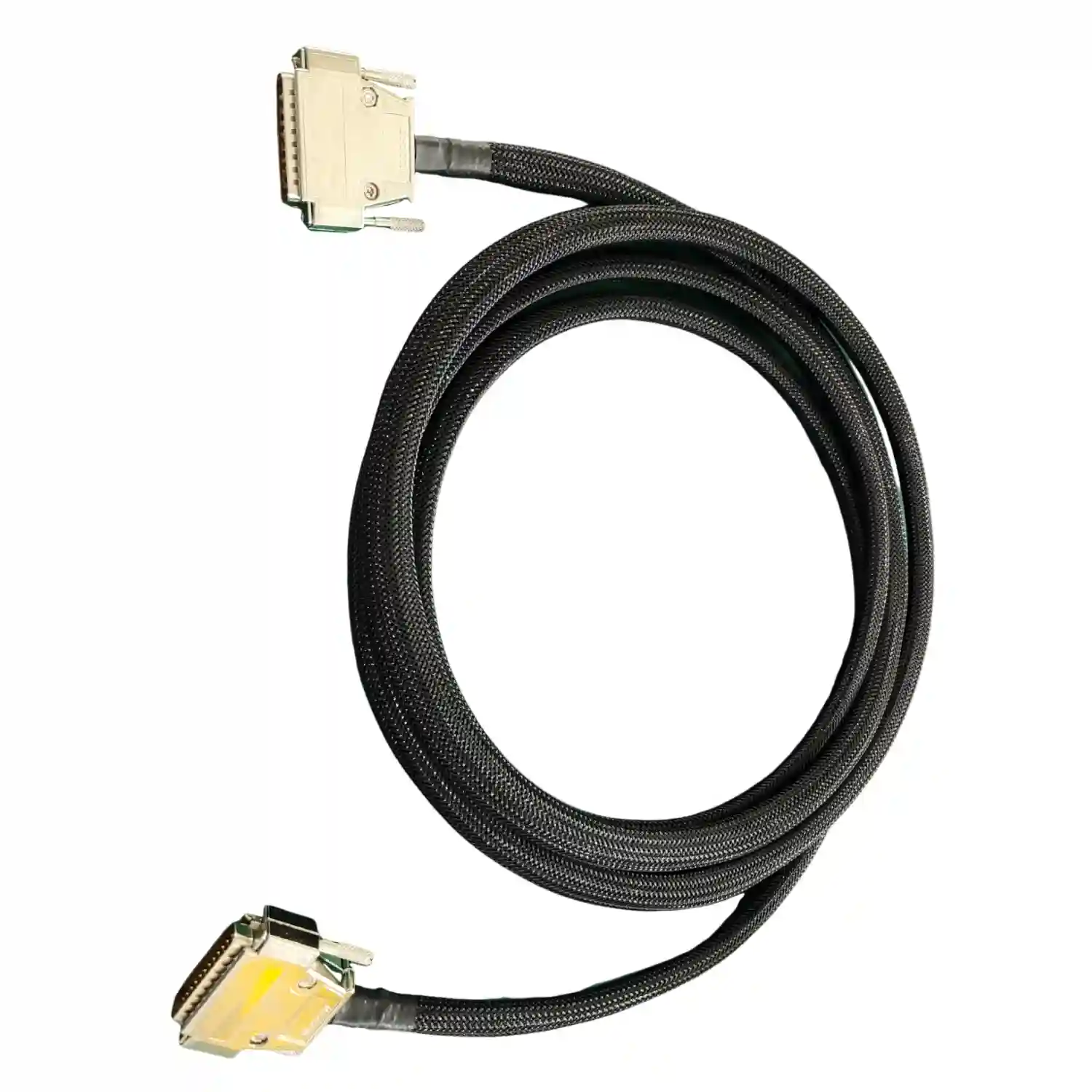
A custom braided cable assembly is a cable or wire harness built with controlled braid construction, core colors, jacket material, markings, connector exits, and test evidence so the finished part matches both the drawing and the field route. We review conductor size, braid pattern, stripe color, abrasion risk, connector molding, label method, MOQ, and 100% electrical test scope before quotation.

Braid color, stripe, and material reviewLaser marking and molded connector supportIPC-A-620 / UL-758 / ISO 9001 context
100%
Electrical Test
7-10 days
Sample Target
18 AWG
GXL Case Example
IPC-A-620
Workmanship Context

TL;DR

  • Use this service for braided cable assemblies needing exact colors, stripes, markings, molded exits, or abrasion protection.
  • RFQ review checks conductor size, braid pattern, jacket, connector fit, marking durability, MOQ, and test records.
  • Best fit: mining equipment, mobile machinery, service tools, rugged panels, and industrial harness routes.
  • Send drawings, photos, core colors, braid callout, roll length, connector part numbers, and marking rules.

Braided Cable Assembly Capabilities

Built for buyers who need an exact cable construction, not a generic sleeve added after the harness is assembled.

Controlled braid construction

A braided cable assembly is a finished cable build where textile, PET, nylon, glass fiber, metal, or customer-specified braid becomes part of the controlled manufacturing record. We confirm braid material, coverage, stripe pattern, finished OD, abrasion exposure, and bend route before sampling.

PET, nylon, textile, glass fiber, or specified braid review
Solid color, stripe, tracer, and custom pattern control
Finished OD and bend-route checks before release

Core color and wire gauge control

Core color control is the process of locking conductor insulation colors, stripe rules, gauge, and wire family before purchasing material. For rugged equipment programs, we compare GXL, TXL, UL-style wire, shielded cable, and customer-approved alternates against UL-758 material context.

Core color, stripe, and gauge verification
GXL, TXL, UL-style, and buyer-specified wire review
BOM alternates separated before price approval

Laser marking and identification

Laser-etched marking is a permanent identification method used when printed labels or adhesive markers may wear during service handling. We review text height, mark location, contrast, bend position, and whether heat-shrink markers or printed sleeves are better for the route.

Laser-etched marks, heat-shrink markers, or printed sleeves
Circuit, batch, serial, and orientation marks
FAI review for readability after assembly

Injection-molded connector integration

An injection-molded connector exit is a molded transition that locks strain relief, sealing, cosmetics, and handling performance into one process. We separate tooling cost, sample timing, material choice, and post-mold electrical testing so NPI teams can compare molded and assembled alternatives.

Molded connector exits and boot geometry review
TPE, TPU, PVC, or buyer-specified compound discussion
Post-mold pinout, continuity, polarity, and visual checks

Mining and mobile-equipment harness support

Mining cable assemblies are rugged cable builds for equipment exposed to abrasion, dust, vibration, fluid splash, and field replacement. We review connector sealing, protective braid, clip points, roll packaging, and replacement markings with IPC-A-620 workmanship expectations in mind.

Abrasion, vibration, dust, and service-route review
Sealed connector, boot, and strain-relief checks
Cut-length, roll, or finished harness packaging

Documented inspection and release

ISO 9001-style release control is the documented process that keeps drawing revision, material choice, marking artwork, braid specification, and test method aligned. We can provide FAI notes, production test records, photos, and packaging checks for repeat lots.

100% continuity, polarity, and shorts testing
Braid, color, marking, and connector visual checks
FAI, photos, test report, and packing records
Real Project Snapshot

An anonymized mining-sector case showing why braid, marking, and molded connector details must be locked before sourcing.

Industry

mining

Region

Australia

Year

2025-Q4 to 2026-Q1

Scenario

During a custom wiring harness project for the mining sector, the client expanded their requirements to include highly specialized braided cables and specific identification methods.

Challenge

The client required precise braided cable configurations with specific core colors, AWG sizes, and stripe patterns, alongside laser-etched markings and injection-molded connectors, testing the supplier's material sourcing and customization capabilities.

Solution

Confirmed capability to source and manufacture the exact braided cable specifications and integrate laser-etched markings and injection-molded connectors into the assembly, providing detailed technical validation.

Result

Client expanded the scope of inquiry to include these custom components, showing increased trust in the supplier's comprehensive customization capabilities for specialized mining applications.

Concrete Numbers

3 Core (Yellow, Red, Blue)18 AWG GXLBlack braid with 2 blue stripes50m or 100m rolls

Anonymized from a real project. Specific buyer identifiers withheld; numbers quoted verbatim from project records.

Where Custom Braided Cable Assemblies Fit

Most useful when abrasion protection, identification, color control, service handling, or visual differentiation matters as much as the pinout.

Mining and earthmoving equipment

Braided equipment cables for control boxes, sensor leads, service tools, lighting branches, operator stations, and harness routes exposed to dust, vibration, and abrasion.

Industrial automation and robotics

Servo, sensor, EOAT, drag-route, and machine-panel cables where braid coverage and markings help installers route and replace assemblies correctly.

Specialty vehicle harnesses

Off-road, emergency, utility, agricultural, and fleet equipment harnesses that need durable protection, clear circuit identification, and repeatable connector exits.

Service and diagnostic cables

Low- to mid-volume assemblies where color-coded braid, roll length, or marked connectors help technicians identify the right lead in the field.

Rugged power and signal leads

Mixed power, signal, sensor, and control cables where braid choice must match bend radius, cable OD, connector gland, and handling conditions.

NPI and replacement-part programs

Prototype or replacement programs where the original braid, stripe, wire family, or molded connector must be reproduced from samples and partial drawings.

Custom Braided Cable Assembly Capability Table

Braid optionsPET, nylon, textile, glass fiber, metal braid, customer-specified sleeve, solid color, stripe, and tracer patterns
Wire optionsGXL, TXL, UL-style hook-up wire, shielded cable, multi-core cable, power, signal, and mixed cable constructions
Connector optionsSealed connectors, circular connectors, molded connectors, panel leads, open-end tails, pigtails, and buyer-specified brands
IdentificationLaser-etched markings, heat-shrink markers, printed labels, color-coded cores, stripe control, and packing labels
Sample lead timeTypically 7-10 working days after drawing, braid, wire, and connector availability are confirmed
MOQ guidancePrototype quantities reviewed; braid, wire, molded connector, and roll-length MOQ are quoted separately when they drive cost
Testing100% continuity, shorts, polarity, visual inspection, label review, and optional pull-force or insulation resistance
Standards contextIPC-A-620 workmanship, UL-758 wire material context, ISO 9001 release control, SAE J1128-style automotive wire discussion when specified
DocumentsFAI notes, test records, braid and marking approval photos, connector datasheets, packing specification, and revision notes
Custom Braided Cable Assembly

How We De-Risk Braided Cable RFQs

A senior factory engineer reviews the braid, the wire, the markings, and the connector exit together before treating the quote as production-ready.

We separate braid decoration from braid function

A colored braid may be for identification, abrasion protection, heat tolerance, appearance, or service grouping. Those purposes lead to different material choices, finished OD, cut method, and inspection points.

We keep exact material details visible

In the mining case, the buying team needed "3 Core (Yellow, Red, Blue)", "18 AWG GXL", "Black braid with 2 blue stripes", and "50m or 100m rolls". Those details stay in the quote instead of being replaced with a generic braided sleeve line.

We compare molding against faster alternatives

Injection-molded exits can be the right answer for repeat handling, sealing, or cosmetics, but assembled boots and heat-shrink transitions may be better during validation when the route may still change.

We link evidence to the released revision

The approved braid specification, wire family, connector kit, marking artwork, test plan, and packaging method are tied to the same revision so repeat orders do not drift.

Standards and Reference Context

For braided cable assemblies, we use recognized workmanship and material references as buyer-review context while the released drawing remains the controlling document.

Factory Engineering Review

Hommer Zhao

Wire harness and cable assembly manufacturing advisor

10+ years supporting OEM wire harness and cable assembly sourcing
Experience with China and Philippines wire harness production routes
RFQ review across mining, industrial, automotive, medical, and robotics harness programs

Need a Braided Cable Assembly Quote?

Send the braid callout, sample photos, connector details, marking rules, target quantity, and route notes. We will review manufacturability, material MOQ, sample timing, and test evidence before quoting.

Send This With Your Braided Cable RFQ

Drawing, BOM, sample photos, or marked-up cable route

Core colors, wire gauge, wire family, braid material, braid color, and stripe pattern

Connector part numbers, molded exit requirement, boot geometry, and mating equipment

Laser marking, label, serial, batch, or roll-packaging requirements

Quantity, roll length, sample target date, annual forecast, and required test records

What You Get Back

Braid, wire, connector, and marking risk notes

MOQ, sample lead time, production lead time, and price breaks

Molding, boot, heat-shrink, and packaging trade-off comments

Test plan, FAI scope, approval photos, and alternate material notes

Buyer Questions Before RFQ

Practical answers for sourcing teams comparing braided cable assembly suppliers.

Can you manufacture an exact braided cable from a sample instead of a full drawing?

Usually yes, if the sample can be measured and photographed clearly. We still need approval on conductor size, core colors, braid material, stripe pattern, connector part numbers, marking artwork, roll length, and test scope before production. A sample-only quote is treated as preliminary until those items are locked.

Should we use braided sleeve, molded strain relief, or heat shrink?

Use braid when abrasion protection, grouping, color identification, or flexible routing is the main need. Use molded strain relief when repeat handling, sealing, and connector-exit durability justify tooling. Use heat shrink when the goal is local insulation, transition control, or faster validation. Many rugged harnesses combine all three, but each layer should have a named purpose.

Can braided cable assemblies support mining or heavy equipment volumes?

Yes, but the RFQ must expose material MOQ and roll-length constraints. In one mining-sector case, the requirement included "Black braid with 2 blue stripes" and "50m or 100m rolls", so we quoted sourcing and manufacturing around the real braid and packaging constraint rather than hiding it inside a generic unit price.