Overmolded and sealed harnesses
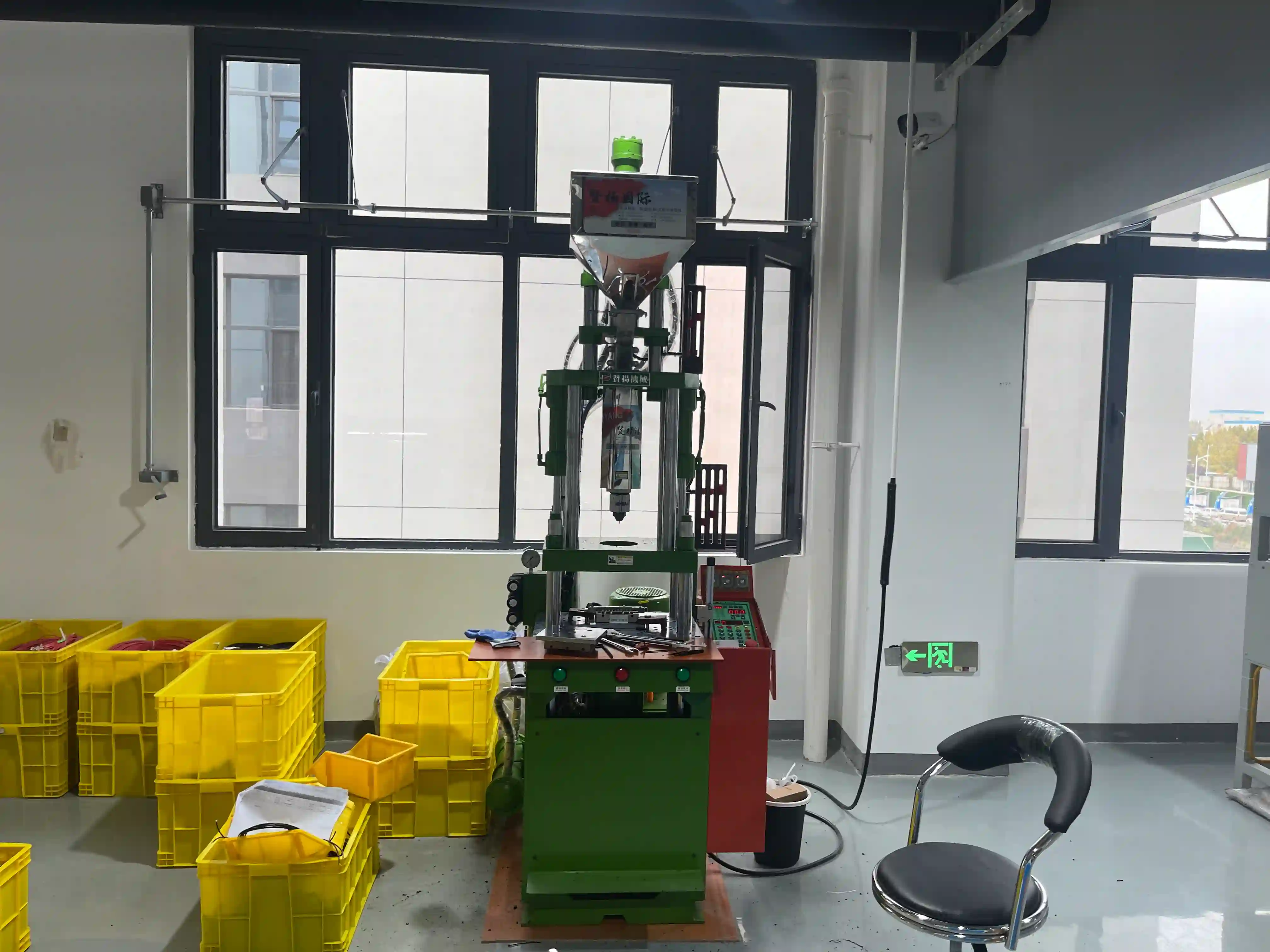
Cable exits, grommets, connector boots, strain reliefs, and sealed branches that need molded geometry instead of loose sleeve protection.
Cable Assembly
Wire harness tooling service is a factory engineering workflow that defines fixture boards, connector molds, overmold tools, test nests, crimp applicators, and release records before a custom harness moves into repeat production. We separate unit price, tooling cost, sample timing, and file dependencies so buyers can approve investment without hidden assumptions.
Application Context
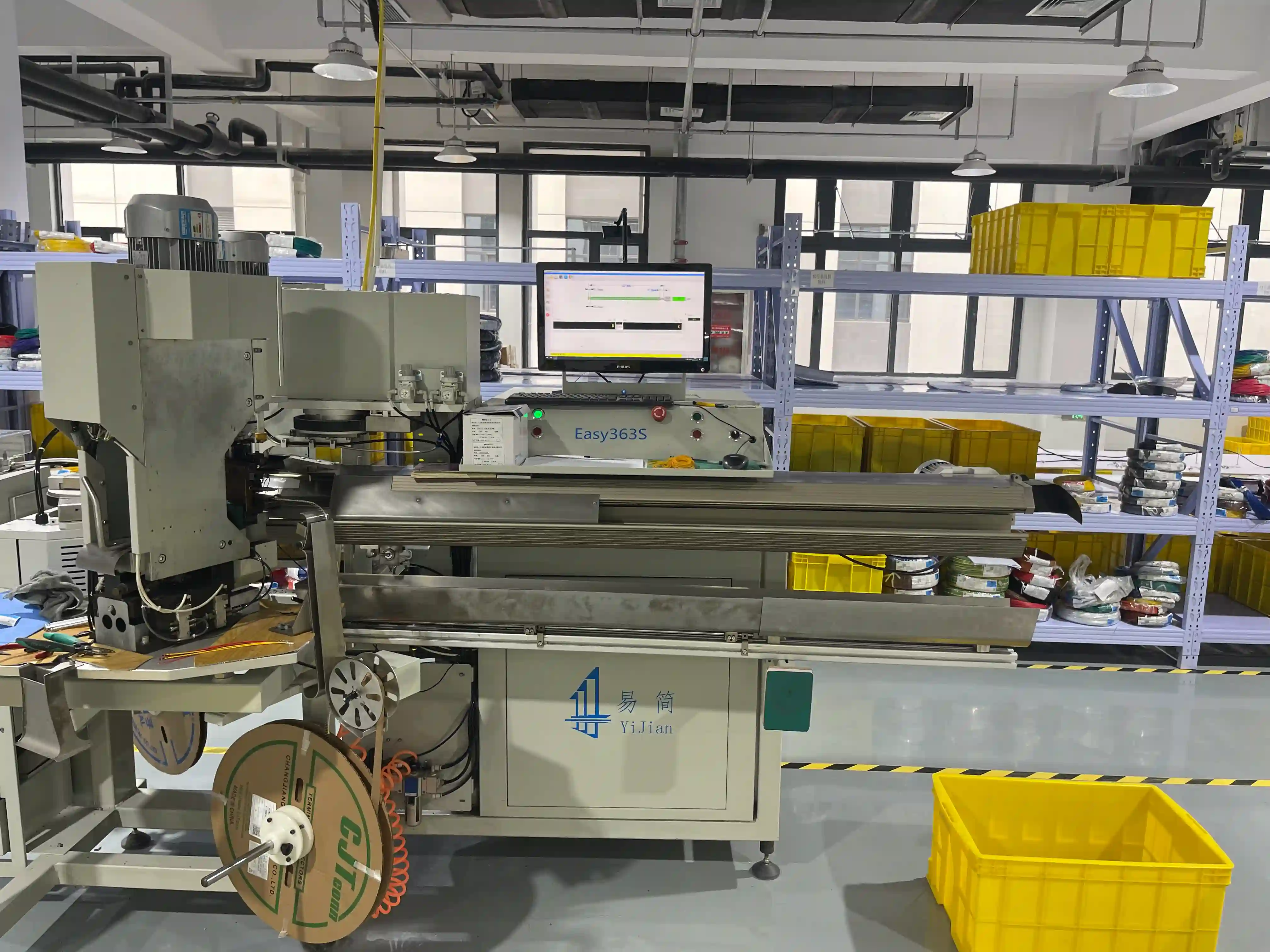
Wire harness tooling service is the factory engineering workflow that defines fixture boards, connector molds, overmold tools, test nests, crimp applicators, and release records before a custom harness moves into repeat production. The useful work is not buying the biggest fixture — it is separating unit price, tooling cost, sample timing, and file dependencies so purchasing can approve the investment without hidden assumptions, and so the same harness geometry can be repeated by every operator instead of drifting build to build.
The right tooling depends on how the harness is built and inspected. Molded cable exits, grommets, and sealed branches point to an overmolded cable assembly tooling review; crimp applicators, strip length, and pull-force evidence are locked with our wire cutting and crimping service; fixture investment and unit-price reduction are weighed against forecast on high-volume wire harness manufacturing programs; and the fixture-controlled build itself is released together with our factory wiring harness workflow so board geometry, labels, and final test stay one revision.
TL;DR
Applications
Tooling review matters when geometry, repeatability, inspection access, or mold investment affects more than the first sample.
Cable exits, grommets, connector boots, strain reliefs, and sealed branches that need molded geometry instead of loose sleeve protection.
Programs where fixture investment, test adapter cost, and unit-price reduction must be evaluated against monthly or annual forecast.
Custom pass-through wire harnesses where connector shape, panel interface, gasket compression, and cable exit angle control fit.
Harnesses that need repeatable branch length, ferrule location, terminal labels, and test access before they reach a panel build station.
Vehicle, machinery, and power-equipment harnesses with clips, conduit, branch points, connector locks, and field-service replacement needs.
Low-volume builds used to confirm whether the selected fixture, mold, crimp tooling, and test nest can support production without rework.
Engineering Challenges
A quoted harness unit price can look attractive when mold, fixture, applicator, or test-nest cost is missing. Non-recurring tooling is shown separately from recurring unit price so purchasing knows what is approved and what is still estimated.
Mold cost depends on cable exit angle, connector envelope, sealing surface, and strain-relief shape. File dependencies are flagged and the 3D package is requested before a sample PO starts on a guess about cavity shape or seal surface.
Hand-built engineering samples, soft tooling, and production-ready tooling represent different maturity levels. Each stage is named so the RFQ does not hide a rough hand sample and a repeatable production tool under one sample price.
Branch length, connector orientation, clamp and label position, and test-adapter access are planned so the fixture, applicator, and test nest support measurable release criteria instead of blocking assembly or inspection.
Technical Capabilities
Tooling types, RFQ inputs, quote triggers, sample stages, commercial outputs, inspection records, and quality references for a wire harness tooling program.
Manufacturing Process
Quality & Testing
Fixtures, applicators, and test nests are only useful if they support release criteria. Every tool-controlled build is tied to crimp-height and pull-force evidence, continuity and electrical testing, first-article photos, fixture checklists, and mold approval notes — with hi-pot or insulation resistance (via a qualified third party) added where voltage and construction justify it, and records tied to the released drawing revision.
Why WHP
A tooling quote should help purchasing, engineering, and quality approve the same build plan instead of comparing incomplete prices.
A quoted harness unit price can look attractive if mold, fixture, or test-nest cost is missing. We show non-recurring tooling separately so the buyer knows what is approved and what is still estimated.
If a custom mold or pass-through connector depends on 3D geometry, we request those files before final tooling approval. This prevents a sample PO from starting with a guess about cavity shape, seal surface, or exit angle.
Fixtures, applicators, and test nests are only useful if they support measurable release criteria. We connect tooling choices to crimp evidence, electrical testing, first-article photos, and revision records.
A one-off engineering sample may not need full production tooling. A repeat program with tight geometry usually does. We explain the trade-off so the buyer can choose speed, cost, or repeatability deliberately.
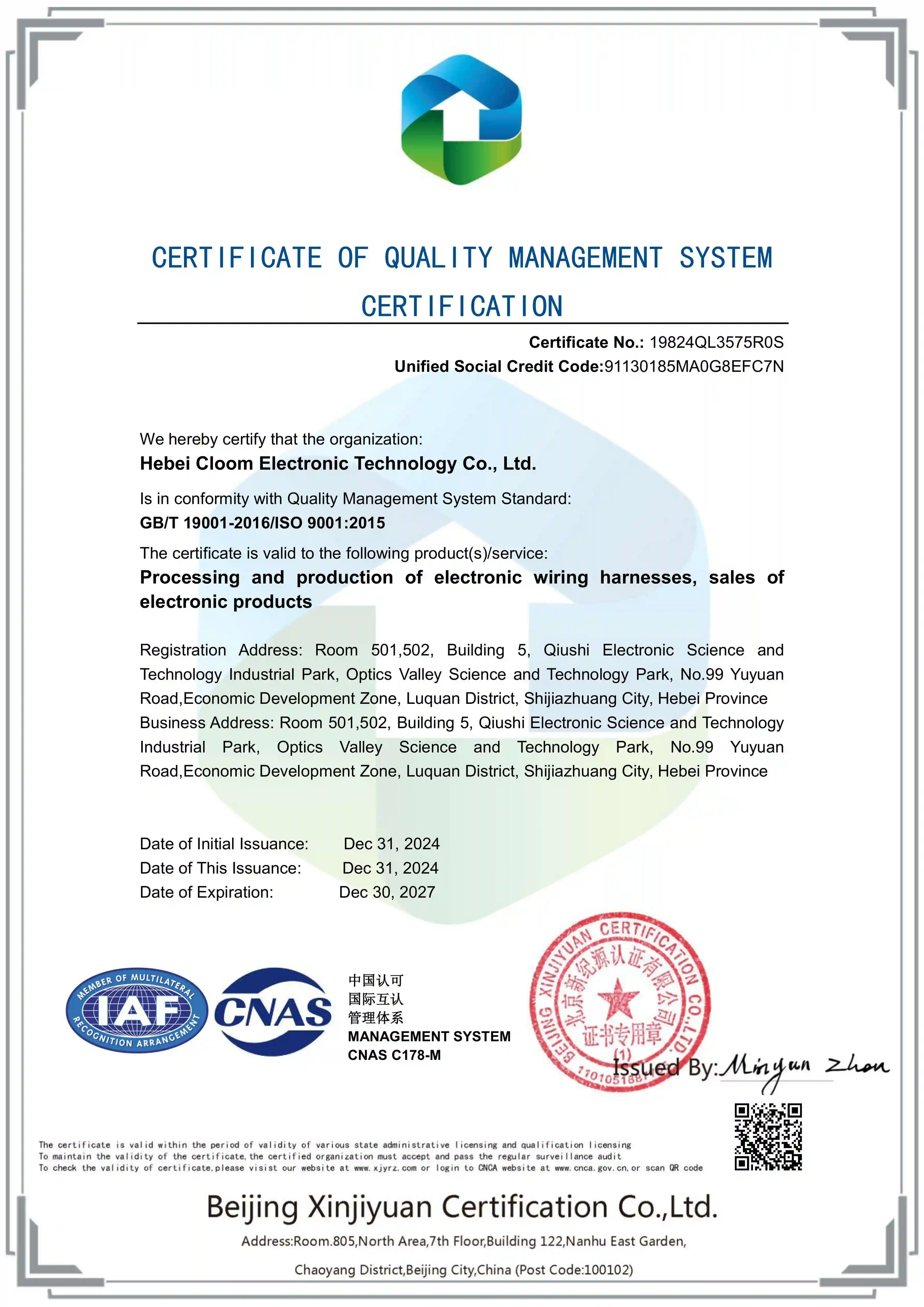
Tooling review combines wire-harness workmanship, wire material context, and quality-system document control, referenced so buyers can align terminology during supplier qualification.
FAQ
OEM Program Entry
Send drawings, 3D files, BOM, connector data, forecast, and sample target. We will return tooling assumptions, unit price, lead time, MOQ, and evidence plan as separate review items.
Related Capabilities
Tooling-adjacent services that share the same fixture, mold, crimp, and release workflow.
Capabilities
For procurement engineers who need a transparent path from drawing review to repeatable sample and production release.
A wire harness fixture board is a controlled build aid that holds branches, connectors, breakouts, clips, labels, and bend paths in the same geometry each operator must repeat. We review harness length tolerance, branch exits, clamp locations, connector orientation, label position, and inspection access before fixture release.
Custom mold development is the tooling step used when a cable exit, strain relief, connector boot, pass-through seal, or overmolded junction cannot be built from catalog hardware. We separate mold cost from harness unit price and request the 3D file package before locking the quote.
Connector tooling control is the discipline of matching terminals, seals, applicators, cavity layout, wire gauge, strip length, crimp height, and pull-force evidence before a harness enters production. We check whether an existing applicator can be used or whether the program needs new tooling.
A test nest is a fixture that connects the finished harness to continuity, shorts, polarity, hi-pot and insulation resistance (via a qualified third party), or functional test (by the customer or a qualified third party, not in-house) equipment without damaging connectors. We define the test adapter, pin map, mating cycle risk, label scan, and record output before release.
Prototype tooling should prove routing, fit, strain relief, connector access, and inspection method before production tooling is frozen. We separate hand-built engineering samples, soft tooling, and production-ready tooling so the RFQ does not hide different maturity levels under one sample price.
Tooling cost management is the commercial discipline of showing fixture, mold, applicator, and test-nest investment separately from recurring unit cost. This helps purchasing compare suppliers without confusing a low unit price with an incomplete tooling plan.
Representative Project
Representative project type we handle, shown for illustration. Not a specific named customer.
A US electronic components distributor requested a high-volume quote for a custom wire harness assembly requiring dedicated tooling.
Accurately quoting a 60,000+ unit custom program required separating unit costs from mold investments, while the customer's 3D design files were needed to finalize the tooling cost estimate.
Issued an initial estimated unit price quote explicitly excluding mold fees, and formally requested the customer's 3D files to calculate and quote the tooling investment separately.
Maintained sustained high-frequency engagement with the customer over a two-month period, demonstrating that transparent tooling cost management keeps complex custom programs alive during the quoting phase.
Working Together
Answers for buyers comparing suppliers on tooling investment, sample timing, and repeatable production release.
References
Wire harness tooling connects fixture design, mold approval, crimp evidence, material traceability, and release records. These public references help buyers align terminology before approving tooling investment.
Reviewed by WHP Wire Harness Engineering
Wire harness and cable assembly manufacturing lead