The cheapest quote isn't always the best value. When you factor in tariffs, shipping, lead times, and supply chain risk, the "obvious" choice often isn't. Here's a no-BS comparison of commonly considered wire harness sourcing regions.
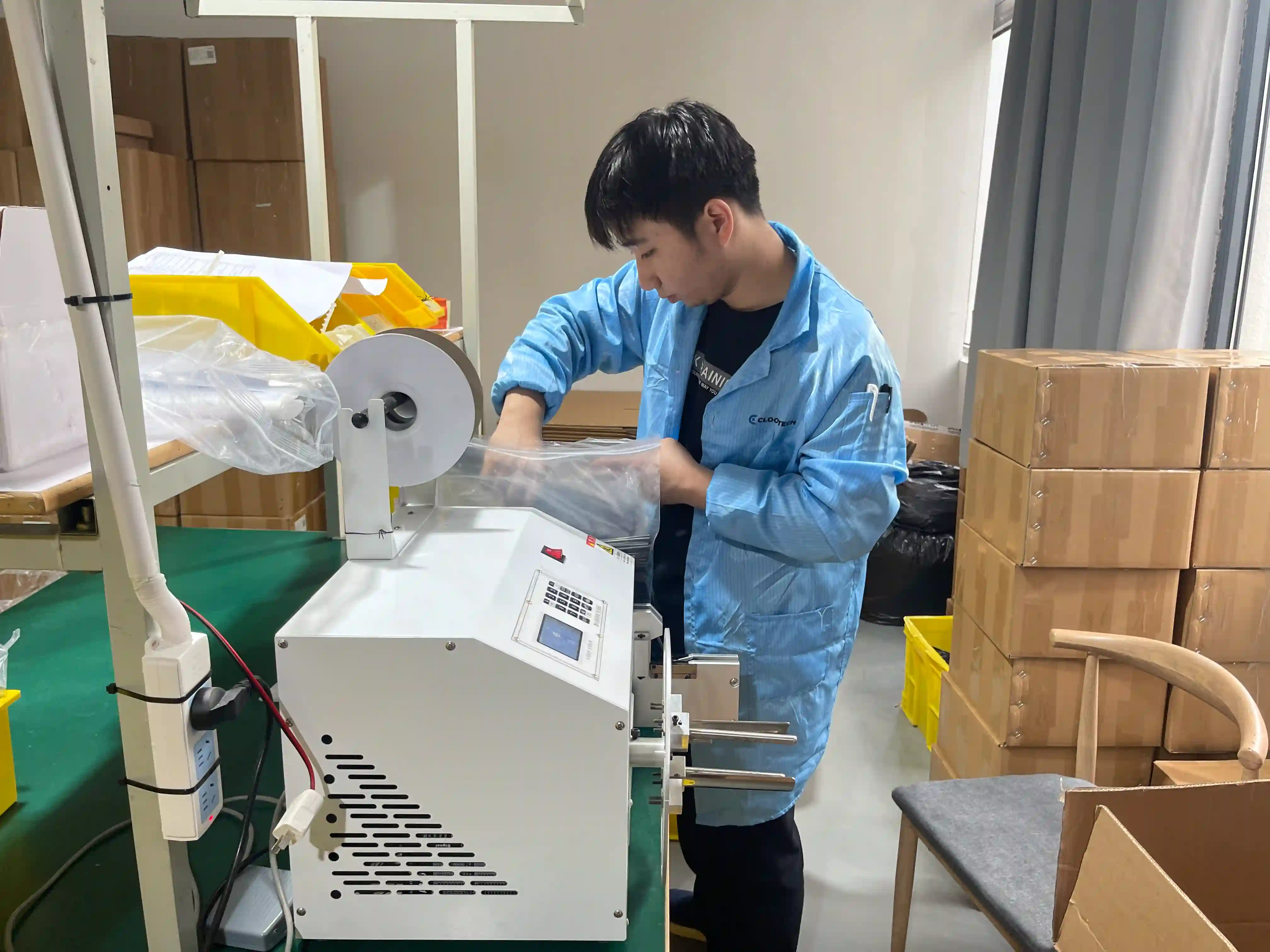
Buyers comparing China and Mexico must consider logistics, tariff exposure, and supply-chain continuity alongside the unit quote.
There is no universal best region. China can offer a broad manufacturing supply base, while Mexico and domestic US production may offer proximity to North American customers. Compare each supplier against the program's cost, delivery, quality, and legal requirements.
This guide cuts through the hype and presents a comparison framework to help you make an informed decision. For general supplier selection criteria, see our complete manufacturer selection guide.
At-a-Glance Comparison
| Factor | 🇨🇳 China | 🇲🇽 Mexico | 🇺🇸 USA |
|---|---|---|---|
| Labor Cost | Supplier quote required | Supplier quote required | Supplier quote required |
| Lead Time (to USA) | Route and schedule dependent (sea) | Route and border dependent (truck) | Supplier and route dependent |
| Import Tariffs (US) | Check HTS classification and current measures | Check origin eligibility and current measures | N/A |
| MOQ Flexibility | High | Medium | Medium |
| Communication | Schedule by actual locations | Same/similar TZ | Schedule by actual locations |
| IP Protection | Review contractual and legal controls | Review contractual and legal controls | Review contractual and legal controls |
| Supplier Ecosystem | Massive | Growing | Limited |
| Scalability | Excellent | Good | Moderate |
🇨🇳 Sourcing from China
China has an established wire harness manufacturing supply base. Supplier depth, vertical integration, and distance to component sources vary by location and should be assessed for the specific program.
China Advantages
- • Potential unit-cost advantages, subject to quote
- • Massive supplier ecosystem
- • MOQ flexibility depends on supplier and setup
- • Rapid prototyping capabilities
- • Full vertical integration possible
- • continuous-duty production capacity
China Challenges
- • Tariff exposure depends on classification, origin, and entry date
- • Ocean transit and port schedules require confirmation
- • Working-hour overlap depends on buyer location
- • IP concerns require due diligence
- • Supply chain disruption risk
- • Quality variance between suppliers
🇲🇽 Sourcing from Mexico
Mexico is an option for nearshoring to North American customers. Assess supplier capability, component sourcing, border logistics, and available capacity for the specific program.
Mexico Advantages
- • Potential preferential tariff treatment, subject to origin and current rules
- • Ground-delivery options into the US
- • Same/similar timezone as US
- • Shorter routes may reduce some logistics exposure
- • Strong automotive expertise
- • Easy site visits from US
Mexico Challenges
- • Labor cost depends on location and supplier
- • Smaller supplier ecosystem
- • Many components still imported
- • Capacity constraints at top suppliers
- • Security concerns in some regions
- • MOQ flexibility varies by supplier
🇺🇸 Sourcing from USA
Domestic US manufacturing can offer proximity and sourcing options that matter for certain applications—particularly in industrial, industrial, and medical where IP protection and supply chain security are paramount.
USA Advantages
- • Potentially shorter domestic delivery routes
- • Domestic legal and contractual review options
- • Domestic delivery may simplify final shipment logistics
- • Same language and business culture
- • Domestic-content requirements may apply to specific contracts
- • "Made in USA" marketing value
USA Challenges
- • Labor cost depends on location and supplier
- • Limited high-volume capacity
- • Fewer specialist suppliers
- • Some components still imported
- • Higher overall unit costs
- • Skilled labor shortages
Total Cost Comparison Framework
Compare supplier quotes for the same drawing, order quantity, delivery terms, and shipment date. The table identifies cost inputs to collect; it is not a market-price benchmark.
| Cost Element | China | Mexico | USA |
|---|---|---|---|
| Unit Price (FOB/Ex-works) | Obtain current quote | Obtain current quote | Obtain current quote |
| Shipping (per unit) | Obtain current quote | Obtain current quote | Obtain current quote |
| Import Duty | Confirm applicable duties | Confirm applicable duties | Assess imported inputs separately |
| Customs/Broker Fees | Obtain current quote | Obtain current quote | Obtain current quote |
| Inventory Carrying Cost* | Calculate from program assumptions | Calculate from program assumptions | Calculate from program assumptions |
| TOTAL LANDED COST | Calculate from verified inputs | Calculate from verified inputs | Calculate from verified inputs |
*Inventory carrying costs depend on lead time, safety stock, financing, and demand variability.
Key Insight
A higher unit quote may still produce a lower landed cost if freight, duties, or inventory costs differ. Calculate the comparison using documented quotes and entry-date tariff assumptions.
Which Region Should You Choose?
| Your Situation | Regions to Evaluate | Why |
|---|---|---|
| High-volume production | 🇨🇳 China | Scale and ecosystem hard to match |
| Mid-volume automotive (US market) | 🇲🇽 Mexico | Proximity; assess tariff eligibility and delivery |
| Documented domestic-content requirements | 🇺🇸 USA | Check contract scope and sourcing rules |
| JIT/Kanban requirements | 🇲🇽/🇺🇸 | Short lead times essential |
| Prototype or low-volume production | 🇨🇳/🇺🇸 | Flexible MOQs, speed options |
| Sensitive IP | 🇺🇸 USA | Assess contracts, tooling ownership, and enforcement |
Related Resources
How to Choose a Wire Harness Manufacturer
12 critical factors for selecting the right manufacturing partner.
OEM vs ODM Wire Harness
Which partnership model fits your business needs?
Our Manufacturing Facilities
Tour our production capabilities and quality systems.
Get a Custom Quote
Let us analyze your total cost for different sourcing options.
Illustrative supplier-qualification scenario
Hypothetical example of planning supplier qualification across regions.
Application: Automotive supplier qualification
Scenario: A buyer needs to evaluate a wire harness manufacturing partner for a multi-region program.
Challenge: Align capability evidence, confidentiality terms, supplier conduct requirements, and regional RFQ inputs before supplier nomination.
Review approach: Request site-specific capability and quality records, verify any certificate issuer and named legal entity, and agree confidentiality and supplier conduct terms.
Intended outcome: A documented supplier-qualification decision and an agreed RFQ process.
Control points: Manufacturing site, evidence owner, approval scope, and regional coordination.
Frequently Asked Questions
Is it cheaper to source wire harnesses from China or Mexico?
Either region may be economical depending on the supplier, materials, delivery terms, and tariff exposure. Compare piece price, duties, freight, inventory, qualification, and disruption risk using current program inputs.
How do US tariffs affect China versus Mexico sourcing?
Tariff treatment depends on HTS classification, country of origin, entry date, and applicable measures. Check CBP Section 301 guidance for covered China-origin goods and the USMCA rules-of-origin overview when assessing preference eligibility for Mexican production. Do not assume a fixed rate or duty-free entry from shipment location alone.
Which region has shorter lead times to North America?
Mexican production may offer shorter ground routes to US customers than ocean shipping from China. Confirm the specific route, border clearance, production readiness, and delivery terms before comparing lead times.
Is quality different between Chinese and Mexican suppliers?
Assess quality at the supplier and manufacturing-site level. Review applicable certificates, their named legal entity and scope, process controls, and product-specific acceptance evidence rather than inferring quality from the country.
What about intellectual property protection?
Protect your design with NDAs, clear tooling-ownership terms, and controlled drawing release regardless of region. Many buyers also split sensitive sub-assemblies across suppliers so no single vendor holds the complete design.
Should I dual-source between China and Mexico?
Dual sourcing can reduce dependence on one supplier or route, but it also adds qualification, tooling, inventory, and coordination work. Decide from the program's continuity needs and the verified economics of each source.