Real Project Snapshot — Cable Assembly Vs Wire Harness
Anonymized example from our case bank, shared so buyers can see how this scope is actually executed in production.
Industry: electronics-distribution | Region: US | Year: 2026-Q1
Scenario: A US electronic components distributor requested a high-volume quote for a custom wire harness assembly requiring dedicated tooling.
Challenge: Accurately quoting a 60,000+ unit custom program required separating unit costs from mold investments, while the customer's 3D design files were needed to finalize the tooling cost estimate.
Solution: Issued an initial estimated unit price quote explicitly excluding mold fees, and formally requested the customer's 3D files to calculate and quote the tooling investment separately.
Result: Maintained sustained high-frequency engagement with the customer over a two-month period, demonstrating that transparent tooling cost management keeps complex custom programs alive during the quoting phase.
Concrete numbers: 60,000+ unit inquiry volume, custom mold required, 3D file dependency for tooling quote, 2-month active communication cycle
Introduction
In the world of electronic and electrical systems, cable assemblies and wire harnesses are fundamental components that enable connectivity and functionality. While these terms are often used interchangeably, they serve distinct purposes and have unique characteristics that make them suitable for different applications.
Whether you're designing automotive systems, medical devices, industrial equipment, or consumer electronics, understanding the difference between cable assemblies and wire harnesses will help you make informed decisions that optimize performance, cost, and manufacturability.
Special Offer: $100 Off Your First Order!
Order now and get $100 discount on wire harness or cable assembly services. Limited time offer!
What is Cable Assembly?
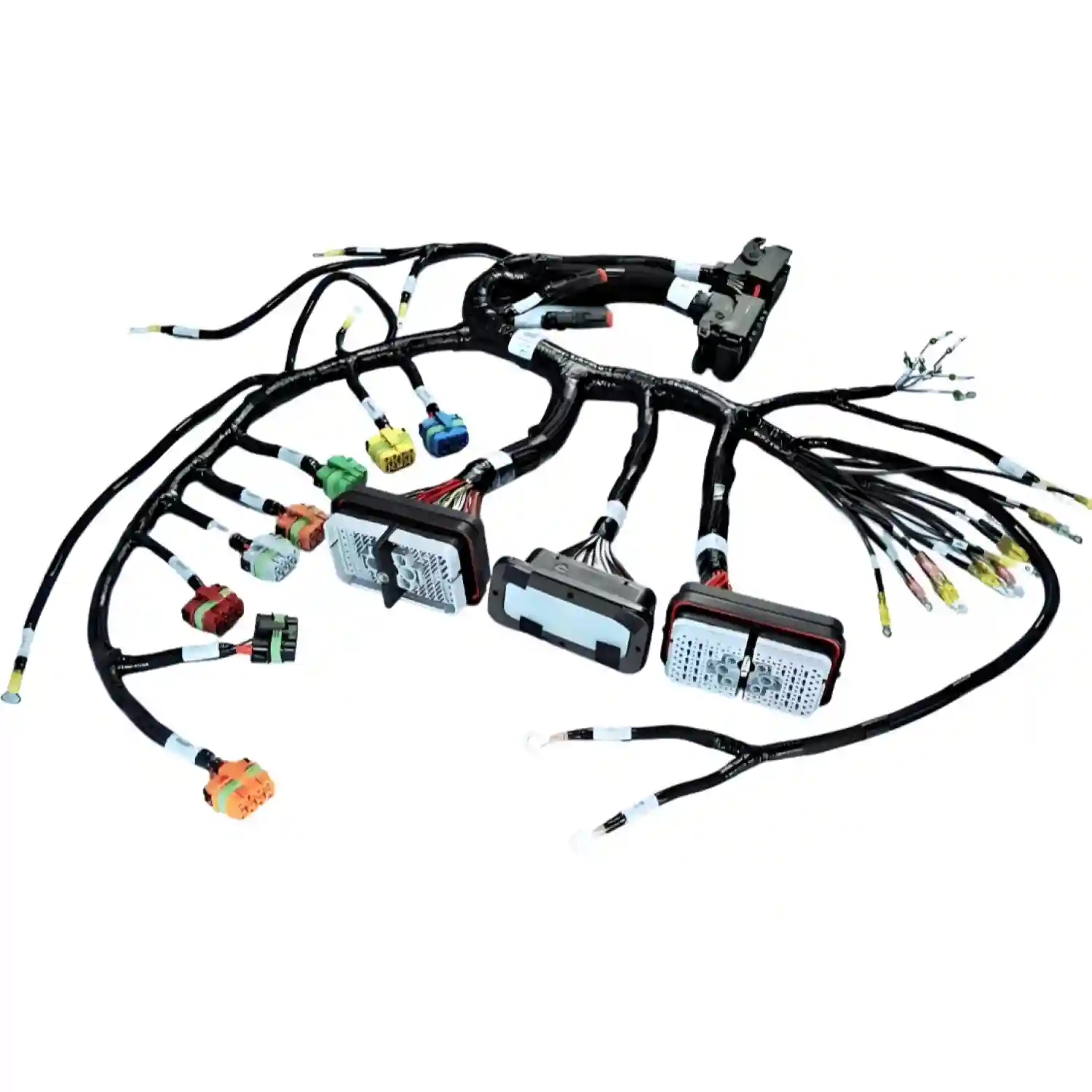
Example of a custom cable assembly with multiple connectors
A cable assembly is a group of wires or cables that are combined into a single unit, typically enclosed within an outer sheath or covering. Cable assemblies are designed to transmit electrical signals or power between two or more points in a system.
Key Characteristics of Cable Assemblies:
Learn more about our custom cable assembly services and how we can help with your project requirements.
What is Wire Harness?
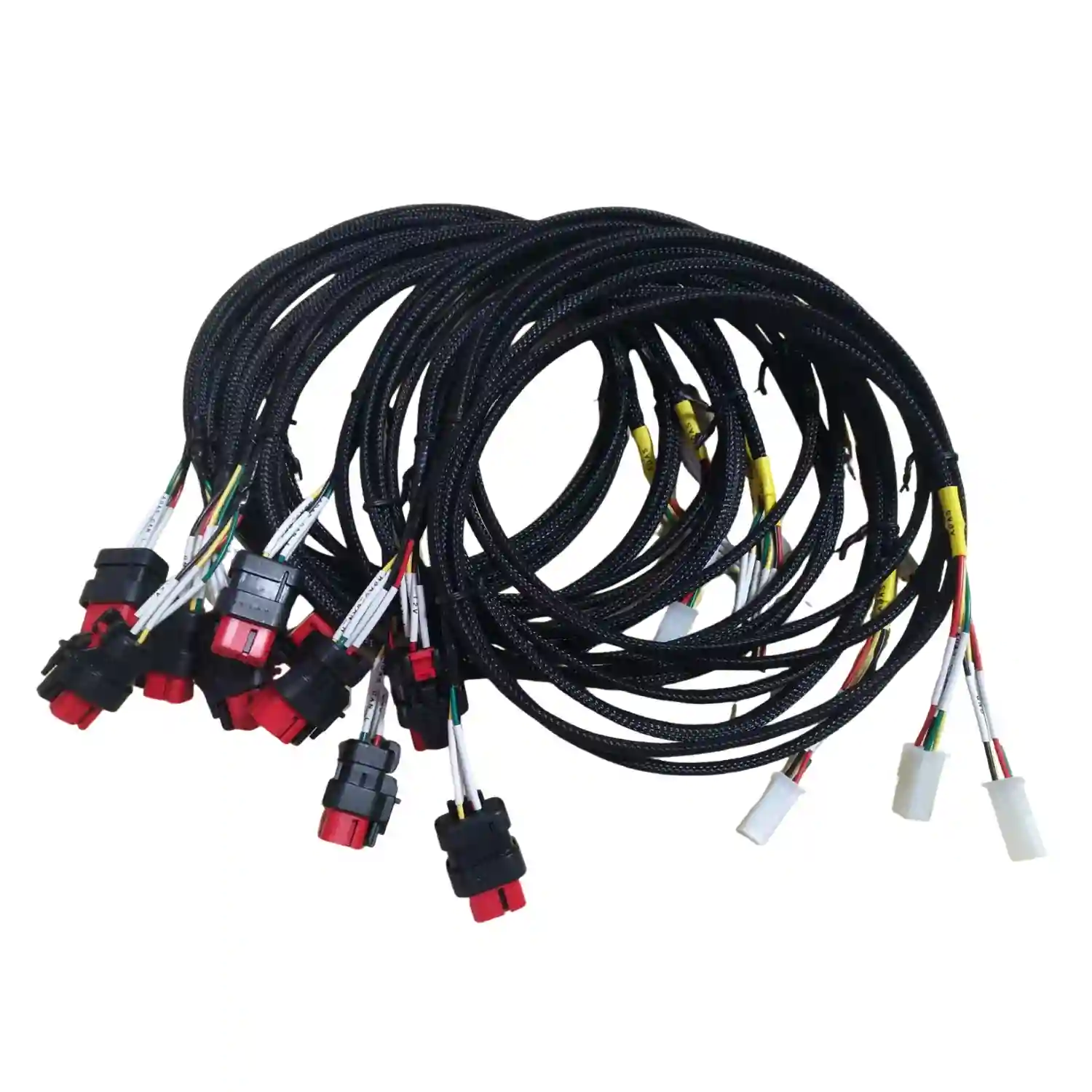
Complex wire harness assembly for robotics application
A wire harness is a systematic organization of multiple wires, cables, and connectors bound together to transmit electrical signals or power within a larger system. Wire harnesses are more complex than cable assemblies and often include multiple branches, connectors, and termination points.
Key Characteristics of Wire Harnesses:
Discover our comprehensive wire harness production capabilities for automotive, medical, and industrial applications.
Key Differences: Cable Assembly vs Wire Harness
| Aspect | Cable Assembly | Wire Harness |
|---|
Applications & Use Cases
Cable Assembly Applications
Wire Harness Applications
For more detailed information about our manufacturing capabilities, visit our capabilities page or explore our global factory network.
Manufacturing Process Comparison
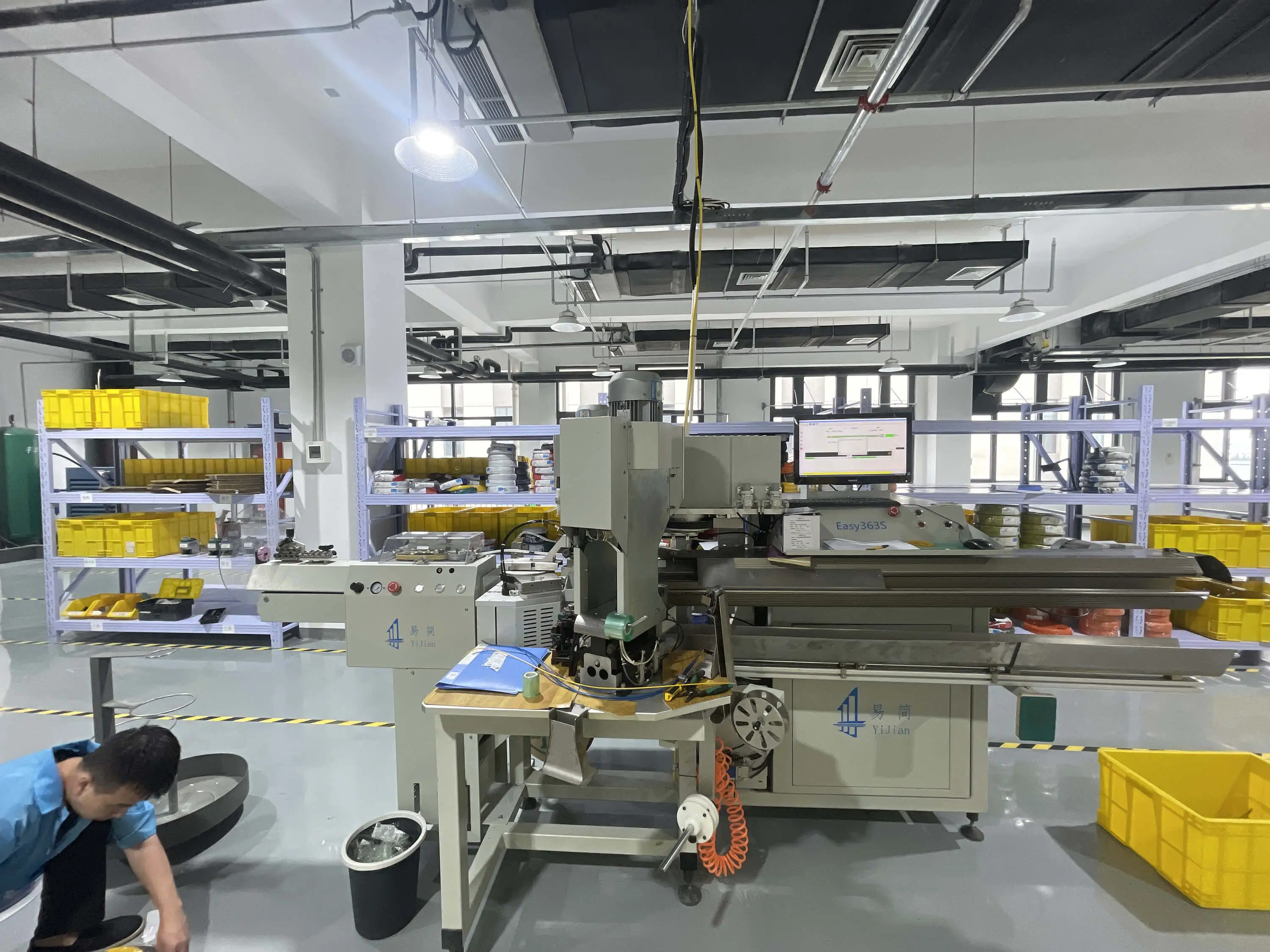
State-of-the-art automated terminal crimping equipment
Both cable assemblies and wire harnesses require precision manufacturing processes, but the complexity and techniques differ significantly.
Cable Assembly Manufacturing:
- Wire cutting to precise lengths
- Automated stripping of wire ends
- Connector crimping or soldering
- Jacketing or sheathing application
- Electrical testing (continuity, hi-pot)
- Quality inspection and packaging
Wire Harness Manufacturing:
- Design and wire routing layout
- Wire cutting and preparation
- Terminal crimping
- Assembly on harness boards
- Bundling with tape or conduit
- Connector housing assembly
- Comprehensive electrical testing
- Final inspection and documentation
WHP provides build-to-print wire harness and cable assembly manufacturing. China headquarters, Hebei Cloom, holds the disclosed ISO 9001 and IATF 16949 certificates; the Philippines site follows aligned procedures without an independent certification claim.
Which One Should You Choose?
Decision Criteria:
Choose Cable Assembly When:
Choose Wire Harness When:
If your released package needs clarification, WHP can review the drawing for manufacturability, flag production risks, and submit any proposed alternate for written approval. Request a build-to-print program review.
Conclusion
Both cable assemblies and wire harnesses play crucial roles in modern electrical and electronic systems. Understanding their differences, advantages, and ideal use cases enables you to make informed decisions that optimize performance, cost, and reliability.
Cable assemblies excel in applications requiring robust protection, simple installation, and point-to-point connections. Wire harnesses are the go-to solution for complex systems with multiple branches, custom routing requirements, and cost-sensitive large-scale projects.
WHP manufactures customer-defined cable assemblies and wire harnesses. Share the released drawing, BOM, acceptance criteria, and forecast for a build-to-print program review and quotation.
Ready to Start Your Project?
Get expert guidance and a free quote for your cable assembly or wire harness project.
Related Resources
🔗 Wire Harness vs Cable Assembly - Detailed comparison guide
🔗 CloomTech - Custom cable assembly solutions
🔗 WHP Program Review - Build-to-print drawing and manufacturability review
🔗 Our Resources Center - Technical guides, case studies, and downloads
Frequently Asked Questions
What is the difference between a cable assembly and a wire harness?
A cable assembly is a group of wires or cables bound within a single outer jacket, presenting one robust cable with terminations at each end. A wire harness is a bundle of individual wires organized with tapes, ties, conduit, or breakouts, typically routing power and signals to multiple branch points.
Which is more durable, a cable assembly or a wire harness?
Cable assemblies are generally more durable in harsh or outdoor environments because the outer jacket protects against abrasion, moisture, and chemicals. Wire harnesses excel at organized routing inside enclosures or vehicles where many separate breakouts are needed.
Can a single product use both a cable assembly and a wire harness?
Yes, and many do. A finished machine might use jacketed cable assemblies for external or flexing runs and an internal wire harness to distribute power and signals across multiple components inside the enclosure.
Which is more expensive to manufacture?
Cable assemblies often cost more per unit because of the added jacket and frequently overmolded terminations, but the answer depends on wire count, connector choice, and volume. A complex multi-branch harness can easily exceed a simple cable assembly.
How do I decide which one I need?
Match the choice to the environment and routing. Choose a cable assembly when you need a sealed, abrasion-resistant single run; choose a wire harness when you need to distribute conductors to several connectors or branch points within a chassis or cabinet.
Are the terms cable assembly and wire harness interchangeable?
They are often used loosely as synonyms, but technically they describe different constructions. Specifying which one you mean — jacketed assembly versus bundled harness — avoids confusion during quoting and manufacturing.