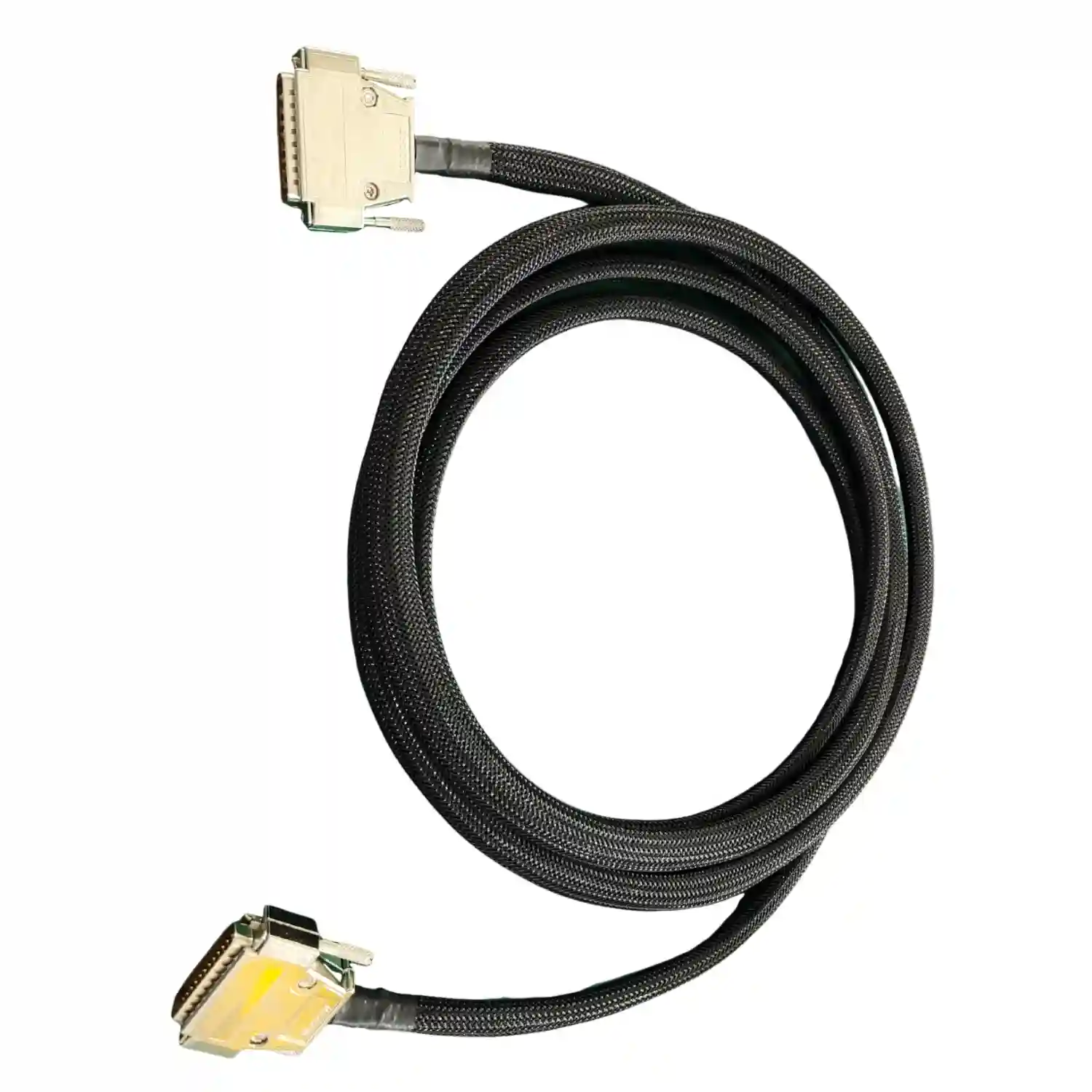
ワイヤーハーネスの防水対策:IP等級、シーリング方法、材料選定ガイド
水は、即時の短絡と緩慢な腐食という2つの経路でワイヤーハーネスを破壊します。どちらも、適切なシーリング方法を選べば防止できます。本ガイドでは、IP等級の選定、オーバーモールド、ポッティング、熱収縮ブーツ、ガスケットシールという4つのシーリング技術に加え、自動車、船舶、産業機器、屋外用途向けの材料比較と試験プロトコルを解説します。
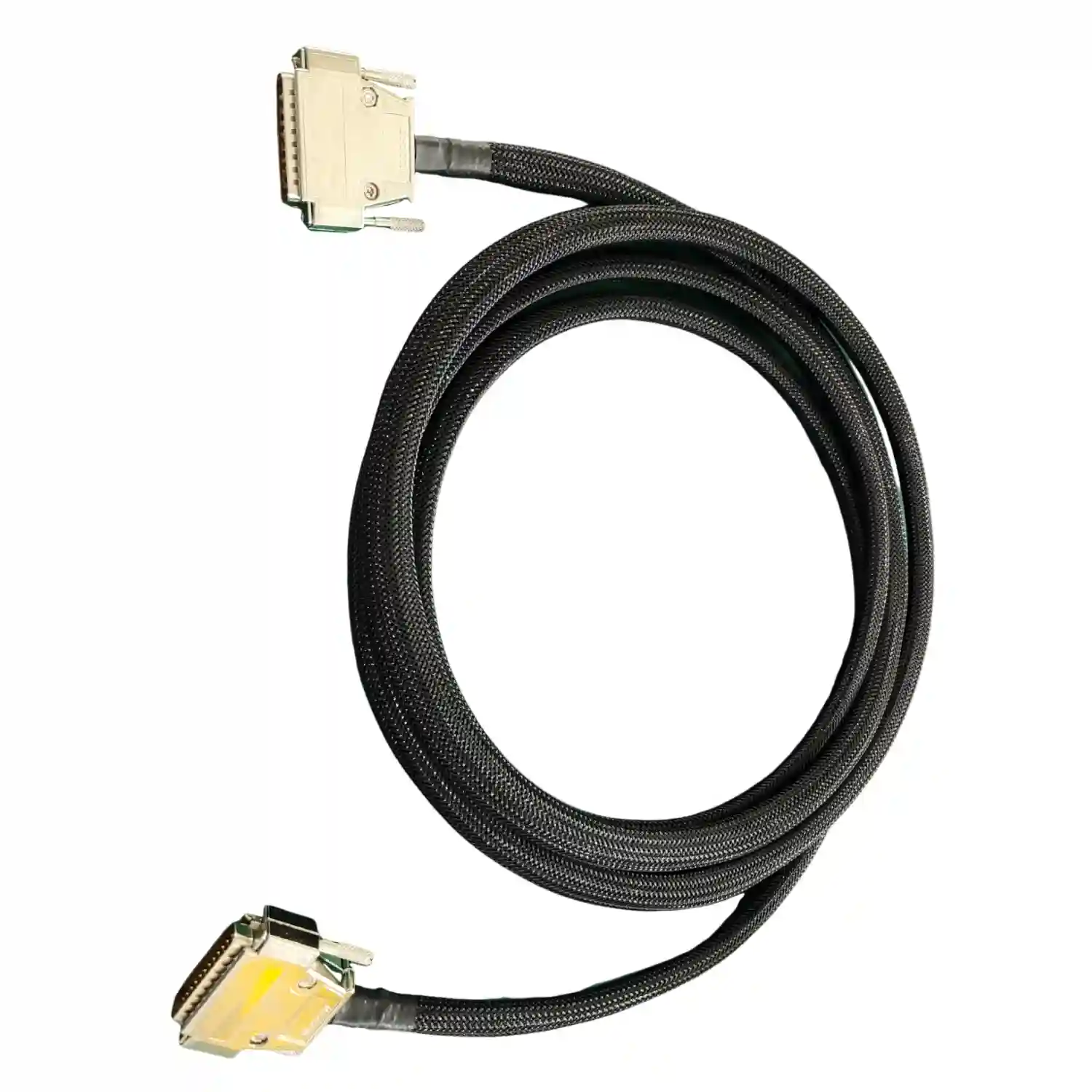
防水コネクタと環境シーリングを備えた産業用ワイヤーハーネスアセンブリ
屋外ハーネス故障のうち、水分侵入が原因となる割合
多くの屋外ワイヤーハーネス用途で必要となる最低等級
適切な環境シーリングによる耐用年数の延長
方法とIPレベルに応じた1台あたりの防水コスト
目次
ワイヤーハーネスを破壊するのに、水が内部を満たす必要はありません。圧着端子に一滴でも到達すれば、異種金属間でガルバニック腐食が始まります。数か月で接触抵抗が上昇し、1年以内に断続的な不具合が出始め、2年以内に接続が完全に失われます。この故障は静かに進行し、現場での診断コストが高くつきます。
屋外および過酷環境用途では、ワイヤーハーネスの市場故障の約35%が水分侵入に起因します。根本原因がコネクタそのものであることはほとんどありません。TE、Deutsch、Amphenolなどの最新シールドコネクタは、正しく嵌合されていれば良好に機能します。故障は主に、ケーブルとコネクタの接合部、中間スプライス、分岐が幹線から出るケーブルジャケット貫通部という3つの弱点に集中します。
防水仕様を正しく決めるには、IP等級を理解し、生産数量と保守要件に合うシーリング方法を選び、使用環境に耐える材料を選定する必要があります。対象は水だけではなく、UV、薬品、熱サイクルも含まれます。本ガイドは、次回のワイヤーハーネスRFQで判断するためのデータを提供します。
"最もよく見る防水設計の誤りは、シールドコネクタを指定しながらケーブル導入口を見落とすことです。IP68コネクタを未シールのケーブルジャケットに接続するのは、穴のある壁に水密ドアを取り付けるようなものです。実際のIP等級を決めるのは、最も高い仕様の部品ではなく、最も弱いシール箇所です。"
Hommer Zhao
エンジニアリングディレクター
1. ワイヤーハーネスに防水が重要な理由
水は3つのメカニズムで電気接続を損傷します。第一に、電位差のある導体間を大量の水が橋渡しすることで起きる即時短絡。第二に、水分が異種金属間に電解質を作ることで起きるガルバニック腐食です。典型例は、すずめっき銅端子と金めっき接点の嵌合、または銅導体とアルミハウジングの接触です。第三に、水中のイオン汚染により近接導体間で金属デンドライトが成長し、遅発性短絡を生む電気化学的マイグレーションです。
腐食は、設置から数か月または数年後に故障として現れるため、とりわけ危険です。原因解析が難しくなるからです。腐食端子のワイヤーハーネス故障解析では、当初のシーリング仕様が不足していた、または施工が不適切だったことがよく確認されます。
水分関連故障のコスト
- 自動車保証: ハーネス腐食クレームで1台あたり$150–$800
- 太陽光発電所: 発電損失を含め、1ストリング故障あたり$2,000–$15,000
- 船舶機器: 航法または推進系ハーネス故障で1件あたり$5,000–$50,000
- 産業用制御: 水分起因の制御不具合による予定外停止で1時間あたり$10,000–$100,000
適切な防水対策は、方法と必要なIP等級に応じてケーブルアセンブリ1本あたり$0.50から$8.00を追加します。1件の市場故障と比べれば、防水対策は最初に回避できた保証クレームだけで投資回収できます。
2. IP等級の解説:数字が実際に意味すること
IEC 60529で定義されるIngress Protection(IP)等級は、2桁の数字で表されます。1桁目(0–6)は固形物に対する保護性能、2桁目(0–9)は液体侵入に対する保護性能を示します。ワイヤーハーネス用途では、主に防塵レベル5と6、および防水レベル4から8を扱います。
| IP等級 | 防塵性能 | 防水性能 | 代表的な用途 |
|---|---|---|---|
| IP54 | 粉塵侵入を制限 | あらゆる方向からの水しぶきに対応 | 屋内産業機器、HVAC制御 |
| IP65 | 防塵構造 | 低圧ウォータージェット | 屋外筐体、自動車エンジンルーム |
| IP66 | 防塵構造 | 高圧ウォータージェット | 高圧洗浄される機器、食品加工 |
| IP67 | 防塵構造 | 水深1mで30分の浸漬 | 自動車床下、太陽光発電所、屋外ロボット |
| IP68 | 防塵構造 | 連続浸漬(深さは仕様による) | 船舶、海中、EVバッテリーパック |
| IP69K | 防塵構造 | 高圧・高温スプレー | 食品・飲料の洗浄工程、農業用途 |
IP等級に関するよくある誤解
IP68は、IP66(高圧ジェット)保護を自動的に含むわけではありません。試験は独立しています。ハーネスが水没と高圧洗浄の両方に耐える必要がある場合は、IP68およびIP66試験を指定するか、最も包括的な保護としてIP69Kを要求してください。
北米向けプロジェクトでは、NEMA等級に出会うこともあります。NEMA 4は概ねIP66相当、NEMA 4Xは耐食性を追加し、NEMA 6PはおおよそIP68に対応します。ただし、NEMAとIPでは試験手法が異なるため、換算表だけに頼らず、必ず具体的な試験条件を確認してください。
3. ワイヤーハーネス防水の4つのシーリング方法
各シーリング方法は、保護レベル、コスト、生産数量への適合性、現場保守性で異なるトレードオフがあります。適切な選択は、カスタムケーブルアセンブリ要件によって決まります。
オーバーモールドシール
IP68に最適ケーブルとコネクタの接合部の周囲に、射出成形した熱可塑性樹脂またはエラストマーを直接結合する方法です。隙間や界面のない恒久的な一体シールを形成します。マルチショット成形では、剛性ハウジング材料と柔軟なシール材料を1工程で組み合わせることもできます。
強み
- 最高水準の信頼性:恒久接合によりシール界面を排除
- 量産ロット全体でIP68を安定して達成
- シール劣化なしで100,000回以上の熱サイクルに耐える
- ストレインリリーフと環境シーリングを同時に提供
制約
- 金型費:1型あたり$2,000–$8,000
- 現場保守不可:コネクタ交換ができない
- リードタイム:初回金型で3–6週間
- 500–1,000個以上でなければ経済性が出にくい
ポッティング材
複雑形状に最適2液性エポキシ、ポリウレタン、またはシリコーンを、電線端末の周囲の筐体内へ流し込む、または注入する方法です。すべての空隙と不規則形状を埋め、防水と機械的保護の両方を提供します。ジャンクションボックス、スプライス筐体、PCBとハーネスのインターフェースのシールに特に有効です。
強み
- 金型では届かない不規則形状をシールできる
- 金型投資不要:どの数量にも対応可能
- 振動減衰と熱マネジメントを提供
- 耐薬品性(エポキシ)または柔軟性(シリコーン)を選べる
制約
- 不可逆:修理には切除と再ポッティングが必要
- 硬化時間:材料により4–24時間
- 重量:アセンブリに大きな質量が加わる
- 発熱硬化により熱に弱い部品を損傷する可能性がある
接着剤付き熱収縮チューブ
少量生産に最適内層にホットメルト接着剤を持つ二重壁熱収縮チューブです。加熱すると外壁が収縮してケーブルとコネクタ形状に沿い、同時に接着剤が溶融して隙間へ流れ込み、シールバリアを作ります。コネクタ径とケーブル径の移行に対応するため、2:1、3:1、4:1の標準収縮比が用意されています。
強み
- 金型費ゼロ:市販部品で対応
- 施工が速い:1シール箇所あたり30–90秒
- 接着剤ライナーを正しく施工すればIP67を達成
- 現場修理可能:切除して新しいチューブを再施工できる
制約
- 作業者依存:加熱ムラがシールギャップを生む
- IP67までが限界:より深い水圧では圧力シールの信頼性が不足
- 125°Cを超える連続暴露で接着剤が劣化
- シール箇所で繰り返し屈曲する用途には不向き
ガスケットおよびOリングシール
保守性に最適加工溝に収めたエラストマーガスケットまたはOリングを用いる圧縮シールです。コネクタハウジングがガスケットをパネルまたは相手側コネクタに押し付け、制御されたシールを形成します。ケーブルグランドも同じ原理で、ケーブルが筐体に入る箇所のジャケットをシールします。
強み
- 完全に現場保守可能:損傷なしで着脱できる
- 規定トルクで締結すればIP67/IP68を安定して達成
- 材料選択肢が広い:シリコーン、EPDM、Viton、ネオプレン
- 交換可能なシールによりハーネス寿命を延ばせる
制約
- 適切なトルクが必要:締め不足は漏れ、締め過ぎはシール損傷を招く
- ガスケットは時間とともにUVおよびオゾン暴露で劣化する
- シール性能は相手面の表面仕上げ品質に左右される
- 定格IPレベルを得るには施工トレーニングが必要
"当社では、防水ハーネスを出荷前に定格圧力の1.5倍で全数試験しています。理由は単純です。現場条件は試験室ほど整っていません。ガスケット面の汚れ、施工時についたケーブルジャケットの傷、完全に着座していないコネクタピン。こうした要素はすべてシール余裕を下げます。工場で50%の安全率を織り込むことで、現場条件が完璧でなくてもハーネスが仕様を満たせるようにしています。"
Hommer Zhao
エンジニアリングディレクター
4. シーリング材料:特性とトレードオフ
シーリング材料は、水だけでなく運用環境全体に耐える必要があります。UV放射、薬品暴露、極端な温度、機械的応力はいずれも時間とともにシールを劣化させます。ワイヤーハーネス用途に適した材料を選ぶことで、早期のシール不良を防げます。
| 材料 | 温度範囲 | UV耐性 | 耐薬品性 | コスト | 最適用途 |
|---|---|---|---|---|---|
| Silicone | −60°C to +200°C | 非常に優れる | 中程度 | $$$$ | 航空宇宙、医療、高温用途 |
| EPDM | −50°C to +150°C | 非常に優れる | 中程度 | $$ | 屋外、太陽光、農業用途 |
| Viton (FKM) | −20°C to +200°C | 良好 | 非常に優れる | $$$$$ | 燃料系統、化学プラント |
| Neoprene (CR) | −40°C to +120°C | 中程度 | 良好 | $$ | 船舶、油にさらされる環境 |
| TPE | −40°C to +100°C | 中程度 | 中程度 | $ | 民生、一般産業用途 |
| Polyurethane | −40°C to +80°C | 低い | 良好 | $$ | ポッティング、摩耗の多い環境 |
材料選定の目安
多くの屋外産業用途では、EPDMがコスト、UV耐性、温度範囲のバランスに最も優れます。温度が150°Cを超える場合、または医療・航空宇宙向けのトレーサビリティが必要な場合はシリコーンへ引き上げます。燃料、油圧作動油、強溶剤が存在する場合に限りVitonを使用してください。
5. 業界別の防水要件
業界ごとに水分暴露条件は異なります。自動車床下ハーネスは路面水や塩分を受けますが、継続的な浸漬は想定されません。船舶用ハーネスは、連続的な塩水噴霧と潜在的な水没にさらされます。防水仕様を実際の運用条件に合わせることで、保護不足と過剰コストの両方を避けられます。
自動車
- エンジンルーム: IP65–IP67、−40°C to +125°C
- 床下: IP67、塩水噴霧1,000時間以上
- 室内: IP54、水しぶき保護のみ
- EVバッテリー: 水深1mで最低24時間のIP68
- 規格: SAE J1128、LV 124、VW 80000
船舶・オフショア
- 甲板機器: IP66–IP68、塩水噴霧3,000時間以上
- 喫水線下: 定格深度で連続使用のIP68
- 材料: すずめっき銅、船舶グレードジャケット
- コネクタ: Deutsch DT/DTP、Amphenol Marine
- 規格: IEC 60945、DNV GL、Lloyd's Register
太陽光・再生可能エネルギー
- ストリングハーネス: IP67、UV下で20年以上の寿命
- インバーターケーブル: IP65、高温定格
- コネクタ: MC4(嵌合時IP67)、H4
- ジャケット: XLPEまたはLSZH、UV安定化黒色
- 規格: UL 4703、EN 50618、TUV 2Pfg
産業・食品加工
- 洗浄ゾーン: IP66–IP69K、耐薬品性
- 屋外制御: IP65–IP67、UV耐性
- コネクタ: M12、M8丸型シールドコネクタ
- 材料: ステンレス鋼グランド、FKMシール
- 規格: IEC 60529、ECOLAB認証(食品)
6. 防水試験プロトコル
防水に関する適切なワイヤーハーネス品質試験は、単純な浸漬試験だけでは不十分です。包括的なプロトコルでは、ハーネスが実使用で受ける熱的、機械的、化学的ストレス下でシール完全性を検証します。
外観検査(試験前)
すべてのシール箇所を拡大して確認し、接着剤の空隙、モールドバリによる隙間、不完全な熱収縮回復、損傷したOリングを検査します。湿式試験前に、目視可能なシール欠陥のある個体は不合格とします。
熱サイクル
シール済みハーネスを−40°Cから+85°C(または最高使用温度)まで、最低10サイクル変化させます。熱膨張と収縮がシール界面に応力を与え、浸漬試験前に接合の弱点を明らかにします。
浸漬試験(IEC 60529)
IP67では、水深1mで30分間浸漬します。IP68では、メーカー指定の深度と時間で浸漬します。水中では気泡の発生を監視します。取り出し後、すべての導体間および導体とハウジング間の絶縁抵抗を測定します(100メガオーム超が必要)。
圧力降下試験
シール済みアセンブリを定格圧力の1.5倍まで加圧し、60秒間監視します。許容漏れ率は、1秒あたり10 Pa未満の圧力低下です。これは、シール完全性確認における最速の量産ライン試験です。
塩水噴霧試験(ASTM B117)
自動車および船舶用途では、対象環境に応じて、シール済みハーネスを35°C、5% NaCl塩水噴霧に500–3,000時間暴露します。暴露後、どの端子でも接触抵抗の増加が5ミリオームを超えていないことを確認します。
"圧力降下試験は、生産ライン上で2分以内にシール欠陥の98%を検出します。防水ハーネスにとって、最も費用対効果の高い品質ゲートです。すべての製品を試験して出荷します。代替策は、修理のために簡単にはアクセスできない用途での市場故障であり、そのコストは桁違いに大きくなります。"
Hommer Zhao
エンジニアリングディレクター
7. 5つの防水不良とその防止策
1. 呼吸作用(サーマルポンピング)
温度変化により、密閉筐体内の空気は膨張と収縮を繰り返します。冷却時には負圧が生じ、微細なシール不完全部から水分を引き込みます。これは、初期IP試験には合格しても現場で6–12か月後に故障するシール済みハーネスアセンブリで、最も一般的な水分侵入原因です。
防止策: 液体の水を遮断しながら圧力平衡を可能にするブリーザーバルブ(Gore-Texベント)を使用するか、空気交換を完全に排除するハーメチックシールを指定します。
2. ケーブルジャケット内の毛細管浸透
水は毛細管作用により、ケーブルジャケットと個々の導体絶縁の間を移動します。コネクタが完全にシールされていても、コネクタバックシェルに入る箇所でケーブルジャケットがシールされていなければ、内部が浸水する可能性があります。未充填の隙間を持つ多心ケーブルは特に脆弱です。
防止策: 湿潤環境では、充填ケーブル(ゲルまたは粉末で隙間を充填)を指定します。コネクタ界面だけでなく、ケーブルジャケット導入口にも接着剤付き熱収縮チューブまたはオーバーモールドを施工します。
3. シールの圧縮永久ひずみ
エラストマーシールは、特に高温下で長時間圧縮されると永久変形します。圧縮永久ひずみが元の断面の40–60%を超えると、ガスケットは十分なシール力を提供できなくなります。高温環境ではこの劣化が加速します。
防止策: 使用温度に対して圧縮永久ひずみ値の低いシール材料を選びます。シリコーンは150°Cで<15%、EPDMは100°Cで<25%の圧縮永久ひずみを維持します。溝形状は、シール圧縮が断面の20–30%に収まるよう設計します。
4. シール材料のUV劣化
紫外線は露出したシール材料のポリマー鎖を切断します。ネオプレンとポリウレタンは特に弱く、屋外UV暴露から2–5年でひび割れや表面の白亜化が見られます。表面がひび割れると、水は劣化したシールを通る経路を見つけます。
防止策: 屋外に露出するシールにはEPDMまたはシリコーンを使用します。シール部にはUV安定化オーバージャケットまたは保護ブーツを追加します。太陽光発電用途では、設計段階から25年UV定格材料を指定します。
5. ケーブルグランドの不適切な施工
ケーブルグランドは、現場施工される防水部品として最も一般的であり、同時に最も誤施工が多い部品でもあります。ケーブル径に合わないグランドの使用、規定トルク不足、シーリングインサートの省略はいずれもIP等級低下を招きます。正しいサイズのグランドでも、規定トルクの80%で締結されているだけでIP68からIP54まで低下することがあります。
防止策: 組立図面に正確なケーブルグランド品番を指定します。トルク値を記載し、施工後に合いマークを付けます。複数ケーブル導入口には分割型シーリングインサートを使用します。施工チームには、IP性能に直結するトルク要件を教育します。
8. よくある質問
屋外用ワイヤーハーネスにはどのIP等級が必要ですか?
多くの屋外ワイヤーハーネス用途では、最低でもIP65が必要です。IP65はあらゆる方向からの低圧ウォータージェットに対する保護を意味します。豪雨、高圧洗浄、一時的な水没にさらされる機器ではIP67を指定します。船舶および水中用途では通常、メーカーと合意した指定深度・時間での連続水没に対応するIP68が必要です。
ケーブルアセンブリにおけるIP67とIP68の違いは何ですか?
IP67は、ケーブルアセンブリが水深1mで30分間の一時的な浸漬に耐えられることを意味します。IP68は、メーカーが指定する深度と時間での連続浸漬に耐えられることを意味し、一般的には1.5mから10mで長時間使用されます。どちらも完全な防塵性能を備えます。IP68は追加のシーリング要件があるため、IP67に比べて通常15から30%ほどコストが高くなります。
既存のワイヤーハーネスを現場で防水できますか?
現場での防水処理は一時修理としては可能ですが、工場シール品質には届きません。選択肢には、スプライス箇所への接着剤付き熱収縮チューブ、自己融着シリコーンテープ、現場保守可能な筐体内に施工する2液性ポッティング材があります。安全上重要な用途では、必ず必要IP等級で試験済みの工場シール品に交換してください。
ワイヤーハーネスに最も優れた防水性能を与えるシーリング方法はどれですか?
オーバーモールドシールは、界面のない恒久接合によってシールを形成するため、最も高い信頼性を提供します。IP68を安定して達成し、100,000回を超える熱サイクルにも耐えます。ただし、1型あたり$2,000–$8,000の金型投資が必要なため、500–1,000個以上でなければ費用対効果が出にくい方法です。少量の場合は、シールドコネクタと圧縮ガスケットの組み合わせにより、金型費なしでIP67性能を得られます。
ワイヤーハーネスの防水性はどのように試験しますか?
試験はIEC 60529規格に従います。IP67では、シール済みハーネスを水深1mで30分間沈め、絶縁抵抗測定によって水の侵入がないことを確認します。量産試験では圧力降下試験が最速です。定格圧力の1.5倍まで加圧し、60秒間監視します。さらに、浸漬試験前に熱サイクルを行ってシール界面に応力を与えます。温度変化による圧力差が、弱いシールを露呈させるためです。
参考規格
- IEC 60529: Degrees of Protection Provided by Enclosures (IP Code)
- NEMA 250: Enclosures for Electrical Equipment (1,000 Volts Maximum)
- ASTM B117: Standard Practice for Operating Salt Spray (Fog) Apparatus
- SAE J1128: Low Voltage Primary Cable for automotive wire harness applications
防水ワイヤーハーネスが必要ですか?
当社は、IP67およびIP68定格のワイヤーハーネスを、オーバーモールド、ポッティング、ガスケットシールの各方式で製造しています。使用環境要件を共有いただければ、用途に最も費用対効果の高い防水ソリューションをご提案します。