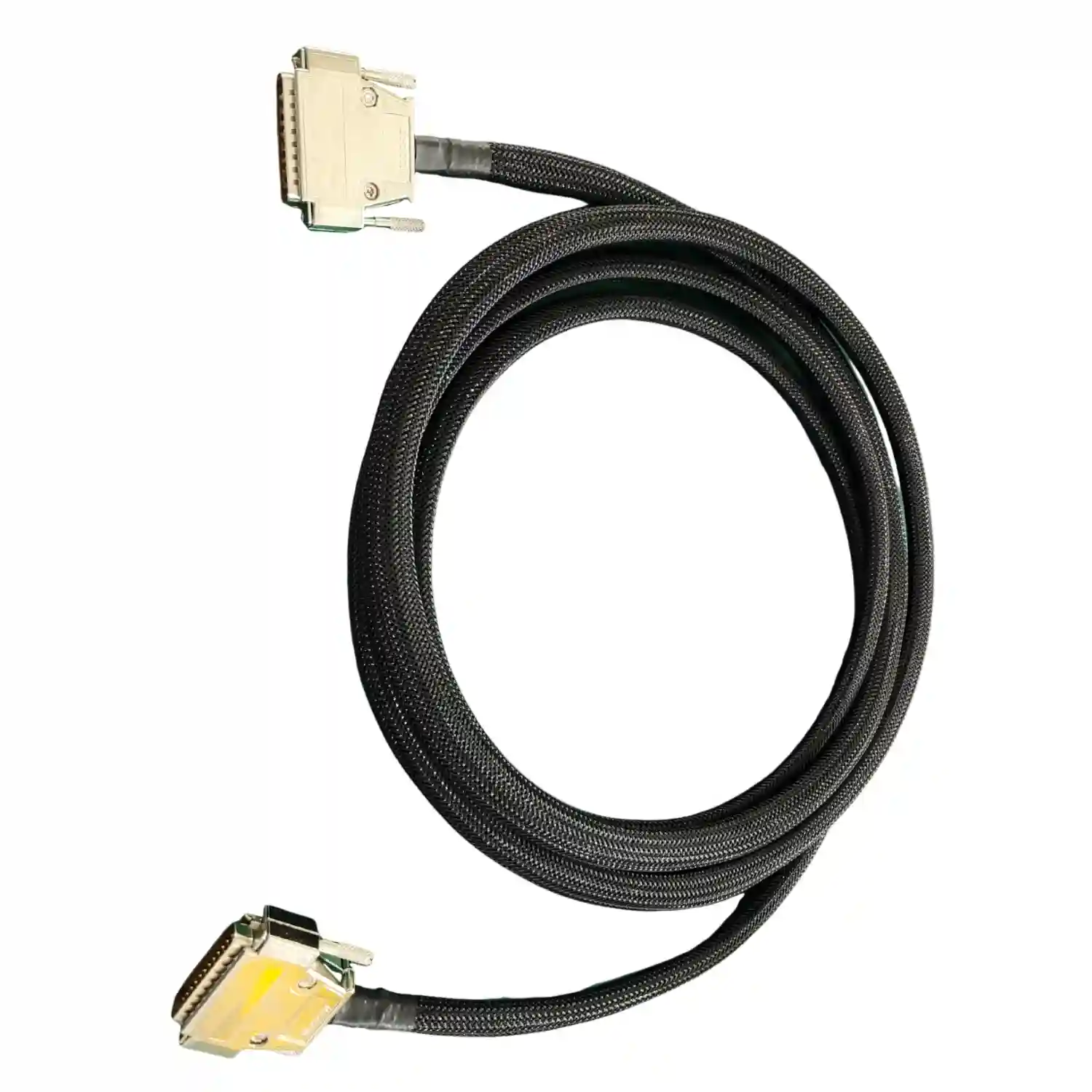
Johdinsarjojen vesitiivistys: IP-luokat, tiivistysmenetelmät ja materiaaliopas
Vesi tuhoaa johdinsarjoja kahdella mekanismilla: välittömillä oikosuluilla ja hitaalla korroosiolla. Molemmat ovat estettävissä oikealla tiivistysmenetelmällä. Tämä opas kattaa IP-luokan valinnan, neljä tiivistystekniikkaa — päällystysvalun, valumassan, kutistesukan ja tiivisteen — sekä materiaalivertailun ja testausprotokollat auto-, meri-, teollisuus- ja ulkokäyttöön.
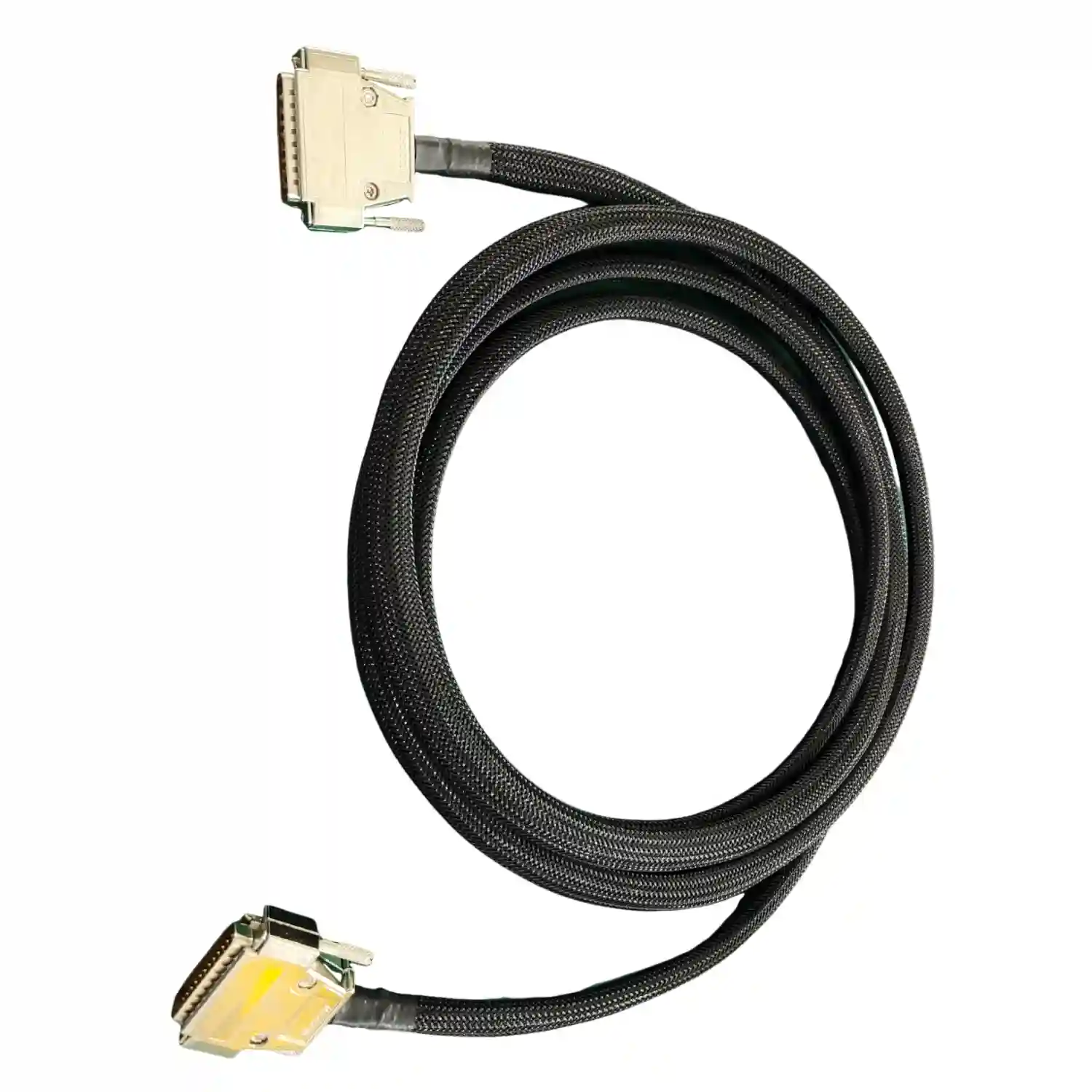
Teollisuusjohdinsarjakokoonpano, jossa on vesitiiviit liittimet ja ympäristötiivistys
ulko-johdinsarjojen vioista aiheutuu kosteuden sisäänpääsystä
minimivaatimus useimmille ulko-johdinsarjoille
pidempi käyttöikä asianmukaisella ympäristötiivistyksellä
vesitiivistyksen kustannus per yksikkö riippuen menetelmästä ja IP-luokasta
Sisällysluettelo
- 1. Miksi vesitiivistys on tärkeää johdinsarjoille
- 2. IP-luokat selitettynä: Mitä numerot todella tarkoittavat
- 3. Neljä tiivistysmenetelmää johdinsarjojen vesitiivistykseen
- 4. Tiivistysmateriaalit: Ominaisuudet ja kompromissit
- 5. Vesitiivistysvaatimukset toimialoittain
- 6. Vesitiivistyksen testausprotokollat
- 7. Viisi vesitiivistyksen virhettä ja niiden estäminen
- 8. Usein kysytyt kysymykset
Veden ei tarvitse tulvia johdinsarjaa tuhotakseen sen. Yksikin pisara, joka osuu puristusliittimeen, käynnistää galvaanisen korroosion erilaisten metallien välillä. Kuukausien kuluessa kosketusresistanssi kasvaa. Vuoden sisällä alkaa ilmetä ajoittaisia vikoja. Kahden vuoden kuluessa liitos pettää täysin. Vika on hiljainen, etenevä ja kallis diagnosoida kentällä.
Kosteuden sisäänpääsy aiheuttaa noin 35 prosenttia johdinsarjojen kenttävioista ulkona ja ankarissa ympäristöissä. Juurisyy ei juuri koskaan ole itse liitin — nykyaikaiset tiiviit liittimet TE:ltä, Deutschilta ja Amphenolilta toimivat hyvin oikein paritettuina. Viat keskittyvät kolmeen heikkoon kohtaan: kaapelin ja liittimen liittymäkohtaan, keskiosan jatkoksiin ja kaapelivaipan läpivienteihin, joissa haarat poistuvat päärungosta.
Vesitiivistyksen oikea määrittely edellyttää IP-luokkien ymmärtämistä, tiivistysmenetelmän sovittamista tuotantomääriin ja huoltotarpeisiin, ja materiaalien valintaa, jotka kestävät käyttöympäristön — ei pelkästään vettä, vaan UV-säteilyn, kemikaalit ja lämpötilavaihtelut. Tämä opas antaa tiedot näiden päätösten tekemiseen seuraavaa johdinsarjojen tarjouspyyntöä varten.
"Yleisin vesitiivistysvirhe, jonka näemme, on tiiviin liittimen määrittely, mutta kaapelin sisääntulokohdan huomiotta jättäminen. IP68-liitin, joka on liitetty tiivistämättömään kaapelivaippaan, on kuin vesitiivis ovi seinässä, jossa on reikiä. Heikoin tiivistyskohta määrää todellisen IP-luokkasi, ei se komponentti, jolla on korkein spesifikaatio."
Hommer Zhao
Tekninen johtaja
1. Miksi vesitiivistys on tärkeää johdinsarjoille
Vesi vaurioittaa sähköliitoksia kolmella mekanismilla. Ensiksi, välittömät oikosulut, kun suuri määrä vettä yhdistää eri potentiaalissa olevat johtimet. Toiseksi, galvaaninen korroosio, kun kosteus muodostaa elektrolyytin eri metallien välille — tyypillisesti tinapinnoitetut kupariliittimet yhdistettynä kultapinnoitettuihin kontakteihin, tai kuparijohtimet kosketuksissa alumiinikoteloon. Kolmanneksi, sähkökemiallinen migraatio, jossa veden ioniset epäpuhtaudet aiheuttavat metallidendriittien kasvua lähekkäisten johtimien väliin aiheuttaen viivästyneitä oikosulkuja.
Korroosiomekanismi on erityisen vaarallinen, koska se tuottaa vikoja vasta kuukausien tai vuosien kuluttua asennuksesta, mikä tekee juurisyyanalyysistä vaikeaa. Johdinsarjojen vika-analyysi korroosion vaurioittamista liittimistä osoittaa usein, että alkuperäinen tiivistys oli joko alimitoitettu tai väärin asennettu.
Kosteusperäisten vikojen kustannukset
- Ajoneuvotakuu: $150–$800 ajoneuvoa kohden johdinsarjan korroosiokorvausvaatimuksista
- Aurinkopuisto: $2,000–$15,000 per string-vika, mukaan lukien menetetty tuotantotulo
- Merilaitteet: $5,000–$50,000 tapausta kohden navigointi- tai propulsiosarjan viasta
- Teollisuusohjaukset: $10,000–$100,000 tuntia kohden suunnittelematonta seisokkia, joka johtuu kosteuden aiheuttamista ohjausvioista
Oikea vesitiivistys lisää $0.50–$8.00 per kaapelikokoonpano riippuen menetelmästä ja vaaditusta IP-luokasta. Yhteen kenttävikoon verrattuna vesitiivistys tuottaa sijoitetun pääoman tuoton jo ensimmäisellä vältetyllä takuuvaatimuksella.
2. IP-luokat selitettynä: Mitä numerot todella tarkoittavat
IP-luokitusjärjestelmä (Ingress Protection), joka on määritelty standardissa IEC 60529, käyttää kahta numeroa. Ensimmäinen numero (0–6) ilmoittaa kiinteiden hiukkasten suojauksen. Toinen numero (0–9) ilmoittaa nesteen sisäänpääsyn suojauksen. Johdinsarjasovelluksissa työskentelet pääasiassa pölysuojaustasoilla 5 ja 6 ja vesisuojaustasoilla 4–8.
| IP-luokka | Pölysuojaus | Vesisuojaus | Tyypillinen sovellus |
|---|---|---|---|
| IP54 | Rajoitettu pölyn sisäänpääsy | Roiskesuojattu kaikista suunnista | Sisäteollisuus, HVAC-ohjaimet |
| IP65 | Pölytiivis | Matalapaineiset vesisuihkut | Ulkokotelot, auton moottoritila |
| IP66 | Pölytiivis | Korkeapaineiset vesisuihkut | Painepestyt laitteet, elintarviketeollisuus |
| IP67 | Pölytiivis | Upotus 1 m asti 30 min | Auton alusta, aurinkopuistot, ulkorobotiikka |
| IP68 | Pölytiivis | Jatkuva upotus (syvyys erikseen määritelty) | Meriteollisuus, vedenalaiset, sähköajoneuvojen akkupaketit |
| IP69K | Pölytiivis | Korkeapaineinen, kuumasuihku | Elintarvike- ja juomateollisuuden pesu, maatalous |
Yleinen IP-luokkien väärinkäsitys
IP68 ei automaattisesti sisällä IP66 (korkeapaineinen suihku) -suojausta. Testit ovat itsenäisiä. Jos johdinsarjasi on kestettävä sekä upotus että painepesu, määrittele IP68 ja IP66 -testaus, tai pyydä IP69K kattavinta suojausta varten.
Pohjois-Amerikan projekteissa saatat kohdata myös NEMA-luokitukset. NEMA 4 vastaa suunnilleen IP66:ta, NEMA 4X lisää korroosionkestävyyden, ja NEMA 6P vastaa likimain IP68:aa. Varmista aina erityiset testiolosuhteet sen sijaan, että luottaisit rinnakkaistaulukoihin, sillä NEMA- ja IP-testausprotokollat eroavat menetelmissä.
3. Neljä tiivistysmenetelmää johdinsarjojen vesitiivistykseen
Jokainen tiivistysmenetelmä tarjoaa erilaisia kompromisseja suojaustasossa, kustannuksissa, tuotantomäärien soveltuvuudessa ja kenttähuollettavuudessa. Oikea valinta riippuu räätälöidyn kaapelikokoonpanon vaatimuksistasi.
Päällystysvaletut tiivisteet
Paras IP68:lleRuiskupuristettu termoplasti tai elastomeeri, joka on sidottu suoraan kaapelin ja liittimen liittymäkohtaan. Luodaan pysyvä, monoliittinen tiiviste ilman aukkoja tai rajapintoja. Moniainespuristuksessa voidaan yhdistää jäykkä kotelo ja joustava tiivistysmateriaali yhdellä kertaa.
Vahvuudet
- Korkein luotettavuus: pysyvä sidos poistaa tiivistysrajapinnat
- Saavuttaa IP68:n johdonmukaisesti tuotantoerissä
- Kestää yli 100 000 lämpötilasykliä ilman tiivisteen heikkenemistä
- Tarjoaa samanaikaisesti vedonpoiston ja ympäristötiivistyksen
Rajoitukset
- Työkalukustannus: $2,000–$8,000 per muotti
- Ei kenttähuollettavissa: liitintä ei voida vaihtaa
- Toimitusaika: 3–6 viikkoa alkutyökaluille
- Taloudellista vasta yli 500–1 000 yksikön erille
Valumassat
Paras monimutkaisiin muotoihinKaksikomponenttinen epoksi-, polyuretaani- tai silikoniyhdiste, joka kaadetaan tai ruiskutetaan koteloihin johdinliitosten ympärille. Täyttää kaikki tyhjät tilat ja epäsäännölliset muodot tarjoten sekä vesitiivistyksen että mekaanisen suojan. Erityisen tehokas liitoskoteloiden, jatkoskoteloiden ja piirilevy-johdinsarja-liittymien tiivistämiseen.
Vahvuudet
- Tiivistää epäsäännölliset muodot, joihin muotit eivät ulotu
- Ei työkaluinvestointia: sopii kaikille määrille
- Tarjoaa tärinänvaimennuksen ja lämmönhallinnan
- Kemiallinen kestävyys (epoksi) tai joustavuus (silikoni)
Rajoitukset
- Peruuttamaton: korjaukset vaativat leikkaamista ja uudelleenvalamista
- Kovettumisaika: 4–24 tuntia yhdisteestä riippuen
- Paino: lisää huomattavasti kokoonpanon massaa
- Eksoterminen kovettuminen voi vahingoittaa lämpöherkkiä komponentteja
Liimapintainen kutistesukka
Paras pienille määrilleKaksikerroksinen kutistesukka, jossa on sisäkerros kuumasulateliimaa. Kuumennettaessa ulkokerros kutistuu mukautuen kaapelin ja liittimen profiiliin, kun taas liima sulaa ja valuu aukkoihin muodostaen tiivisteen. Saatavana vakiokutistussuhteilla 2:1, 3:1 ja 4:1 erilaisten liitin-kaapeli-halkaisijamuutosten mukaan.
Vahvuudet
- Ei työkalukustannuksia: valmiita komponentteja
- Nopea asennus: 30–90 sekuntia per tiivistyspiste
- Saavuttaa IP67:n, kun liimakerros on asianmukainen
- Kenttäkorjattavissa: leikkaa pois ja asenna uusi sukka
Rajoitukset
- Riippuva asentajasta: epätasainen lämmitys aiheuttaa tiivistysrakoja
- Rajoitettu IP67:ään: painetiiviste ei ole luotettava suuremmissa syvyyksissä
- Liima heikkenee jatkuvassa yli 125 °C lämpötilassa
- Ei sovellu toistuvaan taivutukseen tiivistyskohdassa
Tiiviste- ja O-rengastiivisteet
Paras huollettavuuteenPuristustiivisteet, joissa käytetään elastomeeritiivisteitä tai O-renkaita, jotka on istutettu koneistettuihin uriin. Liitinkotelo puristaa tiivisteen paneelia tai vastaliitintä vasten luoden hallitun tiivistyksen. Kaapeliläpiviennit käyttävät samaa periaatetta tiivistääkseen kaapelivaipan kotelon sisäänmenokohdassa.
Vahvuudet
- Täysin kenttähuollettavissa: irrota ja kytke uudelleen vahingoittamatta
- Luotettava IP67/IP68, kun kiristetään momenttiin määrittelyn mukaan
- Laaja materiaalivalikoima: silikoni, EPDM, Viton, neopreeni
- Vaihdettavat tiivisteet pidentävät johdinsarjan käyttöikää
Rajoitukset
- Vaatii oikean kiristysmomentin: alikiristys vuotaa, ylikiristys vahingoittaa tiivistettä
- Tiivisteet haurastuvat UV- ja otsonille altistuessa ajan myötä
- Tiivisteen suorituskyky riippuu vastinpinnan viimeistelylaadusta
- Asennuskoulutus vaaditaan saavuttamaan määritetty IP-luokka
"Testaamme jokaisen vesitiiviin johdinsarjan 1,5-kertaisella nimellispaineella ennen toimitusta. Syy on yksinkertainen: kenttäolosuhteet eivät ole koskaan yhtä puhtaat kuin testilaboratorio. Lika tiivistepinnalla, naarmuuntunut kaapelivaippa asennuksesta, liittimen pinnit eivät ole täysin paikallaan — kaikki nämä vähentävät tiivistysvaraa. 50 prosentin varmuuskertoimen rakentaminen tehtaalla tarkoittaa, että johdinsarja täyttää yhä vaatimukset, kun olosuhteet eivät ole ihanteelliset kentällä."
Hommer Zhao
Tekninen johtaja
4. Tiivistysmateriaalit: Ominaisuudet ja kompromissit
Tiivistysmateriaalin on kestettävä paitsi vettä, myös koko käyttöympäristö. UV-säteily, kemiallinen altistus, äärilämpötilat ja mekaaninen rasitus heikentävät tiivisteitä ajan myötä. Oikean materiaalin valinta johdinsarjasovellukseesi estää ennenaikaisen tiivisteen pettämisen.
| Materiaali | Lämpötila-alue | UV-kestävyys | Kemikaalinkestävyys | Kustannus | Paras käyttökohde |
|---|---|---|---|---|---|
| Silikoni | −60 °C … +200 °C | Erinomainen | Kohtalainen | $$$$ | Ilmailu, lääketieteellinen, korkea lämpötila |
| EPDM | −50 °C … +150 °C | Erinomainen | Kohtalainen | $$ | Ulkokäyttö, aurinko, maatalous |
| Viton (FKM) | −20 °C … +200 °C | Hyvä | Erinomainen | $$$$$ | Polttoainejärjestelmät, kemianteollisuus |
| Neopreeni (CR) | −40 °C … +120 °C | Kohtalainen | Hyvä | $$ | Meriteollisuus, öljyaltistus |
| TPE | −40 °C … +100 °C | Kohtalainen | Kohtalainen | $ | Kuluttajatuotteet, yleinen teollisuus |
| Polyuretaani | −40 °C … +80 °C | Heikko | Hyvä | $$ | Valumassat, kulutusaltis ympäristö |
Materiaalivalinnan nyrkkisääntö
Useimmissa ulkoteollisuussovelluksissa EPDM tarjoaa parhaan tasapainon kustannusten, UV-kestävyyden ja lämpötila-alueen suhteen. Päivitä silikoniin, kun lämpötila ylittää 150 °C tai vaaditaan lääkintä-/ilmailualan jäljitettävyyttä. Käytä Vitonia vain, kun polttoainetta, hydraulinestettä tai aggressiivisia liuottimia on läsnä.
5. Vesitiivistysvaatimukset toimialoittain
Eri toimialat kohtaavat erilaisia kosteusaltistusolosuhteita. Auton alustan johdinsarja näkee tiesuihketta ja suolaa, mutta ei jatkuvaa upotusta. Merijohdinsarja altistuu jatkuvalle suolasumulle ja mahdolliselle upotukselle. Vesitiivistysspesifikaation sovittaminen todellisiin käyttöolosuhteisiin välttää sekä alisuojauksen että ylisuuret kustannukset.
Autoteollisuus
- Moottoritila: IP65–IP67, −40 °C … +125 °C
- Alusta: IP67, suolasumutesti 1 000+ tuntia
- Sisätilat: IP54, vain roiskesuojaus
- Sähköajoneuvon akku: IP68 1 m syvyydessä vähintään 24 tuntia
- Standardit: SAE J1128, LV 124, VW 80000
Meriteollisuus ja offshore
- Kansivarusteet: IP66–IP68, suolasumutesti 3 000+ tuntia
- Vesirajan alapuolella: IP68 nimellissyvyydessä, jatkuva
- Materiaalit: Tinattu kupari, merikelpoiset vaipat
- Liittimet: Deutsch DT/DTP, Amphenol Marine
- Standardit: IEC 60945, DNV GL, Lloyd's Register
Aurinko- ja uusiutuva energia
- String-johdinsarja: IP67, UV-kesto 20+ vuotta
- Invertterikaapeli: IP65, korkean lämpötilan luokitus
- Liittimet: MC4 (IP67, kun paritettu), H4
- Vaippa: XLPE tai LSZH, UV-stabiloitu musta
- Standardit: UL 4703, EN 50618, TUV 2Pfg
Teollisuus ja elintarviketeollisuus
- Pesualueet: IP66–IP69K, kemikaalinkestävä
- Ulko-ohjaukset: IP65–IP67, UV-kestävä
- Liittimet: M12, M8 pyöreät tiivisliittimet
- Materiaalit: Ruostumattomat teräsläpiviennit, FKM-tiivisteet
- Standardit: IEC 60529, ECOLAB-sertifioitu (elintarvike)
6. Vesitiivistyksen testausprotokollat
Oikea johdinsarjojen laadun testaus vesitiivistyksessä menee pidemmälle kuin pelkkä upotuskoe. Kattava protokolla varmistaa tiivisteen eheyden lämpö-, mekaanis- ja kemikaalirasituksissa, joita johdinsarja kohtaa käytössä.
Visuaalinen tarkastus (ennen testiä)
Tarkasta suurennoksella kaikki tiivistyskohdat liimatyhjiöiden, muottipurserakojen, epätäydellisen kutistesukan palautumisen ja vaurioituneiden O-renkaiden varalta. Hylkää yksiköt, joissa on näkyviä tiivistysvikoja, ennen märkätestausta.
Lämpötilasyklit
Syklitä tiivistetty johdinsarja −40 °C … +85 °C (tai maksimi käyttölämpötila) vähintään 10 syklin ajan. Lämpölaajeneminen ja -kutistuminen rasittavat tiivistysrajapintoja paljastaen tartuntaheikkoudet ennen upotustestausta.
Upotustesti (IEC 60529)
IP67: upota 1 metrin syvyyteen 30 minuutin ajaksi. IP68: upota valmistajan määrittelemään syvyyteen määritellyksi ajaksi. Tarkkaile kuplien muodostumista upotuksen aikana. Poiston jälkeen mittaa eristysresistanssi kaikkien johtimien ja kotelon välillä (on oltava yli 100 megohmia).
Paineenlaskutesti
Paineista tiivistetty kokoonpano 1,5-kertaiseen nimellispaineeseen ja tarkkaile 60 sekunnin ajan. Hyväksyttävä vuotonopeus on alle 10 Pa paineenlaskua sekunnissa. Tämä on nopein tuotantolinjan testi tiivistyksen eheyden todentamiseen.
Suolasumutesti (ASTM B117)
Auto- ja merisovelluksissa altista tiivistetyt johdinsarjat 5 % NaCl -suolasumulle 35 °C lämpötilassa 500–3 000 tunnin ajan kohdeympäristöstä riippuen. Altistuksen jälkeen varmista, ettei kosketusresistanssi ole kasvanut yli 5 milliohmia millään liittimellä.
"Paineenlaskutestaus havaitsee 98 prosenttia tiivistysvioista alle kahdessa minuutissa tuotantolinjalla. Se on kustannustehokkain laatuportti vesitiiviille johdinsarjoille. Jokainen yksikkö toimitetaan testattuna. Vaihtoehto — kenttäviat sovelluksissa, joissa korjaaminen on hankalaa — maksaa suuruusluokaltaan moninkertaisesti."
Hommer Zhao
Tekninen johtaja
7. Viisi vesitiivistyksen virhettä ja niiden estäminen
1. Hengitysilmiö (lämpöpumppaus)
Lämpötilamuutokset saavat ilman laajenemaan ja supistumaan tiivistetyssä kotelossa. Jäähtyminen luo alipaineen, joka imee kosteutta mikroskooppisten tiivistysreikien kautta. Tämä on yleisin syy kosteuden tunkeutumiseen tiivistetyissä johdinsarjakokoonpanoissa, jotka läpäisevät alkuperäisen IP-testin mutta pettävät 6–12 kuukauden kenttäkäytön jälkeen.
Ehkäisy: Käytä hengitysventtiileitä (Gore-Tex-kalvot), jotka sallivat paineentasauksen mutta estävät nestemäisen veden, tai määrittele ilmatiiviit tiivisteet, jotka estävät kaiken ilmanvaihdon.
2. Kaapelivaipan kapillaarikuljetus
Vesi kulkeutuu kaapelivaipan ja yksittäisten johdineristeiden väliä kapillaari-ilmiön avulla. Jopa täydellisesti tiivistetty liitin voi täyttyä vedellä sisältä, jos kaapelivaippaa ei ole tiivistetty liittimen takakappaleen kohdalta. Monijohdinkaapelit, joissa on täyttämättömät välit, ovat erityisen alttiita.
Ehkäisy: Määrittele täyteainekaapelit (geeli- tai jauhetäytteiset välit) kosteisiin ympäristöihin. Levitä liimapintainen kutistesukka tai päällystysvalu kaapelivaipan sisäänmenokohtaan, ei pelkästään liittimen rajapintaan.
3. Tiivisteen puristuspainuma
Elastomeeritiivisteet muotoutuvat pysyvästi jatkuvassa puristuksessa, erityisesti korkeissa lämpötiloissa. Kun puristuspainuma ylittää 40–60 prosenttia alkuperäisestä poikkileikkauksesta, tiiviste ei enää tarjoa riittävää tiivistysvoimaa. Korkeat lämpötilat nopeuttavat tätä heikkenemistä.
Ehkäisy: Valitse tiivistemateriaalit, joilla on alhainen puristuspainuma käyttölämpötilassa. Silikoni säilyttää <15 % puristuspainuman 150 °C:ssa; EPDM säilyttää <25 % 100 °C:ssa. Suunnittele uran geometria siten, että tiivisteen puristus rajoitetaan 20–30 %:iin poikkileikkauksesta.
4. Tiivistemateriaalin UV-hajoaminen
Ultraviolettisäteily katkoo polymeeriketjuja altistuneissa tiivistemateriaaleissa. Neopreeni ja polyuretaani ovat erityisen alttiita, ja niissä ilmenee halkeilua ja pinnan liituuntumista 2–5 vuoden ulko-UV-altistuksen jälkeen. Kun pinta halkeaa, vesi löytää tien vaurioituneen tiivisteen läpi.
Ehkäisy: Käytä EPDM:ää tai silikonia ulkona altistuviin tiivisteisiin. Lisää UV-stabiloitu suojavaippa tai suojakumi tiivistealueille. Aurinkoenergiasovelluksissa määrittele 25 vuoden UV-kestävyysluokituksen omaavat materiaalit jo suunnitteluvaiheessa.
5. Väärä kaapeliläpivientiasennus
Kaapeliläpiviennit ovat yleisin kentällä asennettava vesitiivistyskomponentti, ja ne asennetaan yleisimmin väärin. Väärän kaapelihalkaisijan mukaisen läpiviennin käyttö, määritellyn momentin mukaan kiristämättä jättäminen tai tiivistysosan pois jättäminen johtavat IP-luokan menetykseen. Jopa oikein mitoitettu läpivienti, joka on kiristetty vain 80 prosenttiin määritetystä momentista, voi pudota IP68:sta IP54:ään.
Ehkäisy: Ilmoita tarkat kaapeliläpivientien osanumerot kokoonpanopiirustuksissa. Sisällytä momenttiarvot ja merkitse tarkistusviivat asennuksen jälkeen. Käytä jaettuja tiivistysosia monikaapelisisäänmenokohdissa. Kouluta asennushenkilöstö IP-kriittisiin momenttivaatimuksiin.
8. Usein kysytyt kysymykset
Minkä IP-luokan tarvitsen ulkojohdinsarjalle?
Useimmat ulkojohdinsarjasovellukset vaativat vähintään IP65:n, joka suojaa matalapaineisilta vesisuihkuilta mistä suunnasta tahansa. Voimakkaalle sateelle, painepesulle tai tilapäiselle upotukselle altistuville laitteille määrittele IP67. Meri- ja vedenalaiset sovellukset tarvitsevat tyypillisesti IP68:n, joka on mitoitettu jatkuvaan upotukseen valmistajan kanssa sovitussa syvyydessä ja ajassa.
Mitä eroa on IP67:llä ja IP68:lla kaapelikokoonpanoissa?
IP67 tarkoittaa, että kaapelikokoonpano selviää tilapäisestä upotuksesta enintään 1 metrin syvyydessä 30 minuutin ajan. IP68 tarkoittaa, että se kestää jatkuvan upotuksen valmistajan määrittelemässä syvyydessä ja ajassa, tyypillisesti 1,5–10 metriä pitkiä aikoja. Molemmat tarjoavat täyden pölysuojauksen. Kustannusero on tyypillisesti 15–30 prosenttia IP68:n hyväksi johtuen lisätiivistysvaatimuksista.
Voinko tiivistää olemassa olevan johdinsarjan vesitiiviiksi kentällä?
Kenttävesitiivistys on mahdollista tilapäisiin korjauksiin, mutta se ei koskaan vastaa tehdastiivistettyä laatua. Vaihtoehtoja ovat liimapintainen kutistesukka jatkoskohtiin, itsesulautuva silikoniteippi tai kaksikomponenttinen valumassa kenttäkelpoisissa koteloissa. Turvallisuuskriittisissä sovelluksissa vaihda johdinsarja tehdastiivistettyyn yksikköön, joka on testattu vaadittuun IP-luokkaan.
Mikä tiivistysmenetelmä tarjoaa parhaan vesitiivistyksen johdinsarjoille?
Päällystysvaletut tiivisteet tarjoavat korkeimman luotettavuuden, koska tiiviste on pysyvä sidos ilman rajapintoja. Ne saavuttavat johdonmukaisesti IP68:n ja kestävät yli 100 000 lämpötilasykliä. Ne edellyttävät kuitenkin $2,000–$8,000 työkaluinvestointia per muotti, joten ne ovat kustannustehokkaita vain yli 500–1 000 yksikön erille. Pienemmillä määrillä puristetiivisteet yhdessä tiiviiden liittimien kanssa tarjoavat IP67-suorituskyvyn ilman työkalukustannuksia.
Miten testaan johdinsarjan vesitiivistyksen?
Testaus noudattaa IEC 60529 -standardeja. IP67: upota tiivistetty johdinsarja 1 metrin syvyyteen 30 minuutiksi ja varmista, ettei vettä ole tunkeutunut, mittaamalla eristysresistanssi. Tuotantotestaukseen paineenlaskutestaus on nopein: paineista 1,5x nimellispaineeseen ja tarkkaile 60 sekunnin ajan. Lisäksi lämpötilasykli ennen upotustestausta rasittaa tiivistysrajapintoja, koska lämpötilamuutokset luovat paine-eroja, jotka paljastavat heikot tiivisteet.
Viitteet ja standardit
- IEC 60529: Koteloiden suojaustasot (IP-koodi)
- NEMA 250: Kotelot sähkölaitteille (enintään 1 000 volttia)
- ASTM B117: Standard Practice for Operating Salt Spray (Fog) Apparatus
- SAE J1128: Matalajännitteinen primäärikaapeli autojen johdinsarjasovelluksiin
Tarvitsetko vesitiiviitä johdinsarjoja?
Valmistamme IP67- ja IP68-luokiteltuja johdinsarjoja, joissa on päällystysvalu-, valumassa- ja tiivistevaihtoehdot. Jaa ympäristövaatimuksesi, niin suosittelemme kustannustehokkainta vesitiivistysratkaisua sovellukseesi.