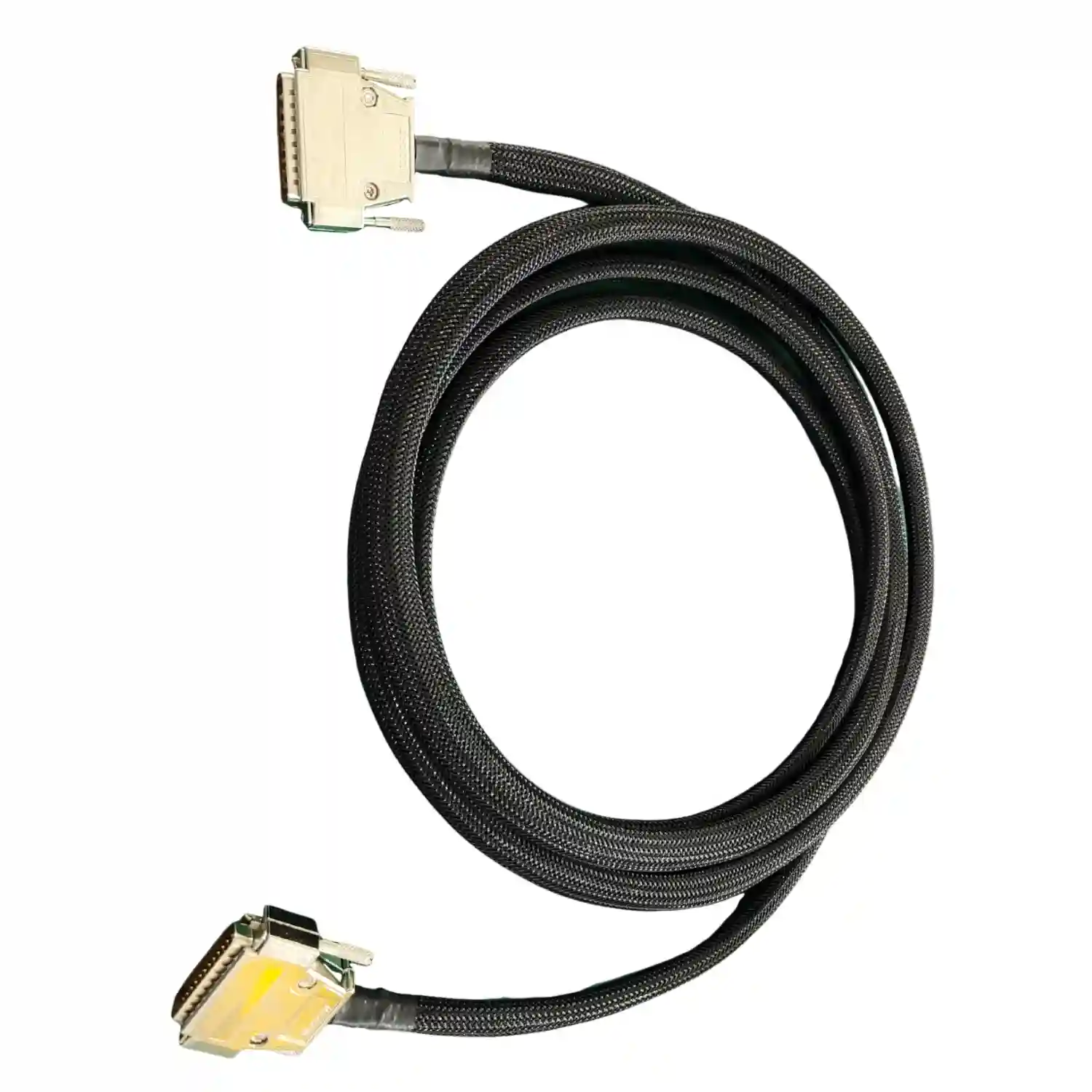
Захист джгутів проводів від води: IP-рейтинги, методи герметизації та вибір матеріалів
Вода виводить джгути проводів з ладу двома шляхами: миттєвими короткими замиканнями та повільною корозією. Обидві проблеми можна запобігти правильно підібраним методом герметизації. У цьому посібнику розглянуто вибір IP-рейтингу, чотири технології герметизації—овермоулдинг, заливання компаундом, термоусаджувальні чохли та ущільнення прокладками—а також порівняння матеріалів і протоколи випробувань для автомобільних, морських, промислових і зовнішніх застосувань.
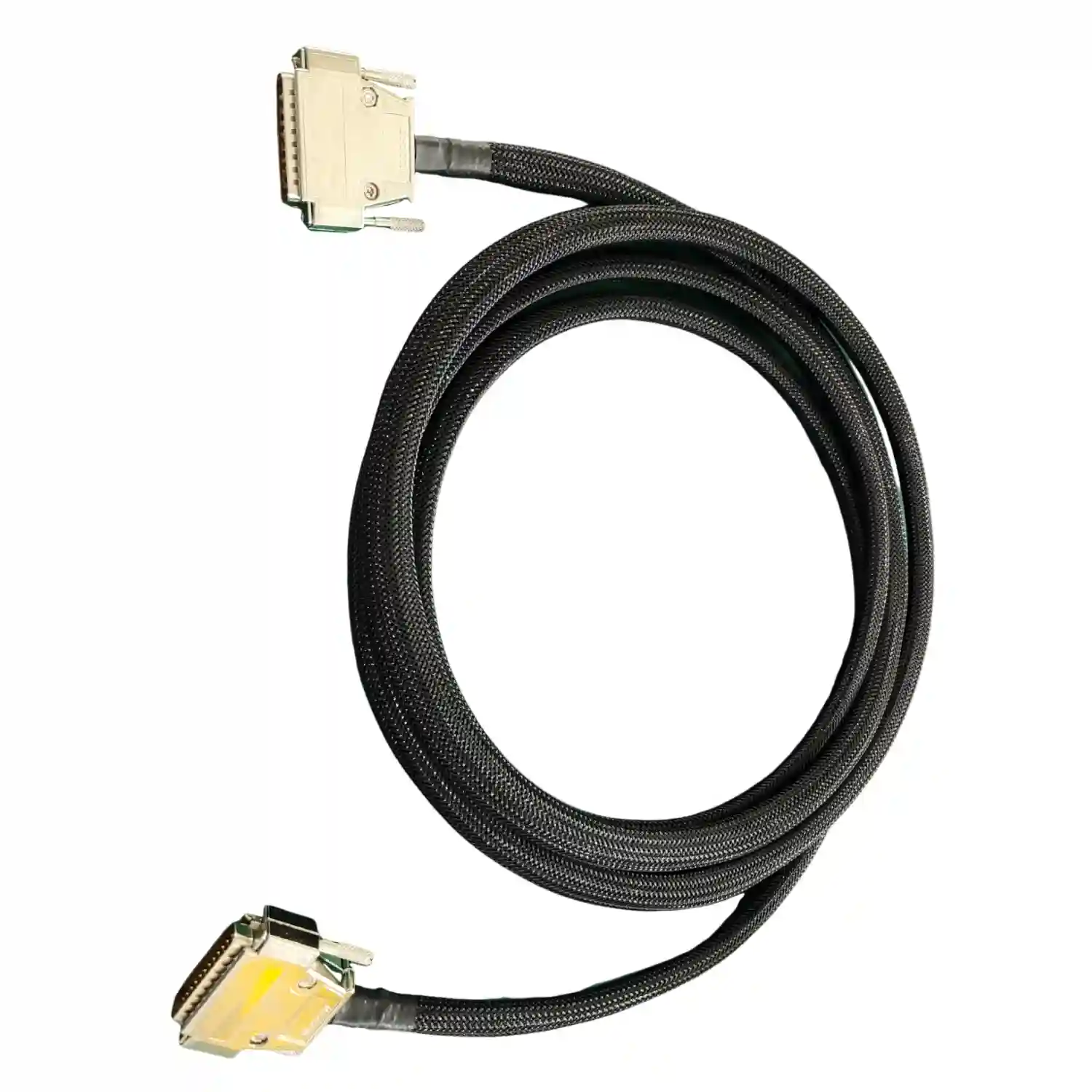
Промислова збірка джгута проводів із водозахищеними роз'ємами та герметизацією від впливу середовища
відмов зовнішніх джгутів спричинені проникненням вологи
мінімальний рейтинг для більшості зовнішніх застосувань джгутів проводів
довший строк служби за правильної герметизації від середовища
вартість водозахисту на одиницю залежно від методу та рівня IP
Зміст
- 1. Чому водозахист важливий для джгутів проводів
- 2. Пояснення IP-рейтингів: що насправді означають цифри
- 3. Чотири методи герметизації для водозахисту джгутів проводів
- 4. Матеріали для герметизації: властивості та компроміси
- 5. Вимоги до водозахисту за галузями
- 6. Протоколи випробувань водозахисту
- 7. П'ять типових відмов водозахисту та як їм запобігти
- 8. Поширені запитання
Воді не потрібно затопити джгут проводів, щоб зруйнувати його. Достатньо однієї краплі, яка дістанеться до обтискної клеми, щоб між різнорідними металами почалася гальванічна корозія. За кілька місяців зростає контактний опір. За рік починаються періодичні відмови. За два роки з'єднання повністю виходить з ладу. Така відмова тиха, поступова й дорога в польовій діагностиці.
Проникнення вологи спричиняє приблизно 35 відсотків польових відмов джгутів проводів у зовнішніх і жорстких умовах експлуатації. Першопричиною майже ніколи не є сам роз'єм—сучасні герметичні роз'єми TE, Deutsch і Amphenol добре працюють за правильного з'єднання. Відмови концентруються в трьох слабких місцях: переході кабель-роз'єм, проміжних зрощеннях і місцях порушення оболонки кабелю, де від основного стовбура відходять гілки.
Щоб правильно задати водозахист, потрібно розуміти IP-рейтинги, співвіднести метод герметизації з вашим обсягом виробництва та вимогами до обслуговування, а також вибрати матеріали, які витримають робоче середовище—не лише воду, а й UV, хімікати та термоциклювання. Цей посібник дає дані, потрібні для таких рішень у вашому наступному RFQ на джгути проводів.
"Найпоширеніша помилка у водозахисті, яку ми бачимо, це вказати герметичний роз'єм, але проігнорувати місце входу кабелю. Роз'єм IP68, з'єднаний із негерметичною оболонкою кабелю, схожий на водонепроникні двері в стіні з отворами. Ваш фактичний IP-рейтинг визначає найслабша точка ущільнення, а не компонент із найвищою специфікацією."
Hommer Zhao
Інженерний директор
1. Чому водозахист важливий для джгутів проводів
Вода пошкоджує електричні з'єднання трьома механізмами. По-перше, миттєвими короткими замиканнями, коли маса води створює місток між провідниками з різними потенціалами. По-друге, гальванічною корозією, коли волога утворює електроліт між різнорідними металами—зазвичай між лудженими мідними клемами та позолоченими контактами або між мідними провідниками й алюмінієвим корпусом. По-третє, електрохімічною міграцією, коли іонне забруднення у воді змушує металеві дендрити рости між близько розташованими провідниками, створюючи відкладені короткі замикання.
Корозійний механізм особливо небезпечний, бо породжує відмови через місяці або роки після монтажу, ускладнюючи аналіз першопричини. Аналіз відмов джгутів проводів із кородованими клемами часто показує, що початкова герметизація була або недостатньо задана, або неправильно виконана.
Вартість відмов, пов'язаних із вологою
- Автомобільна гарантія: $150–$800 на автомобіль за претензіями щодо корозії джгута
- Сонячна електростанція: $2,000–$15,000 за відмову стрінга з урахуванням втраченої генерації
- Морське обладнання: $5,000–$50,000 за інцидент у разі відмови навігаційного або рушійного джгута
- Промислове керування: $10,000–$100,000 за годину незапланованого простою через спричинені вологою збої керування
Правильний водозахист додає від $0.50 до $8.00 до вартості кабельної збірки залежно від методу та потрібного IP-рейтингу. Порівняно з однією польовою відмовою, водозахист окупається вже на першій гарантійній претензії, якої вдалося уникнути.
2. Пояснення IP-рейтингів: що насправді означають цифри
Система рейтингу Ingress Protection (IP), визначена IEC 60529, використовує дві цифри. Перша цифра (0–6) оцінює захист від твердих частинок. Друга цифра (0–9) оцінює захист від проникнення рідин. Для джгутів проводів ви переважно працюватимете з рівнями захисту від пилу 5 і 6 та рівнями захисту від води від 4 до 8.
| IP-рейтинг | Захист від пилу | Захист від води | Типове застосування |
|---|---|---|---|
| IP54 | Обмежене проникнення пилу | Захист від бризок з будь-якого напрямку | Промисловість у приміщенні, керування HVAC |
| IP65 | Пилонепроникність | Струмені води низького тиску | Зовнішні корпуси, підкапотний простір автомобіля |
| IP66 | Пилонепроникність | Струмені води високого тиску | Обладнання з миттям під тиском, харчова промисловість |
| IP67 | Пилонепроникність | Занурення до 1m на 30 хв | Низ автомобіля, сонячні ферми, зовнішня робототехніка |
| IP68 | Пилонепроникність | Безперервне занурення (глибина за специфікацією) | Морські системи, підводні системи, батарейні блоки EV |
| IP69K | Пилонепроникність | Розпилення високого тиску та високої температури | Миття в харчовій і напоївній промисловості, сільське господарство |
Поширене хибне уявлення про IP-рейтинг
IP68 не означає автоматичний захист IP66 від струменя високого тиску. Це незалежні випробування. Якщо ваш джгут має витримувати і занурення, і миття під тиском, вкажіть випробування IP68 та IP66 або запросіть IP69K для найповнішого захисту.
У проєктах для Північної Америки ви також можете зустріти рейтинги NEMA. NEMA 4 приблизно відповідає IP66, NEMA 4X додає стійкість до корозії, а NEMA 6P приблизно відповідає IP68. Завжди перевіряйте конкретні умови випробувань, а не покладайтеся лише на таблиці відповідності, оскільки методики випробувань NEMA та IP відрізняються.
3. Чотири методи герметизації для водозахисту джгутів проводів
Кожен метод герметизації має власні компроміси щодо рівня захисту, вартості, придатності до виробничого обсягу та ремонтопридатності в полі. Правильний вибір залежить від ваших вимог до індивідуальної кабельної збірки.
Ущільнення овермоулдингом
Найкраще для IP68Литий під тиском термопласт або еластомер безпосередньо з'єднується навколо переходу кабель-роз'єм. Це створює постійне монолітне ущільнення без зазорів або стиків. Багатокомпонентне лиття може поєднати жорсткий матеріал корпусу з гнучким герметизувальним матеріалом за одну операцію.
Переваги
- Найвища надійність: постійне з'єднання усуває стики ущільнення
- Стабільно досягає IP68 у серійному виробництві
- Витримує 100,000+ термоциклів без деградації ущільнення
- Одночасно забезпечує розвантаження натягу та герметизацію від середовища
Обмеження
- Вартість оснащення: $2,000–$8,000 за форму
- Не обслуговується в полі: роз'єм не можна замінити
- Строк підготовки: 3–6 тижнів для початкового оснащення
- Економічно доцільно лише понад 500–1,000 одиниць
Заливальні компаунди
Найкраще для складної геометріїДвокомпонентний епоксидний, поліуретановий або силіконовий компаунд заливають чи інжектують у корпуси навколо закінчень проводів. Він заповнює всі порожнини та нерегулярні форми, забезпечуючи і водозахист, і механічний захист. Особливо ефективний для герметизації розподільчих коробок, корпусів зрощень та інтерфейсів PCB-джгут.
Переваги
- Герметизує нерегулярні геометрії, недоступні для форм
- Без інвестицій в оснащення: підходить для будь-якого обсягу
- Забезпечує гасіння вібрацій і тепловідведення
- Хімічна стійкість (епоксид) або гнучкість (силікон)
Обмеження
- Незворотний процес: ремонт потребує вирізання та повторного заливання
- Час затвердіння: 4–24 години залежно від компаунду
- Маса: суттєво збільшує вагу збірки
- Екзотермічне затвердіння може пошкодити термочутливі компоненти
Термоусадка з клейовим шаром
Найкраще для малого обсягуДвостінна термоусаджувальна трубка з внутрішнім шаром термоплавкого клею. Під час нагрівання зовнішня стінка стискається за профілем кабелю та роз'єма, а клей плавиться й затікає в зазори, створюючи герметичний бар'єр. Доступні стандартні коефіцієнти усадки 2:1, 3:1 і 4:1 для різних переходів діаметра роз'єм-кабель.
Переваги
- Нульова вартість оснащення: готові стандартні компоненти
- Швидке нанесення: 30–90 секунд на точку ущільнення
- Досягає IP67 за правильного застосування з клейовою підкладкою
- Ремонтується в полі: зрізати й нанести нову трубку
Обмеження
- Залежить від оператора: нерівномірний нагрів створює зазори ущільнення
- Обмеження до IP67: ущільнення під тиском ненадійне на більшій глибині
- Клей деградує за тривалої дії вище 125°C
- Не підходить для повторюваного згинання в точці ущільнення
Ущільнення прокладками та O-ring
Найкраще для обслуговуваностіКомпресійні ущільнення з еластомерними прокладками або O-ring, установленими в оброблених канавках. Корпус роз'єма стискає прокладку до панелі або відповідного роз'єма, створюючи контрольоване ущільнення. Кабельні вводи використовують той самий принцип для герметизації оболонки кабелю в місці входу в корпус.
Переваги
- Повна обслуговуваність у полі: роз'єднання та повторне з'єднання без пошкодження
- Надійний IP67/IP68 за затягування до специфікації
- Широкий вибір матеріалів: силікон, EPDM, Viton, неопрен
- Замінні ущільнення подовжують строк служби джгута
Обмеження
- Потрібний правильний момент: недотягування дає витік, перетягування пошкоджує ущільнення
- Прокладки деградують від UV та озону з часом
- Якість ущільнення залежить від фінішу відповідної поверхні
- Для досягнення заявленого IP-рівня потрібне навчання монтажу
"Перед відвантаженням ми випробовуємо кожен водозахищений джгут при тиску в 1.5 раза вищому за номінальний. Причина проста: польові умови ніколи не такі чисті, як випробувальна лабораторія. Бруд на поверхні прокладки, оболонка кабелю з надрізом від монтажу, не повністю посаджені контакти роз'єма—усе це зменшує запас герметичності. Заклавши на заводі 50-відсотковий запас, ми гарантуємо, що джгут і далі відповідає специфікації, коли польові умови далекі від ідеальних."
Hommer Zhao
Інженерний директор
4. Матеріали для герметизації: властивості та компроміси
Матеріал ущільнення має витримувати не лише воду, а все робоче середовище. UV-випромінювання, хімічний вплив, температурні екстремуми та механічні навантаження з часом руйнують ущільнення. Правильний вибір матеріалу для вашого застосування джгута проводів запобігає передчасній відмові ущільнення.
| Матеріал | Діапазон температур | Стійкість до UV | Хімічна стійкість | Вартість | Найкраще для |
|---|---|---|---|---|---|
| Silicone | −60°C to +200°C | Відмінна | Помірна | $$$$ | Аерокосмічна галузь, медицина, високі температури |
| EPDM | −50°C to +150°C | Відмінна | Помірна | $$ | Зовнішні, сонячні, сільськогосподарські застосування |
| Viton (FKM) | −20°C to +200°C | Добра | Відмінна | $$$$$ | Паливні системи, хімічні підприємства |
| Neoprene (CR) | −40°C to +120°C | Помірна | Добра | $$ | Морські середовища, середовища з оливою |
| TPE | −40°C to +100°C | Помірна | Помірна | $ | Споживчі вироби, загальна промисловість |
| Polyurethane | −40°C to +80°C | Слабка | Добра | $$ | Заливання, середовища з високим абразивним навантаженням |
Практичне правило вибору матеріалу
Для більшості зовнішніх промислових застосувань EPDM дає найкращий баланс вартості, стійкості до UV і температурного діапазону. Переходьте на силікон, коли температура перевищує 150°C або потрібна медична/аерокосмічна простежуваність. Використовуйте Viton лише за наявності палива, гідравлічної рідини або агресивних розчинників.
5. Вимоги до водозахисту за галузями
Різні галузі мають різні умови впливу вологи. Автомобільний джгут у нижній частині кузова бачить дорожні бризки та сіль, але не постійне занурення. Морський джгут працює в умовах безперервного соляного туману та потенційного занурення. Узгодження специфікації водозахисту з реальними умовами експлуатації допомагає уникнути як недостатнього захисту, так і зайвих витрат.
Автомобільна галузь
- Підкапотний простір: IP65–IP67, −40°C to +125°C
- Нижня частина кузова: IP67, соляний туман 1,000+ годин
- Салон: IP54, лише захист від бризок
- Батарея EV: IP68 на 1m щонайменше 24 години
- Стандарти: SAE J1128, LV 124, VW 80000
Морські та офшорні системи
- Палубне обладнання: IP66–IP68, соляний туман 3,000+ годин
- Нижче ватерлінії: IP68 на номінальній глибині, безперервно
- Матеріали: луджена мідь, оболонки marine-grade
- Роз'єми: Deutsch DT/DTP, Amphenol Marine
- Стандарти: IEC 60945, DNV GL, Lloyd's Register
Сонячна та відновлювана енергетика
- Стрінговий джгут: IP67, строк служби при UV 20+ років
- Кабель інвертора: IP65, рейтинг для високої температури
- Роз'єми: MC4 (IP67 у з'єднаному стані), H4
- Оболонка: XLPE або LSZH, UV-стабілізований чорний колір
- Стандарти: UL 4703, EN 50618, TUV 2Pfg
Промисловість і харчова переробка
- Зони миття: IP66–IP69K, хімічна стійкість
- Зовнішнє керування: IP65–IP67, стійкість до UV
- Роз'єми: M12, M8 круглі герметичні роз'єми
- Матеріали: вводи з нержавної сталі, ущільнення FKM
- Стандарти: IEC 60529, сертифікація ECOLAB (харчова галузь)
6. Протоколи випробувань водозахисту
Належне випробування якості джгутів проводів на водозахист виходить за межі простого занурення у воду. Комплексний протокол підтверджує цілісність ущільнення під тепловими, механічними та хімічними навантаженнями, з якими джгут зіткнеться в експлуатації.
Візуальний огляд (до випробування)
Огляньте всі точки ущільнення під збільшенням на наявність порожнин у клеї, зазорів через облой лиття, неповного відновлення термоусадки та пошкоджених O-ring. Відбраковуйте будь-який виріб із видимими дефектами ущільнення до мокрих випробувань.
Термоциклювання
Проженіть герметизований джгут від −40°C до +85°C (або максимальної робочої температури) щонайменше 10 циклів. Теплове розширення та стискання навантажують інтерфейси ущільнення, виявляючи слабкі місця зчеплення до випробування зануренням.
Випробування зануренням (IEC 60529)
Для IP67: занурення на глибину 1 метр на 30 хвилин. Для IP68: занурення на глибину й тривалість, задані виробником. Під час занурення контролюйте утворення бульбашок. Після вилучення виміряйте опір ізоляції між усіма провідниками та корпусом (має перевищувати 100 мегом).
Випробування спадом тиску
Створіть у герметизованій збірці тиск, що у 1.5 раза перевищує номінальний, і контролюйте його 60 секунд. Прийнятна швидкість витоку становить менше ніж 10 Pa падіння тиску за секунду. Це найшвидше виробниче випробування для перевірки цілісності ущільнення.
Випробування соляним туманом (ASTM B117)
Для автомобільних і морських застосувань піддавайте герметизовані джгути впливу 5% соляного туману NaCl за 35°C протягом 500–3,000 годин залежно від цільового середовища. Після експозиції перевірте, що контактний опір не зріс більш ніж на 5 міліом на будь-якій клемі.
"Випробування спадом тиску виявляє 98 відсотків дефектів ущільнення менш ніж за дві хвилини на виробничій лінії. Це найрентабельніший контрольний бар'єр якості для водозахищених джгутів. Кожна одиниця відвантажується після випробування. Альтернатива—польові відмови в застосуваннях, до яких важко дістатися для ремонту—коштує на порядки дорожче."
Hommer Zhao
Інженерний директор
7. П'ять типових відмов водозахисту та як їм запобігти
1. Ефект дихання (термічне перекачування)
Зміни температури змушують повітря всередині герметичного корпусу розширюватися та стискатися. Охолодження створює від'ємний тиск, який затягує вологу через мікроскопічні недосконалості ущільнення. Це найпоширеніша причина проникнення вологи в герметизованих джгутових збірках, які проходять початкові IP-випробування, але відмовляють через 6–12 місяців у полі.
Профілактика: Використовуйте дихальні клапани (Gore-Tex vents), які вирівнюють тиск, блокуючи рідку воду, або задавайте герметичні ущільнення, що повністю усувають повітрообмін.
2. Капілярне підтягування води оболонкою кабелю
Вода рухається між оболонкою кабелю та ізоляцією окремих провідників через капілярну дію. Навіть ідеально герметичний роз'єм може затопитися зсередини, якщо оболонка кабелю не загерметизована там, де входить у задню частину роз'єма. Багатожильні кабелі з незаповненими проміжками особливо вразливі.
Профілактика: Для вологих середовищ задавайте заповнені кабелі (проміжки, заповнені гелем або порошком). Наносьте термоусадку з клейовим шаром або овермоулдинг на місце входу оболонки кабелю, а не лише на інтерфейс роз'єма.
3. Залишкова деформація ущільнення при стисканні
Еластомерні ущільнення необоротно деформуються під тривалим стисканням, особливо за підвищених температур. Коли залишкова деформація при стисканні перевищує 40–60 відсотків початкового перерізу, прокладка вже не забезпечує достатньої сили ущільнення. Високотемпературні середовища прискорюють цю деградацію.
Профілактика: Вибирайте матеріали ущільнень із низькими значеннями compression set для робочої температури. Silicone зберігає <15% compression set за 150°C; EPDM зберігає <25% за 100°C. Проєктуйте геометрію канавки так, щоб обмежити стискання ущільнення до 20–30% перерізу.
4. UV-деградація матеріалу ущільнення
Ультрафіолетове випромінювання руйнує полімерні ланцюги у відкритих матеріалах ущільнень. Neoprene та polyurethane особливо вразливі: протягом 2–5 років зовнішнього UV-впливу з'являються тріщини й поверхневе крейдування. Щойно поверхня тріскається, вода знаходить шлях через скомпрометоване ущільнення.
Профілактика: Для ущільнень, відкритих зовнішньому середовищу, використовуйте EPDM або silicone. Додавайте UV-стабілізовані зовнішні оболонки або захисні чохли поверх зон ущільнення. Для застосувань у сонячній енергетиці задавайте матеріали з 25-річним UV-рейтингом уже на етапі проєктування.
5. Неправильний монтаж кабельного вводу
Кабельні вводи є найпоширенішим водозахисним компонентом, що встановлюється в полі, і найчастіше монтуються неправильно. Використання вводу не під той діаметр кабелю, недотягування до заданого моменту або відсутність ущільнювальної вставки призводять до втрати IP-рейтингу. Навіть правильно підібраний ввід із 80 відсотками заданого моменту може впасти з IP68 до IP54.
Профілактика: Вказуйте точні артикули кабельних вводів на складальних кресленнях. Додавайте значення моменту та наносіть контрольні лінії після монтажу. Для багатокабельних вводів використовуйте розрізні ущільнювальні вставки. Навчайте монтажні бригади вимогам до моменту, критичним для IP.
8. Поширені запитання
Який IP-рейтинг потрібен для зовнішнього джгута проводів?
Для більшості зовнішніх застосувань джгутів проводів потрібен мінімум IP65, що захищає від струменів води низького тиску з будь-якого напрямку. Для обладнання, яке зазнає сильного дощу, миття під тиском або тимчасового занурення, задавайте IP67. Морські та підводні застосування зазвичай потребують IP68, розрахованого на безперервне занурення на визначену глибину й тривалість, погоджену з виробником.
У чому різниця між IP67 та IP68 для кабельних збірок?
IP67 означає, що кабельна збірка витримує тимчасове занурення у воду на глибину до 1 метра протягом 30 хвилин. IP68 означає, що вона витримує безперервне занурення на глибину та тривалість, визначені виробником, зазвичай від 1.5 до 10 метрів протягом тривалого часу. Обидва рівні забезпечують повний захист від пилу. Різниця у вартості для IP68 порівняно з IP67 зазвичай становить 15-30 відсотків через додаткові вимоги до герметизації.
Чи можна захистити наявний джгут проводів від води в польових умовах?
Польовий водозахист можливий для тимчасових ремонтів, але ніколи не дорівнює якості заводської герметизації. Варіанти включають термоусаджувальну трубку з клейовим шаром над місцями зрощення, самовулканізувальну силіконову стрічку або двокомпонентний заливальний компаунд, нанесений у корпусах, придатних до польового обслуговування. Для будь-якого критичного щодо безпеки застосування замініть джгут на заводськи герметизований виріб, випробуваний до потрібного IP-рейтингу.
Який метод герметизації забезпечує найкращий водозахист джгутів проводів?
Овермоулдингові ущільнення забезпечують найвищу надійність, тому що ущільнення є постійним з'єднанням без інтерфейсів. Вони стабільно досягають IP68 і витримують понад 100,000 термоциклів. Водночас вони потребують інвестицій в оснащення $2,000–$8,000 за форму, тому економічно доцільні лише понад 500–1,000 одиниць. Для менших обсягів компресійні прокладки з герметичними роз'ємами дають IP67 без витрат на оснащення.
Як перевірити водозахист джгута проводів?
Випробування виконують за стандартами IEC 60529. Для IP67 занурте герметизований джгут на глибину 1 метр на 30 хвилин і підтвердьте відсутність проникнення води вимірюванням опору ізоляції. Для виробничого контролю найшвидшим є випробування спадом тиску: створіть тиск 1.5x від номінального та контролюйте 60 секунд. Додатково виконайте термоциклювання перед зануренням, щоб навантажити інтерфейси ущільнення, адже зміни температури створюють перепади тиску, які виявляють слабкі ущільнення.
Джерела та стандарти
- IEC 60529: Ступені захисту, що забезпечуються оболонками (IP Code)
- NEMA 250: Корпуси для електричного обладнання (максимум 1,000 вольт)
- ASTM B117: Стандартна практика експлуатації апарата соляного розпилення (туману)
- SAE J1128: Низьковольтний первинний кабель для застосувань автомобільних джгутів проводів
Потрібні водозахищені джгути проводів?
Ми виготовляємо джгути проводів із рейтингами IP67 та IP68 з овермоулдингом, заливанням компаундом і ущільненням прокладками. Поділіться вашими вимогами до середовища, і ми порекомендуємо найекономічніше рішення водозахисту для вашого застосування.