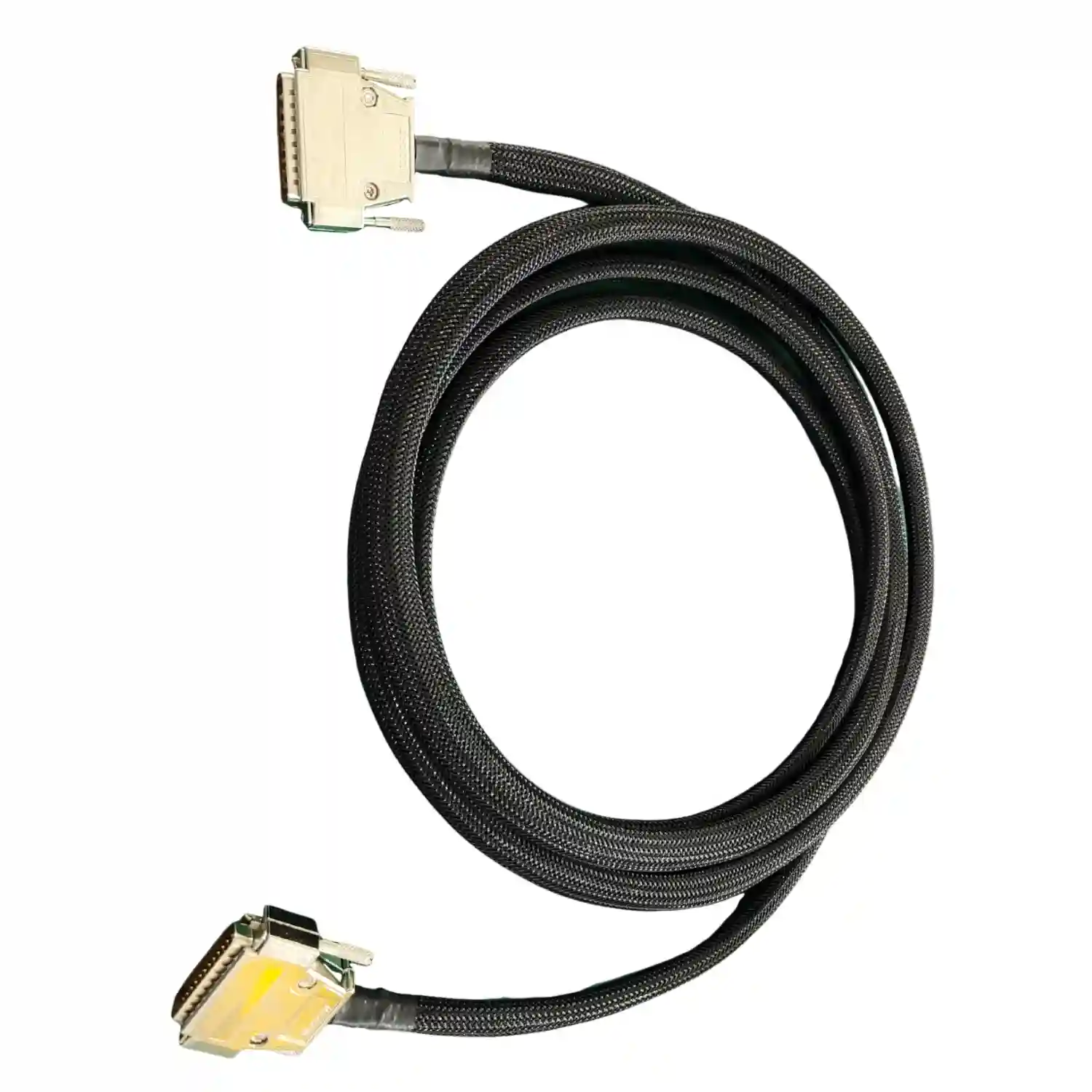
Pag-waterproof ng Wire Harness: Mga Marka ng IP, Paraan ng Pagse-seal at Gabay sa Materyal
Pinapatay ng tubig ang wire harness sa dalawang mekanismo: agarang short circuit at mabagal na kaagnasan. Parehas itong maiiwasan gamit ang tamang paraan ng pagse-seal. Sinasaklaw ng gabay na ito ang pagpili ng IP rating, apat na teknolohiya ng pagse-seal—overmolding, potting, heat shrink boots, at gasket seals—kasama ang pagkukumpara ng materyal at mga protocol ng pagsubok para sa automotive, pandagat, industrial, at panlabas na aplikasyon.
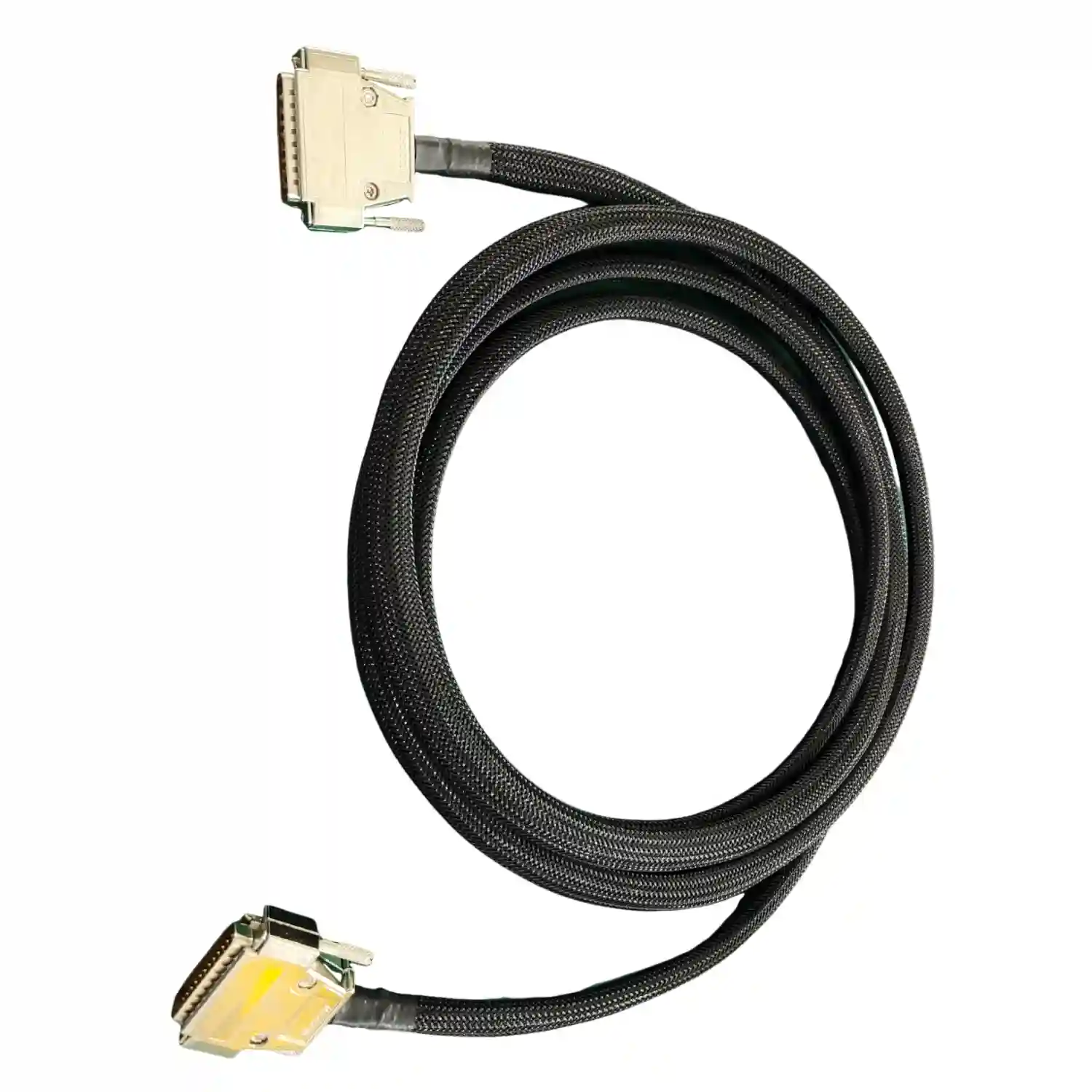
Pang-industriyang wire harness assembly na may waterproof connectors at environmental sealing
ng pagkabigo ng panlabas na harness dulot ng pagpasok ng kahalumigmigan
pinakamababang rating para sa karamihan ng panlabas na wire harness na aplikasyon
mas mahabang buhay-serbisyo na may tamang environmental sealing
gastos sa pag-waterproof bawat yunit depende sa paraan at antas ng IP
Talaan ng Nilalaman
- 1. Bakit Mahalaga ang Pag-waterproof para sa Wire Harness
- 2. Ipinaliwanag ang mga IP Rating: Kung Ano Talaga ang Ibig Sabihin ng mga Numero
- 3. Apat na Paraan ng Pagse-seal para sa Pag-waterproof ng Wire Harness
- 4. Materyales Pangseal: Mga Katangian at Pagpapalitan
- 5. Kinakailangan sa Pag-waterproof Ayon sa Industriya
- 6. Mga Protokol ng Pagsubok sa Pag-waterproof
- 7. Limang Pagkabigo sa Pag-waterproof at Kung Paano Ito Maiiwasan
- 8. Mga Madalas Itanong
Hindi kailangang bahain ng tubig ang wire harness para masira ito. Isang patak lang na dumapo sa crimp terminal ay magsisimula ng galvanic corrosion sa pagitan ng magkaibang metal. Sa loob ng ilang buwan, tataas ang contact resistance. Sa loob ng isang taon, magsisimula ang intermittent failures. Sa loob ng dalawang taon, tuluyang mabibigo ang koneksyon. Ang pagkabigo ay tahimik, unti-unti, at mahal na i-diagnose sa field.
Ang pagpasok ng kahalumigmigan ay umaabot sa humigit-kumulang 35 porsyento ng mga pagkabigo ng wire harness sa panlabas at malupit na kapaligiran. Ang ugat na dahilan ay halos hindi ang mismong konektor—ang mga modernong selyadong konektor mula sa TE, Deutsch, at Amphenol ay mahusay kumilos kapag tama ang pagkakabit. Ang mga pagkabigo ay nagtutuon sa tatlong mahihinang punto: ang junction ng cable-sa-konektor, mid-span splices, at mga pagpasok ng cable jacket kung saan lumalabas ang mga branch mula sa pangunahing trunk.
Ang tamang pagtukoy ng waterproofing ay nangangailangan ng pag-unawa sa IP ratings, pagtutugma ng paraan ng pagse-seal sa iyong dami ng produksyon at pangangailangan sa serbisyo, at pagpili ng mga materyal na makakatagal sa iyong operating environment—hindi lang tubig, kundi UV, kemikal, at thermal cycling. Ibinibigay ng gabay na ito ang datos upang makagawa ka ng mga desisyong iyon sa iyong susunod na wire harness RFQ.
“Ang pinakakaraniwang pagkakamali sa pag-waterproof na nakikita namin ay ang pagtukoy ng selyadong konektor ngunit binabalewala ang punto ng pagpasok ng cable. Ang isang konektor na IP68 na ikinabit sa isang hindi selyadong cable jacket ay parang paglalagay ng pintong hindi tinatablan ng tubig sa dingding na may mga butas. Ang pinakamahinang seal point ang nagtatakda ng aktwal mong IP rating, hindi ang bahaging may pinakamataas na espesipikasyon.”
Hommer Zhao
Direktor ng Engineering
1. Bakit Mahalaga ang Pag-waterproof para sa Wire Harness
Sinisira ng tubig ang mga koneksyong elektrikal sa pamamagitan ng tatlong mekanismo. Una, agarang short circuit kapag maraming tubig ang tumulay sa pagitan ng mga konduktor na may magkaibang potensyal. Pangalawa, galvanic corrosion kapag ang kahalumigmigan ay bumubuo ng electrolyte sa pagitan ng magkaibang metal—karaniwang tinned-copper terminals na ikinabit sa gold-plated contacts, o copper conductors na nakadikit sa aluminum housing. Pangatlo, electrochemical migration kung saan ang ionic contamination sa tubig ay nagiging sanhi ng pagtubo ng metal dendrites sa pagitan ng magkakadikit na konduktor, na nagdudulot ng pagkaantala sa short circuit.
Ang mekanismo ng kaagnasan ay partikular na mapanganib dahil nagdudulot ito ng mga pagkabigo buwan o taon pagkatapos ng pag-install, na nagpapahirap sa root cause analysis. Ang isang wire harness failure analysis ng naagnas na mga terminal ay madalas na nagpapakita na ang orihinal na sealing ay alinman sa mababa ang espesipikasyon o hindi tama ang pagkakalagay.
Gastos ng Pagkabigong Kaugnay ng Kahalumigmigan
- Warranty ng sasakyan: $150–$800 bawat sasakyan para sa harness corrosion claims
- Solar farm: $2,000–$15,000 bawat string failure kabilang ang nawalang kita mula sa henerasyon
- Kagamitang pandagat: $5,000–$50,000 bawat insidente para sa pagkabigo ng navigation o propulsion harness
- Pang-industriyang kontrol: $10,000–$100,000 bawat oras ng hindi planadong downtime mula sa moisture-induced control faults
Ang tamang pag-waterproof ay nagdadagdag ng $0.50 hanggang $8.00 bawat cable assembly depende sa paraan at kinakailangang IP rating. Kung ikukumpara sa isang solong field failure, ang pag-waterproof ay nagbibigay ng return on investment sa loob ng unang warranty claim na naiwasan.
2. Ipinaliwanag ang mga IP Rating: Kung Ano Talaga ang Ibig Sabihin ng mga Numero
Ang Ingress Protection (IP) rating system, na tinukoy ng IEC 60529, ay gumagamit ng dalawang digit. Ang unang digit (0–6) ay nagre-rate ng proteksyon sa solidong partikulo. Ang ikalawang digit (0–9) ay nagre-rate ng proteksyon sa pagpasok ng likido. Para sa mga aplikasyon ng wire harness, pangunahing makikipagtrabaho ka sa antas ng dust protection na 5 at 6, at water protection na antas 4 hanggang 8.
| IP Rating | Dust Protection | Water Protection | Karaniwang Aplikasyon |
|---|---|---|---|
| IP54 | Limitadong pagpasok ng alikabok | Splash-proof mula sa anumang direksyon | Pang-loob na industriyal, HVAC controls |
| IP65 | Dust-tight | Low-pressure water jets | Pangkat panlabas na enclosure, automotive underhood |
| IP66 | Dust-tight | High-pressure water jets | Kagamitang pressure-washed, food processing |
| IP67 | Dust-tight | Pagkalubog hanggang 1m sa loob ng 30 min | Automotive underbody, solar farms, outdoor robotics |
| IP68 | Dust-tight | Tuluyang paglubog (lalim ayon sa espesipikasyon) | Pandagat, subsea, EV battery packs |
| IP69K | Dust-tight | High-pressure, high-temperature spray | Food and beverage washdown, agrikultura |
Karaniwang Maling Pagkakaunawa Tungkol sa IP Rating
Ang IP68 ay hindi awtomatikong may kasamang IP66 (high-pressure jet) na proteksyon. Ang mga pagsubok ay independyente. Kung ang iyong harness ay dapat makaligtas sa parehong paglubog at pressure washing, tukuyin ang IP68 at IP66 na pagsubok, o hilingin ang IP69K para sa pinakamasaklaw na proteksyon.
Para sa mga proyekto sa North America, maaari ka ring makatagpo ng NEMA ratings. Ang NEMA 4 ay halos katumbas ng IP66, ang NEMA 4X ay nagdaragdag ng corrosion resistance, at ang NEMA 6P humigit-kumulang ay katumbas ng IP68. Palaging patunayan ang tiyak na mga kondisyon ng pagsubok sa halip na umasa sa mga talahanayan ng cross-reference, dahil ang mga protokol ng pagsubok ng NEMA at IP ay magkaiba sa metodolohiya.
3. Apat na Paraan ng Pagse-seal para sa Pag-waterproof ng Wire Harness
Nag-aalok ang bawat paraan ng pagse-seal ng iba't ibang pagpapalitan sa antas ng proteksyon, gastos, kakayahang umangkop sa dami ng produksyon, at kakayahang serbisyuhan sa field. Ang tamang pagpipilian ay nakasalalay sa iyong custom cable assembly requirements.
Overmolded Seals
Pinakamahusay para sa IP68Injection-molded thermoplastic o elastomer na direktang ibinubond sa paligid ng junction ng cable-sa-konektor. Lumilikha ng permanenteng, monolitikong seal na walang mga puwang o interface. Maaaring pagsamahin ng multi-shot molding ang matibay na materyal ng housing sa nababaluktot na sealing material sa iisang operasyon.
Lakas
- Pinakamataas na pagiging maaasahan: permanenteng bond inaalis ang mga seal interface
- Nakakamit ang IP68 nang tuloy-tuloy sa mga production run
- Nakakatagal ng 100,000+ thermal cycles nang walang seal degradation
- Nagbibigay ng sabay na strain relief at environmental sealing
Limitasyon
- Gastos sa tooling: $2,000–$8,000 bawat molde
- Hindi kayang serbisyuhan sa field: hindi mapapalitan ang konektor
- Lead time: 3–6 na linggo para sa paunang tooling
- Epektibo lamang sa gastos na higit sa 500–1,000 unit
Potting Compounds
Pinakamahusay para sa Kumplikadong GeometryTwo-part epoxy, polyurethane, o silicone compound na ibinubuhos o ini-inject sa mga enclosure sa paligid ng terminations ng wire. Pinupuno ang lahat ng voids at irregular shapes, nagbibigay ng parehong waterproofing at mechanical protection. Partikular na epektibo para sa pagse-seal ng junction boxes, splice enclosures, at PCB-to-harness interfaces.
Lakas
- Siniselyo ang irregular geometries na hindi maaabot ng mga molde
- Walang pamumuhunan sa tooling: angkop para sa anumang dami
- Nagbibigay ng vibration dampening at thermal management
- Chemical resistance (epoxy) o flexibility (silicone)
Limitasyon
- Hindi na mababawi: ang pag-aayos ay nangangailangan ng pagputol at muling pag-potting
- Oras ng pag-cure: 4–24 oras depende sa compound
- Timbang: nagdadagdag ng malaking masa sa assembly
- Ang exothermic curing ay maaaring makapinsala sa mga bahaging sensitibo sa init
Adhesive-Lined Heat Shrink
Pinakamahusay para sa Mababang DamiDual-wall heat shrink tubing na may panloob na patong ng hot-melt adhesive. Kapag pinainit, umuurong ang panlabas na dingding upang umakma sa profile ng cable at konektor habang natutunaw ang adhesive at pumapasok sa mga puwang, lumilikha ng selyadong hadlang. Magagamit sa karaniwang shrink ratios na 2:1, 3:1, at 4:1 upang mapaunlakan ang iba't ibang transition ng diameter ng konektor-sa-kable.
Lakas
- Walang gastos sa tooling: mga off-the-shelf na sangkap
- Mabilis na aplikasyon: 30–90 segundo bawat seal point
- Nakakamit ang IP67 kapag tama ang pagkakalapat gamit ang adhesive liner
- Kayang ayusin sa field: putulin at muling lagyan ng bagong tubing
Limitasyon
- Nakadepende sa operator: hindi pantay na pag-init nagdudulot ng seal gaps
- Limitado sa IP67: hindi maaasahan ang pressure seal sa mas malalim na lalim
- Nagde-grade ang adhesive sa itaas ng 125°C tuluyang pagkakalantad
- Hindi angkop para sa paulit-ulit na pag-f-flex sa seal point
Gasket at O-Ring Seals
Pinakamahusay para sa Kakayahang SerbisyuhanCompression seals gamit ang elastomer gaskets o O-rings na nakalagay sa machined grooves. Pinipiga ng connector housing ang gasket laban sa panel o mating connector, lumilikha ng kontroladong seal. Ginagamit ng cable glands ang parehong prinsipyo upang i-seal ang cable jacket kung saan ito pumapasok sa isang enclosure.
Lakas
- Lubos na kayang serbisyuhan sa field: idiskonekta at muling kumabit nang walang pinsala
- Maaasahang IP67/IP68 kapag sinikipan sa tamang torque
- Malawak na pagpipilian ng materyal: silicone, EPDM, Viton, neoprene
- Ang mapapalitang seals ay nagpapahaba ng buhay serbisyo ng harness
Limitasyon
- Nangangailangan ng tamang torque: ang kulang na pagsikip ay nagdudulot ng tulo, ang labis na pagsikip ay nasisira ang seal
- Ang mga gasket ay nagde-grade sa UV at ozone exposure sa paglipas ng panahon
- Ang pagganap ng seal ay nakasalalay sa kalidad ng mating surface finish
- Kinakailangan ang pagsasanay sa pag-install upang maabot ang rated IP level
“Sinusubok namin ang bawat waterproof harness sa 1.5 beses ng rated pressure bago ipadala. Ang dahilan ay simple: ang mga kondisyon sa field ay hindi kailanman kasing linis ng test lab. Ang dumi sa gasket surface, ang cable jacket na may bingaw mula sa pag-install, ang connector pins na hindi ganap na nakalapat—lahat ng ito ay nagpapababa ng margin ng iyong seal. Ang pagbuo ng 50 porsyentong safety factor sa pabrika ay nangangahulugang ang harness ay nakakatugon pa rin sa espesipikasyon kapag ang mga kondisyon ay hindi perpekto sa field.”
Hommer Zhao
Direktor ng Engineering
4. Materyales Pangseal: Mga Katangian at Pagpapalitan
Ang materyal na pangseal ay dapat makaligtas hindi lamang sa tubig kundi sa buong operating environment. Ang UV radiation, chemical exposure, sobrang temperatura, at mechanical stress ay lahat nagpapababa ng kalidad ng mga seal sa paglipas ng panahon. Ang pagpili ng tamang materyal para sa iyong wire harness application ay pumipigil sa maagang pagkabigo ng seal.
| Materyal | Saklaw ng Temp | UV Resistance | Chemical Resistance | Gastos | Pinakamahusay Para Sa |
|---|---|---|---|---|---|
| Silicone | −60°C hanggang +200°C | Mahusay | Katamtaman | $$$$ | Aerospace, medikal, high-temp |
| EPDM | −50°C hanggang +150°C | Mahusay | Katamtaman | $$ | Panlabas, solar, agrikultura |
| Viton (FKM) | −20°C hanggang +200°C | Mabuti | Mahusay | $$$$$ | Mga system ng gasolina, plantang kemikal |
| Neoprene (CR) | −40°C hanggang +120°C | Katamtaman | Mabuti | $$ | Pandagat, oil-exposed environments |
| TPE | −40°C hanggang +100°C | Katamtaman | Katamtaman | $ | Consumer, pangkalahatang industriyal |
| Polyurethane | −40°C hanggang +80°C | Mahina | Mabuti | $$ | Potting, abrasion-heavy environments |
Pamantayan sa Pagpili ng Materyal
Para sa karamihan ng panlabas na aplikasyong pang-industriya, nagbibigay ang EPDM ng pinakamahusay na balanse ng gastos, UV resistance, at saklaw ng temperatura. Mag-upgrade sa silicone kapag lumampas ang temperatura sa 150°C o kinakailangan ang medical/aerospace traceability. Gamitin lamang ang Viton kapag mayroong fuel, hydraulic fluid, o agresibong solvents.
5. Kinakailangan sa Pag-waterproof Ayon sa Industriya
Ang iba't ibang industriya ay humaharap sa magkakaibang kondisyon ng pagkakalantad sa kahalumigmigan. Ang isang automotive underbody harness ay nakakakita ng spray ng kalsada at asin ngunit hindi tuluyang paglubog. Ang isang marine harness ay humaharap sa tuluy-tuloy na salt fog at posibleng paglubog. Ang pagtutugma ng espesipikasyon ng waterproofing sa aktwal na mga kondisyon ng operasyon ay umiiwas sa kapwa under-protection at sobrang paggasta.
Automotive
- Underhood: IP65–IP67, −40°C hanggang +125°C
- Underbody: IP67, salt spray 1,000+ oras
- Panloob: IP54, proteksyon laban sa splash lamang
- EV battery: IP68 sa 1m sa loob ng 24 oras pinakamababa
- Pamantayan: SAE J1128, LV 124, VW 80000
Pandagat at Malayo sa Pampang
- Kagamitan sa kubyerta: IP66–IP68, salt fog 3,000+ oras
- Sa ilalim ng waterline: IP68 sa rated depth, tuloy-tuloy
- Materyales: Tinned copper, marine-grade jackets
- Konektor: Deutsch DT/DTP, Amphenol Marine
- Pamantayan: IEC 60945, DNV GL, Lloyd's Register
Solar at Renewable Energy
- String harness: IP67, UV 20+ taon buhay
- Inverter cable: IP65, high-temperature rated
- Konektor: MC4 (IP67 kapag kinabit), H4
- Jacket: XLPE o LSZH, UV-stabilized itim
- Pamantayan: UL 4703, EN 50618, TUV 2Pfg
Pang-industriyal at Pagproseso ng Pagkain
- Washdown zones: IP66–IP69K, chemical resistant
- Panlabas na kontrol: IP65–IP67, UV resistant
- Konektor: M12, M8 circular sealed connectors
- Materyales: Stainless steel glands, FKM seals
- Pamantayan: IEC 60529, ECOLAB certified (pagkain)
6. Mga Protokol ng Pagsubok sa Pag-waterproof
Ang tamang wire harness quality testing para sa waterproofing ay lumalampas sa simpleng dunk test. Pinapatunayan ng komprehensibong protocol ang integridad ng seal sa ilalim ng thermal, mechanical, at chemical stresses na mararanasan ng harness sa serbisyo.
Visual Inspection (Bago ang Pagsubok)
Siyasatin ang lahat ng seal point sa ilalim ng magnipikasyon para sa adhesive voids, mold flash gaps, hindi kumpletong heat shrink recovery, at nasira na O-rings. Tanggihan ang anumang yunit na may nakikitang depekto sa seal bago ang wet testing.
Thermal Cycling
Paikutin ang selyadong harness mula −40°C hanggang +85°C (o pinakamataas na operating temp) para sa minimum na 10 mga siklo. Ang thermal expansion at contraction ay nagdidiin sa mga seal interface, na inilalantad ang mga kahinaan sa bonding bago ang immersion testing.
Immersion Test (IEC 60529)
Para sa IP67: ilubog sa 1 metro ang lalim sa loob ng 30 minuto. Para sa IP68: ilubog sa itinakdang lalim ng tagagawa para sa tinukoy na tagal. Subaybayan ang pagbuo ng bula habang nakalubog. Pagkatapos alisin, sukatin ang insulation resistance sa pagitan ng lahat ng konduktor at housing (dapat lumampas sa 100 megohms).
Pressure Decay Test
I-pressurize ang selyadong assembly sa 1.5 beses ng rated pressure at subaybayan sa loob ng 60 segundo. Katanggap-tanggap na leak rate ay mas mababa sa 10 Pa pressure drop bawat segundo. Ito ang pinakamabilis na pagsusuri sa linya ng produksyon para sa pagpapatunay ng integridad ng seal.
Salt Spray Test (ASTM B117)
Para sa automotive at marine applications, ilantad ang mga selyadong harness sa 5% NaCl salt fog sa 35°C sa loob ng 500–3,000 oras depende sa target na kapaligiran. Pagkatapos ng exposure, patunayan na ang contact resistance ay hindi tumaas nang higit sa 5 milliohms sa anumang terminal.
“Nahuhuli ng pressure decay testing ang 98 porsyento ng mga depekto sa seal sa mas mababa sa dalawang minuto sa linya ng produksyon. Ito ang pinakamahusay na cost-effective na quality gate para sa waterproof harnesses. Bawat yunit ay pinapadala matapos subukan. Ang alternatibo—mga field failure sa mga aplikasyon na hindi mo madaling mapuntahan para sa pag-aayos—ay nagkakahalaga ng napakalaking halaga.”
Hommer Zhao
Direktor ng Engineering
7. Limang Pagkabigo sa Pag-waterproof at Kung Paano Ito Maiiwasan
1. Breathing Effect (Thermal Pumping)
Ang pagbabago ng temperatura ay nagiging sanhi ng paglawak at pag-urong ng hangin sa loob ng selyadong enclosure. Ang paglamig ay lumilikha ng negatibong presyon na humihila ng kahalumigmigan sa pamamagitan ng mikroskopikong mga imperpeksyon sa seal. Ito ang pinakakaraniwang dahilan ng pagpasok ng kahalumigmigan sa mga selyadong harness assemblies na pumasa sa paunang IP testing ngunit nabigo pagkatapos ng 6–12 buwan sa field.
Pag-iwas: Gumamit ng breather valves (Gore-Tex vents) na nagpapahintulot sa pressure equalization habang hinahadlangan ang likidong tubig, o tumukoy ng hermetic seals na ganap na nag-aalis ng palitan ng hangin.
2. Cable Jacket Wicking
Ang tubig ay naglalakbay sa pagitan ng cable jacket at indibidwal na konduktor insulation sa pamamagitan ng capillary action. Kahit isang perpektong selyadong konektor ay maaaring mapasok ng tubig sa loob kung ang cable jacket ay hindi na-sealed kung saan ito pumapasok sa connector backshell. Partikular na mahina ang multi-conductor cables na may hindi pinunong interstices.
Pag-iwas: Tukuyin ang filled cables (gel o powder-filled interstices) para sa mga basang kapaligiran. Ilapat ang adhesive-lined heat shrink o overmolding sa ibabaw ng entry point ng cable jacket, hindi lamang sa interface ng konektor.
3. Seal Compression Set
Ang mga elastomer seal ay permanenteng nagde-deform sa ilalim ng tuluy-tuloy na compression, lalo na sa mataas na temperatura. Kapag lumampas ang compression set sa 40–60 porsyento ng orihinal na cross-section, ang gasket ay hindi na nagbibigay ng sapat na puwersa ng sealing. Pinapabilis ng mataas na temperatura ang degradasyong ito.
Pag-iwas: Pumili ng mga materyal na may mababang halaga ng compression set para sa operating temperature. Pinapanatili ng silicone ang <15% compression set sa 150°C; pinapanatili ng EPDM ang <25% sa 100°C. Idisenyo ang groove geometry upang limitahan ang compression ng seal sa 20–30% ng cross-section.
4. UV Degradation ng Seal Material
Ang ultraviolet radiation ay sumisira ng polymer chains sa mga nakalantad na seal material. Ang neoprene at polyurethane ay partikular na mahina, nagpapakita ng pagbitak at surface chalking sa loob ng 2–5 taon ng panlabas na UV exposure. Kapag nabitak ang ibabaw, nakakahanap ang tubig ng landas sa pamamagitan ng nakompromisong seal.
Pag-iwas: Gumamit ng EPDM o silicone para sa mga panlabas na nakalantad na seal. Magdagdag ng UV-stabilized overjackets o protective boots sa mga seal area. Para sa mga aplikasyon ng solar energy, tukuyin ang 25-taong UV-rated na mga materyal mula sa yugto ng disenyo.
5. Hindi Tamang Pag-install ng Cable Gland
Ang cable glands ay ang pinakakaraniwang field-installed waterproofing component, at ang pinakakaraniwang mali ang pagkaka-install. Ang paggamit ng gland na may maling sukat para sa cable diameter, ang hindi pagsikip sa tinukoy na torque, o ang pag-alis ng sealing insert ay lahat nagreresulta sa pagkawala ng IP rating. Kahit na isang gland na may tamang sukat na may 80 porsyento ng tinukoy na torque ay maaaring bumaba mula IP68 patungong IP54.
Pag-iwas: Tukuyin ang eksaktong cable gland part numbers sa assembly drawings. Isama ang mga halaga ng torque at markahan ang witness lines pagkatapos ng pag-install. Gumamit ng split-type sealing inserts para sa multi-cable entries. Sanayin ang mga installation crew sa IP-critical torque requirements.
8. Mga Madalas Itanong
Anong IP rating ang kailangan ko para sa panlabas na wire harness?
Karamihan sa mga aplikasyon ng panlabas na wire harness ay nangangailangan ng minimum na IP65, na nagpoprotekta laban sa low-pressure water jets mula sa anumang direksyon. Para sa mga kagamitang nakalantad sa malakas na ulan, pressure washing, o pansamantalang paglubog, tukuyin ang IP67. Ang mga aplikasyong pandagat at sa ilalim ng tubig ay karaniwang nangangailangan ng IP68, na may rating para sa tuluyang paglubog sa tinukoy na lalim at tagal na napagkasunduan sa tagagawa.
Ano ang pagkakaiba ng IP67 at IP68 para sa cable assemblies?
Ang IP67 ay nangangahulugang ang cable assembly ay maaaring makaligtas sa pansamantalang paglubog sa tubig hanggang 1 metro ang lalim sa loob ng 30 minuto. Ang IP68 ay nangangahulugang ito ay makakayanan ang tuluyang paglubog sa isang lalim at tagal na tinukoy ng tagagawa, karaniwang 1.5 hanggang 10 metro para sa mahabang panahon. Parehong nagbibigay ng kumpletong proteksyon laban sa alikabok. Ang pagkakaiba sa gastos ay karaniwang 15 hanggang 30 porsyento para sa IP68 sa halip na IP67 dahil sa karagdagang pangangailangan sa pagse-seal.
Maaari ko bang i-waterproof ang isang umiiral na wire harness sa field?
Ang pag-waterproof sa field ay posible para sa pansamantalang pag-aayos ngunit hindi kailanman tumutugma sa factory-sealed quality. Ang mga opsyon ay kinabibilangan ng adhesive-lined heat shrink tubing sa mga splice point, self-amalgamating silicone tape, o two-part potting compound na inilapat sa mga field-serviceable enclosures. Para sa anumang aplikasyong kritikal sa kaligtasan, palitan ang harness ng factory-sealed unit na nasubok sa kinakailangang IP rating.
Aling paraan ng pagse-seal ang nagbibigay ng pinakamahusay na waterproofing para sa wire harness?
Ang overmolded seals ay nagbibigay ng pinakamataas na pagiging maaasahan dahil ang seal ay isang permanenteng bond na walang mga interface. Patuloy nilang nakakamit ang IP68 at nakakatagal ng higit sa 100,000 thermal cycles. Gayunpaman, nangangailangan sila ng pamumuhunan sa tooling na $2,000–$8,000 bawat molde, na ginagawa itong cost-effective lamang sa higit sa 500–1,000 unit. Para sa mas mababang volume, ang compression gaskets na may selyadong konektor ay nag-aalok ng pagganap ng IP67 nang walang gastos sa tooling.
Paano ko susubukin ang waterproofing ng wire harness?
Sumusunod ang pagsubok sa mga pamantayan ng IEC 60529. Para sa IP67, ilubog ang selyadong harness sa 1 metro lalim sa loob ng 30 minuto at patunayan na walang anumang pagpasok ng tubig gamit ang insulation resistance measurements. Para sa produksyon ng pagsubok, pinakamabilis ang pressure decay testing: i-pressurize sa 1.5x rated pressure at subaybayan sa loob ng 60 segundo. Bukod pa rito, mag-thermal cycle bago ang immersion testing upang i-stress ang seal interfaces, dahil ang mga pagbabago sa temperatura ay lumilikha ng pagkakaiba sa presyon na nagpapakita ng mahihinang seal.
Mga Sanggunian at Pamantayan
- IEC 60529: Degrees of Protection Provided by Enclosures (IP Code)
- NEMA 250: Enclosures for Electrical Equipment (1,000 Volts Maximum)
- ASTM B117: Standard Practice for Operating Salt Spray (Fog) Apparatus
- SAE J1128: Low Voltage Primary Cable for automotive wire harness applications
Kailangan ng Waterproof Wire Harness?
Kami ay gumagawa ng IP67 at IP68 rated wire harnesses na may overmolded, potted, at gasket-sealed na mga opsyon. Ibahagi ang iyong pangangailangan sa kapaligiran at irerekomenda namin ang pinaka-cost-effective na solusyon sa waterproofing para sa iyong aplikasyon.