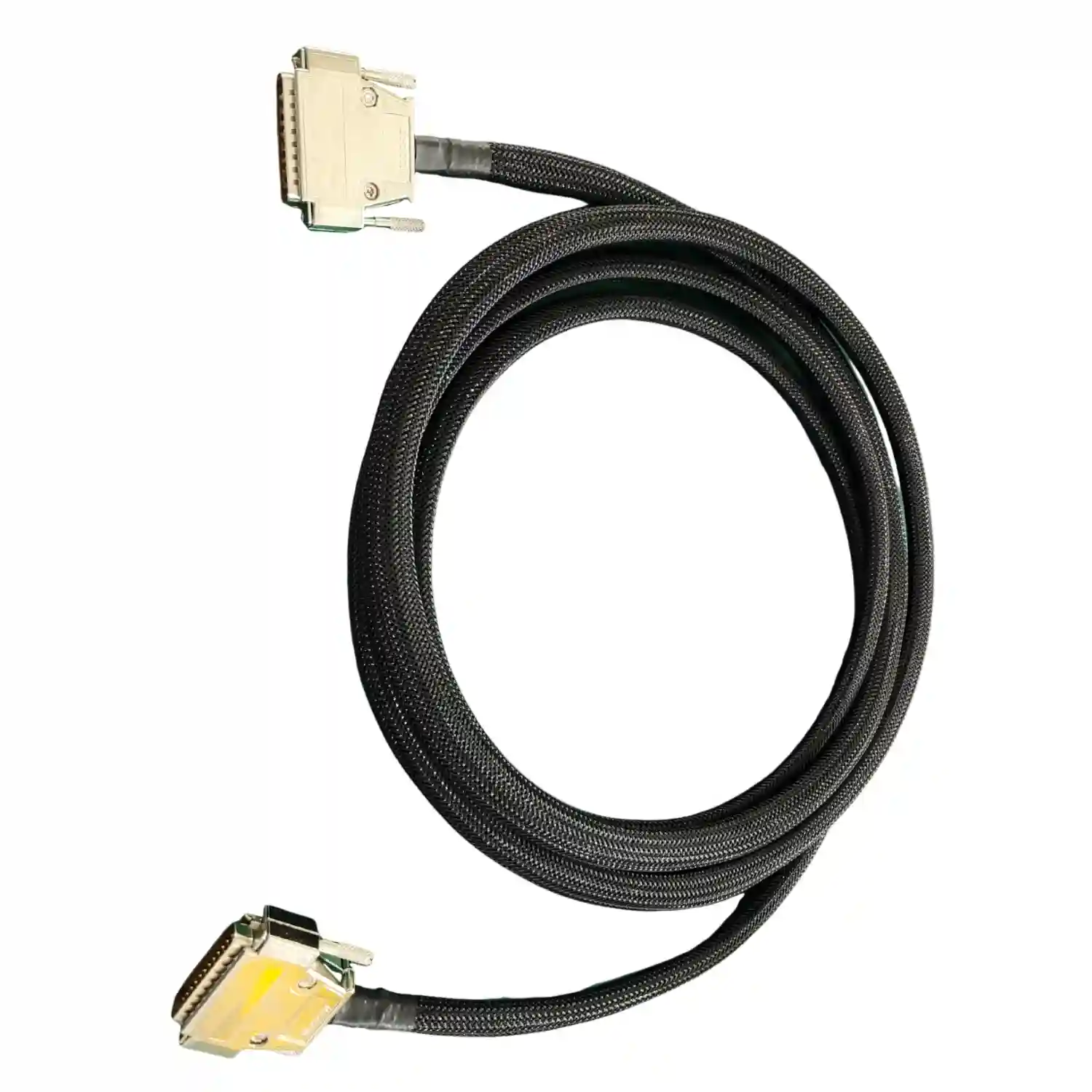
Impermeabilizarea cablajelor: Ghid de rating IP, metode de etanșare & materiale
Apa distruge cablajele prin două mecanisme: scurtcircuite imediate și coroziune lentă. Ambele pot fi prevenite cu metoda corectă de etanșare. Acest ghid acoperă selecția ratingului IP, patru tehnologii de etanșare—supramulare, înglobare, manșoane termocontractibile și garnituri—alături de comparații de materiale și protocoale de testare pentru aplicații auto, marine, industriale și exterioare.
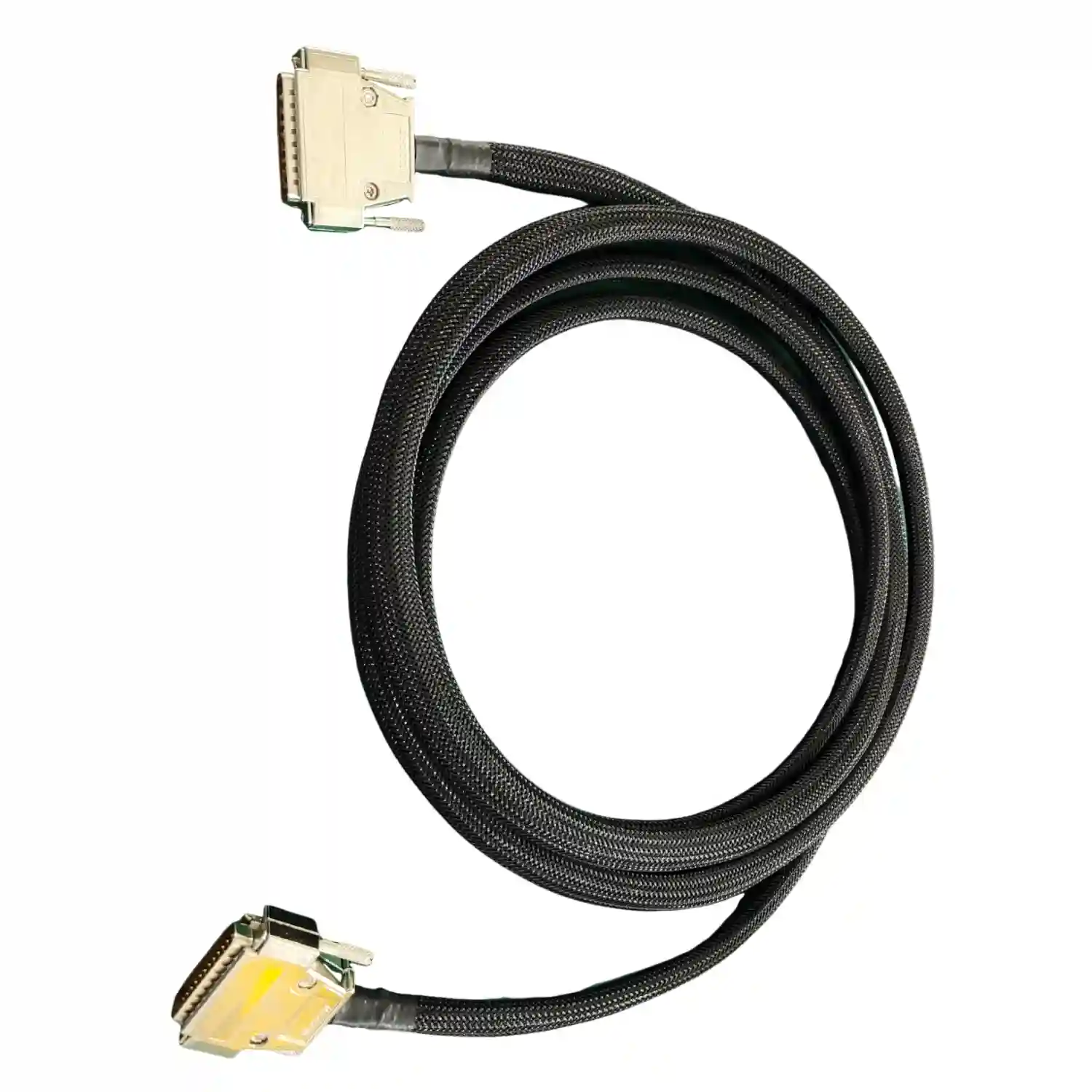
Ansamblu de cablaj industrial cu conectori impermeabili și etanșare de mediu
din defecțiunile cablajelor exterioare cauzate de infiltrarea apei
rating minim pentru majoritatea aplicațiilor de cablaj exterior
durată de viață mai lungă cu etanșare ambientală corespunzătoare
cost pe unitate pentru impermeabilizare, în funcție de metodă și nivelul IP
Cuprins
- 1. De ce este importantă impermeabilizarea cablajelor
- 2. Ratinguri IP explicate: Ce înseamnă cifrele cu adevărat
- 3. Patru metode de etanșare pentru impermeabilizarea cablajelor
- 4. Materiale de etanșare: Proprietăți și compromisuri
- 5. Cerințe de impermeabilizare pe industrii
- 6. Protocoale de testare a impermeabilizării
- 7. Cinci defecțiuni tipice ale impermeabilizării și cum să le preveniți
- 8. Întrebări frecvente
Apa nu trebuie să inunde un cablaj pentru a-l distruge. O singură picătură care ajunge la un terminal sertizat declanșează coroziunea galvanică între metale diferite. În câteva luni, rezistența de contact crește. Într-un an, încep defecțiunile intermitente. În doi ani, conexiunea cedează complet. Defecțiunea este silențioasă, progresivă și costisitoare de diagnosticat pe teren.
Infiltrarea apei reprezintă aproximativ 35% din defecțiunile cablajelor pe teren în aplicațiile exterioare și în medii dificile. Cauza principală nu este aproape niciodată conectorul în sine—conectorii etanși moderni de la TE, Deutsch și Amphenol funcționează bine când sunt cuplați corespunzător. Defecțiunile se concentrează în trei puncte slabe: joncțiunea cablu-conector, joncțiunile de îmbinare din traseu și penetrările mantalei cablului unde ramificațiile ies din trunchiul principal.
Specificarea corectă a impermeabilizării necesită înțelegerea ratingurilor IP, potrivirea metodei de etanșare la volumul de producție și cerințele de utilizare și selectarea materialelor care rezistă în mediul de operare—nu doar la apă, ci și la UV, substanțe chimice și cicluri termice. Acest ghid vă oferă datele necesare pentru a lua aceste decizii la următoarea dvs. cerere de ofertă pentru cablaje.
"Cea mai frecventă greșeală de impermeabilizare pe care o vedem este specificarea unui conector etanș, dar ignorarea punctului de intrare al cablului. Un conector IP68 cuplat la o manta de cablu neetanșată este ca și cum ai instala o ușă etanșă într-un perete cu găuri. Punctul cel mai slab de etanșare dictează ratingul IP real, nu componenta cu specificația cea mai înaltă."
Hommer Zhao
Director de Inginerie
1. De ce este importantă impermeabilizarea cablajelor
Apa deteriorează conexiunile electrice prin trei mecanisme. Primul: scurtcircuite imediate când apa în volum mare face legătura între conductori la potențiale diferite. Al doilea: coroziune galvanică atunci când umiditatea creează un electrolit între metale diferite—de obicei terminale de cupru cositorit cuplate cu contacte placate cu aur, sau conductori de cupru în contact cu carcase de aluminiu. Al treilea: migrarea electrochimică, în care contaminarea ionică din apă determină creșterea dendritelor metalice între conductori apropiați, producând scurtcircuite întârziate.
Mecanismul de coroziune este deosebit de periculos deoarece produce defecțiuni la luni sau ani după instalare, făcând analiza cauzei rădăcină dificilă. O analiză a defecțiunilor cablajelor la terminale corodate arată adesea că etanșarea inițială a fost fie subdimensionată, fie instalată necorespunzător.
Costul defecțiunilor legate de umiditate
- Garanție auto: 150–800 USD pe vehicul pentru reclamații de coroziune a cablajelor
- Parc solar: 2.000–15.000 USD per defecțiune de string, inclusiv pierderi de generare
- Echipamente marine: 5.000–50.000 USD pe incident pentru defecțiuni ale cablajelor de navigație sau propulsie
- Comenzi industriale: 10.000–100.000 USD pe oră de oprire neplanificată din cauza defectelor de comandă induse de umiditate
Impermeabilizarea adecvată adaugă între 0,50 și 8,00 USD pe ansamblu de cablu, în funcție de metodă și ratingul IP necesar. În comparație cu o singură defecțiune pe teren, impermeabilizarea oferă o rentabilitate a investiției încă de la prima reclamație de garanție evitată.
2. Ratinguri IP explicate: Ce înseamnă cifrele cu adevărat
Sistemul de rating Ingress Protection (IP), definit de IEC 60529, utilizează două cifre. Prima cifră (0–6) evaluează protecția împotriva particulelor solide. A doua cifră (0–9) evaluează protecția împotriva pătrunderii lichidelor. Pentru aplicațiile cu cablaje, veți lucra în principal cu nivelurile de protecție împotriva prafului 5 și 6 și cu nivelurile de protecție la apă de la 4 la 8.
| Rating IP | Protecția la praf | Protecția la apă | Aplicații tipice |
|---|---|---|---|
| IP54 | Pătrundere limitată a prafului | Protejat împotriva stropirii din orice direcție | Industrial interior, comenzi HVAC |
| IP65 | Etanș la praf | Jeturi de apă la presiune scăzută | Carcase exterioare, sub capotă auto |
| IP66 | Etanș la praf | Jeturi de apă la presiune mare | Echipamente spălate cu presiune, industria alimentară |
| IP67 | Etanș la praf | Imersie până la 1 m timp de 30 min | Partea inferioară auto, parcuri solare, robotică exterioară |
| IP68 | Etanș la praf | Imersie continuă (adâncime conform specificațiilor) | Marin, subacvatic, pachete baterii EV |
| IP69K | Etanș la praf | Stropire la presiune mare, temperatură ridicată | Spălare în industria alimentară și a băuturilor, agricolă |
Concepție greșită frecventă despre ratingurile IP
IP68 nu include automat protecția IP66 (jeturi de presiune mare). Testele sunt independente. Dacă cablajul dvs. trebuie să reziste atât la imersie, cât și la spălare cu presiune, specificați testarea IP68 și IP66, sau solicitați IP69K pentru cea mai cuprinzătoare protecție.
Pentru proiectele din America de Nord, puteți întâlni și ratingurile NEMA. NEMA 4 este aproximativ echivalent cu IP66, NEMA 4X adaugă rezistență la coroziune, iar NEMA 6P corespunde aproximativ IP68. Verificați întotdeauna condițiile specifice de testare în loc să vă bazați pe tabele de echivalență, deoarece protocoalele de testare NEMA și IP diferă ca metodologie.
3. Patru metode de etanșare pentru impermeabilizarea cablajelor
Fiecare metodă de etanșare oferă compromisuri diferite în ceea ce privește nivelul de protecție, costul, adecvarea pentru volumul de producție și mentenanța pe teren. Alegerea corectă depinde de cerințele dvs. pentru ansambluri de cabluri personalizate.
Garnituri supramulate
Cel mai bun pentru IP68Material termoplastic sau elastomer turnat prin injecție, fixat direct în jurul joncțiunii cablu-conector. Creează o etanșare permanentă, monolitică, fără goluri sau interfețe. Turnarea secvențială poate combina materialul rigid al carcasei cu materialul flexibil de etanșare într-o singură operațiune.
Avantaje
- Cea mai mare fiabilitate: legătura permanentă elimină interfețele de etanșare
- Atinge IP68 constant pe seriile de producție
- Rezistă la peste 100.000 de cicluri termice fără degradarea etanșării
- Oferă simultan protecție la tracțiune și etanșare ambientală
Limitări
- Cost scule: 2.000–8.000 USD per matriță
- Nu poate fi reparat pe teren: conectorul nu se poate înlocui
- Timp de execuție: 3–6 săptămâni pentru sculele inițiale
- Economic doar pentru peste 500–1.000 de unități
Compuși de înglobare
Cel mai bun pentru geometrii complexeCompus epoxidic bicomponent, poliuretan sau silicon turnat sau injectat în carcase în jurul terminațiilor firelor. Umple toate golurile și formele neregulate, oferind atât impermeabilizare, cât și protecție mecanică. Deosebit de eficient pentru etanșarea cutiilor de joncțiune, carcaselor de îmbinare și interfețelor PCB-cablaj.
Avantaje
- Etanșează geometrii neregulate pe care matrițele nu le pot atinge
- Fără investiții în scule: potrivit pentru orice volum
- Oferă amortizare a vibrațiilor și management termic
- Rezistență chimică (epoxidic) sau flexibilitate (silicon)
Limitări
- Ireversibil: reparațiile necesită tăierea și reînglobarea
- Timp de întărire: 4–24 ore în funcție de compus
- Greutate: adaugă masă semnificativă ansamblului
- Întărirea exotermă poate deteriora componentele termo-sensibile
Bandă termocontractibilă cu adeziv
Cel mai bun pentru volume miciTub termocontractibil cu pereți dubli, având un strat interior de adeziv termofuzibil. Când este încălzit, peretele exterior se contractă pentru a se conforma profilului cablului și conectorului, în timp ce adezivul se topește și curge în goluri, creând o barieră etanșă. Disponibil în rapoarte de contracție standard de 2:1, 3:1 și 4:1 pentru a acomoda tranziții diferite de diametru conector-cablu.
Avantaje
- Cost zero pentru scule: componente din stoc
- Aplicare rapidă: 30–90 secunde pe punct de etanșare
- Atinge IP67 când este aplicat corect cu garnitură adezivă
- Reparabil pe teren: se taie și se reaplică un tub nou
Limitări
- Dependent de operator: încălzirea neuniformă cauzează goluri de etanșare
- Limitat la IP67: etanșarea la presiune nu este fiabilă la adâncimi mai mari
- Adezivul se degradează la expuneri continue peste 125°C
- Nu este potrivit pentru flexiuni repetate la punctul de etanșare
Garnituri și inele de etanșare O-ring
Cel mai bun pentru mentenabilitateEtanșări prin compresie folosind garnituri din elastomeri sau inele O-ring așezate în caneluri prelucrate. Carcasa conectorului comprimă garnitura pe panou sau pe conectorul de împerechere, creând o etanșare controlată. Presetupele pentru cabluri folosesc același principiu pentru a etanșa mantaua cablului la intrarea într-o carcasă.
Avantaje
- Complet serviceabil pe teren: se deconectează și se reconectează fără deteriorare
- IP67/IP68 fiabil când este strâns la cuplul specificat
- Opțiuni variate de materiale: silicon, EPDM, Viton, neopren
- Garniturile înlocuibile prelungesc durata de viață a cablajului
Limitări
- Necesită cuplu corect: strângerea insuficientă produce scurgeri, strângerea excesivă deteriorează garnitura
- Garniturile se degradează în timp la expunerea UV și ozon
- Performanța etanșării depinde de calitatea finisajului suprafețelor de împerechere
- Este necesară instruirea personalului de instalare pentru atingerea nivelului IP nominal
"Testăm fiecare cablaj impermeabil la 1,5 ori presiunea nominală înainte de expediere. Motivul este simplu: condițiile de teren nu sunt niciodată la fel de curate ca laboratorul de testare. Murdăria pe suprafața unei garnituri, o manta de cablu crestată la instalare, pinii conectorului neintroduși complet — toate acestea reduc marja de etanșare. Incorporarea unui factor de siguranță de 50% în fabrică înseamnă că ansamblul de cablaj încă îndeplinește specificațiile atunci când condițiile sunt mai puțin decât perfecte pe teren."
Hommer Zhao
Director de Inginerie
4. Materiale de etanșare: Proprietăți și compromisuri
Materialul de etanșare trebuie să reziste nu doar la apă, ci la întregul mediu de operare. Radiațiile UV, expunerea chimică, temperaturile extreme și solicitarea mecanică degradează etanșările în timp. Selectarea materialului potrivit pentru aplicația dvs. de cablaj previne defectarea prematură a etanșării.
| Material | Interval de temperatură | Rezistență UV | Rezistență chimică | Cost | Cel mai potrivit pentru |
|---|---|---|---|---|---|
| Silicon | −60°C până la +200°C | Excelentă | Moderată | $$$$ | Aerospațial, medical, temperaturi ridicate |
| EPDM | −50°C până la +150°C | Excelentă | Moderată | $$ | Exterior, solar, agricol |
| Viton (FKM) | −20°C până la +200°C | Bună | Excelentă | $$$$$ | Sisteme de combustibil, uzine chimice |
| Neopren (CR) | −40°C până la +120°C | Moderată | Bună | $$ | Marin, medii cu expunere la ulei |
| TPE | −40°C până la +100°C | Moderată | Moderată | $ | Consum, industrial general |
| Poliuretan | −40°C până la +80°C | Slabă | Bună | $$ | Înglobare, medii cu abraziune intensă |
Regula de bază pentru selecția materialelor
Pentru majoritatea aplicațiilor industriale exterioare, EPDM oferă cel mai bun echilibru între cost, rezistență UV și interval de temperatură. Trecerea la silicon se face atunci când temperaturile depășesc 150°C sau este necesară trasabilitatea medicală/aerospațială. Utilizați Viton doar atunci când sunt prezenți combustibili, lichide hidraulice sau solvenți agresivi.
5. Cerințe de impermeabilizare pe industrii
Diferitele industrii se confruntă cu condiții diferite de expunere la umiditate. Un cablaj auto de sub caroserie este expus la stropirea de pe drum și sare, dar nu la imersie susținută. Un cablaj marin se confruntă cu ceață salină continuă și posibilă imersie. Potrivirea specificațiilor de impermeabilizare la condițiile reale de operare evită atât subprotecția, cât și cheltuielile excesive.
Automotive
- Sub capotă: IP65–IP67, −40°C până la +125°C
- Sub caroserie: IP67, ceață salină 1.000+ ore
- Interior: IP54, doar protecție la stropire
- Baterie EV: IP68 la 1m timp de 24 ore minimum
- Standarde: SAE J1128, LV 124, VW 80000
Marin & Offshore
- Echipament de punte: IP66–IP68, ceață salină 3.000+ ore
- Sub linia de plutire: IP68 la adâncimea nominală, continuu
- Materiale: Cupru cositorit, mantale de calitate marină
- Conectori: Deutsch DT/DTP, Amphenol Marine
- Standarde: IEC 60945, DNV GL, Lloyd's Register
Solar & Energie regenerabilă
- Cablaj string: IP67, durată de viață UV 20+ ani
- Cablu invertor: IP65, evaluat la temperatură înaltă
- Conectori: MC4 (IP67 când sunt cuplați), H4
- Manta: XLPE sau LSZH, negru stabilizat UV
- Standarde: UL 4703, EN 50618, TUV 2Pfg
Industrial & Industria alimentară
- Zone de spălare: IP66–IP69K, rezistent la chimicale
- Comenzi exterioare: IP65–IP67, rezistent la UV
- Conectori: Conectori circulari etanși M12, M8
- Materiale: Presetupe din oțel inoxidabil, garnituri FKM
- Standarde: IEC 60529, certificat ECOLAB (alimentar)
6. Protocoale de testare a impermeabilizării
Testarea corectă a calității cablajelor pentru impermeabilizare depășește simplul test de imersie. Un protocol cuprinzător validează integritatea etanșării sub solicitările termice, mecanice și chimice pe care cablajul le va întâlni în exploatare.
Inspecție vizuală (pre-test)
Inspectați toate punctele de etanșare sub lupă pentru goluri de adeziv, defecte de umplere a matriței, recuperare incompletă a termocontractibilului și inele O-ring deteriorate. Respingeți orice unitate cu defecte vizibile de etanșare înainte de testarea umedă.
Ciclare termică
Ciclați cablajul etanșat de la −40°C la +85°C (sau temperatura maximă de operare) pentru minimum 10 cicluri. Expansiunea și contracția termică solicită interfețele de etanșare, dezvăluind slăbiciunile de aderență înainte de testarea la imersie.
Test de imersie (IEC 60529)
Pentru IP67: imersie la adâncimea de 1 metru timp de 30 de minute. Pentru IP68: imersie la adâncimea specificată de producător pentru durata specificată. Monitorizați formarea de bule în timpul imersiei. După scoatere, măsurați rezistența de izolație între toți conductorii și carcasă (trebuie să depășească 100 de megaohmi).
Test de cădere de presiune
Presurizați ansamblul etanșat la 1,5 ori presiunea nominală și monitorizați timp de 60 de secunde. Rata de scurgere acceptabilă este mai mică de 10 Pa cădere de presiune pe secundă. Acesta este cel mai rapid test pe linia de producție pentru verificarea integrității etanșării.
Test de ceață salină (ASTM B117)
Pentru aplicațiile auto și marine, expuneți cablajele etanșate la ceață salină cu 5% NaCl la 35°C timp de 500–3.000 de ore, în funcție de mediul țintă. După expunere, verificați dacă rezistența de contact nu a crescut cu mai mult de 5 miliohmi pe niciun terminal.
"Testarea căderii de presiune detectează 98% din defectele de etanșare în mai puțin de două minute pe linia de producție. Este cel mai eficient punct de control al calității pentru cablajele impermeabile. Fiecare unitate este expediată testată. Alternativa — defecțiuni pe teren în aplicații unde accesul pentru reparații este dificil — costă ordine de mărime mai mult."
Hommer Zhao
Director de Inginerie
7. Cinci defecțiuni tipice ale impermeabilizării și cum să le preveniți
1. Efectul de respirație (pompare termică)
Schimbările de temperatură determină expansiunea și contracția aerului din interiorul unei incinte etanșe. Răcirea creează o presiune negativă care aspiră umiditatea prin imperfecțiunile microscopice ale etanșării. Aceasta este cea mai frecventă cauză a infiltrației apei în ansamblurile de cabluri etanșate care trec testele IP inițiale, dar cedează după 6–12 luni în teren.
Prevenire: Utilizați supape de respirație (orificii Gore-Tex) care permit egalizarea presiunii în timp ce blochează apa lichidă, sau specificați garnituri ermetice care elimină complet schimbul de aer.
2. Capilaritatea prin mantaua cablului
Apa se deplasează între mantaua cablului și izolația individuală a conductorilor prin capilaritate. Chiar și un conector perfect etanș poate inunda intern dacă mantaua cablului nu este etanșată acolo unde intră în partea din spate a conectorului. Cablurile multiconductor cu interstiții neumplute sunt deosebit de vulnerabile.
Prevenire: Specificați cabluri umplute (interstiții umplute cu gel sau pulbere) pentru medii umede. Aplicați bandă termocontractibilă cu adeziv sau supramulare peste punctul de intrare a mantalei cablului, nu doar la interfața conectorului.
3. Deformarea permanentă a garniturii (compression set)
Garniturile din elastomeri se deformează permanent sub compresie susținută, în special la temperaturi ridicate. După ce deformarea permanentă depășește 40–60% din secțiunea transversală originală, garnitura nu mai oferă o forță de etanșare adecvată. Mediile cu temperaturi ridicate accelerează această degradare.
Prevenire: Alegeți materiale de etanșare cu valori reduse de deformare permanentă la temperatura de operare. Siliconul menține <15% deformare permanentă la 150°C; EPDM menține <25% la 100°C. Proiectați geometria canelurii pentru a limita compresia garniturii la 20–30% din secțiunea transversală.
4. Degradarea UV a materialului de etanșare
Radiațiile ultraviolete rup lanțurile polimerice din materialele de etanșare expuse. Neoprenul și poliuretanul sunt deosebit de vulnerabile, prezentând fisuri și exfolieri superficiale în decurs de 2–5 ani de expunere UV în exterior. Odată ce suprafața fisurează, apa găsește o cale prin etanșarea compromisă.
Prevenire: Utilizați EPDM sau silicon pentru garniturile expuse la exterior. Adăugați mantale supramulate sau manșoane de protecție stabilizate UV peste zonele de etanșare. Pentru aplicațiile de energie solară, specificați materiale cu rating UV de 25 de ani încă din faza de proiectare.
5. Instalarea incorectă a presetupei de cablu
Presetupele de cablu sunt cele mai comune componente de impermeabilizare instalate pe teren și, de asemenea, cel mai frecvent instalate incorect. Utilizarea unei presetupe dimensionate pentru un diametru greșit al cablului, nestrângerea la cuplul specificat sau omiterea inserției de etanșare duc toate la pierderea ratingului IP. Chiar și o presetupă dimensionată corect, cu 80% din cuplul specificat, poate scădea de la IP68 la IP54.
Prevenire: Specificați numerele exacte de catalog ale presetupelor pe desenele de ansamblu. Includeți valorile cuplului și marcați linii martor după instalare. Folosiți inserții de etanșare de tip divizat pentru intrări multiple de cabluri. Instruiți echipele de instalare cu privire la cerințele critice de cuplu pentru IP.
8. Întrebări frecvente
Ce rating IP am nevoie pentru un cablaj exterior?
Majoritatea aplicațiilor cu cablaje exterioare necesită minimum IP65, care protejează împotriva jeturilor de apă la presiune scăzută din orice direcție. Pentru echipamentele expuse la ploaie puternică, spălare cu presiune sau imersie temporară, specificați IP67. Aplicațiile marine și subacvatice necesită de obicei IP68, evaluat pentru imersie continuă la o adâncime și durată specificate, agreate cu producătorul.
Care este diferența dintre IP67 și IP68 pentru ansamblurile de cabluri?
IP67 înseamnă că ansamblul de cablu poate supraviețui imersiei temporare în apă până la 1 metru adâncime timp de 30 de minute. IP68 înseamnă că poate rezista la imersie continuă la o adâncime și durată specificate de producător, de obicei între 1,5 și 10 metri pentru perioade prelungite. Ambele oferă protecție completă împotriva prafului. Diferența de cost este de obicei de 15-30% pentru IP68 față de IP67, datorită cerințelor suplimentare de etanșare.
Pot impermeabiliza un cablaj existent pe teren?
Impermeabilizarea pe teren este posibilă pentru reparații temporare, dar nu egalează niciodată calitatea unei etanșări din fabrică. Opțiunile includ bandă termocontractibilă cu adeziv peste punctele de îmbinare, bandă autoamalgamantă de silicon sau compus de înglobare bicomponent aplicat în carcase serviceabile pe teren. Pentru orice aplicație critică de siguranță, înlocuiți cablajul cu o unitate etanșată din fabrică, testată la ratingul IP necesar.
Care metodă de etanșare oferă cea mai bună impermeabilizare pentru cablaje?
Garniturile supramulate oferă cea mai mare fiabilitate deoarece etanșarea este o legătură permanentă fără interfețe. Ele ating în mod constant IP68 și rezistă la peste 100.000 de cicluri termice. Cu toate acestea, necesită o investiție în scule de 2.000–8.000 USD pe matriță, făcându-le rentabile doar peste 500–1.000 de unități. Pentru volume mai mici, garniturile compresibile cu conectori etanși oferă performanța IP67 fără costuri de scule.
Cum testez impermeabilizarea cablajelor?
Testarea urmează standardele IEC 60529. Pentru IP67, imersați cablajul etanșat la 1 metru adâncime timp de 30 de minute și verificați lipsa infiltrației de apă prin măsurători ale rezistenței de izolație. Pentru testarea în producție, testul de cădere de presiune este cel mai rapid: presurizați la 1,5x presiunea nominală și monitorizați timp de 60 de secunde. În plus, ciclați termic înainte de testarea la imersie pentru a solicita interfețele de etanșare, deoarece schimbările de temperatură creează diferențe de presiune care scot în evidență etanșările slabe.
Referințe & Standarde
- IEC 60529: Degrees of Protection Provided by Enclosures (IP Code)
- NEMA 250: Enclosures for Electrical Equipment (1,000 Volts Maximum)
- ASTM B117: Standard Practice for Operating Salt Spray (Fog) Apparatus
- SAE J1128: Low Voltage Primary Cable for automotive wire harness applications
Aveți nevoie de cablaje impermeabile?
Fabricăm cablaje cu rating IP67 și IP68, cu opțiuni de supramulare, înglobare și etanșare cu garnituri. Comunicați-ne cerințele dvs. de mediu și vă vom recomanda cea mai rentabilă soluție de impermeabilizare pentru aplicația dvs.