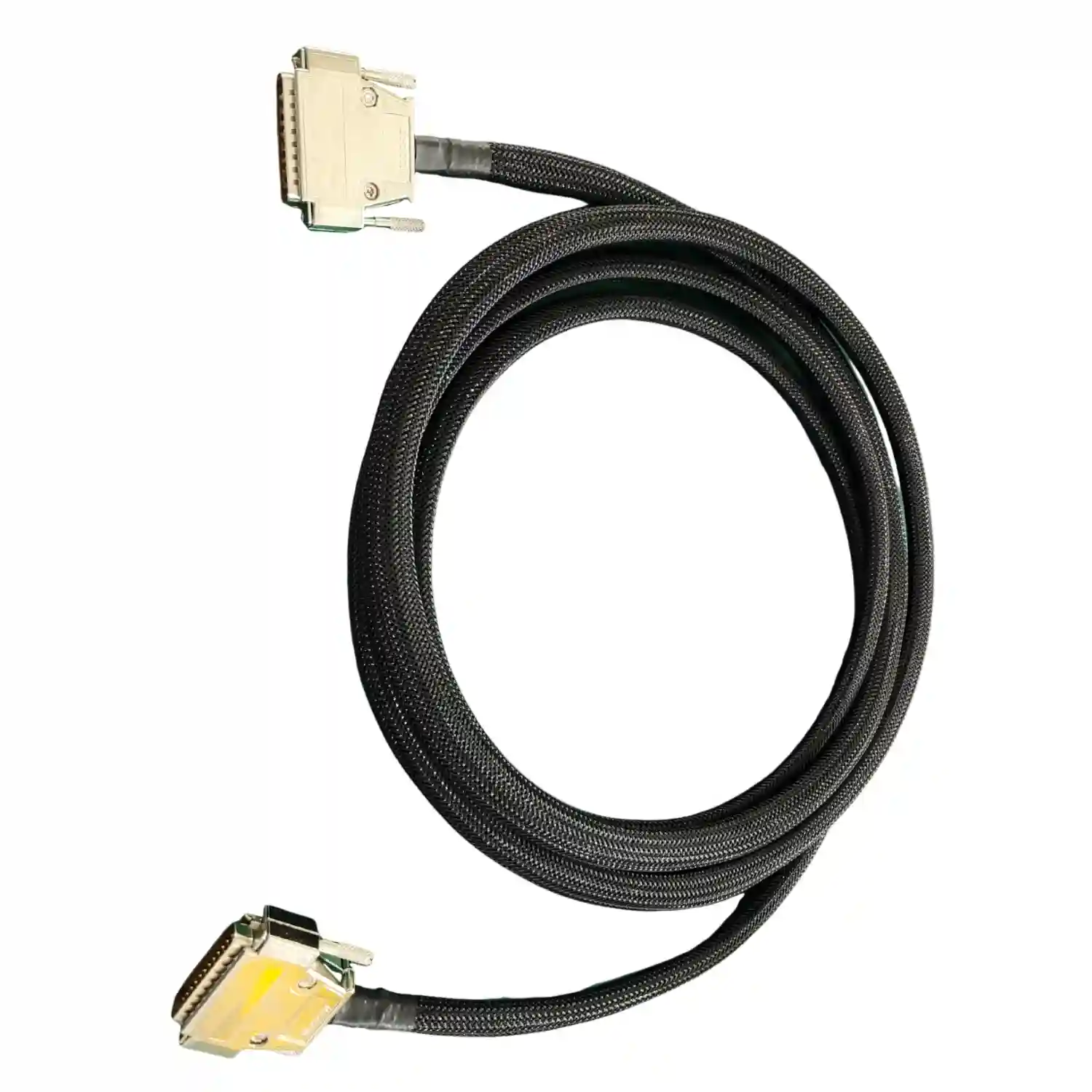
Impermeabilização de Chicotes Elétricos: Classificações IP, Métodos de Vedação & Guia de Materiais
A água destrói chicotes elétricos através de dois mecanismos: curtos-circuitos imediatos e corrosão lenta. Ambos são evitáveis com o método de vedação correto. Este guia aborda a seleção de classificação IP, quatro tecnologias de vedação—sobremoldagem, encapsulamento, luvas termocontráteis e vedações por gaxeta—além de comparações de materiais e protocolos de teste para aplicações automotivas, marítimas, industriais e externas.
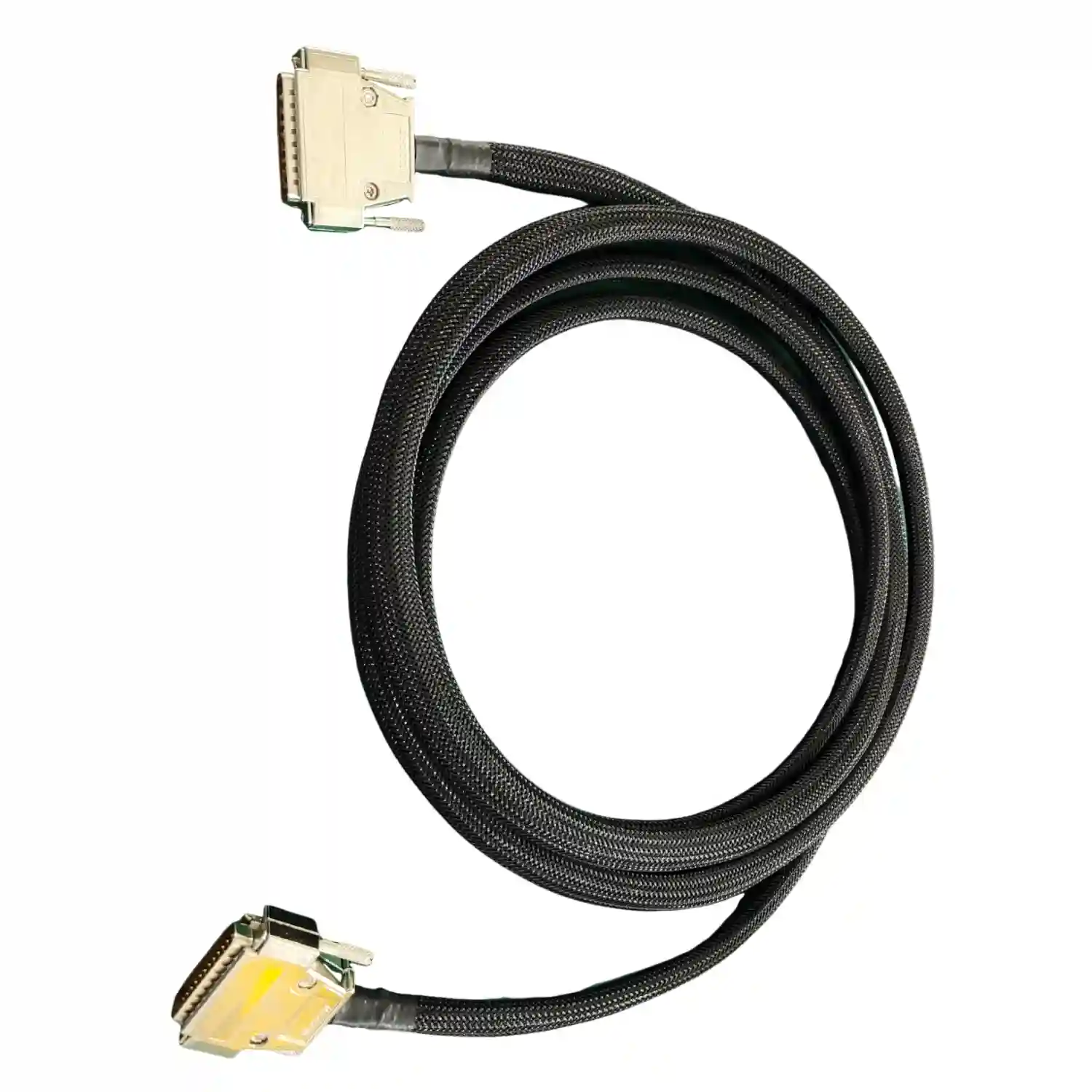
Conjunto de chicote elétrico industrial com conectores impermeáveis e vedação ambiental
das falhas em chicotes externos causadas pela entrada de umidade
classificação mínima para a maioria das aplicações de chicotes para exterior
vida útil mais longa com vedação ambiental adequada
custo por unidade de impermeabilização dependendo do método e nível IP
Índice
- 1. Por que a Impermeabilização é Importante para Chicotes Elétricos
- 2. Classificações IP Explicadas: O que os Números Realmente Significam
- 3. Quatro Métodos de Vedação para Impermeabilização de Chicotes
- 4. Materiais de Vedação: Propriedades e Compensações
- 5. Requisitos de Impermeabilização por Indústria
- 6. Protocolos de Teste de Impermeabilização
- 7. Cinco Falhas de Impermeabilização e Como Evitá-las
- 8. Perguntas Frequentes
A água não precisa inundar um chicote elétrico para destruí-lo. Uma única gota que atinge um terminal crimpado inicia a corrosão galvânica entre metais dissimilares. Em meses, a resistência de contato aumenta. Em um ano, começam as falhas intermitentes. Em dois anos, a conexão falha completamente. A falha é silenciosa, progressiva e cara de diagnosticar em campo.
A entrada de umidade é responsável por aproximadamente 35 por cento das falhas de campo em chicotes elétricos de ambientes externos e severos. A causa raiz quase nunca é o conector em si—conectores vedados modernos da TE, Deutsch e Amphenol têm bom desempenho quando corretamente acoplados. As falhas concentram-se em três pontos fracos: a junção cabo-conector, emendas intermediárias e perfurações na capa do cabo onde derivações saem do tronco principal.
Especificar corretamente a impermeabilização requer entender as classificações IP, combinar o método de vedação ao seu volume de produção e requisitos de serviço, e selecionar materiais que sobrevivam ao seu ambiente operacional—não apenas à água, mas também a UV, produtos químicos e ciclos térmicos. Este guia fornece os dados para você tomar essas decisões em sua próxima RFQ de chicote elétrico.
"O erro mais comum de impermeabilização que vemos é especificar um conector vedado, mas ignorar o ponto de entrada do cabo. Um conector IP68 acoplado a uma capa de cabo não vedada é como instalar uma porta estanque em uma parede com buracos. O ponto de vedação mais fraco determina sua classificação IP real, não o componente com a especificação mais alta."
Hommer Zhao
Diretor de Engenharia
1. Por que a Impermeabilização é Importante para Chicotes Elétricos
A água danifica conexões elétricas por três mecanismos. Primeiro, curtos-circuitos imediatos quando a água em volume forma ponte entre condutores em potenciais diferentes. Segundo, corrosão galvânica quando a umidade cria um eletrólito entre metais dissimilares—tipicamente terminais de cobre estanhado acoplados com contatos banhados a ouro, ou condutores de cobre em contato com carcaça de alumínio. Terceiro, migração eletroquímica onde a contaminação iônica na água faz crescer dendritos metálicos entre condutores próximos, criando curtos-circuitos tardios.
O mecanismo de corrosão é particularmente perigoso porque produz falhas meses ou anos após a instalação, dificultando a análise de causa raiz. Uma análise de falha de chicote elétrico de terminais corroídos geralmente mostra que a vedação original foi subdimensionada ou instalada incorretamente.
Custo de Falhas Relacionadas à Umidade
- Garantia automotiva: $150–$800 por veículo para reclamações de corrosão do chicote
- Fazenda solar: $2.000–$15.000 por falha de string, incluindo receita de geração perdida
- Equipamento marítimo: $5.000–$50.000 por incidente para falha de chicote de navegação ou propulsão
- Controles industriais: $10.000–$100.000 por hora de parada não planejada devido a falhas de controle induzidas por umidade
A impermeabilização adequada adiciona $0,50 a $8,00 por conjunto de cabo, dependendo do método e da classificação IP exigida. Em comparação com uma única falha de campo, a impermeabilização oferece retorno sobre o investimento já na primeira reivindicação de garantia evitada.
2. Classificações IP Explicadas: O que os Números Realmente Significam
O sistema de classificação de Grau de Proteção (IP), definido pela IEC 60529, usa dois dígitos. O primeiro dígito (0–6) classifica a proteção contra partículas sólidas. O segundo dígito (0–9) classifica a proteção contra entrada de líquidos. Para aplicações de chicote elétrico, você trabalhará principalmente com níveis de proteção contra poeira 5 e 6, e níveis de proteção contra água de 4 a 8.
| Classificação IP | Proteção contra Poeira | Proteção contra Água | Aplicação Típica |
|---|---|---|---|
| IP54 | Entrada limitada de poeira | Proteção contra respingos de todas as direções | Industrial interno, controles HVAC |
| IP65 | À prova de poeira | Jatos de água de baixa pressão | Caixas externas, compartimento do motor automotivo |
| IP66 | À prova de poeira | Jatos de água de alta pressão | Equipamentos lavados sob pressão, processamento de alimentos |
| IP67 | À prova de poeira | Imersão até 1m por 30 min | Parte inferior de veículos, fazendas solares, robótica externa |
| IP68 | À prova de poeira | Imersão contínua (profundidade conforme especificação) | Marítimo, subaquático, baterias de veículos elétricos |
| IP69K | À prova de poeira | Spray de alta pressão e alta temperatura | Lavagem de alimentos e bebidas, agrícola |
Equívoco Comum sobre Classificação IP
IP68 não inclui automaticamente proteção IP66 (jato de alta pressão). Os testes são independentes. Se seu chicote precisa sobreviver tanto à imersão quanto à lavagem sob pressão, especifique teste IP68 e IP66, ou solicite IP69K para a proteção mais abrangente.
Para projetos na América do Norte, você também pode encontrar classificações NEMA. NEMA 4 é aproximadamente equivalente a IP66, NEMA 4X adiciona resistência à corrosão, e NEMA 6P corresponde aproximadamente a IP68. Sempre verifique as condições específicas de teste, em vez de depender de tabelas de referência cruzada, pois os protocolos de teste NEMA e IP diferem na metodologia.
3. Quatro Métodos de Vedação para Impermeabilização de Chicotes
Cada método de vedação oferece diferentes compensações em nível de proteção, custo, adequação ao volume de produção e facilidade de manutenção em campo. A escolha certa depende de seus requisitos de montagem de cabos personalizados.
Vedações Sobremoldadas
Ideal para IP68Termoplástico ou elastômero moldado por injeção, ligado diretamente ao redor da junção cabo-conector. Cria uma vedação monolítica permanente, sem lacunas ou interfaces. A moldagem multi-shot pode combinar material rígido de carcaça com material flexível de vedação em uma única operação.
Vantagens
- Maior confiabilidade: ligação permanente elimina interfaces de vedação
- Alcança IP68 consistentemente em lotes de produção
- Suporta mais de 100.000 ciclos térmicos sem degradação da vedação
- Fornece alívio de tensão e vedação ambiental simultâneas
Limitações
- Custo de ferramental: $2.000–$8.000 por molde
- Não reparável em campo: o conector não pode ser substituído
- Prazo de entrega: 3–6 semanas para ferramental inicial
- Econômico apenas acima de 500–1.000 unidades
Compostos de Encapsulamento
Ideal para Geometria ComplexaComposto de dois componentes (epóxi, poliuretano ou silicone) vertido ou injetado em caixas ao redor das terminações dos fios. Preenche todos os vazios e formas irregulares, oferecendo impermeabilização e proteção mecânica. Particularmente eficaz para vedar caixas de junção, emendas e interfaces PCB-chicote.
Vantagens
- Veda geometrias irregulares que moldes não alcançam
- Sem investimento em ferramental: adequado para qualquer volume
- Proporciona amortecimento de vibração e gerenciamento térmico
- Resistência química (epóxi) ou flexibilidade (silicone)
Limitações
- Irreversível: reparos exigem corte e reencapsulamento
- Tempo de cura: 4–24 horas dependendo do composto
- Peso: adiciona massa significativa ao conjunto
- Cura exotérmica pode danificar componentes sensíveis ao calor
Tubo Termocontrátil com Adesivo
Ideal para Baixo VolumeTubo termocontrátil de parede dupla com camada interna de adesivo hot-melt. Ao aquecer, a parede externa encolhe para se adaptar ao perfil do cabo e conector, enquanto o adesivo derrete e flui nas lacunas, criando uma barreira vedada. Disponível em razões de contração padrão de 2:1, 3:1 e 4:1 para diferentes transições de diâmetro entre conector e cabo.
Vantagens
- Custo de ferramental zero: componentes de prateleira
- Aplicação rápida: 30–90 segundos por ponto de vedação
- Alcança IP67 quando aplicado corretamente com revestimento adesivo
- Reparável em campo: corte e reaplique novo tubo
Limitações
- Dependente do operador: aquecimento inconsistente causa lacunas na vedação
- Limitado a IP67: vedação de pressão não confiável em maiores profundidades
- Adesivo degrada acima de 125°C de exposição contínua
- Não adequado para flexões repetidas no ponto de vedação
Vedações por Gaxeta e O-Ring
Ideal para ManutençãoVedações por compressão usando gaxetas de elastômero ou O-rings assentados em ranhuras usinadas. A carcaça do conector comprime a gaxeta contra o painel ou conector de acoplamento, criando uma vedação controlada. Prensa-cabos usam o mesmo princípio para vedar a capa do cabo onde ele entra em uma caixa.
Vantagens
- Totalmente reparável em campo: desconecte e reconecte sem danos
- IP67/IP68 confiável quando apertado conforme especificação
- Ampla opção de materiais: silicone, EPDM, Viton, neoprene
- Vedações substituíveis prolongam a vida útil do chicote
Limitações
- Requer torque adequado: aperto insuficiente vaza, excessivo danifica a vedação
- Gaxetas degradam com exposição a UV e ozônio ao longo do tempo
- Desempenho da vedação depende da qualidade do acabamento da superfície de contato
- Treinamento de instalação necessário para alcançar o nível IP classificado
"Testamos cada chicote impermeável a 1,5 vezes a pressão nominal antes do envio. A razão é simples: as condições de campo nunca são tão limpas quanto o laboratório de teste. Sujeira na superfície da gaxeta, um corte na capa do cabo na instalação, pinos do conector não totalmente assentados—tudo isso reduz sua margem de vedação. Incorporar um fator de segurança de 50 por cento na fábrica significa que o chicote ainda atende à especificação quando as condições em campo estão longe de ser perfeitas."
Hommer Zhao
Diretor de Engenharia
4. Materiais de Vedação: Propriedades e Compensações
O material de vedação deve sobreviver não apenas à água, mas a todo o ambiente operacional. Radiação UV, exposição química, extremos de temperatura e tensão mecânica degradam as vedações ao longo do tempo. Selecionar o material certo para sua aplicação de chicote elétrico previne a falha prematura da vedação.
| Material | Faixa de Temp. | Resistência UV | Resistência Química | Custo | Melhor Para |
|---|---|---|---|---|---|
| Silicone | −60°C a +200°C | Excelente | Moderada | $$$$ | Aeroespacial, médico, alta temperatura |
| EPDM | −50°C a +150°C | Excelente | Moderada | $$ | Externo, solar, agrícola |
| Viton (FKM) | −20°C a +200°C | Boa | Excelente | $$$$$ | Sistemas de combustível, plantas químicas |
| Neoprene (CR) | −40°C a +120°C | Moderada | Boa | $$ | Marítimo, ambientes expostos a óleo |
| TPE | −40°C a +100°C | Moderada | Moderada | $ | Consumidor, industrial geral |
| Poliuretano | −40°C a +80°C | Ruim | Boa | $$ | Encapsulamento, ambientes com alta abrasão |
Regra Prática para Seleção de Material
Para a maioria das aplicações industriais ao ar livre, o EPDM oferece o melhor equilíbrio entre custo, resistência UV e faixa de temperatura. Atualize para silicone quando as temperaturas excederem 150°C ou quando for necessária rastreabilidade médica/aeroespacial. Use Viton apenas quando houver combustível, fluido hidráulico ou solventes agressivos.
5. Requisitos de Impermeabilização por Indústria
Diferentes indústrias enfrentam diferentes condições de exposição à umidade. Um chicote da parte inferior de veículo automotivo vê spray de estrada e sal, mas não imersão prolongada. Um chicote marítimo enfrenta névoa salina contínua e possível submersão. Combinar a especificação de impermeabilização com as condições operacionais reais evita tanto a subproteção quanto o gasto excessivo.
Automotivo
- Compartimento do motor: IP65–IP67, −40°C a +125°C
- Parte inferior: IP67, névoa salina de 1.000+ horas
- Interior: IP54, apenas proteção contra respingos
- Bateria EV: IP68 a 1m por 24 horas no mínimo
- Normas: SAE J1128, LV 124, VW 80000
Marítimo & Offshore
- Equipamento de convés: IP66–IP68, névoa salina 3.000+ horas
- Abaixo da linha d'água: IP68 na profundidade nominal, contínuo
- Materiais: Cobre estanhado, capas de grau marítimo
- Conectores: Deutsch DT/DTP, Amphenol Marine
- Normas: IEC 60945, DNV GL, Lloyd's Register
Energia Solar & Renovável
- Chicote de string: IP67, vida útil UV 20+ anos
- Cabo do inversor: IP65, classificado para alta temperatura
- Conectores: MC4 (IP67 quando acoplado), H4
- Capa: XLPE ou LSZH, preto estabilizado contra UV
- Normas: UL 4703, EN 50618, TUV 2Pfg
Industrial & Processamento de Alimentos
- Zonas de lavagem: IP66–IP69K, resistente a produtos químicos
- Controles externos: IP65–IP67, resistente a UV
- Conectores: conectores circulares selados M12, M8
- Materiais: prensa-cabos de aço inoxidável, vedações FKM
- Normas: IEC 60529, certificado ECOLAB (alimentos)
6. Protocolos de Teste de Impermeabilização
Um teste de qualidade de chicote elétrico adequado para impermeabilização vai além de um simples teste de imersão. Um protocolo abrangente valida a integridade da vedação sob as tensões térmicas, mecânicas e químicas que o chicote encontrará em serviço.
Inspeção Visual (Pré-teste)
Inspecione todos os pontos de vedação sob ampliação quanto a lacunas de adesivo, flash de molde, recuperação incompleta do termocontrátil e O-rings danificados. Rejeite qualquer unidade com defeitos visíveis de vedação antes do teste úmido.
Ciclagem Térmica
Cicle o chicote vedado de −40°C a +85°C (ou temperatura máxima de operação) por no mínimo 10 ciclos. A expansão e contração térmica estressam as interfaces de vedação, revelando fraquezas de ligação antes do teste de imersão.
Teste de Imersão (IEC 60529)
Para IP67: imergir a 1 metro de profundidade por 30 minutos. Para IP68: imergir na profundidade especificada pelo fabricante pela duração especificada. Monitore a formação de bolhas durante a submersão. Após a remoção, meça a resistência de isolamento entre todos os condutores e a carcaça (deve exceder 100 megohms).
Teste de Queda de Pressão
Pressurize o conjunto vedado a 1,5 vezes a pressão nominal e monitore por 60 segundos. A taxa de vazamento aceitável é inferior a 10 Pa de queda de pressão por segundo. Este é o teste mais rápido na linha de produção para verificação da integridade da vedação.
Teste de Névoa Salina (ASTM B117)
Para aplicações automotivas e marítimas, exponha os chicotes vedados a névoa salina de 5% NaCl a 35°C por 500–3.000 horas, dependendo do ambiente alvo. Após a exposição, verifique se a resistência de contato não aumentou mais de 5 miliohms em nenhum terminal.
"O teste de queda de pressão detecta 98 por cento dos defeitos de vedação em menos de dois minutos na linha de produção. É o ponto de controle de qualidade de melhor custo-benefício para chicotes impermeáveis. Cada unidade é enviada testada. A alternativa—falhas de campo em aplicações que você não pode acessar facilmente para reparo—custa ordens de magnitude a mais."
Hommer Zhao
Diretor de Engenharia
7. Cinco Falhas de Impermeabilização e Como Evitá-las
1. Efeito Respiração (Bombeamento Térmico)
Mudanças de temperatura fazem o ar dentro de um recinto selado se expandir e contrair. O resfriamento cria pressão negativa que puxa a umidade através de imperfeições microscópicas na vedação. Esta é a causa mais comum de entrada de umidade em conjuntos de chicotes selados que passam no teste IP inicial, mas falham após 6–12 meses em campo.
Prevenção: Use válvulas de respiro (ventilação Gore-Tex) que permitem a equalização de pressão enquanto bloqueiam a água líquida, ou especifique vedações herméticas que eliminam completamente a troca de ar.
2. Capilaridade na Capa do Cabo
A água viaja entre a capa do cabo e o isolamento dos condutores individuais por ação capilar. Mesmo um conector perfeitamente selado pode inundar internamente se a capa do cabo não estiver vedada onde entra na parte traseira do conector. Cabos multifilares com interstícios não preenchidos são particularmente vulneráveis.
Prevenção: Especifique cabos preenchidos (com gel ou pó nos interstícios) para ambientes úmidos. Aplique termocontrátil com revestimento adesivo ou sobremoldagem sobre o ponto de entrada da capa do cabo, não apenas na interface do conector.
3. Deformação Permanente da Vedação (Compression Set)
As vedações de elastômero se deformam permanentemente sob compressão sustentada, especialmente em temperaturas elevadas. Após exceder 40–60 por cento da seção transversal original, a gaxeta não fornece mais força de vedação adequada. Ambientes de alta temperatura aceleram essa degradação.
Prevenção: Selecione materiais de vedação com baixos valores de compression set para a temperatura de operação. O silicone mantém <15% de deformação permanente a 150°C; o EPDM mantém <25% a 100°C. Projete a geometria da ranhura para limitar a compressão da vedação a 20–30% da seção transversal.
4. Degradação UV do Material de Vedação
A radiação ultravioleta quebra as cadeias poliméricas nos materiais de vedação expostos. Neoprene e poliuretano são particularmente vulneráveis, apresentando rachaduras e empolamento superficial dentro de 2–5 anos de exposição UV ao ar livre. Uma vez que a superfície racha, a água encontra um caminho através da vedação comprometida.
Prevenção: Use EPDM ou silicone para vedações expostas ao ar livre. Adicione sobrecapas estabilizadas contra UV ou capas protetoras sobre as áreas de vedação. Para aplicações de energia solar, especifique materiais com classificação UV de 25 anos desde a fase de projeto.
5. Instalação Incorreta de Prensa-Cabos
Os prensa-cabos são o componente de impermeabilização instalado em campo mais comum, e o mais comumente instalado incorretamente. Usar um prensa-cabo dimensionado para o diâmetro errado de cabo, falhar em apertar com o torque especificado ou omitir o inserto de vedação resultam em perda da classificação IP. Mesmo um prensa-cabo corretamente dimensionado com 80 por cento do torque especificado pode cair de IP68 para IP54.
Prevenção: Especifique os números exatos das peças dos prensa-cabos nos desenhos de montagem. Inclua valores de torque e marque linhas de testemunho após a instalação. Use insertos de vedação do tipo bipartido para entradas de múltiplos cabos. Treine as equipes de instalação sobre os requisitos de torque críticos para IP.
8. Perguntas Frequentes
Qual classificação IP eu preciso para um chicote elétrico externo?
A maioria das aplicações de chicotes elétricos externos requer IP65 no mínimo, que protege contra jatos de água de baixa pressão de qualquer direção. Para equipamentos expostos a chuvas fortes, lavagem sob pressão ou submersão temporária, especifique IP67. As aplicações marítimas e subaquáticas geralmente precisam de IP68, classificado para submersão contínua em uma profundidade e duração especificadas em acordo com o fabricante.
Qual é a diferença entre IP67 e IP68 para conjuntos de cabos?
IP67 significa que o conjunto de cabos pode sobreviver à imersão temporária em água até 1 metro de profundidade por 30 minutos. IP68 significa que pode suportar imersão contínua em profundidade e duração especificadas pelo fabricante, normalmente 1,5 a 10 metros por períodos prolongados. Ambos fornecem proteção completa contra poeira. A diferença de custo é tipicamente de 15 a 30 por cento para IP68 em relação a IP67 devido a requisitos adicionais de vedação.
Posso impermeabilizar um chicote existente em campo?
A impermeabilização em campo é possível para reparos temporários, mas nunca iguala a qualidade da vedação feita em fábrica. As opções incluem tubo termocontrátil revestido com adesivo sobre pontos de emenda, fita de silicone auto-amalgamante ou composto de encapsulamento de dois componentes aplicado em caixas reparáveis em campo. Para qualquer aplicação crítica de segurança, substitua o chicote por uma unidade selada de fábrica testada para a classificação IP exigida.
Qual método de vedação oferece a melhor impermeabilização para chicotes elétricos?
As vedações sobremoldadas oferecem a maior confiabilidade porque a vedação é uma ligação permanente sem interfaces. Elas alcançam consistentemente IP68 e suportam mais de 100.000 ciclos térmicos. No entanto, exigem investimento em ferramental de $2.000 a $8.000 por molde, tornando-as econômicas apenas acima de 500 a 1.000 unidades. Para volumes menores, gaxetas de compressão com conectores selados oferecem desempenho IP67 sem custos de ferramental.
Como faço para testar a impermeabilização de chicotes elétricos?
O teste segue as normas IEC 60529. Para IP67, submerja o chicote selado a 1 metro de profundidade por 30 minutos e verifique a ausência de intrusão de água usando medições de resistência de isolamento. Para testes de produção, o teste de queda de pressão é o mais rápido: pressurize a 1,5x a pressão nominal e monitore por 60 segundos. Além disso, faça ciclo térmico antes do teste de imersão para estressar as interfaces de vedação, pois mudanças de temperatura criam diferenciais de pressão que revelam vedações fracas.
Referências & Normas
- IEC 60529: Graus de Proteção Fornecidos pelos Invólucros (Código IP)
- NEMA 250: Invólucros para Equipamentos Elétricos (1.000 Volts Máximo)
- ASTM B117: Prática Padrão para Operação de Aparelho de Névoa Salina (Spray)
- SAE J1128: Cabo Primário de Baixa Tensão para aplicações de chicote elétrico automotivo
Precisa de Chicotes Elétricos Impermeáveis?
Fabricamos chicotes elétricos com classificação IP67 e IP68 com opções sobremoldadas, encapsuladas e vedadas por gaxeta. Compartilhe seus requisitos ambientais e recomendaremos a solução de impermeabilização mais econômica para sua aplicação.