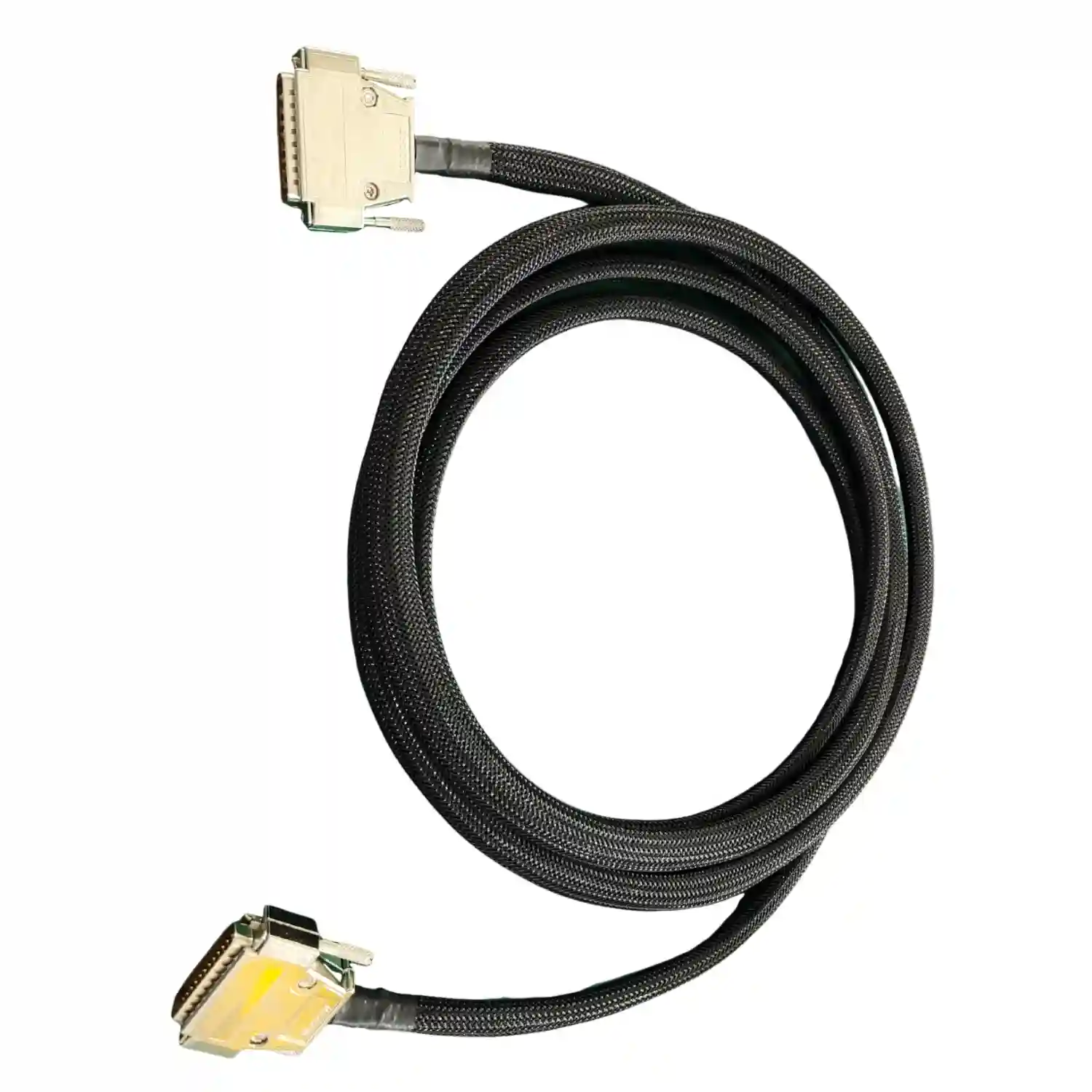
Impermeabilización de arneses de cables: Clasificaciones IP, métodos de sellado y guía de materiales
El agua mata los arneses de cables por dos mecanismos: cortocircuitos inmediatos y corrosión lenta. Ambos son evitables con el método de sellado adecuado. Esta guía cubre la selección de clasificaciones IP, cuatro tecnologías de sellado —sobremoldeo, encapsulado, mangas termocontraíbles y juntas—, junto con comparativas de materiales y protocolos de prueba para aplicaciones automotrices, marinas, industriales y exteriores.
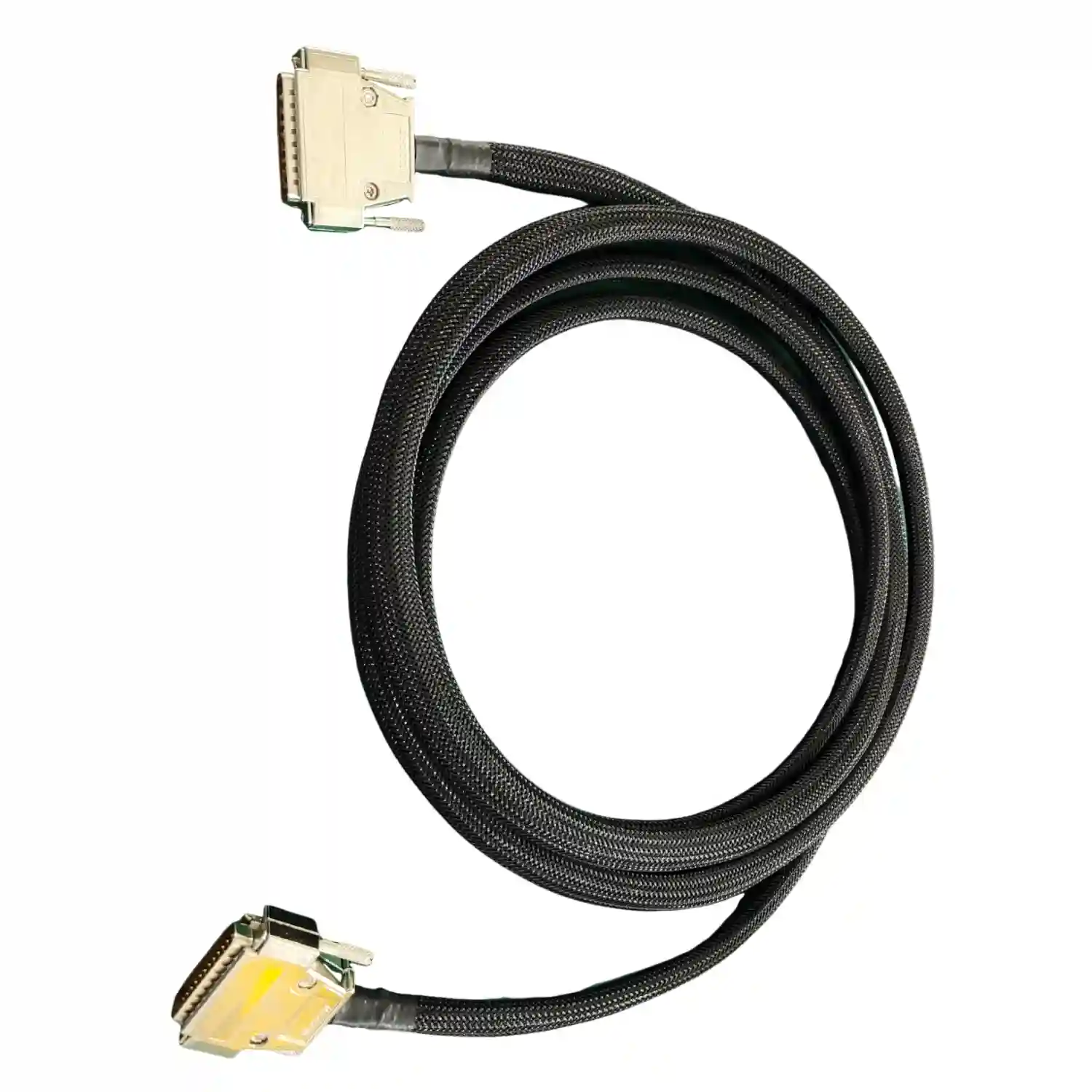
Conjunto de arnés de cables industrial con conectores impermeables y sellado ambiental
de las fallas en arneses exteriores causadas por la entrada de humedad
clasificación mínima para la mayoría de las aplicaciones de arneses de cables exteriores
mayor vida útil con un sellado ambiental adecuado
costo por unidad de impermeabilización según el método y el nivel IP
Tabla de Contenidos
- 1. Por qué es importante la impermeabilización para los arneses de cables
- 2. Explicación de las clasificaciones IP: lo que realmente significan los números
- 3. Cuatro métodos de sellado para la impermeabilización de arneses de cables
- 4. Materiales de sellado: propiedades y compromisos
- 5. Requisitos de impermeabilización por industria
- 6. Protocolos de prueba de impermeabilización
- 7. Cinco fallos de impermeabilización y cómo prevenirlos
- 8. Preguntas frecuentes
El agua no necesita inundar un arnés de cables para destruirlo. Una sola gota que llegue a un terminal de engaste inicia una corrosión galvánica entre metales disímiles. En pocos meses, la resistencia de contacto aumenta. En un año, comienzan las fallas intermitentes. En dos años, la conexión falla por completo. La falla es silenciosa, progresiva y costosa de diagnosticar en campo.
La entrada de humedad es responsable de aproximadamente el 35 por ciento de las fallas de campo en arneses de cables en aplicaciones exteriores y de ambientes hostiles. La causa raíz casi nunca es el conector en sí mismo —los conectores sellados modernos de TE, Deutsch y Amphenol funcionan bien cuando se acoplan correctamente—. Las fallas se concentran en tres puntos débiles: la unión cable-conector, los empalmes intermedios y las penetraciones de la cubierta del cable donde los ramales salen del tronco principal.
Especificar correctamente la impermeabilización requiere entender las clasificaciones IP, adaptar el método de sellado a su volumen de producción y requisitos de servicio, y seleccionar materiales que resistan su entorno operativo —no solo el agua, sino también los rayos UV, los productos químicos y los ciclos térmicos—. Esta guía le proporciona los datos para tomar esas decisiones en su próxima solicitud de cotización de arneses de cables.
"El error más común de impermeabilización que vemos es especificar un conector sellado pero ignorar el punto de entrada del cable. Un conector IP68 acoplado a una cubierta de cable no sellada es como instalar una puerta estanca en una pared con agujeros. El punto de sellado más débil determina su clasificación IP real, no el componente con la especificación más alta."
Hommer Zhao
Director de Ingeniería
1. Por qué es importante la impermeabilización para los arneses de cables
El agua daña las conexiones eléctricas a través de tres mecanismos. Primero, cortocircuitos inmediatos cuando el agua en masa crea un puente entre conductores a diferentes potenciales. Segundo, corrosión galvánica cuando la humedad crea un electrolito entre metales disímiles —típicamente terminales de cobre estañado acoplados con contactos bañados en oro, o conductores de cobre en contacto con carcasas de aluminio—. Tercero, migración electroquímica cuando la contaminación iónica del agua provoca el crecimiento de dendritas metálicas entre conductores muy cercanos, creando cortocircuitos retardados.
El mecanismo de corrosión es particularmente peligroso porque produce fallas meses o años después de la instalación, dificultando el análisis de la causa raíz. Un análisis de fallas de arneses de cables de terminales corroídos a menudo muestra que el sellado original estaba subespecificado o mal instalado.
Costo de las fallas relacionadas con la humedad
- Garantía automotriz: $150–$800 por vehículo por reclamos de corrosión del arnés
- Parque solar: $2,000–$15,000 por falla de cadena, incluyendo pérdida de ingresos por generación
- Equipo marino: $5,000–$50,000 por incidente por falla del arnés de navegación o propulsión
- Controles industriales: $10,000–$100,000 por hora de tiempo de inactividad no planificado por fallas de control inducidas por humedad
Una impermeabilización adecuada añade de $0.50 a $8.00 por conjunto de cable, dependiendo del método y la clasificación IP requerida. En comparación con una sola falla en campo, la impermeabilización ofrece retorno de la inversión al evitar el primer reclamo de garantía.
2. Explicación de las clasificaciones IP: lo que realmente significan los números
El sistema de clasificación de Protección contra el Ingreso (IP), definido por IEC 60529, utiliza dos dígitos. El primer dígito (0–6) califica la protección contra partículas sólidas. El segundo dígito (0–9) califica la protección contra el ingreso de líquidos. Para aplicaciones de arneses de cables, principalmente trabajará con niveles de protección contra polvo 5 y 6, y niveles de protección contra agua 4 a 8.
| Clasificación IP | Protección contra polvo | Protección contra agua | Aplicación típica |
|---|---|---|---|
| IP54 | Ingreso limitado de polvo | Protección contra salpicaduras desde cualquier dirección | Industrial interior, controles HVAC |
| IP65 | A prueba de polvo | Chorros de agua a baja presión | Gabinete exterior, debajo del capó automotriz |
| IP66 | A prueba de polvo | Chorros de agua a alta presión | Equipo lavado a presión, procesamiento de alimentos |
| IP67 | A prueba de polvo | Inmersión hasta 1 m durante 30 min | Bajos automotrices, parques solares, robótica exterior |
| IP68 | A prueba de polvo | Inmersión continua (profundidad según especificación) | Marino, submarino, paquetes de baterías EV |
| IP69K | A prueba de polvo | Rociado a alta presión y alta temperatura | Lavado en alimentos y bebidas, agrícola |
Concepto erróneo común sobre las clasificaciones IP
IP68 no incluye automáticamente la protección IP66 (chorro de alta presión). Las pruebas son independientes. Si su arnés debe sobrevivir tanto la inmersión como el lavado a presión, especifique pruebas IP68 e IP66, o solicite IP69K para obtener la protección más completa.
Para proyectos norteamericanos, también puede encontrarse con las clasificaciones NEMA. NEMA 4 equivale aproximadamente a IP66, NEMA 4X añade resistencia a la corrosión y NEMA 6P corresponde aproximadamente a IP68. Siempre verifique las condiciones de prueba específicas en lugar de confiar en tablas de equivalencia, ya que los protocolos de prueba NEMA e IP difieren en metodología.
3. Cuatro métodos de sellado para la impermeabilización de arneses de cables
Cada método de sellado ofrece diferentes compromisos en cuanto a nivel de protección, costo, adecuación para el volumen de producción y facilidad de mantenimiento en campo. La elección correcta depende de sus requisitos de ensamblaje de cables personalizados.
Sellos sobremoldeados
Ideal para IP68Termoplástico o elastómero moldeado por inyección adherido directamente alrededor de la unión cable-conector. Crea un sello monolítico permanente sin huecos ni interfaces. El moldeo en múltiples fases puede combinar material de carcasa rígido con material de sellado flexible en una sola operación.
Fortalezas
- Máxima fiabilidad: la unión permanente elimina las interfaces de sellado
- Alcanza IP68 de forma consistente en todas las series de producción
- Soporta más de 100,000 ciclos térmicos sin degradación del sello
- Proporciona alivio de tensión y sellado ambiental simultáneamente
Limitaciones
- Costo de utillaje: $2,000–$8,000 por molde
- No reparable en campo: el conector no puede sustituirse
- Plazo de entrega: 3–6 semanas para el utillaje inicial
- Económico solo por encima de 500–1,000 unidades
Compuestos de encapsulado
Ideal para geometrías complejasCompuesto epoxi, poliuretano o silicona de dos partes vertido o inyectado en carcasas alrededor de las terminaciones de los cables. Rellena todos los huecos y formas irregulares, proporcionando tanto impermeabilización como protección mecánica. Particularmente eficaz para sellar cajas de derivación, carcasas de empalmes e interfaces PCB-arnés.
Fortalezas
- Sella geometrías irregulares que los moldes no pueden alcanzar
- Sin inversión en utillaje: adecuado para cualquier volumen
- Proporciona amortiguación de vibraciones y gestión térmica
- Resistencia química (epoxi) o flexibilidad (silicona)
Limitaciones
- Irreversible: las reparaciones requieren cortar y volver a encapsular
- Tiempo de curado: 4–24 horas según el compuesto
- Peso: añade una masa significativa al conjunto
- El curado exotérmico puede dañar componentes sensibles al calor
Tubo termocontraíble con adhesivo
Ideal para bajo volumenTubo termocontraíble de doble pared con una capa interior de adhesivo termofusible. Al calentarse, la pared exterior se contrae para adaptarse al perfil del cable y el conector, mientras que el adhesivo se funde y fluye hacia los huecos, creando una barrera sellada. Disponible en relaciones de contracción estándar de 2:1, 3:1 y 4:1 para adaptarse a diferentes transiciones de diámetro entre conector y cable.
Fortalezas
- Costo de utillaje cero: componentes estándar
- Aplicación rápida: 30–90 segundos por punto de sellado
- Alcanza IP67 si se aplica correctamente con capa adhesiva
- Reparable en campo: cortar y volver a colocar nuevo tubo
Limitaciones
- Depende del operario: un calentamiento inconsistente provoca huecos en el sello
- Limitado a IP67: el sello a presión no es fiable a mayores profundidades
- El adhesivo se degrada por encima de 125°C de exposición continua
- No apto para flexiones repetidas en el punto de sellado
Juntas y sellos de junta tórica (O-ring)
Ideal para mantenimientoSellos de compresión que utilizan juntas de elastómero o anillos tóricos alojados en ranuras mecanizadas. La carcasa del conector comprime la junta contra el panel o el conector de acoplamiento, creando un sello controlado. Los prensaestopas utilizan el mismo principio para sellar la cubierta del cable por donde entra en una carcasa.
Fortalezas
- Totalmente reparable en campo: desconectar y volver a conectar sin daños
- IP67/IP68 fiable si se aprieta según especificación
- Amplia gama de materiales: silicona, EPDM, Viton, neopreno
- Los sellos reemplazables prolongan la vida útil del arnés
Limitaciones
- Requiere par de apriete adecuado: un apriete insuficiente provoca fugas, un apriete excesivo daña el sello
- Las juntas se degradan con la exposición a los rayos UV y al ozono con el tiempo
- El rendimiento del sello depende de la calidad del acabado de la superficie de acoplamiento
- Se requiere formación en instalación para alcanzar el nivel IP nominal
"Probamos cada arnés impermeable a 1.5 veces la presión nominal antes de enviarlo. La razón es simple: las condiciones de campo nunca son tan limpias como el laboratorio de pruebas. Suciedad en la superficie de la junta, una cubierta de cable con un corte por instalación, pines del conector no completamente asentados: todo esto reduce su margen de sellado. Incorporar un factor de seguridad del 50 por ciento en fábrica significa que el arnés sigue cumpliendo la especificación cuando las condiciones no son perfectas en campo."
Hommer Zhao
Director de Ingeniería
4. Materiales de sellado: propiedades y compromisos
El material de sellado debe resistir no solo el agua, sino todo el entorno operativo. La radiación UV, la exposición a productos químicos, las temperaturas extremas y el estrés mecánico degradan los sellos con el tiempo. Seleccionar el material adecuado para su aplicación de arnés de cables evita fallos prematuros del sellado.
| Material | Rango de temperatura | Resistencia UV | Resistencia química | Costo | Ideal para |
|---|---|---|---|---|---|
| Silicona | −60°C a +200°C | Excelente | Moderada | $$$$ | Aeroespacial, médico, altas temperaturas |
| EPDM | −50°C a +150°C | Excelente | Moderada | $$ | Exterior, solar, agrícola |
| Viton (FKM) | −20°C a +200°C | Buena | Excelente | $$$$$ | Sistemas de combustible, plantas químicas |
| Neopreno (CR) | −40°C a +120°C | Moderada | Buena | $$ | Marino, entornos con exposición a aceite |
| TPE | −40°C a +100°C | Moderada | Moderada | $ | Consumo, industrial general |
| Poliuretano | −40°C a +80°C | Pobre | Buena | $$ | Encapsulado, entornos con mucha abrasión |
Regla general de selección de materiales
Para la mayoría de aplicaciones industriales en exteriores, EPDM ofrece el mejor equilibrio entre costo, resistencia UV y rango de temperatura. Mejore a silicona cuando las temperaturas superen los 150°C o se requiera trazabilidad médica/aeroespacial. Utilice Viton solo cuando haya combustible, fluido hidráulico o disolventes agresivos.
5. Requisitos de impermeabilización por industria
Diferentes industrias se enfrentan a diferentes condiciones de exposición a la humedad. Un arnés de bajos automotrices recibe salpicaduras de carretera y sal, pero no inmersión continua. Un arnés marino se enfrenta a niebla salina continua y posible inmersión. Ajustar la especificación de impermeabilización a las condiciones reales de operación evita tanto la protección insuficiente como el gasto excesivo.
Automotriz
- Debajo del capó: IP65–IP67, −40°C a +125°C
- Bajos: IP67, niebla salina 1,000+ horas
- Interior: IP54, solo protección contra salpicaduras
- Batería EV: IP68 a 1 m durante 24 horas mínimo
- Normas: SAE J1128, LV 124, VW 80000
Marítimo y offshore
- Equipo de cubierta: IP66–IP68, niebla salina 3,000+ horas
- Por debajo de la línea de flotación: IP68 a profundidad nominal, continua
- Materiales: Cobre estañado, cubiertas de grado marino
- Conectores: Deutsch DT/DTP, Amphenol Marine
- Normas: IEC 60945, DNV GL, Lloyd's Register
Solar y energías renovables
- Arnés de cadena: IP67, vida útil UV 20+ años
- Cable inversor: IP65, clasificado para alta temperatura
- Conectores: MC4 (IP67 acoplado), H4
- Cubierta: XLPE o LSZH, negro estabilizado UV
- Normas: UL 4703, EN 50618, TUV 2Pfg
Industrial y procesamiento de alimentos
- Zonas de lavado: IP66–IP69K, resistente a productos químicos
- Controles exteriores: IP65–IP67, resistente a UV
- Conectores: M12, M8 conectores sellados circulares
- Materiales: Prensas de acero inoxidable, juntas FKM
- Normas: IEC 60529, certificación ECOLAB (alimentos)
6. Protocolos de prueba de impermeabilización
Las pruebas de calidad de arneses de cables adecuadas para la impermeabilización van más allá de una simple prueba de inmersión. Un protocolo completo valida la integridad del sellado bajo los esfuerzos térmicos, mecánicos y químicos que el arnés encontrará en servicio.
Inspección visual (pre-prueba)
Inspeccione todos los puntos de sellado con aumento para detectar huecos de adhesivo, rebabas de molde, recuperación incompleta del termocontraíble y anillos tóricos dañados. Rechace cualquier unidad con defectos de sellado visibles antes de la prueba húmeda.
Ciclos térmicos
Someta el arnés sellado a ciclos de −40°C a +85°C (o la temperatura máxima de funcionamiento) durante un mínimo de 10 ciclos. La expansión y contracción térmica tensionan las interfaces de sellado, revelando debilidades de adherencia antes de la prueba de inmersión.
Prueba de inmersión (IEC 60529)
Para IP67: sumergir a 1 metro de profundidad durante 30 minutos. Para IP68: sumergir a la profundidad especificada por el fabricante durante la duración especificada. Monitoree la formación de burbujas durante la inmersión. Después de retirar, mida la resistencia de aislamiento entre todos los conductores y la carcasa (debe superar los 100 megaohmios).
Prueba de caída de presión
Presurice el conjunto sellado a 1.5 veces la presión nominal y monitoree durante 60 segundos. La tasa de fuga aceptable es inferior a 10 Pa de caída de presión por segundo. Esta es la prueba de línea de producción más rápida para la verificación de la integridad del sellado.
Prueba de niebla salina (ASTM B117)
Para aplicaciones automotrices y marinas, exponga los arneses sellados a niebla salina de NaCl al 5% a 35°C durante 500–3,000 horas, dependiendo del entorno objetivo. Después de la exposición, verifique que la resistencia de contacto no haya aumentado más de 5 miliohmios en ningún terminal.
"La prueba de caída de presión detecta el 98 por ciento de los defectos de sellado en menos de dos minutos en la línea de producción. Es la puerta de calidad más rentable para los arneses impermeables. Cada unidad se envía probada. La alternativa —fallas en campo en aplicaciones a las que no se puede acceder fácilmente para su reparación— cuesta órdenes de magnitud más."
Hommer Zhao
Director de Ingeniería
7. Cinco fallos de impermeabilización y cómo prevenirlos
1. Efecto de respiración (bombeo térmico)
Los cambios de temperatura provocan que el aire dentro de un recinto sellado se expanda y contraiga. El enfriamiento crea presión negativa que aspira humedad a través de imperfecciones microscópicas del sellado. Esta es la causa más común de entrada de humedad en conjuntos de arnés sellados que pasan las pruebas IP iniciales pero fallan después de 6–12 meses en campo.
Prevención: Utilice válvulas de respiración (ventilaciones Gore-Tex) que permiten la igualación de presión mientras bloquean el agua líquida, o especifique sellos herméticos que eliminen completamente el intercambio de aire.
2. Acción capilar en la cubierta del cable (wicking)
El agua viaja entre la cubierta del cable y el aislamiento individual del conductor por acción capilar. Incluso un conector perfectamente sellado puede inundarse internamente si la cubierta del cable no está sellada donde entra en la parte trasera del conector. Los cables multiconductores con intersticios sin rellenar son particularmente vulnerables.
Prevención: Especifique cables rellenos (intersticios rellenos de gel o polvo) para entornos húmedos. Aplique termocontraíble con adhesivo o sobremoldeo sobre el punto de entrada de la cubierta del cable, no solo en la interfaz del conector.
3. Deformación permanente por compresión del sello
Los sellos de elastómero se deforman permanentemente bajo compresión sostenida, especialmente a temperaturas elevadas. Una vez que la deformación permanente supera el 40–60 por ciento de la sección transversal original, la junta ya no proporciona una fuerza de sellado adecuada. Los entornos de alta temperatura aceleran esta degradación.
Prevención: Seleccione materiales de sellado con bajos valores de deformación permanente para la temperatura de funcionamiento. La silicona mantiene una deformación permanente inferior al 15% a 150°C; el EPDM mantiene menos del 25% a 100°C. Diseñe la geometría de la ranura para limitar la compresión del sello al 20–30% de la sección transversal.
4. Degradación UV del material de sellado
La radiación ultravioleta rompe las cadenas de polímeros en los materiales de sellado expuestos. El neopreno y el poliuretano son particularmente vulnerables, mostrando agrietamiento y pulverulencia superficial en 2–5 años de exposición a la intemperie. Una vez que la superficie se agrieta, el agua encuentra un camino a través del sello comprometido.
Prevención: Utilice EPDM o silicona para sellos expuestos al exterior. Añada recubrimientos protectores estabilizados contra rayos UV o manguitos protectores sobre las áreas de sellado. Para aplicaciones de energía solar, especifique materiales con clasificación UV de 25 años desde la fase de diseño.
5. Instalación incorrecta del prensaestopas
Los prensaestopas son el componente de impermeabilización instalado en campo más común, y el que más comúnmente se instala incorrectamente. Usar un prensaestopas dimensionado para un diámetro de cable incorrecto, no apretar al par especificado u omitir el inserto de sellado producen una pérdida de la clasificación IP. Incluso un prensaestopas correctamente dimensionado con el 80 por ciento del par especificado puede bajar de IP68 a IP54.
Prevención: Especifique números de pieza exactos de prensaestopas en los planos de montaje. Incluya los valores de par de apriete y marque líneas de testigo después de la instalación. Utilice insertos de sellado de tipo partido para entradas de múltiples cables. Capacite a los equipos de instalación en los requisitos de par de apriete críticos para IP.
8. Preguntas frecuentes
¿Qué clasificación IP necesito para un arnés de cables para exteriores?
La mayoría de las aplicaciones de arneses de cables para exteriores requieren IP65 como mínimo, lo que protege contra chorros de agua a baja presión desde cualquier dirección. Para equipos expuestos a lluvias intensas, lavado a presión o inmersión temporal, especifique IP67. Las aplicaciones marinas y subacuáticas normalmente necesitan IP68, clasificado para inmersión continua a una profundidad y duración especificadas acordadas con el fabricante.
¿Cuál es la diferencia entre IP67 e IP68 para conjuntos de cables?
IP67 significa que el conjunto de cables puede sobrevivir a la inmersión temporal en agua hasta 1 metro de profundidad durante 30 minutos. IP68 significa que puede soportar inmersión continua a una profundidad y duración especificadas por el fabricante, normalmente de 1,5 a 10 metros durante períodos prolongados. Ambos proporcionan protección completa contra el polvo. La diferencia de costo suele ser del 15 al 30 por ciento para IP68 con respecto a IP67 debido a requisitos de sellado adicionales.
¿Puedo impermeabilizar un arnés de cables existente en campo?
La impermeabilización en campo es posible para reparaciones temporales, pero nunca iguala la calidad del sellado de fábrica. Las opciones incluyen tubos termocontraíbles con adhesivo sobre puntos de empalme, cinta de silicona autovulcanizante o compuesto de encapsulado de dos partes aplicado en carcasas reparables en campo. Para cualquier aplicación crítica de seguridad, reemplace el arnés con una unidad sellada de fábrica probada según la clasificación IP requerida.
¿Qué método de sellado proporciona la mejor impermeabilización para arneses de cables?
Los sellos sobremoldeados proporcionan la mayor fiabilidad porque el sello es una unión permanente sin interfaces. Alcanzan IP68 de manera consistente y soportan más de 100,000 ciclos térmicos. Sin embargo, requieren una inversión en utillaje de $2,000–$8,000 por molde, lo que los hace rentables solo por encima de 500–1,000 unidades. Para volúmenes más bajos, las juntas de compresión con conectores sellados ofrecen rendimiento IP67 sin costos de utillaje.
¿Cómo pruebo la impermeabilización de los arneses de cables?
Las pruebas siguen las normas IEC 60529. Para IP67, sumerja el arnés sellado a 1 metro de profundidad durante 30 minutos y verifique que no haya entrada de agua utilizando mediciones de resistencia de aislamiento. Para pruebas de producción, la prueba de caída de presión es la más rápida: presurice a 1,5 veces la presión nominal y monitoree durante 60 segundos. Además, realice ciclos térmicos antes de la prueba de inmersión para tensionar las interfaces de sellado, ya que los cambios de temperatura crean diferenciales de presión que revelan sellos débiles.
Referencias y normas
- IEC 60529: Grados de protección proporcionada por las envolventes (Código IP)
- NEMA 250: Envolventes para equipos eléctricos (1,000 Voltios Máximo)
- ASTM B117: Práctica estándar para la operación de aparatos de niebla salina (spray)
- SAE J1128: Cable primario de baja tensión para aplicaciones de arneses de cables automotrices
¿Necesita arneses de cables impermeables?
Fabricamos arneses de cables con clasificación IP67 e IP68 con opciones sobremoldeadas, encapsuladas y selladas con juntas. Comparta sus requisitos ambientales y le recomendaremos la solución de impermeabilización más rentable para su aplicación.