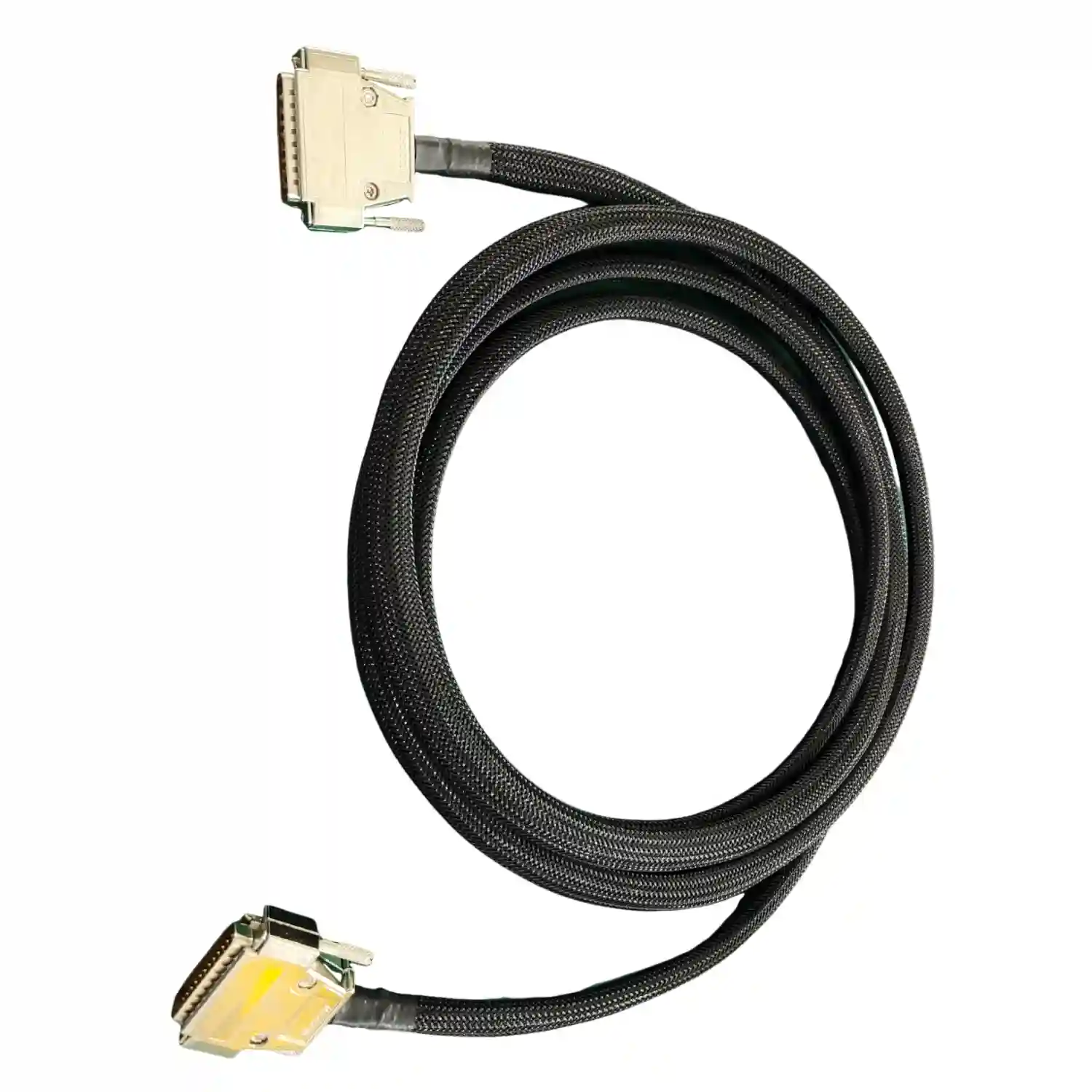
Component sourcing for wire harnesses looks deceptively simple from the BOM. Buyers see connector housings, terminals, seals, wire, tubing, labels, and protective materials. In reality, each of those lines sits inside a process window. A terminal part number is not just a commercial item; it is tied to a crimp applicator, pull-force expectation, plating system, cavity geometry, and traceability path. A seal is not only rubber; it is compression behavior, insertion force, aging performance, and mating reliability. That is why harness sourcing risk usually appears late and expensively. The quote looks fine, then one part family goes on allocation, the supplier proposes an alternate, and the program suddenly needs validation work nobody planned for.
For B2B buyers, the operational problem is immediate. A shortage notice can hit after sample approval, after PPAP planning, or even after the first production release. Procurement pushes for a fast replacement, engineering worries about fit and workmanship drift, quality worries about traceability and compliance, and manufacturing worries about whether the line can repeat the substitute without scrap. When those teams do not share one sourcing-control method, schedules slip in small but painful ways: extra DFM loops, rework stations, split shipments, premium freight, customer approvals, and delayed revenue.
This article gives a practical sourcing framework for custom wire harness and cable assembly programs. It connects directly to our <a href="/blog/wire-harness-rfq-checklist" class="text-blue-600 hover:text-blue-700">wire harness RFQ checklist</a>, our <a href="/blog/material-substitution-wire-harness-manufacturing" class="text-blue-600 hover:text-blue-700">material substitution guide</a>, our <a href="/blog/wire-harness-lead-time-guide" class="text-blue-600 hover:text-blue-700">lead time guide</a>, and service pages such as <a href="/custom-cable-assembly/oem-cable-assembly" class="text-blue-600 hover:text-blue-700">OEM cable assembly</a> and <a href="/custom-cable-assembly/prototype" class="text-blue-600 hover:text-blue-700">prototype cable assembly</a>. The goal is simple: help buyers control allocation, obsolescence, and approved alternates before sourcing noise turns into launch risk.
1. Why Harness Component Sourcing Breaks Launch Timing
Most harness shortages are not single-part emergencies. They are chain reactions. A preferred connector family moves from 8 weeks to 22 weeks. The supplier proposes a second-source housing. That housing needs a different cavity seal. The new seal changes insertion force and requires a different operator check. Then the terminal plating option available in stock is not the same as the validated one, so crimp settings have to be reconfirmed. By the time the team understands the full dependency path, the schedule damage is already larger than the original component shortage.
The second reason buyers get trapped is that many RFQs are released without explicit alternate logic. The BOM may define the preferred part numbers, but it does not say whether alternates are prohibited, pre-approved, or open for engineering proposal. That sounds minor until the first shortage notice arrives. At that point every team is forced to make urgency decisions under schedule pressure. Procurement wants continuity. Engineering wants evidence. Quality wants change control. If those rules were not defined in the RFQ, each alternate becomes a negotiation instead of a managed workflow.
Obsolescence adds a slower but equally serious failure mode. Connector manufacturers revise families, discontinue terminal finishes, consolidate seal colors, or move parts into lifecycle status changes long before the buyer notices. On paper, the part still exists. In practice, minimum order quantities rise, regional inventory vanishes, and quote validity becomes unreliable. The sourcing lesson is blunt: buyers should treat lifecycle visibility as part of technical risk, not as a separate purchasing exercise.
Standards such as IATF 16949, ISO 9001, and RoHS matter here because they force sourcing decisions back into controlled evidence. If a shortage changes fit, form, function, compliance, or validated process settings, it is no longer just a supply-chain issue. It becomes an engineering and quality event.
Allocation risk
The part still exists, but lead time jumps beyond the program window. Buyers usually feel this first on connector housings, terminals, and sealed accessories tied to automotive and industrial demand cycles.
Obsolescence risk
The part is technically orderable but commercially unstable. MOQ rises, factory transfer happens, or the manufacturer starts pushing a replacement family before your validation plan is ready.
Alternate-control risk
The supplier can source something similar, but the program has not defined who approves it, what evidence is needed, or whether the alternate is plant-specific, lot-specific, or globally released.
"In harness programs, a shortage rarely stays inside one part number. Connectors, terminals, seals, crimp tools, work instructions, and compliance documents are linked. If you control only the purchasing line, you are not controlling the risk."
Hommer Zhao
Technical Director
2. Which Parts Create the Biggest Sourcing Risk
High-risk sourcing parts are the ones closest to the electrical path, sealing path, or retention path. Buyers should worry less about generic cartons and more about any item that changes current carrying behavior, crimp geometry, cavity fit, environmental sealing, or branch package size. The difficult part is that commercial descriptions often hide these dependencies. A simple line like "terminal" does not tell you plating thickness, crimp barrel behavior, mating force, or corrosion performance. A line like "seal" does not tell you compression set, lubricant compatibility, or insertion feel on the assembly floor.
That is why smart buyers classify harness components by consequence, not by spend. A low-cost seal can create more launch damage than a higher-cost length of wire because the seal touches ingress protection, connector fit, and assembly takt time at once. Likewise, a connector family that looks mechanically interchangeable may still change CPA fit, cavity numbering logic, or approved test scope. The right question is not "What is the unit price?" The right question is "What else breaks if this part changes?"
The table below is a practical shortlist for procurement and NPI reviews. It helps teams decide which components can move through a limited review and which ones should trigger immediate engineering escalation.
| Component Group | Typical Shortage Trigger | Primary Risk | What Buyers Must Verify | Commercial Impact | Escalate? |
|---|---|---|---|---|---|
| Connector housing | Allocation or lifecycle revision | Mating fit, CPA/TPA fit, cavity compatibility | Exact family, keying, color, and approved alternates | Line stop or delayed sample build | Yes |
| Terminal / contact | Plating shortage or regional inventory gap | Crimp window, pull force, corrosion, insertion fit | Applicator compatibility, plating spec, validation data | Scrap, rework, PPAP delay | Yes |
| Seal / grommet | Accessory shortage or second-source request | Ingress protection, insertion force, compression set | Cavity fit, OD range, aging and sealing results | Leak failures, added labor | Yes |
| Wire / cable | Copper cost move, MOQ, or local source change | Resistance, OD, strip quality, flex life | Conductor class, insulation OD, test scope, compliance | Quote revision, process drift | Yes |
| Tubing / tape / sleeving | Local source or cost-down request | Bundle OD, abrasion, handling time, sealing support | Recovery ratio, thickness, wrap trial, material behavior | Takt loss, packaging issues | Case by case |
| Labels / packaging | Vendor consolidation | Traceability or shipping damage | Barcode readability, label permanence, pack-out rules | Low direct risk, hidden logistics noise | Usually no |
The cheapest shortage to fix is the one screened before sample build. The most expensive is the "equivalent" part approved verbally and discovered later in crimping, fit-check, or customer review.
"If a component touches current flow, sealing, or terminal retention, treat the shortage as a technical issue first and a price issue second. That order saves time, because the wrong part always creates a second delay later."
Hommer Zhao
Technical Director
3. How Strong Teams Control Approved Alternates
The best sourcing teams do not wait for a shortage to invent alternate logic. They define alternate classes before production starts. A controlled harness program usually has three buckets: no-substitution parts, pre-approved alternates, and supplier-proposed alternates that require evidence. No-substitution parts include customer-mandated connectors, safety-critical terminals, proprietary interface systems, and any item tied to explicit regulatory or customer approval. Pre-approved alternates are parts already validated in advance against the same drawing and process window. Supplier-proposed alternates are everything else, and they stay blocked until engineering and quality complete review.
Good alternate control is specific. It should say whether the approval is valid for one lot, one plant, one revision, or the full program. It should also state what evidence is required: dimensional comparison, compliance declarations, crimp testing, sealing confirmation, or full customer sign-off. Too many buyers accept the phrase "equivalent" without asking equivalent to what. Equivalent geometry? Equivalent compliance? Equivalent process capability? Equivalent field life? Those are not the same claim.
The manufacturing reality matters as much as the datasheet. A terminal alternate that looks correct on paper may require a different crimp height target. A new seal may install correctly but slow the line because insertion force is higher. A tubing alternate may meet shrink ratio but increase branch diameter enough to interfere with routing. This is why the control method in our crimping guide, waterproofing guide, and quality testing guide should be linked directly to component sourcing decisions.
When buyers build this discipline into sourcing, shortage response gets faster. Teams stop debating principles during a crisis and instead follow a known path: screen the part, classify the risk, collect validation evidence, define effectivity, and release only after the approval scope is written clearly.
Class 1: No-Substitution Components
Customer-directed connectors, safety-critical terminals, special seals, and regulated components stay locked unless the customer approves a formal engineering change.
Typical examples include OEM-owned interface systems, HV connectors, or medical-device parts tied to validated documentation.
Class 2: Pre-Approved Alternates
These are validated before shortage pressure appears. Buyers should ask for the exact alternate part number, approved site, and supporting test record.
This is the fastest path to continuity because the technical debate has already been closed.
Class 3: Supplier-Proposed Alternates
Use only with a defined evidence package: side-by-side dimensional review, compliance file, build trial, and any process validation tied to the risk.
Commercial approval should follow technical approval, not replace it.
"Approved alternates should behave like controlled design data, not like sourcing shortcuts. If the program cannot say where the alternate is valid and what evidence released it, the approval is incomplete."
Hommer Zhao
Technical Director
Minimum Alternate Approval Evidence
Exact part number and manufacturer, not only a family description
Statement of whether the approval is lot-specific, plant-specific, or program-wide
Dimensional and interface comparison against the released part
Compliance package for RoHS, REACH, flammability, and customer-specific rules where required
Process validation evidence such as crimp, fit, sealing, or electrical test results
Updated BOM and effective-date control before serial release
4. RFQ Data That Shortens Recovery Time
Many sourcing delays are self-inflicted at RFQ stage. Buyers ask for pricing but do not specify whether alternates are allowed, whether the supplier may quote from approved vendor lists only, what compliance target applies, or which interfaces are customer-frozen. That missing information looks harmless when supply is stable. It becomes expensive the moment one connector, terminal, or seal falls out of stock. Then every alternate request must reopen the commercial and technical scope from scratch.
A strong RFQ package reduces that delay by naming the preferred part, the allowed alternate policy, and the commercial priorities. For example: customer-specified connector families only; wire may have approved alternates within identical conductor class and OD range; tapes and sleeving may be supplier-proposed with validation; any terminal plating change requires written approval; all material changes must preserve RoHS, REACH, and test-plan assumptions. That kind of clarity saves days or weeks later.
Buyers should also define the business context early. Is the priority the lowest piece price, the shortest lead time, the highest continuity, or the easiest future scaling? Those goals do not always point to the same sourcing choice. A supplier can quote a cheaper connector path that is far more fragile in allocation. Another supplier can quote a slightly higher price with two approved alternates already validated. For most B2B programs, the second quote is commercially stronger even if the spreadsheet says otherwise.
RFQ Items Buyers Should Send Before Shortages Happen
Drawing, BOM, and exact customer-frozen part numbers for any no-substitution interfaces
Quantity profile: prototype, pilot, annual demand, and any ramp assumptions
Environment and test scope, including vibration, ingress, temperature, flex, or electrical validation
Compliance target such as RoHS, REACH, UL, ISO 13485, or IATF 16949 expectations where applicable
Alternate policy by component class: prohibited, pre-approved, or supplier-proposed with evidence
Target lead time and what trade-off matters most if a constrained part appears
5. Supplier Scorecard for Sourcing Resilience
A supplier that can build a harness is not automatically a supplier that can protect your schedule under sourcing stress. Buyers should score suppliers on sourcing resilience, not only on unit cost. That means distributor coverage, lifecycle monitoring, approved-alternate discipline, traceability, shortage communication speed, and the ability to connect commercial updates with engineering validation. If the supplier treats procurement, engineering, and quality as separate silos, the buyer becomes the integration point during every shortage event.
The scorecard below gives a practical review structure for supplier selection and quarterly business reviews. It is especially useful when buyers compare a low-price supplier with a more disciplined sourcing partner.
Lifecycle visibility
Does the supplier monitor connector and terminal lifecycle status proactively, or only after a buyer asks why the lead time changed?
Distributor network quality
Can the supplier source through authorized channels in more than one region and provide traceability for constrained components?
Alternate approval discipline
Are alternates classified, documented, and tied to evidence, or does the supplier rely on email promises and tribal knowledge?
Cross-functional response speed
How fast can procurement, engineering, and quality produce one shortage response with commercial, technical, and compliance implications aligned?
Launch-protection behavior
When supply gets tight, does the supplier propose a realistic recovery plan, or simply push the risk back to the customer?
6. Frequently Asked Questions
What wire harness components usually go on allocation first?
Connector housings, terminals, seals, and certain specialty wire or shielding constructions are the most common early pain points because they are tied to specific interface families and cannot be swapped casually. Buyers should monitor these parts before commodity items such as labels or packaging.
Can a supplier use an equivalent connector without asking the customer?
For controlled programs, the answer should generally be no. If the alternate changes fit, form, function, compliance, or validated process settings, it should move through written engineering approval. In automotive, medical, and other regulated work, silent substitution creates serious quality and traceability risk.
How should buyers define approved alternates in an RFQ?
State the preferred part number, identify any no-substitution interfaces, and define which component classes may use pre-approved or supplier-proposed alternates. Also require the evidence package for any proposed change, such as dimensional review, compliance records, and test data.
What is the biggest mistake in wire harness component sourcing?
The biggest mistake is treating the shortage as only a purchasing issue. In harness manufacturing, the affected part is usually linked to tooling, workmanship, test scope, and customer approval. If those links are ignored, the first quick fix simply creates a second delay later.
Should buyers prefer the lowest-cost quote or the supplier with pre-validated alternates?
For most B2B programs, the supplier with pre-validated alternates is commercially safer. A slightly higher piece price can be far cheaper than premium freight, resampling, scrap, and missed launch dates when constrained parts hit the market.
What should buyers send next when asking for a sourcing-risk review?
Send the drawing, BOM, target quantity, expected environment, target lead time, and compliance target. A strong supplier should return a DFM and sourcing-risk review, quote assumptions, suggested alternates by component class, and the test or approval scope needed before release.