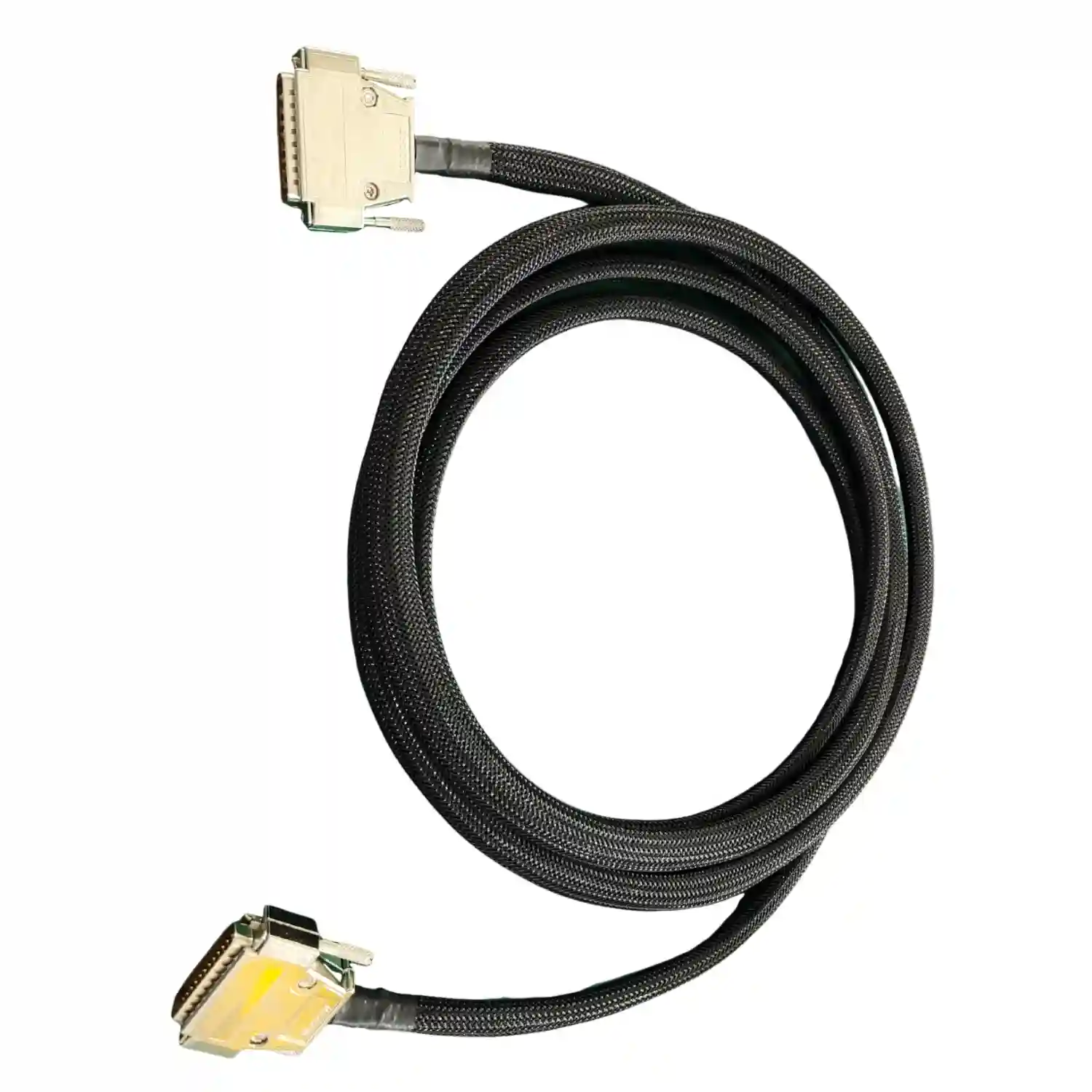
एक protective conduit का निर्णय, जो खरीद सूची में छोटा-सा line item दिखता है, installation के समय पूरे wire harness program को रोक सकता है। Drawing में सही circuits, terminals और connector housings हो सकते हैं, लेकिन यदि conduit का inside diameter गलत है, तो harness मशीन पर हर clip, grommet, enclosure entry और service bend के साथ संघर्ष करेगा।
2025 में, एक Australian industrial equipment manufacturer ने custom wire harness samples पर एक वर्ष लंबा field testing phase पूरा किया और हमें dimensional feedback भेजा। समस्या electrical continuity की नहीं थी। समस्या mechanical fit की थी: primary harness model में ऐसा conduit इस्तेमाल हुआ था जो final assembly requirement से मेल नहीं खाता था। Case bank numbers स्पष्ट थे: "15mm conduit size", "3 sample units", "200-piece batch size"। हमारी engineering team ने 15mm conduit feedback की समीक्षा की, corrected dimension पर customer के engineers के साथ काम किया, और updated samples तथा 200-piece production batch के लिए revised quote तैयार किया।
यही operational problem यह guide हल करती है। Conduit size harness build cost, lead time, routing clearance, abrasion resistance, noise, bend stiffness, grommet compression, और इस बात को प्रभावित करता है कि buyer को एक और sample loop के लिए भुगतान करना पड़ेगा या नहीं। यदि आप industrial, automotive, robotics, agricultural, या enclosure harnesses source करते हैं, तो conduit को generic tube नहीं, बल्कि engineered protection system के रूप में specify करना चाहिए।
यह लेख OEM buyers, sourcing engineers, SQE teams, और NPI managers के लिए लिखा गया है, जो RFQ release से पहले conduit options की तुलना कर रहे हैं। यह हमारे wiring harness materials guide, grommet design guide, tape wrapping guide, और factory wiring harness service page से जुड़ता है।
Conduit Size Harness Programs को क्यों बिगाड़ देता है
Conduit sizing पहले geometry problem है और उसके बाद material problem। जब circuits जोड़े जाते हैं, splices stagger किए जाते हैं, shields वापस मोड़े जाते हैं, labels overlap होते हैं, tape transitions लगाए जाते हैं, या drain wires को main branch के साथ route किया जाता है, तो wire bundle बड़ा हो जाता है। जो conduit bench पर loose wires के ऊपर फिट हो जाता है, वही production build में बहुत tight हो सकता है, क्योंकि actual build में branch tape, splice protection, heat shrink, tie points, और final labels शामिल होते हैं।
Under-sizing साफ समस्याएँ पैदा करता है: insertion कठिन हो जाता है, insulation दब जाती है, assembly labor बढ़ता है, और conduit edges पर abrasion होता है। Over-sizing अलग समस्याएँ पैदा करता है: loose fit, bundle rattle, कमजोर clip retention, बड़ा bend radius, enclosure crowding, और grommet leakage, क्योंकि protected branch सही तरह compress नहीं होती। दोनों failures continuity test pass कर सकते हैं और फिर भी field complaints पैदा कर सकते हैं।
Buying risk यह है कि conduit अक्सर देर से चुना जाता है। Procurement harness design लगभग freeze होने के बाद low-cost corrugated tube approve कर सकता है, और फिर pilot install में पता चलता है कि tube branch stiffness बदल देता है या grommet लगे होने पर 22 mm hole से pass नहीं होता। यह delay महंगा है, क्योंकि fix के लिए नए samples, revised drawings, updated work instructions, और retesting की जरूरत पड़ सकती है।
"Conduit sizing के लिए, मैं buyers से केवल wire count नहीं, बल्कि finished bundle OD मांगता हूं। दो splices और heat-shrink transition वाली 12-wire branch को clean 12-wire branch से अलग conduit चाहिए हो सकता है, भले schematic identical हो।"
Workmanship expectations को भी recognized standards से जोड़ा जाना चाहिए। IPC-A-620 को routing, protection, और workmanship criteria के लिए cable और wire harness acceptance reference के रूप में commonly use किया जाता है। UL recognition और UL-758 appliance wiring material constraints protected bundles के अंदर wire insulation और temperature ratings को प्रभावित कर सकते हैं। Automotive programs के लिए, IATF 16949 quality-system expectations PPAP या customer signoff के बाद uncontrolled material और process changes को justify करना कठिन बना देती हैं।
Corrugated Tubing या Sleeve चुनने से पहले Core Inputs
Catalog nominal size से शुरू न करें। Finished branch से शुरू करें। Supplier को straight sections, branch exits, splice zones, label zones, और grommet interfaces पर maximum bundle outside diameter चाहिए। Split conduit के लिए closure behavior महत्वपूर्ण है। Non-split conduit के लिए, सबसे बड़ा connector या pre-installed terminal यह तय कर सकता है कि conduit termination से पहले लगाया जा सकता है या बाद में।
Practical fill target material और service environment पर निर्भर करता है। कई static industrial harness branches में, buyers को rigid conduit को इतना tightly fill करने से बचना चाहिए कि operators को bundle को force करके निकालना पड़े। Static routing के लिए एक उपयोगी शुरुआती target है कि finished bundle को usable conduit ID के लगभग 70% से 80% से नीचे रखा जाए, फिर bend radius, installation method, और conduit split है या नहीं, इसके आधार पर adjust किया जाए। Dynamic service, high vibration, या serviceable branches को अधिक clearance और बेहतर edge control की जरूरत हो सकती है।
ये inputs सबसे अधिक RFQ clarification loops रोकते हैं:
- Finished bundle OD range millimeters में, largest tape, splice, shield, या heat-shrink section पर measured।
- Required conduit type: split corrugated tube, closed corrugated tube, braided sleeve, spiral wrap, PVC tube, PA/PP conduit, या metal conduit।
- Routing path, clip spacing, grommet location, और minimum bend radius।
- Environment: abrasion, oil, coolant, UV, washdown, temperature, vibration, और service access।
- Installation sequence: conduit crimping से पहले, termination के बाद, या final harness board assembly के दौरान install होगा।
- Compliance targets जैसे IPC-A-620 workmanship, UL-758 wire rating, RoHS, REACH, और customer-specific automotive requirements।
Comparison Table: आम Harness Protection Options
| Protection Option | सबसे अच्छा उपयोग | Size Decision | मुख्य जोखिम | Cost / Lead-Time Impact |
|---|---|---|---|---|
| Split corrugated conduit | Industrial और vehicle branches जिन्हें तेज service access चाहिए | Bundle OD के साथ split closure और tape transitions के लिए जगह | Loose fit rattle कर सकता है; tight fit slit पर insulation दबा सकता है | Low to moderate cost; common sizes आमतौर पर 1-2 weeks |
| Closed corrugated conduit | जहां conduit final termination से पहले install हो और retention अधिक चाहिए | Largest bundle section और installation sequence feasibility तय करते हैं | Late connector changes installation को impossible बना सकते हैं | यदि harness board पर preloaded हो तो moderate labor |
| PET braided sleeve | Lower stiffness और clean appearance के साथ abrasion protection | Expandable sleeve range max OD और recovery grip को cover करे | Fraying, कमजोर end treatment, या branch exits पर poor coverage | Moderate cost; labor end sealing और branch count पर निर्भर |
| Spiral wrap | Retrofit, small batches, या branches जिन्हें cable breakout flexibility चाहिए | Wrapping के बाद wrap pitch और OD clips तथा glands में fit होने चाहिए | यदि control न हो तो slow assembly और inconsistent pitch | Low material cost; long branches पर higher labor |
| PVC or PU tube | Simple point-to-point protection, fluid splash, या smooth wipe-down | ID, wall thickness, temperature, और chemical exposure सभी मायने रखते हैं | Cold stiffness, chemical swelling, या trapped moisture | Low to moderate cost; custom colors 2-4 weeks जोड़ सकते हैं |
| Metal conduit or overbraid | High abrasion, heat, shielding, या rodent-resistant environments | Termination पर clearance और bend radius को जल्दी check करना चाहिए | Weight, grounding complexity, sharp edges, और slower assembly | Higher cost; longer sourcing और inspection cycle |
Table दिखाती है कि conduit selection को "10 mm versus 15 mm" तक सीमित नहीं किया जा सकता। सही उत्तर इस पर निर्भर करता है कि branch कैसे बनाई गई है, कहां move करती है, कैसे clipped है, और release से पहले buyer को कौन-सा evidence चाहिए।
Engineering Trade-Offs जिन्हें Buyers को Control करना चाहिए
Fill Ratio और Assembly Labor
Tight conduit CAD में efficient दिख सकता है, लेकिन production line पर महंगा हो सकता है। Operators को bundle feed करने, twisted wires को straight करने, या insertion के दौरान terminals protect करने में extra time लग सकता है। यदि conduit insertion हर harness में 30 seconds जोड़ता है और monthly volume 2,000 pieces है, तो scrap और rework गिनने से पहले ही हर महीने 16 से अधिक extra labor hours बनते हैं। Supplier से conduit decision को expected process impact के साथ quote करने को कहें, केवल material price के साथ नहीं।
Bend Radius और Branch Stiffness
Conduit stiffness बढ़ाता है। Straight layout में fit होने वाली protected branch tight machine corner से route होने पर connector के against push कर सकती है। यदि branch sealed connector से exit करती है, तो added stiffness stress को terminal cavity या seal interface में transfer कर सकती है। Conduit decisions को strain relief और routing rules से जोड़ें, खासकर उन branches के लिए जो pumps, motors, sensors, battery modules, या moving equipment से connected हैं।
Grommet और Clip Fit
कई conduit failures interfaces पर दिखाई देते हैं। जो conduit OD open routing में acceptable है, वही grommet, P-clip, enclosure gland, या molded bracket पर गलत हो सकता है। जब conduit OD बदलता है, तो पूरी stack check करें: wire bundle, tape overlap, conduit wall, grommet compression, clip diameter, और tolerance। हमारा waterproof cable assembly page बताता है कि sealing interfaces को इस तरह की dimensional discipline क्यों चाहिए।
Material Temperature और Chemical Exposure
Polypropylene, polyamide, PVC, polyurethane, PET, और metal conduit heat, oil, coolant, cleaning chemicals, UV, या cold flex में एक जैसा व्यवहार नहीं करते। Buyers को "industrial grade" protection मांगने के बजाय service temperature range और chemical list बतानी चाहिए। Engine, hydraulic system, agricultural sprayer, battery cabinet, या washdown robot के पास routed harness को indoor control cabinet की तुलना में अलग material decision चाहिए।
"गलत conduit आमतौर पर electrical failure से पहले mechanical failure पैदा करता है। Harness 100% continuity pass कर सकता है, फिर fail हो सकता है क्योंकि branch clip में बैठ नहीं पाती, grommet से seal नहीं करती, या machine frame पर abrasion survive नहीं करती।"
Production Release से पहले Validation Evidence
Buyers को risk के proportion में evidence मांगना चाहिए। Low-risk static cabinet harness को dimensional photos, fit check, और continuity test की जरूरत हो सकती है। Vehicle, outdoor industrial, agricultural, या robotics harness को abrasion review, temperature exposure, vibration consideration, branch exits पर pull या retention checks, और first article report की जरूरत हो सकती है। Controlled automotive programs में sample approval के बाद conduit changes के लिए customer notification या PPAP impact review भी जरूरी हो सकता है।
Conduit-controlled harnesses के लिए practical first article package में ये शामिल होते हैं:
- Conduit से पहले measured finished bundle OD और conduit या sleeve installation के बाद measured final OD।
- Branch exits, conduit ends, tape transitions, grommet interfaces, clips, labels, और connector backshells की photos।
- जहां product specification मांगती है, वहां continuity और hipot results।
- Agreed class या customer criteria के against workmanship inspection, आम तौर पर IPC-A-620 reference के साथ।
- RoHS, REACH, flame rating, UL-related wire constraints, और customer chemical restrictions के लिए material declarations।
- Installation notes जो दिखाते हैं कि conduit crimping से पहले या बाद में fit होता है और special tooling चाहिए या नहीं।
पहले बताए गए Australian industrial project में, 15mm conduit feedback से lesson सरल था: dimensional validation installed sample पर होनी चाहिए, केवल harness board drawing में नहीं। 3 sample units ने 200-piece batch से पहले correction के लिए controlled path बनाया। यह उस स्थिति से कहीं सस्ता है जहां सभी production material cut, labeled, और packed होने के बाद वही समस्या मिले।
Conduit-Controlled Harnesses के लिए RFQ Checklist
Schematic से अधिक भेजें। Supplier तेजी से और कम assumptions के साथ quote कर सकता है जब RFQ में mechanical installation data शामिल होता है। यदि conduit size अभी खुला है, तो दो options मांगें: lowest-risk fit और lowest-cost fit। फर्क अक्सर material में कुछ cents का होता है, लेकिन sample feedback या assembly time में कई दिनों का हो सकता है।
- Drawing, wire list, BOM, और कोई existing sample photos।
- यदि known हो तो target conduit size, साथ में clips, grommets, और enclosure entries पर acceptable OD limits।
- Quantity: prototype, pilot, और production volume, जिसमें first release quantity और annual forecast शामिल हों।
- Environment: temperature range, oil, coolant, UV, washdown, abrasion, vibration, और movement।
- Target lead time और यह कि bulk PO से पहले samples चाहिए या नहीं।
- Compliance target: IPC-A-620 class expectation, UL-758 related wire constraints, RoHS, REACH, IATF 16949, या customer-specific rules।
- Required deliverables: DFM review, quote, lead-time risk, sample photos, test report, और first article inspection record।
"जब buyer RFQ के साथ conduit OD limits, clip drawings, और target lead time भेजता है, तो हम real engineering risk को routine sourcing से अलग कर सकते हैं। इससे अक्सर quoting से पहले एक पूरा clarification loop बच जाता है।"
अक्सर पूछे जाने वाले प्रश्न
Wire harness के लिए सही conduit size कैसे चुनूं?
Finished bundle OD को largest point पर measure करें, जिसमें splices, tape, labels, shield folds, और heat shrink शामिल हों। कई static branches के लिए ऐसे conduit ID से शुरू करें जो लगभग 20% से 30% free space छोड़े, फिर release से पहले bend radius, clip fit, grommet fit, और installation sequence confirm करें।
क्या industrial wire harness के लिए 15mm conduit पर्याप्त है?
केवल तब, जब finished bundle, tape transitions, और installation path उस mechanical envelope के अंदर fit हों। हमारे 2025 Australian industrial case में, 3 sample units पर 15mm conduit size final assembly requirement से match नहीं हुआ, इसलिए 200-piece batch से पहले design की review करनी पड़ी।
Split conduit और closed conduit में क्या अंतर है?
Split conduit termination के बाद install किया जा सकता है और service access support करता है, लेकिन fill बहुत tight हो तो slit insulation को pinch कर सकता है। Closed conduit में retention बेहतर होती है, लेकिन आमतौर पर इसे final connector termination से पहले install करना पड़ता है, इसलिए connector size और process sequence को जल्दी check करना चाहिए।
Harness assemblies में conduit workmanship पर कौन-सा standard लागू होता है?
कई buyers cable और wire harness assemblies के लिए IPC-A-620 को workmanship reference के रूप में use करते हैं। यह drawing को replace नहीं करता, लेकिन routing, protection, damage, और acceptance criteria के लिए common inspection language देता है। UL-758 तब महत्वपूर्ण हो सकता है जब appliance wiring materials और insulation ratings requirement का हिस्सा हों।
Conduit choice lead time को कितना प्रभावित करती है?
Common split corrugated conduit sizes stock available होने पर केवल 1-2 weeks जोड़ सकते हैं। Custom colors, uncommon diameters, metal protection, special flame ratings, या customer-approved sources 2-6 weeks जोड़ सकते हैं, खासकर यदि production से पहले samples और material declarations जरूरी हों।
Conduit-controlled harness quote पाने के लिए मुझे क्या भेजना चाहिए?
Drawing, BOM, quantity, target conduit size, bundle OD limits, clip या grommet drawings, environment, target lead time, और compliance target भेजें। एक मजबूत supplier को DFM review, realistic quote, material lead-time notes, और samples या first article approval के लिए validation plan लौटाना चाहिए।
अपने अगले Harness PO से पहले Conduit Size Lock करने में मदद चाहिए?
अपनी drawing, BOM, current sample photos, target quantity, environment, target lead time, और compliance target भेजें। जिस conduit size पर आप विचार कर रहे हैं, उसे शामिल करें, साथ में कोई clip या grommet drawings और हर installation point पर maximum allowable OD भी दें।
हम DFM review, conduit-size recommendation, cost और lead-time notes, sample या first article validation plan, और prototype या production harnesses के लिए quote लौटाएंगे। यदि design production के लिए ready नहीं है, तो हम dimensional risks को assembly floor पर rework बनने से पहले flag करेंगे।
हमारी engineering team से संपर्क करें ताकि PO release करने से पहले आपके conduit-controlled wire harness की review हो सके।