Wire Harness Rework ServiceFor OEM Batch Rescue
Wire harness rework is a controlled repair process that restores a nonconforming harness batch to the approved drawing, BOM, pinout, appearance, and test plan before it returns to stock or shipment. We use it for connector color deviations, wrong cavity insertion, damaged terminals, late drawing corrections, label changes, and approved component substitutions. The point is not to hide a defect. The point is to isolate the lot, define the repair method, replace or depin only what engineering approves, then re-test every affected circuit with traceable evidence.
TL;DR
- Use rework for controlled connector, terminal, label, color, cavity, splice, or drawing-deviation corrections.
- Send the defect description, photos, drawing revision, quantity, approval rule, and required test evidence.
- We isolate the lot, define the repair sequence, perform approved work, then retest affected harnesses.
- Best fit: OEM batches where scrapping material would waste schedule, connectors, or approved production capacity.
Wire Harness Rework Controls
A rework order only works when repair limits, inspection points, and final release evidence are defined before anyone touches the batch.
Lot isolation and defect definition
A rework lot is a quarantined group of harnesses that share the same suspected deviation. We separate affected units, record the drawing revision, identify the defect trigger, and define whether the issue is cosmetic, electrical, mechanical, sealing-related, or documentation-related before repair starts.
Connector replacement and depinning
Connector replacement is the controlled removal and installation of an approved housing, terminal, seal, lock, plug, or backshell. Depinning is only accepted when the terminal, cavity, lance, and seal can be restored without hidden retention risk.
Crimp, splice, label, and appearance corrections
Cable assembly rework can include terminal replacement, crimp correction, adhesive heat shrink replacement, branch label updates, sleeve changes, connector housing color correction, or packing relabeling. We separate appearance-only work from electrical or sealing work because the retest plan changes.
Engineering approval before production release
A deviation is an approved departure from the released requirement. We treat deviation closure as an engineering activity, not a bench shortcut, so the customer knows exactly which parts were changed, which inspection criteria were used, and which units were released.
100% electrical retest after affected work
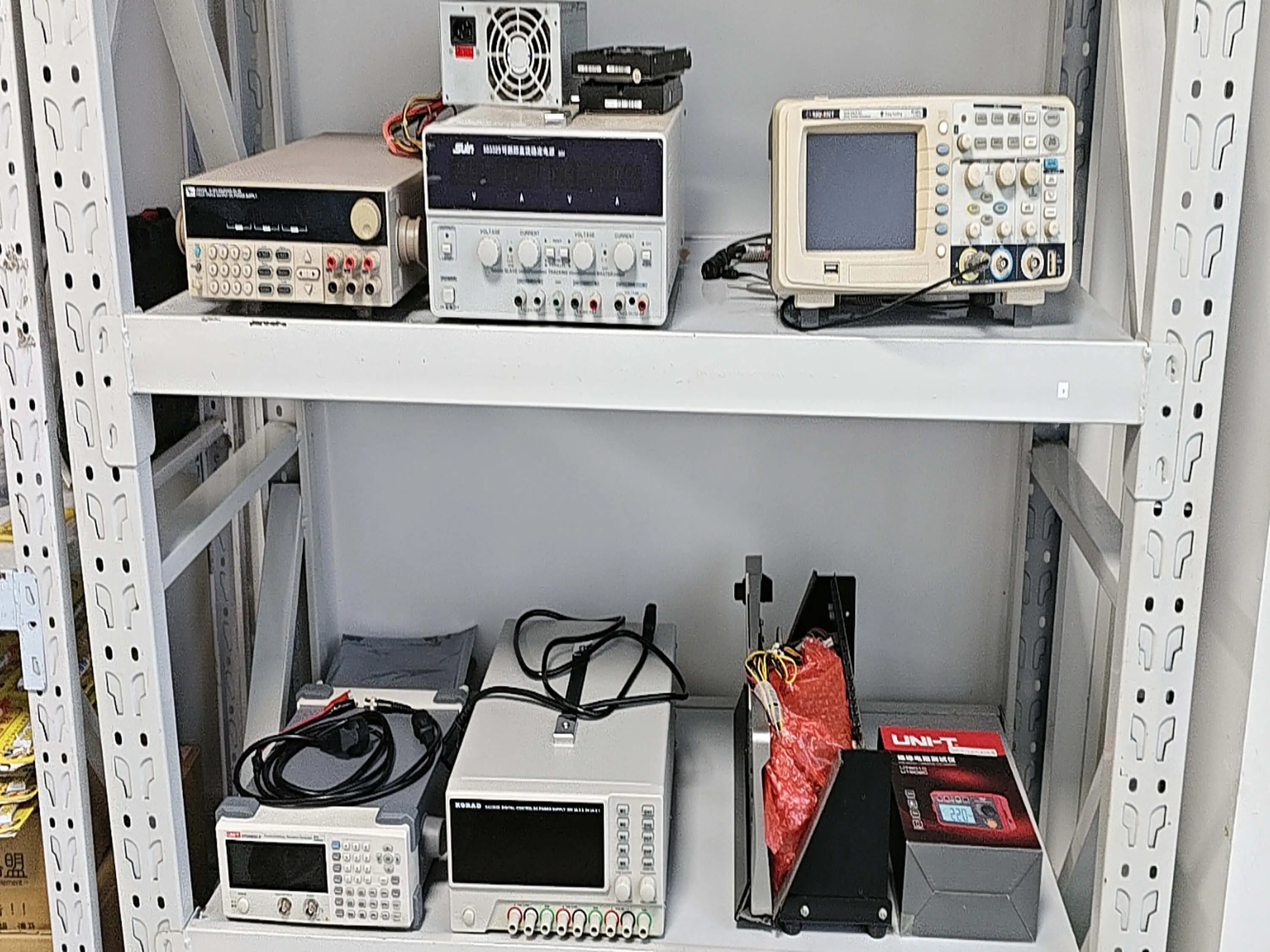
Every reworked harness receives the agreed electrical checks before release. For simple connector color correction, continuity and visual checks may be enough. For terminal, seal, or pinout changes, the plan can include continuity, polarity, shorts, insulation resistance, hipot, or pull-force sampling.
Root-cause feedback for repeat production
Rework should prevent the next batch from repeating the same issue. We feed the cause back into incoming inspection, connector sourcing, operator instructions, assembly-board notes, label files, tester programs, and packaging records before the next production release.
An anonymized wire-harness case from the project case bank used to anchor this service page.
Industry
electrical-supply
Region
US
Year
2024
Scenario
A US electrical supply distributor required custom wire harnesses with specific Molex connectors, but a production batch had a dyeing/color deviation on the connector housings.
Challenge
Approximately 200 pieces of the wire harness assembly had connector coloring that did not match the strict aesthetic and technical requirements, risking rejection and project delay.
Solution
Implemented a rapid rework process where the 200 pieces were returned and the connectors were correctly dyed and replaced, while tightening in-process quality control for custom color specifications.
Result
Successfully reworked and delivered the batch without losing the client's trust; the client continued to place repeat orders in the following months without quality complaints.
Concrete Numbers
Anonymized from a real project. Specific buyer identifiers withheld; numbers quoted verbatim from project records.
When Rework Is the Right Path
Rework fits batches where the repair method is controlled, the value of recovery is higher than scrap, and engineering can approve clear acceptance criteria.
Connector color or housing deviation
Batches where the electrical function is correct but housing color, keying, marking, or customer appearance requirements need correction before acceptance.
Wrong cavity or pinout correction
Harnesses with one or more wires inserted into the wrong cavity, requiring controlled depinning, terminal inspection, cavity-map verification, and electrical retest.
Terminal, seal, or lock replacement
Connector systems where damaged contacts, seals, secondary locks, or cavity plugs must be replaced with approved parts instead of reused.
Late drawing or label revision
Pilot and production batches where branch labels, heat shrink markings, connector tags, or packaging labels need revision alignment before shipment.
Incomplete RFQ cleanup before sampling
Programs where missing relay models, Deutsch connector models, enclosure details, or pinout fields need engineering closure before sample and batch release.
Service replacement batch recovery
Replacement harness sets where connector compatibility, labels, and test records must match the installed equipment to avoid field wiring errors.
Rework Scope and Release Table

How We Decide Rework vs Scrap
A senior factory engineer should make the recovery decision from risk, not from sunk cost.
Repair only when the interface can be proven
We recommend rework when connector retention, seal compression, crimp quality, pinout, label control, and electrical test can be verified after the repair. If depinning damages a terminal lance or seal, replacement is safer than reuse.
Scrap when hidden risk cannot be tested out
Some faults are not good rework candidates. Heat damage, crushed insulation under a sealed boot, unknown conductor nicking, or unapproved terminal substitutions can leave risk that continuity testing will not reveal.
Second case shows why clarification prevents rework
An Australian heavy machinery manufacturer had missing specifications, including relay models, Deutsch connector models, and Hammond enclosure details. The clarification process enabled accurate quoting for 3 sample units and the 200-piece production run.
Rework records protect the next release
The final output should be more than repaired hardware. It should include what changed, why it changed, which units were affected, how they were tested, and what work instruction or sourcing control prevents the same issue from returning.
Standards and References Used During Rework Review
For buyer qualification, wire harness rework should be tied to workmanship, connector, and quality-system references instead of informal repair habits.
IPC workmanship context
Public background on IPC standards used when buyers define wire harness workmanship and inspection expectations.
Electrical connector fundamentals
Useful reference for connector housings, contacts, retention features, mating behavior, and why depinning must protect the interface.
ISO 9000 quality systems
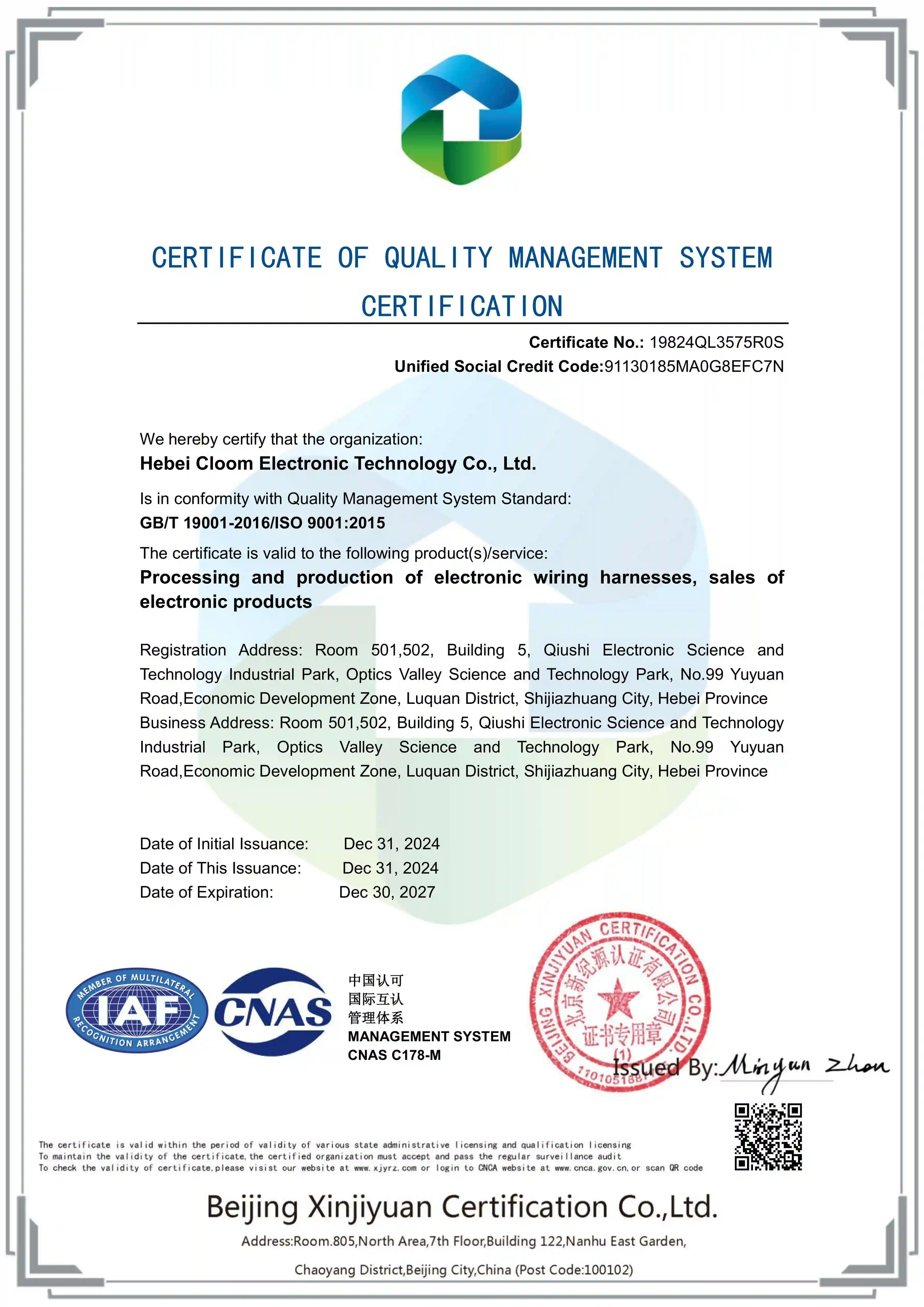
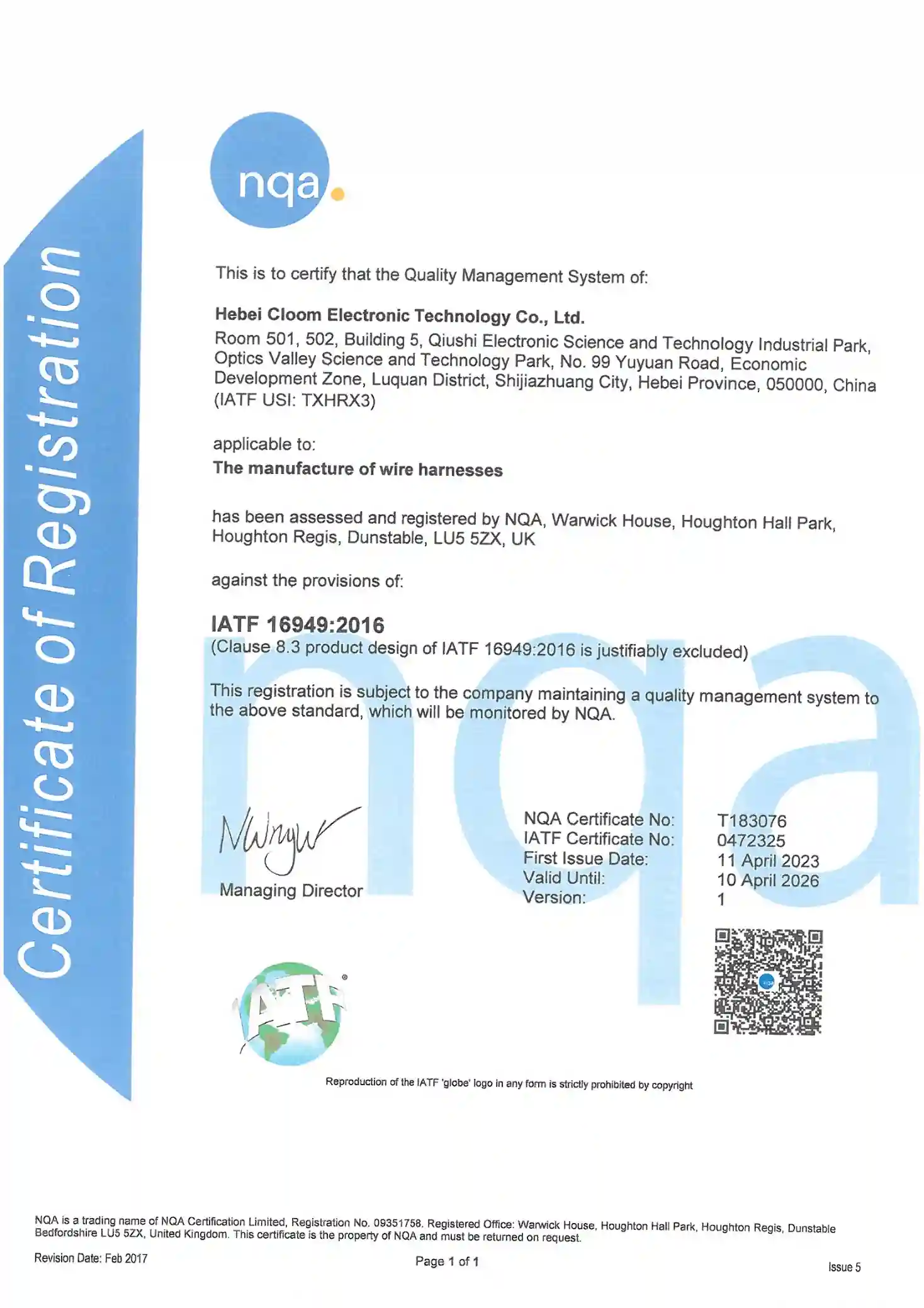
Reference background for documented quality-management practice, corrective action, records, and repeatable release control.
Factory Engineering Review
Hommer Zhao
Wire harness and cable assembly manufacturing specialist
Need a Wire Harness Batch Reworked Safely?
Send the defect photos, affected quantity, drawing revision, connector part numbers, acceptance criteria, and required test evidence. We will tell you whether to rework, rebuild, or scrap before the batch consumes more time.
Send This With Your Rework RFQ
Defect description, photos, affected quantity, lot number, drawing revision, BOM, and customer acceptance rule.
Connector part numbers, terminal and seal details, pinout, cavity map, label files, packaging requirement, and approved alternates.
Whether the batch is held at our factory, your warehouse, a freight forwarder, or already in field-service stock.
Required release evidence: visual report, continuity, pinout, pull-force, insulation resistance, hipot, CoC, or first-article photos.
What You Get Back
Rework feasibility review with repair, scrap, or use-as-is recommendation.
Rework instruction, material requirement, lead-time estimate, and inspection checkpoint list.
Retest plan mapped to the affected work, not a generic pass/fail note.
Release evidence and corrective-action feedback for the next production batch.
Wire Harness Rework Questions Buyers Ask
Answers for procurement, engineering, and supplier-quality teams deciding whether a batch can be recovered.
Can you rework a wire harness batch if the connector color is wrong?
Yes, when the connector family, dyeing or housing specification, and acceptance rule are clear. In one case-bank project, 200 pieces reworked with Molex connectors and a custom dyeing specification were returned, corrected, retested, and delivered after the color deviation was contained.
I need 200 harnesses corrected after a drawing change. Is rework safer than rebuilding?
Rework is safer when the changed item can be isolated and retested, such as a label, connector housing, cavity position, or approved terminal replacement. Rebuilding is safer when the defect could hide conductor damage, insulation nicks, seal damage, or a crimp condition that cannot be verified after repair.
What test evidence should I require after connector depinning?
At minimum, require cavity-map verification, continuity, polarity, and visual inspection after depinning. For sealed or vibration-exposed harnesses, add terminal replacement rules, pull-force sampling where specified, seal inspection, and an IPC-A-620 workmanship review before the batch returns to stock.
Can you quote rework from photos only?
Photos are useful for triage, but a controlled quote also needs the drawing revision, BOM, affected quantity, connector part numbers, pinout, acceptance criteria, and required test report. The Australian heavy-machinery case showed why missing relay models, Deutsch connector models, and Hammond enclosures had to be clarified before a 200-piece batch could be quoted accurately.
How fast can a rework order be completed?
Timing depends on material availability, quantity, and test scope. A connector or label correction can move quickly when approved parts are in stock; a sealed connector replacement may wait on terminals, seals, or locks. We separate material-ready date from bench time so the schedule is visible.
What rework is not acceptable for production harnesses?
We do not recommend rework that hides unverified damage or changes the approved design without written authorization. Examples include reusing a damaged terminal, forcing a mismatched seal, changing a connector family without approval, or releasing a repaired harness without the electrical and visual tests tied to the affected work.