SMA Connector Cable Assemblyfor RFQ-Ready Builds
SMA cable assembly buyers usually need more than a connector crimp. We review the SMA gender, polarity, cable type, impedance, bend radius, strain relief, length tolerance, and RF test plan before quoting so prototype samples and repeat orders follow the same controlled build.
TL;DR
- SMA connector cable assembly is a 50 ohm RF coax build with controlled connector, cable, and test details.
- Send SMA gender, polarity, cable type, length, quantity, frequency band, and VSWR or insertion-loss target.
- We support prototype lots, small batches, and repeat production with connector sourcing and test evidence.
- IPC-A-620 workmanship, UL-758 wire context, and ISO 9001-style records guide supplier approval.
SMA Cable Assembly Capabilities Buyers Actually Need
The page is written for procurement engineers comparing RF cable suppliers before releasing samples, pilots, or production POs.
SMA Connector and Cable Matching
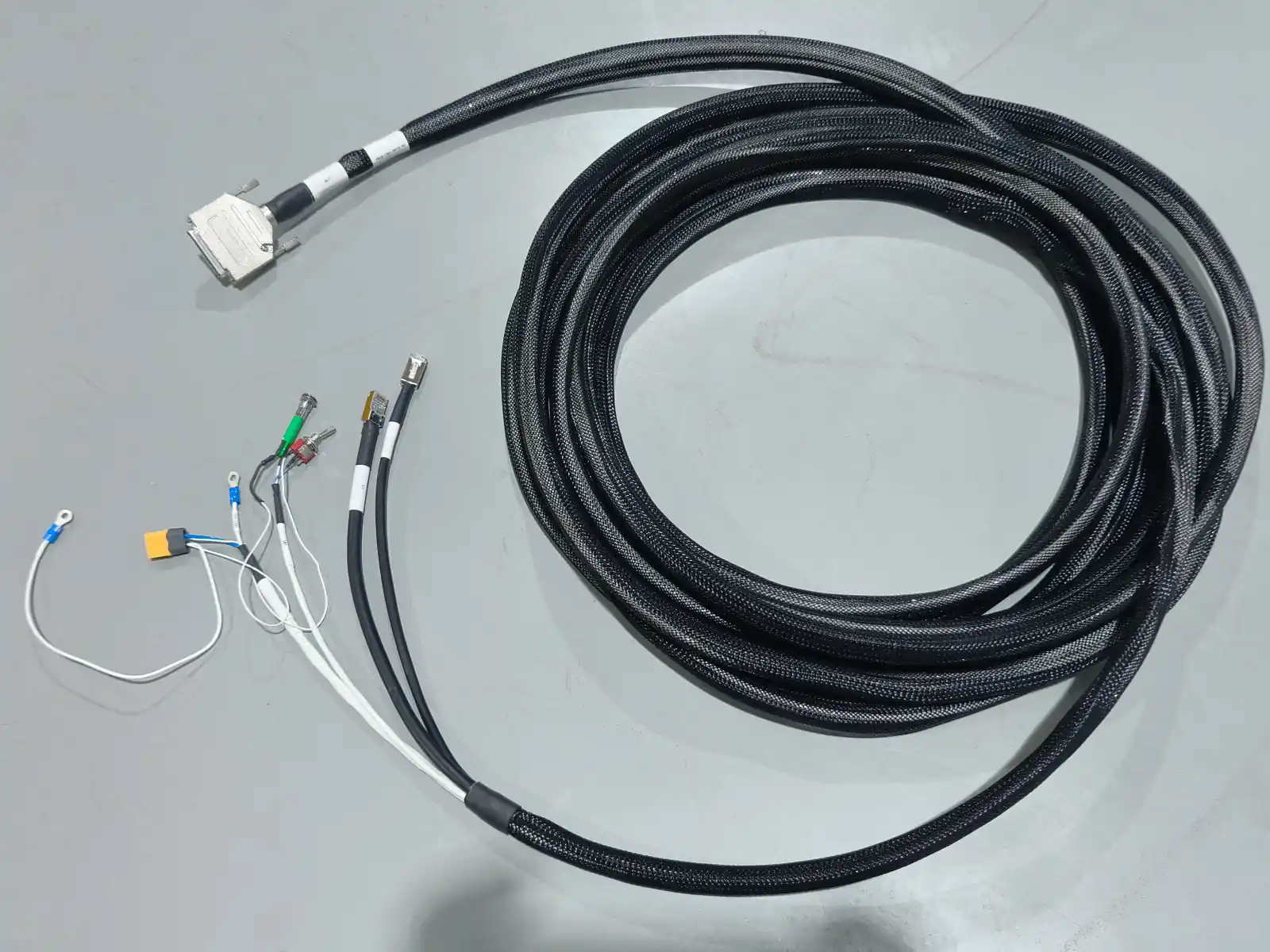
SMA connector cable assembly is a custom RF coaxial assembly that combines an SMA plug, jack, bulkhead, right-angle, or reverse-polarity interface with a specified coaxial cable and controlled termination process. We check the connector body, dielectric, ferrule, center contact, and cable compatibility before quote release.
Controlled RF and Mechanical Requirements
An SMA RF cable is a signal path where length tolerance, shield preparation, center-pin soldering or crimping, bend radius, and connector torque can change field performance. We turn those assumptions into quote notes and inspection checkpoints.
Connector Sourcing and Alternate Review
SMA connector sourcing is a controlled procurement step that compares approved manufacturer part numbers, mating hardware, plating, frequency rating, and availability before sampling. We flag substitutions instead of hiding them inside a low quote.
Prototype to Repeat Production Handoff
A production-ready SMA cable assembly needs the same connector, cut length, strip dimensions, solder or crimp method, test scope, and packaging rule after sample approval. We lock those details so repeat POs do not drift from the approved sample.
An anonymized case-bank example showing why impedance and test-method control matter in compact RF cable assemblies.
Industry
thermal-imaging
Region
Belgium
Year
2020-2021
Scenario
A European thermal imaging OEM experienced a critical production halt due to high impedance defects in a micro-coaxial cable assembly used for a beta production series.
Challenge
1296 out of 2000 units of AWG#40 CABLINE-VS 1:1 100mm micro-coax assemblies failed due to high impedance, leading to order cancellation, a demand for refunds, and a major trust deficit.
Solution
Halted production immediately and conducted joint technical analysis with the customer's engineering team to identify the root cause (specification definition and testing method mismatch). Updated specifications, provided new test reports, manufactured new samples, and processed a replacement order for the defective units.
Result
Successfully resolved the quality complaint, secured a replacement order for the 1296 defective units, and maintained the long-term partnership despite the severe initial defect rate.
Concrete Numbers
Anonymized from a real project. Specific buyer identifiers withheld; numbers quoted verbatim from project records.
Where SMA Connector Cable Assemblies Fit
Common RFQ situations where a catalog jumper is not enough because routing, test evidence, or procurement control matters.
Wireless Modules and Antenna Leads
Wi-Fi, LTE, GNSS, LoRa, telemetry, gateway, and compact antenna pigtails where the SMA interface must match the enclosure, antenna, and mating device.
Industrial Test and Measurement
Signal generator, sensor, analyzer, laboratory, calibration, and production-test fixtures where repeatable length, shielding, and connector durability matter.
Thermal Imaging and Vision Systems
Compact imaging equipment, camera modules, and high-frequency sensor links where micro-coax handling and impedance evidence reduce beta-build failure risk.
Vehicle, Marine, and Outdoor Electronics
Antenna extensions, sealed enclosure leads, navigation devices, and data radios that may need heat shrink, boots, connector caps, or ruggedized strain relief.
Robotics and Automation Equipment
Motion-control, wireless telemetry, and machine-monitoring assemblies where routing space, bend radius, label control, and approved alternates affect uptime.
Low-Volume NPI and Service Kits
Prototype, pilot, repair, and aftermarket kits where buyers need controlled drawings, bag labels, and repeatable small-batch manufacturing.
RFQ and Manufacturing Scope

How We Reduce SMA RFQ Risk
SMA assemblies are small, but commercial mistakes are expensive when the wrong polarity, cable, or test scope reaches a buyer's line.
We Confirm SMA Polarity Before Quoting
SMA and RP-SMA parts can look similar in a fast RFQ, while the center contact and mating interface change the build. We ask for mating photos, part numbers, or drawings before releasing a quote that depends on connector identity.
We Treat RF Test Scope as a Buyer Decision
Continuity proves the conductor path, but it does not prove VSWR, insertion loss, or impedance behavior. We separate baseline electrical checks from RF performance tests so cost and evidence are transparent.
We Control Substitutions in Writing
When an SMA connector or coax cable is unavailable, we compare plated finish, dielectric, frequency rating, body geometry, and mating fit before proposing an alternate. Procurement sees the trade-off before approving samples.
We Build for Repeatable Packout
SMA contacts and threads are easy to damage in transit. We can add connector caps, ESD packaging, carton photos, and lot labels so incoming inspection can confirm the same build that passed final test.
Standards and RF References Buyers Commonly Check
For supplier qualification, SMA cable programs usually connect workmanship control, recognized RF interface terminology, and documented quality-system expectations.
SMA Connector Background
Useful neutral reference for the SMA connector family and RF connector terminology during buyer review.
IPC Workmanship Context
Helpful background when comparing cable and harness workmanship expectations across suppliers.
ISO 9000 Quality Systems
Useful reference when buyers compare documented quality-management systems for repeatable production.
Factory Engineering Review
WellPCB Wire Harness Production Engineering Team
Cable assembly supplier team supporting RF, industrial, automotive, and medical OEM cable programs
Ready to Quote an SMA Connector Cable Assembly?
Send your drawing, SMA connector details, coax cable type, length, quantity, frequency band, and test requirement. We will return connector-risk notes, sample timing, and a production-ready quote path.
Send This With Your SMA RFQ
SMA or RP-SMA part numbers, mating interface photos, and cable type
Finished length, tolerance, quantity, target sample date, and annual forecast
Frequency band, VSWR or insertion-loss target, label, boot, and packaging requirements
What You Get Back
Connector and cable compatibility review with risk notes
Quoted sample lead time, production lead time, and MOQ basis
Recommended test scope, packout method, and documentation plan
Buyer Questions Before Releasing an SMA Cable RFQ
The checks that prevent connector mismatch, RF under-testing, and late sourcing surprises.
What should I send to quote an SMA connector cable assembly accurately?
Send the drawing, SMA or RP-SMA part numbers, mating photos, coax cable type, finished length, tolerance, quantity, frequency band, RF test target, label, and packaging requirements. If the connector is not locked, we can review approved alternates before sampling.
Can you support small batches before production release?
Yes. A comparable industrial automation case used 100-120 unit batches, 2-3 weeks lead time after payment, and 5 connector/housing variants per assembly. That is the kind of commercial detail we confirm before the first PO.
Do all SMA assemblies need VSWR testing?
No. Low-risk internal leads may only need continuity and polarity, while antenna, test, or high-frequency assemblies often need VSWR or insertion-loss evidence. We quote the test scope separately so buyers can approve the right evidence level.