Rosenberger RF and Automotive Cable Assembly

Rosenberger Connector Cable Assemblyfor Controlled RFQs

Rosenberger connector cable assembly buyers usually need a build-to-print partner who can review the connector family, mating interface, cable type, impedance target, crimp method, label rule, and final test evidence before the first sample leaves the factory.

Rosenberger mating review before quote"5 premium connector brands" case-bank sourcingIPC-A-620 / UL-758 / IATF 16949 review
24 hrs
RFQ screen
5 brands
Case-bank sourcing mix
100%
Continuity plan
IATF
16949 review ready

TL;DR

  • Rosenberger connector cable assembly is a custom RF or data cable build using specified Rosenberger interfaces.
  • Send connector part numbers, cable type, impedance, length, quantity, mating details, and RF or electrical test scope.
  • We support prototype samples, low-volume batches, and repeat production with sourcing-risk notes before PO.
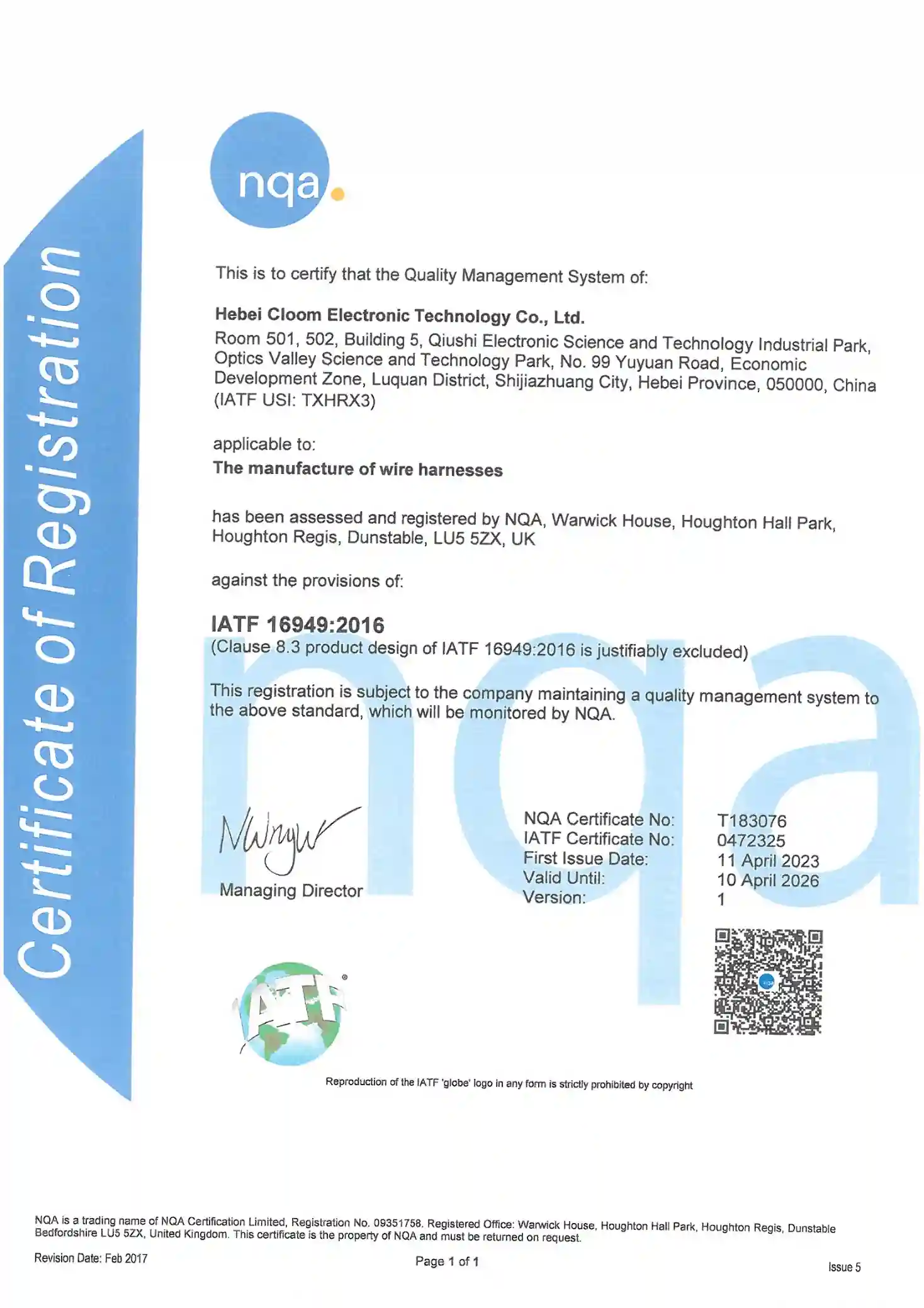
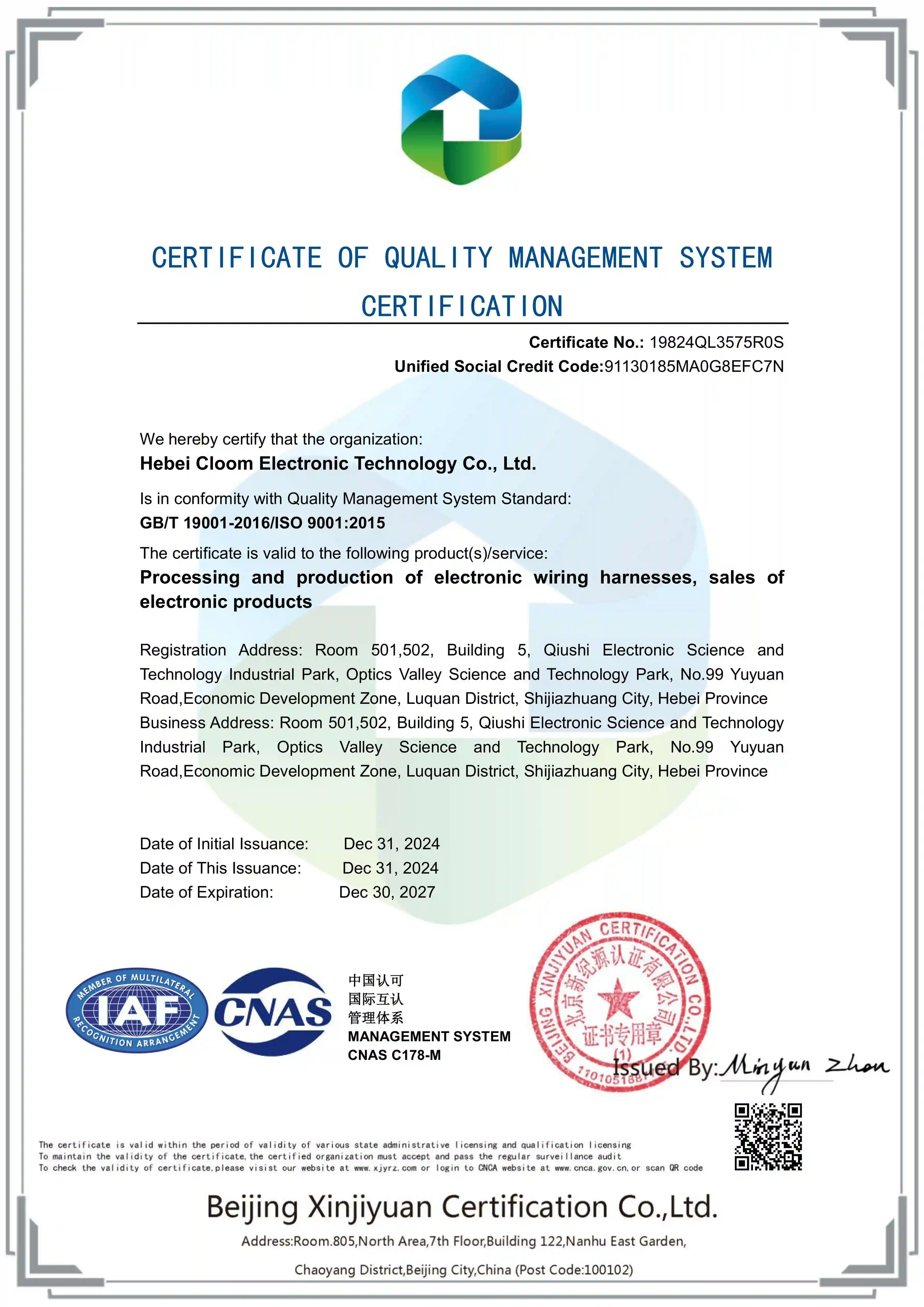
  • IPC-A-620, UL-758, ISO 9001, and IATF 16949 context guide supplier review when applicable.

Rosenberger Cable Assembly Capabilities

Built for procurement engineers comparing RF, automotive, robotics, and industrial cable suppliers before sample release.

Connector Family and Mating Review

A Rosenberger connector is a precision interconnect used in RF, automotive data, test, telecom, and high-reliability equipment. We review FAKRA, HSD, HFM, coaxial, board-edge, bulkhead, right-angle, and customer-specified Rosenberger interfaces against the mating device before quotation.

FAKRA, HSD, HFM, coaxial, and customer-approved interfaces
Mating connector, keying, gender, coding, and housing checks
Authorized-channel preference and approved alternates only
RF, Data, and Mechanical Controls

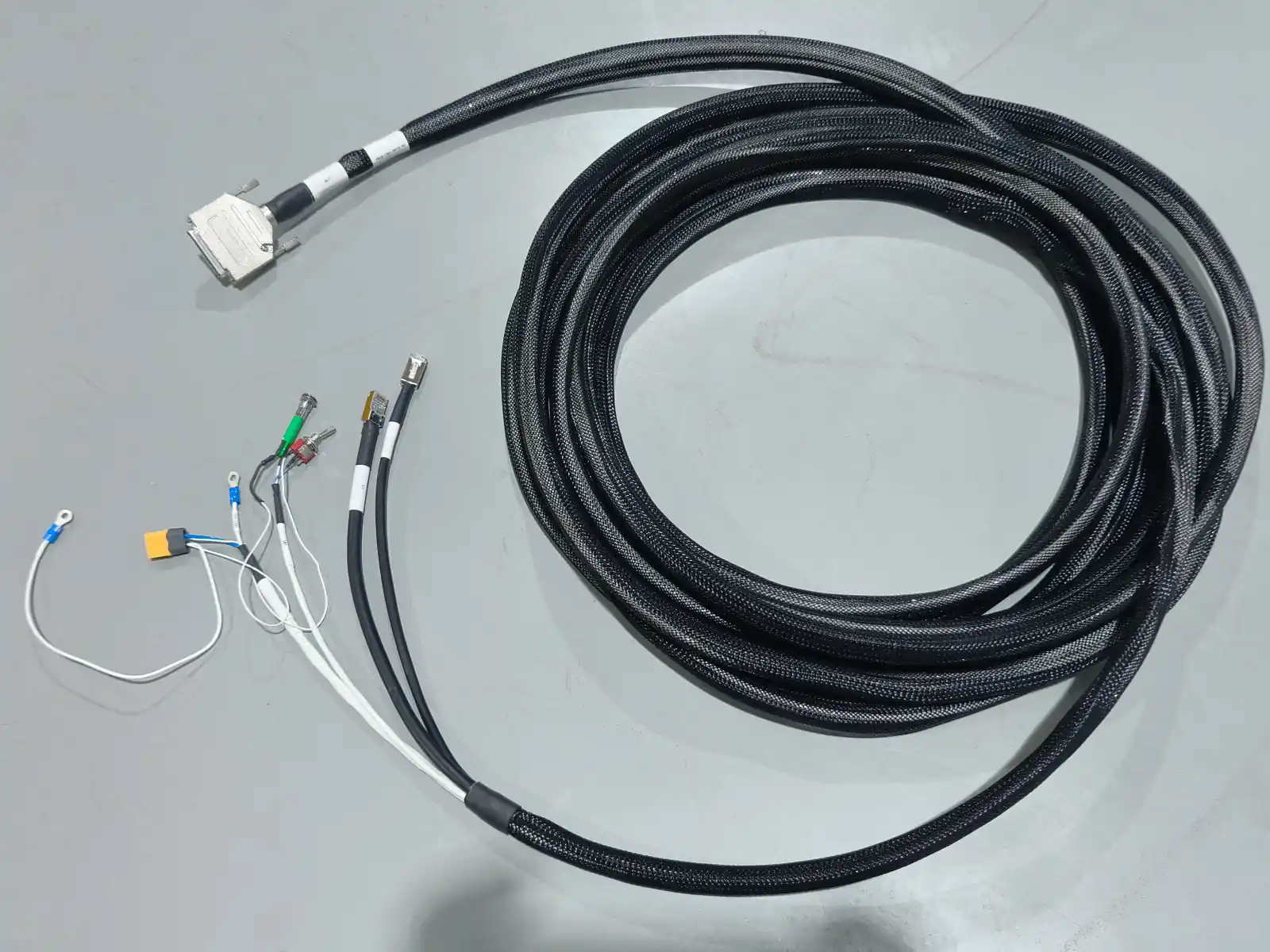
A Rosenberger cable assembly is a controlled signal path, not just a purchased connector. Cable selection, shield prep, center contact termination, bend radius, finished length, connector torque, and strain relief can all change field performance.

50 ohm RF coax and high-speed data cable review by drawing
Length tolerance, bend radius, labels, boots, and packout rules
Continuity, pinout, VSWR, insertion loss, TDR, or pull-force scope by RFQ

Sourcing and Substitution Control

Rosenberger sourcing risk is handled before price lock. We flag missing housings, secondary locks, contacts, ferrules, seals, backshells, cable compatibility, MOQ, and lead-time exposure so the buyer can approve the path before sampling.

Connector-kit completeness review
MOQ and lead-time notes before sample release
No connector substitution without written buyer approval

Prototype to Production Handoff

After sample approval, the production traveler locks the connector, cable, strip dimensions, termination method, test scope, label rule, and packaging method. That keeps repeat orders aligned with the first approved build.

Prototype, pilot, and recurring production support
Revision, lot, and inspection record control
Test reports, photos, COC, and sourcing notes when required
Real Project Snapshot

An anonymized case-bank example showing how multi-brand connector sourcing is controlled before production.

Industry

robotics

Region

Croatia

Year

2025

Scenario

A Croatian AI and robotics technology company required custom cable assemblies integrating multiple premium connector brands for their advanced automation systems.

Challenge

The client needed a contract manufacturer capable of sourcing and assembling custom cables using a diverse mix of connector brands (JST, TE, MOLEX, ANDERSON, SUMITOMO) while ensuring compliance with rigorous quality standards for high-reliability robotic applications.

Solution

Consolidated multi-brand connector sourcing and custom assembly under ISO 9001:2015 and IATF 16949:2016 certified manufacturing processes, strictly adhering to IPC/WHMA-A-620 production standards to meet the client's high-reliability requirements.

Result

Successfully qualified as the manufacturing partner, securing an initial production order and establishing a baseline for ongoing high-tech robotics manufacturing support.

Concrete Numbers

ISO 9001:2015IATF 16949:2016IPC/WHMA-A-6205 premium connector brands (JST, TE, MOLEX, ANDERSON, SUMITOMO)1 initial production order

Anonymized from a real project. Specific buyer identifiers withheld; numbers quoted verbatim from project records.

Where Rosenberger Assemblies Fit

Programs where connector identity, signal integrity, sourcing control, and evidence packages matter more than catalog-cable pricing.

Automotive RF and Data Harnesses

FAKRA, HSD, HFM, camera, GNSS, telematics, radar-adjacent, infotainment, and sensor cable assemblies where coding and mating fit must be locked.

Robotics and Machine Vision

Compact cable assemblies for cameras, sensors, controllers, and wireless modules where bend radius, vibration, packout, and signal margins affect uptime.

Industrial Test Equipment

RF, measurement, calibration, and fixture cables where finished length, shield continuity, connector durability, and documented test scope must repeat.

Telecom and Wireless Systems

Antenna, module, cabinet, and field-service cable sets that need controlled RF connector matching and lot-level documentation.

EV and Specialty Vehicles

High-reliability vehicle cable programs where automotive supplier-quality expectations, approved connector families, and launch timing are reviewed together.

Low-Volume NPI and Service Kits

Prototype, pilot, repair, and replacement cable kits where buyer-approved connector sources and repeatable labels matter from the first batch.

RFQ and Manufacturing Scope

Connector scopeRosenberger FAKRA, HSD, HFM, RF coax, bulkhead, panel, and custom interfaces by drawing
Cable optionsRF coax, shielded data, twisted pair, jacketed custom cable, and buyer-specified cable families
Impedance review50 ohm RF and controlled high-speed data requirements reviewed before quote
Required RFQ inputsDrawing, BOM, Rosenberger part numbers, mating interface, cable type, length, quantity, test scope
Quality referencesIPC-A-620, UL-758, ISO 9001:2015, IATF 16949:2016 as applicable
TestingContinuity and pinout baseline; VSWR, insertion loss, TDR, hipot/IR, or pull-force when specified
DocumentationBOM review, sourcing notes, first-article photos, inspection record, test report, COC when required
Factory case signal5 premium connector brands consolidated under one qualified robotics cable-assembly supplier
Rosenberger Connector Cable Assembly

How We Reduce Rosenberger RFQ Risk

The engineering review focuses on connector identity, manufacturability, sourcing exposure, and release evidence before price is treated as final.

We Confirm the Exact Rosenberger Interface

Rosenberger part families can involve keying, coding, gender, polarity, shell style, and mating rules that change the build. We ask for part numbers, drawings, mating photos, and application notes before quote release.

We Separate Electrical Test From RF Evidence

Continuity proves the conductor path, but it does not prove VSWR, insertion loss, or high-speed data margin. We quote baseline electrical checks and RF/data tests separately so evidence and cost are transparent.

We Control Material Substitution

If the specified connector, cable, ferrule, seal, or backshell is constrained, the alternate is documented for buyer approval. Production does not silently substitute a lookalike connector.

We Bring Multi-Brand Sourcing Discipline

The robotics case used "5 premium connector brands (JST, TE, MOLEX, ANDERSON, SUMITOMO)" under ISO 9001:2015, IATF 16949:2016, and IPC/WHMA-A-620 controls. Rosenberger programs get the same sourcing and release discipline.

Standards and References Buyers Commonly Check

For supplier qualification, Rosenberger cable assembly programs usually connect connector-family identity, cable workmanship, and documented quality-system expectations.

Factory Engineering Review

WellPCB Wire Harness Production Engineering Team

Cable assembly supplier team supporting RF, robotics, automotive, industrial, and medical OEM cable programs

ISO 9001:2015 and IATF 16949:2016 manufacturing-process context
IPC-A-620 workmanship review for cable and harness assemblies
RFQ support from prototype samples through repeat production releases

Ready to Quote a Rosenberger Connector Cable Assembly?

Send your drawing, Rosenberger connector details, mating interface, cable type, finished length, quantity, frequency or data target, and test requirement. We will return connector-risk notes, sourcing exposure, sample timing, and a production-ready quote path.

Send This With Your Rosenberger RFQ

Rosenberger part numbers, mating connector details, drawings, and photos

Cable type, finished length, tolerance, quantity, sample date, and production forecast

Impedance, frequency or data-rate target, VSWR/insertion-loss/TDR requirement, labels, and packaging rules

Approved alternates, sourcing constraints, compliance documents, and incoming-inspection expectations

What You Get Back

Connector and cable compatibility review with risk notes

MOQ, sample lead time, production lead time, and sourcing exposure view

Recommended electrical, RF, data, and mechanical test plan

Documentation package recommendation for supplier-quality approval

Buyer Questions Before Releasing a Rosenberger Cable RFQ

The checks that prevent connector mismatch, under-testing, and late sourcing surprises.

Can you quote a Rosenberger connector cable from part numbers only?

Yes, but the cleanest RFQ also includes the drawing, mating interface, cable type, finished length, impedance or data-rate target, quantity, sample date, and test requirement. Part numbers alone may miss coding, backshell, ferrule, or packaging details.

What happens if the specified Rosenberger item has a long lead time?

We flag the lead-time risk, separate connector MOQ from assembly labor, and propose only buyer-approved alternates. A related mining case required "3 Core (Yellow, Red, Blue)", "18 AWG GXL", "Black braid with 2 blue stripes", and "50m or 100m rolls", which shows why exact material details must stay visible during sourcing.

Do all Rosenberger RF assemblies need VSWR or insertion-loss testing?

No. Internal low-risk leads may only need continuity, pinout, and visual inspection. Antenna, telecom, test, camera, or high-frequency assemblies often need VSWR, insertion loss, TDR, or return-loss evidence. We quote the test scope separately.