Operator Panel Harness RFQ

Push Button Cable AssemblyQuote Operator Panel Harnesses Without Guesswork

A Brazilian robotics buyer could not release the full wiring diagram until award. We still reviewed the partial data, proposed a technical exchange meeting, and used a free prototyping offer to keep the RFQ moving without pretending the risk was gone. Built for Tier-1 OEM procurement engineers in RFQ stage who must compare price, drawing risk, certification expectations, and supplier response speed before releasing samples.

24-hour engineering screen7-10 day sample target100% electrical test before shipment
24h
RFQ Screen
7-10 Days
Sample Target
100%
Electrical Test
IPC-A-620
Workmanship

TL;DR

  • Push Button Cable Assembly supports push buttons, E-stop switches, indicator lamps, HMI boxes, and machine operator panels.
  • Send drawing, BOM, pinout, switch part numbers, panel thickness, quantity forecast, and required test reports.
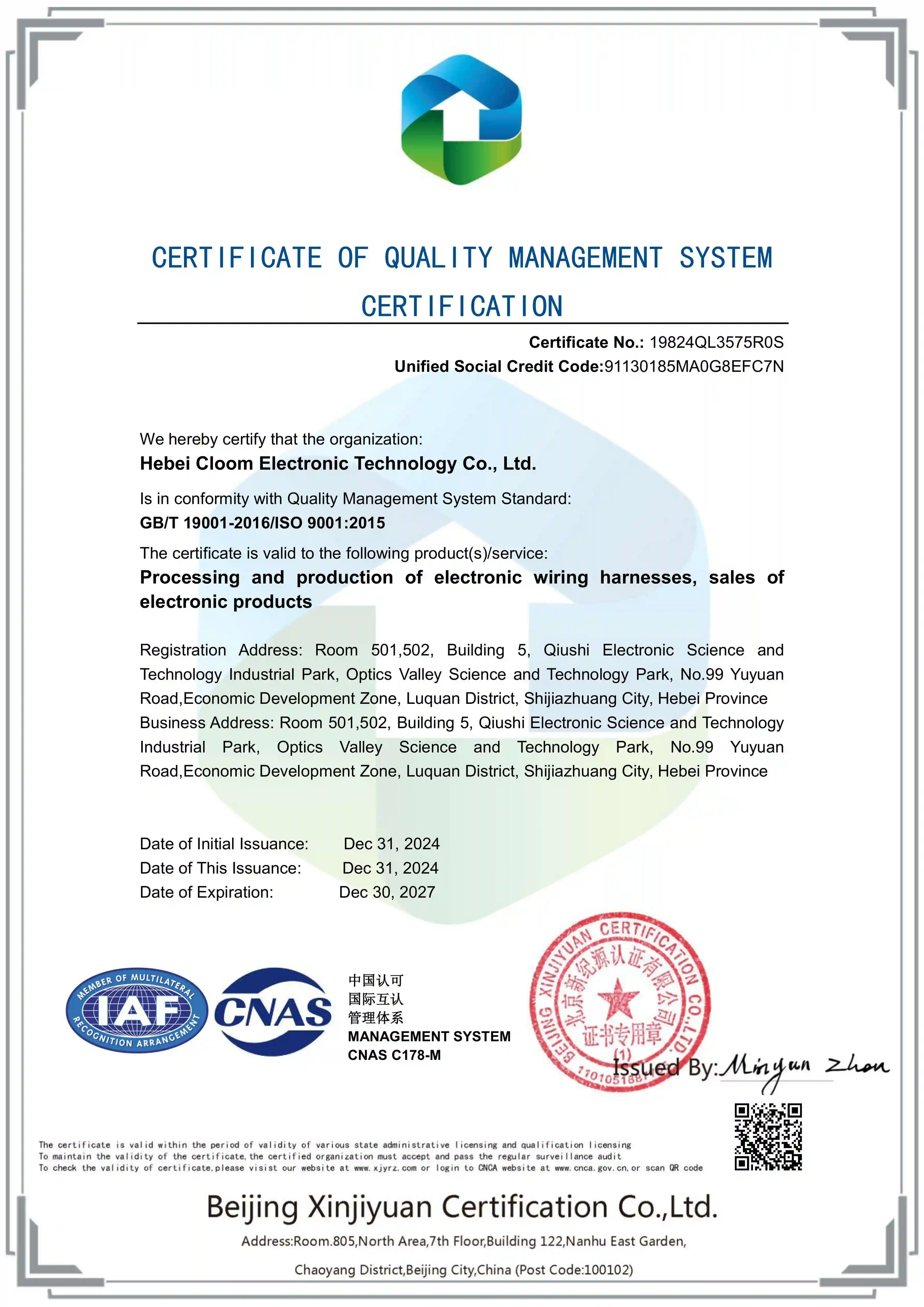
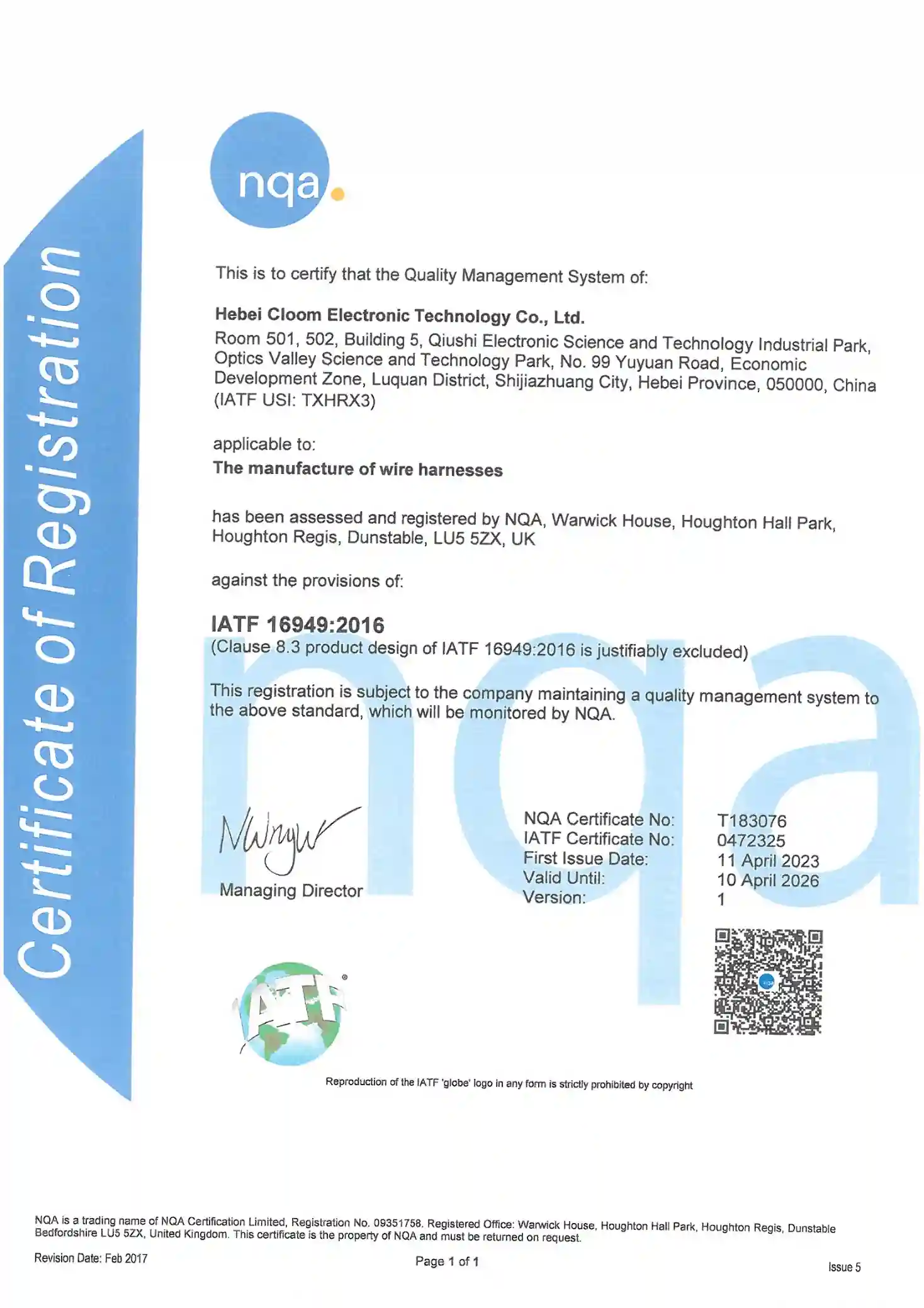
  • We review IPC-A-620 workmanship, UL-758 wire requirements, and IATF 16949-style change control where applicable.
  • A case-bank project used partial data evaluation, free prototyping offer, and technical exchange meeting to reduce RFQ risk.

Push Button Cable Assembly Capabilities

For procurement engineers comparing three suppliers at RFQ stage: pinout clarity, connector risk, sample timing, and test evidence decide the award.

Partial-data RFQ review

Push button cable assembly is a custom cable set that connects panel switches, indicator lamps, E-stop circuits, HMI inputs, and machine controllers. We can start with a drawing, BOM, photo set, or partial wiring table, then flag missing pinout, terminal, switch rating, and labeling data before price is locked. Case-bank anchor: partial data evaluation, free prototyping offer, technical exchange meeting.

Drawing, BOM, photo, or sample review
Pinout and terminal gap list
24-hour first engineering screen

Control panel wire harness build

Control panel wire harness is a labeled internal harness for push buttons, selector switches, pilot lamps, relays, terminal blocks, and PLC I/O. We build to print with wire colors, ferrules, quick-disconnects, ring terminals, cable glands, lacing, sleeve, and branch labels aligned to the buyer drawing.

Ferrules, tabs, rings, spades, JST/Molex/TE options
Wire color and cavity label control
Panel thickness and cable gland review

Operator interface harness integration

Operator interface harness is a serviceable cable assembly between the human-machine interface and the machine control system. We review bend radius, strain relief, field replacement, connector retention, and routing around hinged doors so commissioning teams do not debug intermittent opens after shipment.

HMI, E-stop, lamp, and switch branches
Door-hinge routing and strain relief
Service loop and label packout

Standards and test evidence

Every RFQ can define continuity, polarity, insulation resistance, hipot when specified, crimp pull-force checks, visual workmanship, and lot documentation. IPC-A-620 supports cable workmanship review, UL-758 applies when specified wire style is required, and IATF 16949-style controls help automotive or machinery OEMs manage changes.

100% continuity and polarity test
Pull-force and visual records as required
IPC-A-620 / UL-758 / IATF 16949 review

BOM transparency and alternates

A Latin American automation integrator needed cost visibility before internal approval. For similar RFQs, we separate original BOM pricing from approved-equivalent pricing, attach connector and terminal datasheets, and avoid silent substitutions that could change fit, rating, or serviceability.

Original and alternate quote paths
Equivalent connector datasheets
Cost breakdown sheet available

Prototype-to-production release

The same file can carry from first samples to scheduled releases. MOQ, sample lead time, production lead time, inspection level, carton labels, spare-service kits, and test-report format are fixed before the purchase order so production does not drift from the approved sample.

Prototype through recurring releases
MOQ and lead-time plan
Labeling, kit, and packout control
Real Project Snapshot

An anonymized case-bank scenario used to anchor this service page.

Industry

industrial-automation

Region

Brazil

Year

2024-Q2 to 2024-Q3

Scenario

A Latin American automation integrator requested a quote for a major industrial project requiring custom wire harnesses.

Challenge

The customer was cost sensitive and needed high visibility into the bill of materials to justify the project internally and secure the contract from their end-user.

Solution

Provided a detailed cost breakdown sheet alongside datasheets for equivalent connectors and terminals, and offered free prototype samples to lower the customer barrier to entry and accelerate decision-making.

Result

Advanced the project to the sampling phase and maintained high engagement for the high-value industrial project despite initial cost hurdles.

Concrete Numbers

detailed cost breakdown sheetfree prototype samplesequivalent connector datasheets

Anonymized from a real project. Specific buyer identifiers withheld; numbers quoted verbatim from project records.

Where Push Button Harnesses Are Used

Built for control stations, machinery panels, robotics cells, and serviceable equipment where a wrong terminal or label can stop commissioning.

Emergency stop stations

E-stop switch leads, guarded button wiring, dual-channel safety circuits, and labeled return paths for machines where field mistakes are expensive.

HMI and operator boxes

Panel-to-controller harnesses for display boxes, membrane interfaces, lamps, selectors, and service ports used in industrial control cabinets.

Robotics and motion cells

Pendant, jog, reset, and maintenance station wiring for robot cells where flexible routing and clear labels shorten commissioning.

Conveyors and packaging machinery

Start, stop, reset, stack-light, sensor, and terminal-block harnesses for modular lines that need fast replacement.

Agricultural and heavy equipment controls

Sealed switches, vibration-resistant terminals, and serviceable harness branches for outdoor operator panels and auxiliary controls.

Prototype control fixtures

Short-run harnesses for test benches, NPI fixtures, pilot machines, and validation rigs before the final panel layout is frozen.

RFQ Capability Table

Primary ScopePush button cable assembly, operator panel harness, E-stop leads, HMI box wiring
RFQ InputsDrawing, BOM, wire list, pinout, switch/lamp part numbers, quantity, target lead time
Wire Range28 AWG to 12 AWG common review range; larger by application review
TerminationsFerrule, quick disconnect, ring, spade, JST, Molex, TE, terminal block, cable gland
Sample Lead TimeTypically 7-10 working days after data package and component availability are confirmed
Production Lead TimeQuoted by BOM risk, connector stock, tooling, test scope, and release volume
MOQPrototype quantities through scheduled production releases; low MOQ reviewed case by case
Testing100% continuity and polarity; insulation resistance, hipot, and pull-force checks when specified
DocumentationDFM notes, cost breakdown sheet, connector datasheets, FAI/test report package available
StandardsIPC-A-620 workmanship, UL-758 wire style review, IATF 16949-style change control where required
Factory KPI24-hour RFQ screen, 7-10 day sample target, 100% electrical testing before shipment
Case-bank Numberspartial data evaluation; free prototyping offer; technical exchange meeting
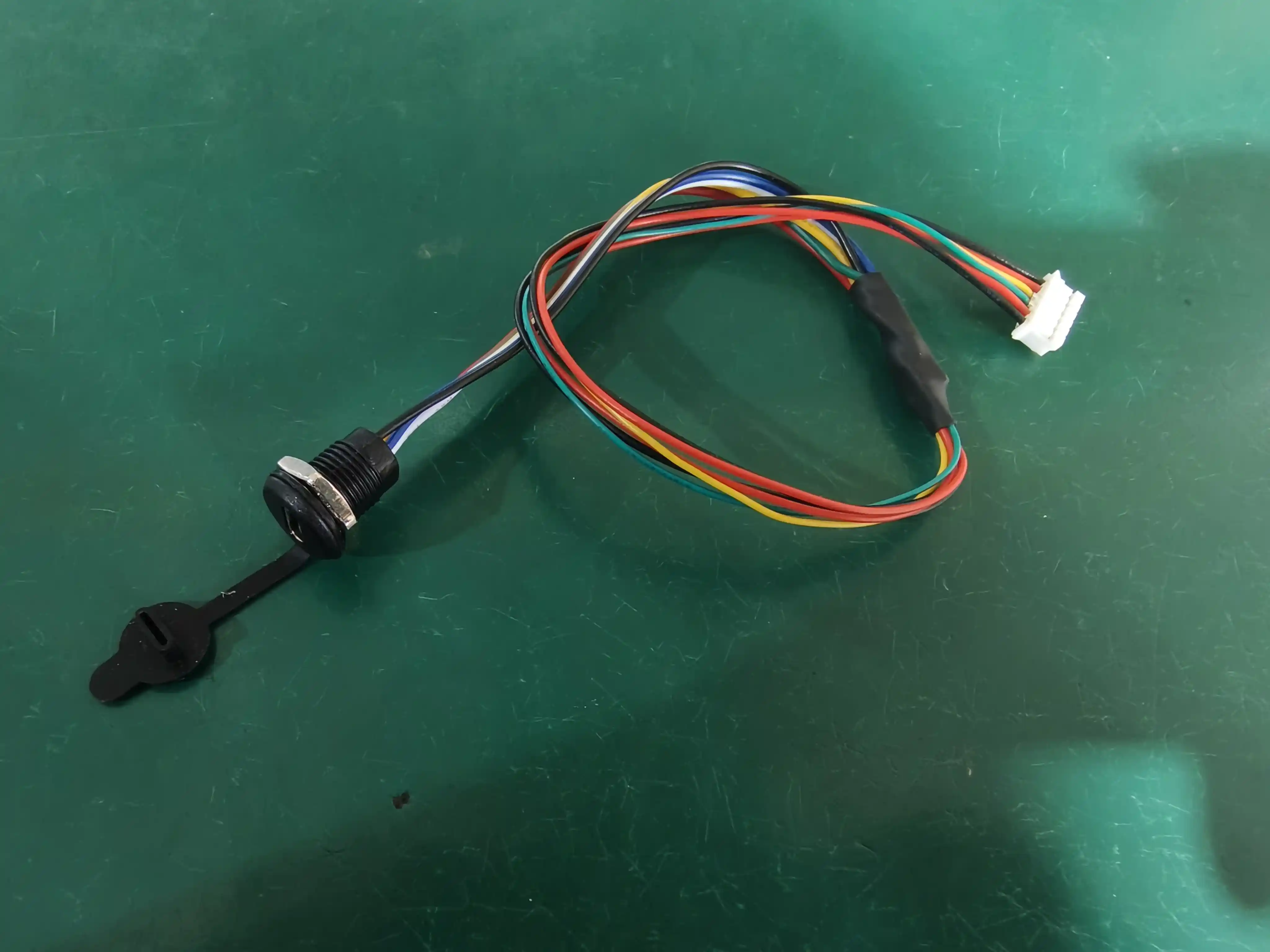
Push Button Cable Assembly

Why Source Push Button Cable Assemblies From WellPCB?

Senior factory engineers review the drawing package before price is locked, so buyer risk is visible early.

Supplier-side engineering before quote

A senior factory engineer checks missing drawings, pinout ambiguity, terminal selection, wire style, and test scope before purchasing has to compare unit prices.

First-hand RFQ scenario handling

In one robotics inquiry, the buyer could only share complete wiring after award. We used partial data evaluation, free prototyping offer, technical exchange meeting to keep risk visible and the RFQ alive.

Cost visibility for internal approval

For automation integrators, we can return a detailed cost breakdown sheet, equivalent connector datasheets, and sample pricing so sourcing can defend the decision internally.

Testing tied to failure modes

Continuity, polarity, pull-force, insulation resistance, labeling inspection, and visual workmanship are mapped to the way the harness will be installed and serviced.

Prototype and production alignment

Sample labels, drawing revision, test records, and packaging rules are set before production so the approved sample does not become a one-off build.

Global supply-chain fit

For US, EU, LATAM, and Asia RFQs, we keep English technical terms, connector references, standard numbers, and drawings aligned while communication stays buyer-friendly.

Standards Used During Supplier Review

Push button cable assemblies are checked against workmanship, wire, and automotive-style change-control references when the application requires documented evidence.

Reviewed by factory engineering

Hommer Zhao

Senior factory engineer, WellPCB Wire Harness Production

10+ years supporting OEM wire harness and cable assembly RFQs
IPC-A-620 workmanship and UL-758 wire-style review in buyer data packages
Supplier-side DFM, sample, test report, and production-release planning

Ready to Quote a Push Button Harness Package?

Send the drawing, BOM, switch and lamp part numbers, pinout, wire colors, panel thickness, quantity forecast, target sample date, and required test reports. We will return DFM notes, sourcing risks, sample lead time, production lead time, MOQ, and a priced RFQ path.

Send This With Your RFQ

Drawing, BOM, pinout, wire colors, and switch/lamp part numbers

Panel thickness, routing constraints, environment, and service access notes

Quantity forecast, sample target date, MOQ expectation, and required reports

What You Get Back

DFM notes and missing-data list before quote finalization

Sample lead time, production lead time, MOQ, and priced RFQ path

Test plan, label/packout plan, and sourcing-risk comments

Buyer Questions Before RFQ

Practical answers for sourcing teams before they release samples or nominate a supplier.

Can you quote if the wiring diagram is incomplete?

Yes, if enough data exists to identify the risk. We will quote with assumptions clearly marked, request a technical exchange meeting, and use samples to validate the design before production release.

What should we send for the fastest RFQ response?

Send drawing, BOM, pinout, switch and lamp part numbers, wire colors, panel thickness, quantity forecast, target date, and test requirements. Photos or an old sample help when the drawing is not final.

Can you support low-volume samples before production?

Yes. The case bank includes free prototyping offer scenarios for incomplete-data RFQs. Production timing is quoted separately after connector stock, tooling, and test scope are confirmed.