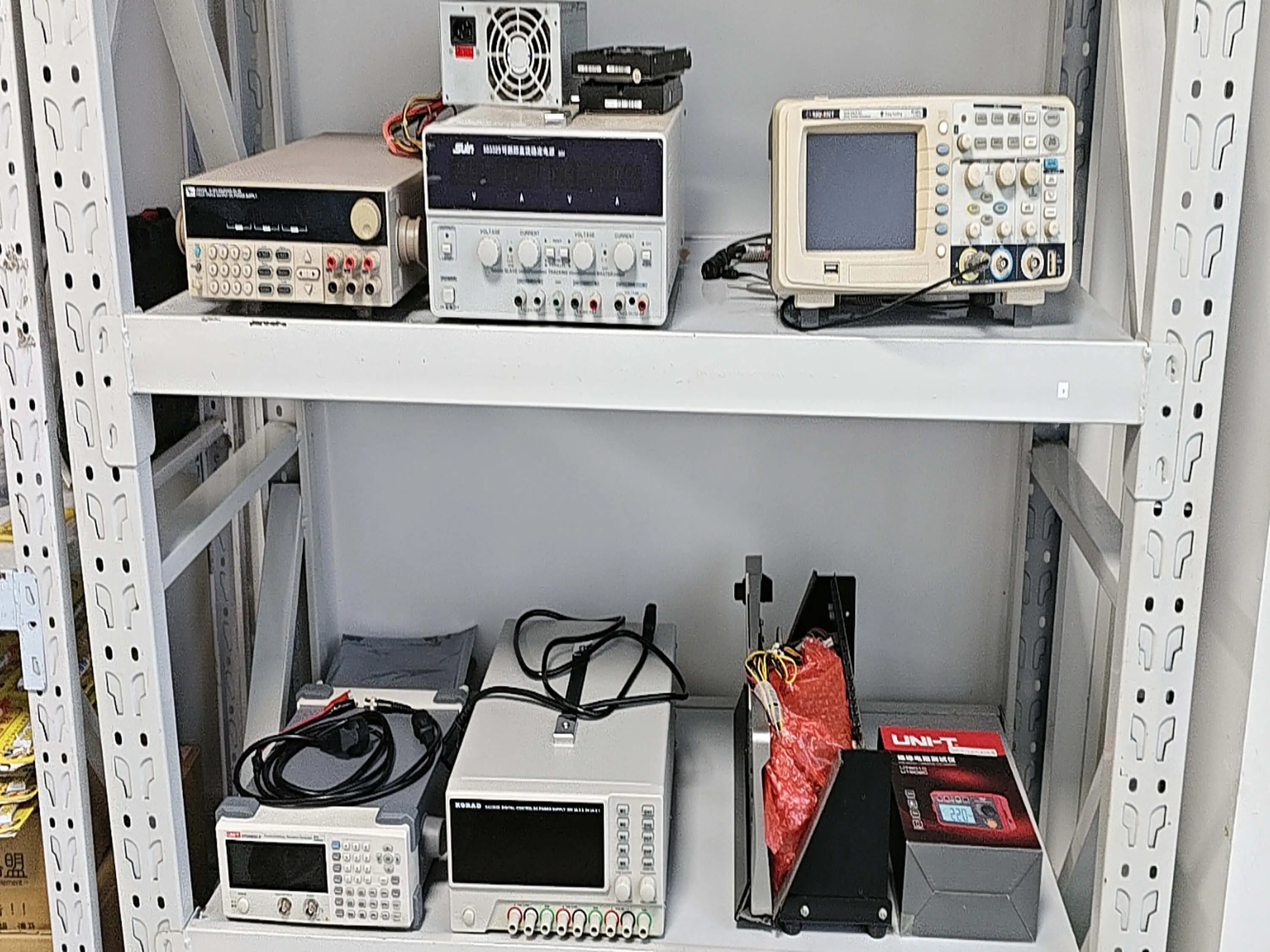
Cable Assembly

EV HVAC Adapter Cable Assembly

Quote EV HVAC Harnesses With Fewer BOM Surprises. An EV HVAC RFQ covered 8+ part numbers and a multi-million USD potential program value; we used an alternative material strategy without hiding connector, UL-758 wire, or IPC-A-620 risks.

EV HVAC adapter cable assembly for electric-vehicle thermal-management wiring
Part Numbers per RFQ8+
Sample Review Target7-10 Days
Electrical Test Plan100%
Workmanship ReferenceIPC-A-620

Application Context

EV HVAC adapter cable assembly at a glance

An EV HVAC adapter cable assembly is a custom harness that links compressors, heaters, pumps, valves, sensors and controllers in an electric-vehicle thermal loop. At RFQ stage the connector families, terminal plating, wire range, seals and mating-side data all have to line up before samples — and when a Tier-1 buyer says each cent counts, cost has to come from an explained, approved alternate rather than a blind substitution.

  • EV HVAC adapter cable assembly supports compressor, heater, pump, sensor, and control wiring in electric-vehicle thermal systems.
  • Send drawings, BOM, connector part numbers, quantities, voltage/current, temperature range, and required test reports for RFQ review.
  • We compare original BOM parts with approved alternates when each cent counts, while keeping UL-758 and IPC-A-620 requirements visible.
  • Samples are typically planned after data-package confirmation; production lead time depends on connector stock, test scope, and release volume.

Capabilities

EV HVAC Cable Assembly Capabilities

Built for Tier-1 and OEM buyers comparing suppliers at RFQ stage, where connector substitutions, line stoppages, and cost targets must be resolved before samples.

RFQ-stage BOM and connector review

EV HVAC adapter cable assembly is a custom harness that links compressors, heaters, pumps, valves, sensors, and controllers in an electric-vehicle thermal loop. We check connector families, terminal plating, wire range, seals, keying, and mating-side data before quoting so the buyer sees gaps before samples. The review references IPC-A-620, UL-758, IATF 16949 where applicable.

  • Connector and mating-side check
  • Terminal, seal, and wire-range review
  • BOM gaps listed before quote

Alternative material cost strategy

When a Tier-1 buyer says each cent counts, a lower price cannot come from blind substitution. We separate original-drawing pricing from approved-alternate pricing, show which sub-components change, and keep electrical rating, temperature class, and vehicle workmanship expectations unchanged.

  • Original and alternate quote paths
  • Approved-equivalent component review
  • Cost drivers separated from tooling

Thermal-zone wire and protection selection

HVAC harnesses sit near compressors, coolant valves, PTC heaters, fans, and under-hood routing. We review PVC, XLPE, silicone, TPE, corrugated tube, braided sleeve, tape, grommet, and strain-relief choices against temperature, abrasion, bend radius, and service access.

  • -40 C to +125 C common review range
  • Abrasion sleeve and tube options
  • Routing and bend-radius check

Build-to-print samples with test records

Samples are built from the released drawing package, not from memory or a previous revision. Continuity, polarity, terminal seating, pull-force checks when specified, label content, and visual inspection records can be packaged for buyer approval and receiving inspection.

  • Continuity and polarity checks
  • Pull-force checks as required
  • Label and revision control

Quality escape containment and RMA support

EV programs need a supplier response plan when a connector mismatch or drawing interpretation issue reaches the line. We can isolate affected lots, rebuild strictly to the specified BOM, coordinate RMA logistics, and feed the lesson back into inspection checkpoints.

  • Connector mismatch containment
  • RMA and rebuild workflow
  • Inspection checkpoint update

Prototype-to-production release planning

The same engineering file should carry from RFQ to pilot and scheduled production. We align sample quantity, MOQ, tooling, production lead time, packaging, carton labels, inspection level, and test-report expectations before the purchase order is released.

  • Prototype quantity through volume
  • MOQ and release plan
  • Packaging and report alignment

Engineering Challenges

Review risk before production

01

Connector Control

A wrong connector is a line risk, not a paperwork error. Part number, mating side, seal set, terminal range and revision are checked before sampling — approved alternates only after review.

02

Cost Without Substitution Risk

Original-drawing pricing is separated from approved-alternate pricing so purchasing sees exactly which sub-components change, with electrical rating, temperature class and workmanship expectations held constant.

03

Thermal-Zone Environment

HVAC harnesses sit near compressors, coolant valves, PTC heaters and fans. Wire, sleeve, tube, tape and strain-relief choices are reviewed against temperature, abrasion, bend radius and service access.

04

Test & Escape Containment

Continuity, polarity, terminal seating and pull-force records are planned to the drawing, with a lot-isolation, rebuild and RMA workflow ready if a mismatch reaches the line.

Technical Capabilities

RFQ Capability Table

Build-to-print EV HVAC adapter cables and thermal-management sub-harnesses with documented BOM, connector, wire and test review.

Primary ScopeEV HVAC adapter cable assembly and thermal-management sub-harnesses
RFQ InputsDrawing, BOM, wire list, connector part numbers, mating data, quantity, and test scope
Wire StandardsUL-758 appliance wiring material review where specified
Workmanship ReferenceIPC-A-620 visual and crimp workmanship alignment
Automotive QualityIATF 16949-style change control and lot traceability support
Common Wire Range22 AWG to 10 AWG for control and accessory HVAC circuits; larger by review
Temperature Review-40 C to +125 C common review range, material dependent
Connector ScopeTE, Molex, Deutsch, JST, Amphenol, Sumitomo, and approved alternates
Sample Lead TimeTypically 7-10 working days after data package and component availability are confirmed
Production Lead TimeQuoted by BOM risk, connector stock, tooling, test reports, and release volume
MOQPrototype quantities through scheduled automotive production releases
Test ReportsContinuity, polarity, visual inspection, crimp checks, and buyer-defined records
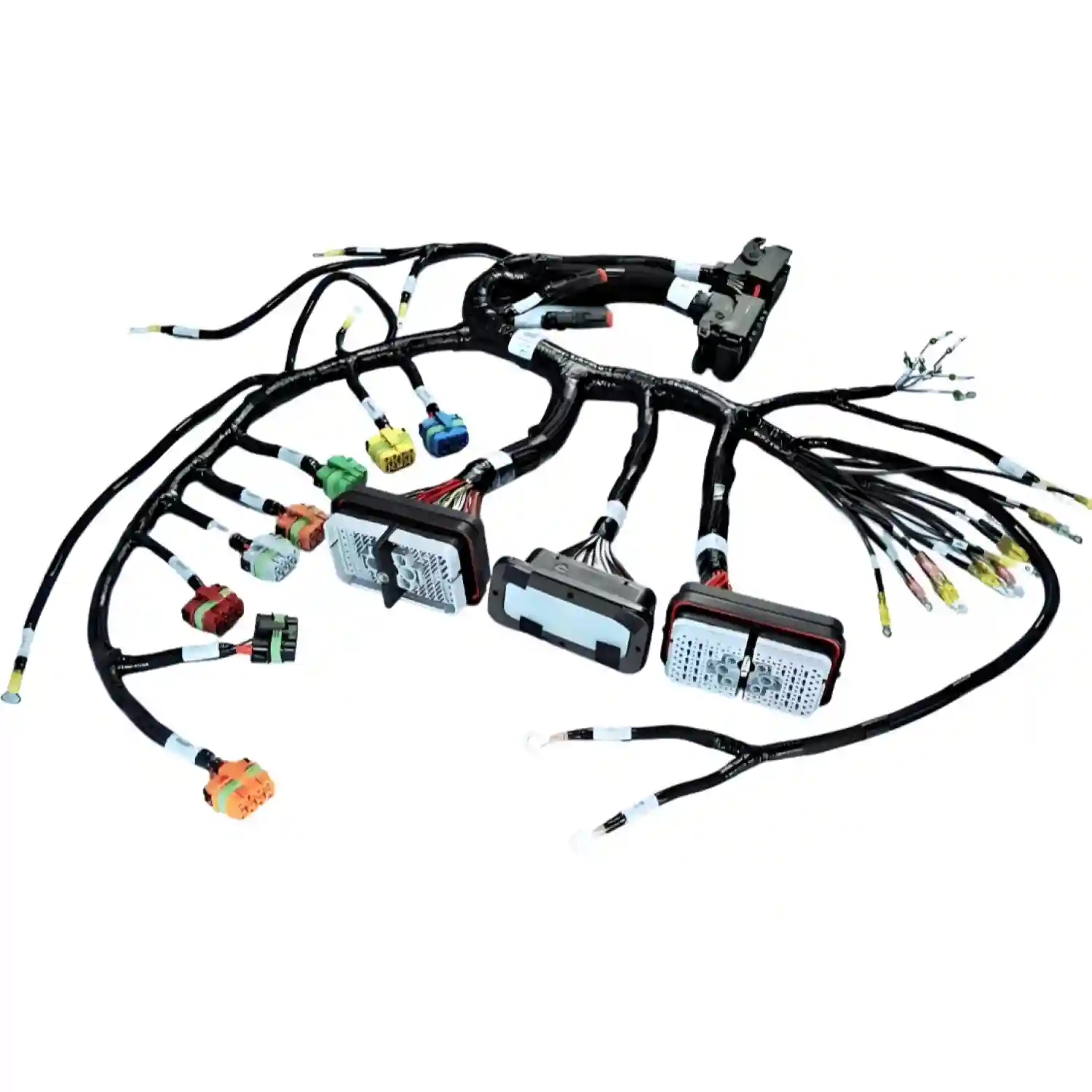
EV HVAC adapter cable assembly testing and inspection

Manufacturing Process

A controlled build, drawing to shipment

01Drawing / BOM Review
02Connector Sourcing
03Cutting & Stripping
04Crimping / Assembly
05In-process Inspection
06Electrical Test
07Final Inspection
08Packaging & Export

Quality & Testing

Documentation for OEM review

Every EV HVAC harness is built from the released drawing package and gets continuity, polarity, terminal-seating and visual inspection, with crimp pull-force checks added where the drawing calls for it — all packaged for buyer approval and receiving inspection before it ships.

Released-Drawing BuildContinuity & PolarityTerminal SeatingCrimp Pull-ForceLabel & Revision ControlVisual InspectionLot Isolation / RebuildRMA & Corrective ActionBuyer-Defined Reports

Why WHP

Why Procurement Teams Use This Page

The commercial value is not only unit price; it is the supplier-side discipline that keeps BOM alternates, samples, and production release aligned.

Case-bank anchored cost review

Our RFQ workflow is based on real EV HVAC sourcing pressure, including 8+ part numbers per RFQ and a multi-million USD potential program value where alternative material strategy applied.

Connector risk is treated as line risk

A wrong connector is not a small paperwork error in EV production. We check part number, mating side, seal set, terminal range, and revision before sampling.

Standards named before release

IPC-A-620, UL-758, and IATF 16949 expectations are discussed against actual build controls such as crimp inspection, wire recognition, traceability, and change approval.

Dual-quote logic for cost pressure

Buyers can compare original BOM pricing with approved-alternate pricing instead of receiving an unexplained cheaper offer that creates approval trouble later.

Sample evidence supports procurement approval

Receiving, engineering, and supplier quality teams get the same package: build scope, test plan, open issues, labels, and the commercial assumptions behind lead time.

Clear boundary on design responsibility

We manufacture and review for manufacturability. Final circuit design, system validation, and vehicle-level safety approval remain with the OEM or design authority.

EV HVAC standards context

Supplier review and build controls map to the standards buyers reference for EV thermal-management cable programs.

IPC-A-620Workmanship Reference
UL-758Wire Review
IATF 16949Change Control / Traceability

FAQ

Buyer Questions Before RFQ

I have 8+ EV HVAC cable part numbers; can one supplier quote the whole package?
Yes. Send the complete drawing and BOM package so shared connectors, wire types, labels, packaging, and test records can be reviewed together. For multi-part RFQs, we separate common material risk from part-specific labor so purchasing can see where cost is really moving.
Should I accept an alternate connector or wire to reduce cost?
Only after the alternate is checked against the drawing intent, mating connector, current, temperature, seal set, terminal range, and buyer approval rules. We can provide an original-spec quote and an alternate-material quote, but the final approval must come from the OEM or design authority.
What reports can ship with EV HVAC adapter cable samples?
Typical sample packages include continuity, polarity, visual inspection, crimp or pull-force checks when specified, label review, and open-issue notes. If your supplier quality team needs IPC-A-620, UL-758, or IATF 16949 references called out, state that in the RFQ.

OEM Program Entry

Ready to Quote an EV HVAC Adapter Cable Package?

Send drawings, BOM, connector part numbers, sample quantity, annual demand, cost target, and required test reports. We will return manufacturability notes, missing-data questions, sample timing, MOQ, and a quote path tied to the real risk.

We will review

  • 01Design Feasibility
  • 02Component Availability
  • 03Cost Drivers
  • 04Validation Requirements

Related Capabilities

Related cable solutions

Custom cable assembly and harness services that pair with EV HVAC adapter programs.

Applications

EV HVAC Harness Applications

Buyer-focused applications for EV thermal-management wiring where cost, connector control, and line continuity matter.

Electric compressor adapter cables

Harnesses linking e-compressors to vehicle controllers, power interfaces, pressure sensors, and service connectors where routing and connector clocking affect installation.

PTC heater and coolant-valve leads

Cable assemblies for PTC heater control, coolant valves, thermal switches, and pump modules where temperature class and connector retention must be reviewed.

Battery thermal-management sub-harnesses

Low-voltage control and sensor harnesses around battery heating/cooling loops, with labeling and polarity checks to reduce assembly mistakes.

EV HVAC module test cables

Prototype and validation harnesses for test benches, environmental chambers, and module-level acceptance checks before production release.

Commercial EV accessory harnesses

Bus, van, truck, and specialty EV programs where annual demand, serviceability, and cost targets require controlled alternates.

Aftermarket and service adapter cables

Build-to-print replacement or adapter cables where connector compatibility, labels, and packaging must match service-channel expectations.

EV Thermal Management Harness RFQ

Before you send an RFQ

RFQ-stage answers for procurement engineers comparing EV HVAC harness suppliers.

Send This With Your EV HVAC RFQ

  • 2D drawing, BOM, wire list, connector part numbers, and mating-side data
  • Target sample quantity, annual demand, cost target, and approved-alternate rules
  • Temperature range, routing photos, labels, packaging, and required test reports

What You Get Back

  • Manufacturability review with BOM gaps and connector-risk notes
  • Original-spec and alternate-material quote path when applicable
  • Sample timing, production lead-time assumptions, MOQ, and test-report plan

Review scope

  • 8+ part numbers per RFQ
  • Alternative material strategy applied
  • IPC-A-620 / UL-758 / IATF 16949 review

Representative Project

Representative project type (illustrative)

Representative project type we handle, shown for illustration. Not a specific named customer.

automotive · Global · Recent

Scenario: An automotive RFQ for an EV HVAC adapter cable required aggressive cost optimization for a multi-part program.

Challenge: The customer explicitly stated that 'each cent counts' and demanded maximum cost reduction, requiring alternative sub-component sourcing strategies without compromising quality or vehicle standards.

Solution: Proposed a dual-quote strategy featuring the original drawing specifications alongside an alternative sub-component and material optimization plan, leveraging direct partnerships with sub-component manufacturers to cut intermediary costs.

Result: Submitted a compliant and competitive quote with viable cost-saving alternatives, maintaining position in the evaluation for a high-value multi-part program.

  • 8+ part numbers per RFQ
  • Multi-million USD potential program value
  • Alternative material strategy applied

References

Standards and Supplier Review References

EV HVAC cable programs usually combine workmanship inspection, recognized wire requirements, and automotive change control. These public references help buyers align terminology before supplier approval.