Panel Feedthrough and Pass-Through Harness Review

Bulkhead Cable Assemblyfor Pass-Through Wire Harness RFQs

A bulkhead cable assembly is a custom cable or wire harness built to pass power, signal, data, or sensor circuits through a panel, enclosure wall, cabinet, machine frame, or sealed equipment boundary. We review connector geometry, custom mold needs, strain relief, gasket compression, wire gauge, pinout, labeling, and test records before price and sample timing are locked.

Panel interface reviewed before quoteCustom mold and connector design cost separatedIPC-A-620 / UL-758 / ISO 9001 evidence plan
10-core
Pass-Through Case
3D files
Mold Quote Input
100%
Electrical Test Plan
IPC-A-620
Workmanship Context

TL;DR

  • Use this service when a harness must pass through a panel, enclosure, bulkhead, or sealed wall.
  • We check connector envelope, cable exit angle, gasket area, strain relief, and mating access before quote release.
  • Custom molds and connector design are quoted separately from recurring assembly unit price.
  • Send drawings, 3D files, panel thickness, pinout, connector data, quantity, and test requirements.

Bulkhead Cable Assembly Capabilities

For procurement and engineering teams comparing suppliers on panel fit, sealing risk, tooling cost, and production release evidence.

Panel interface and connector envelope review

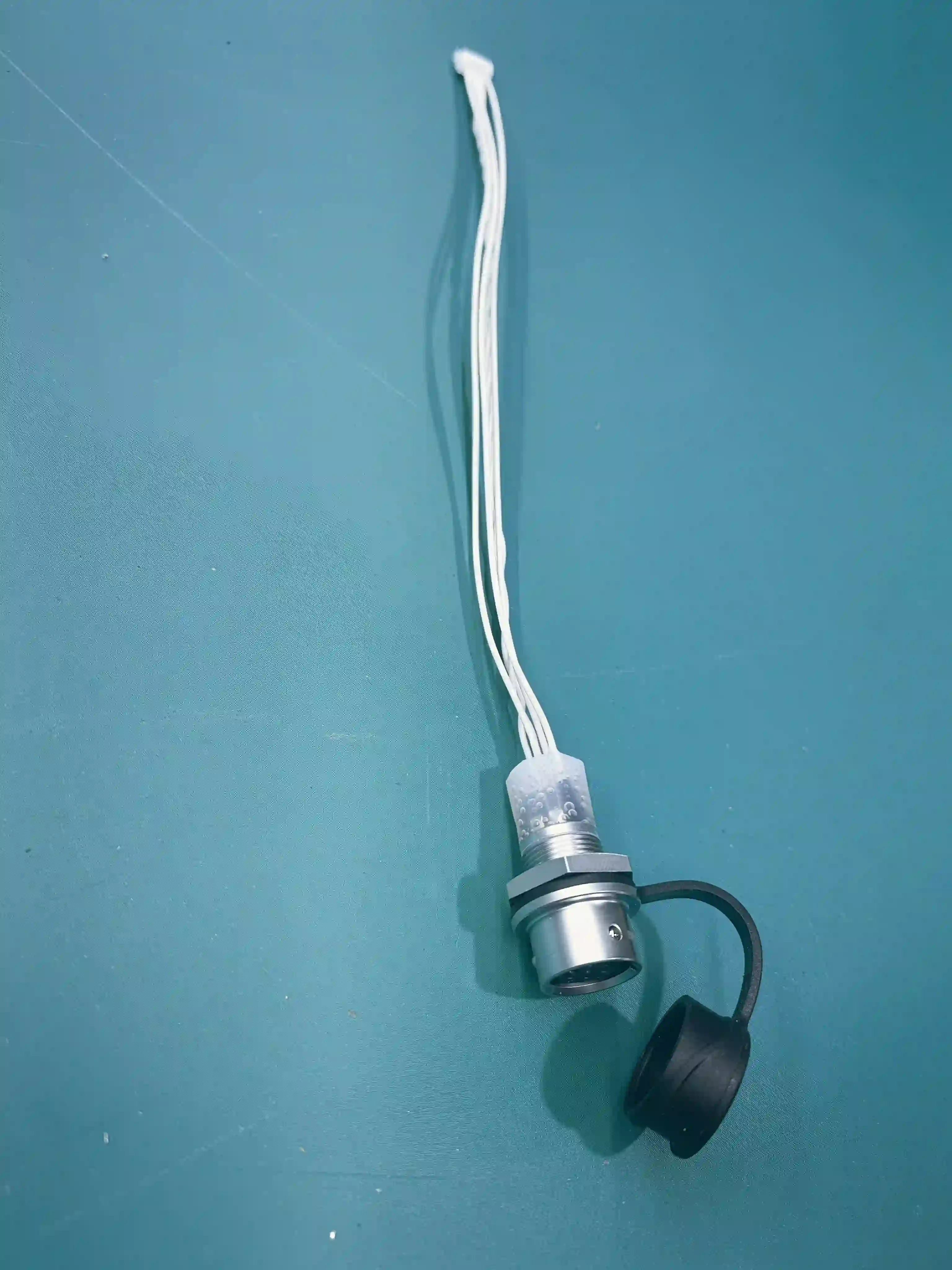
A panel feedthrough connector is a connector or molded interface that lets a harness cross a mounting wall while preserving mating access, retention, and electrical continuity. We check panel thickness, cutout size, flange clearance, nut access, gasket face, bend radius, and service direction before a sample build starts.

Panel, enclosure, cabinet, frame, and machine-wall pass-through review
Connector orientation, mating half, and service-access checks
Cutout, flange, nut, boot, and cable-exit constraints captured before quote
Pass-through wire harness engineering

A pass-through wire harness is a routed assembly where circuits cross a physical boundary without leaving the panel interface as an afterthought. We review wire gauge, core count, color code, cavity map, branch length, shield termination, label position, and harness side A or side B routing as one controlled build.

Power, signal, sensor, control, data, and mixed-circuit harnesses
Core count, wire gauge, branch route, and cavity map review
Harness labels, heat shrink, sleeves, conduit, and clips planned with the panel interface

Custom molded connector and strain relief

Custom molded connector design is used when the pass-through shape, boot, grommet, overmold, or cable exit cannot be solved with catalog hardware. We separate mold cost from unit price and request 3D geometry before final tooling approval so buyers know what is still estimated.

Custom boot, grommet, shroud, or pass-through mold review
Strain-relief length, cable exit angle, and bend-radius planning
Tooling, sample, and production unit costs shown as separate RFQ lines

Seal, protection, and environment planning

Bulkhead harnesses often fail when sealing is treated as only a connector choice. We review gasket compression, adhesive heat shrink, overmold material, cable jacket, water path, dust path, oil exposure, vibration, and installation torque so the RFQ reflects the real operating environment.

Sealed, splash-resistant, dust-protected, and strain-relieved options
Adhesive heat shrink, molded boots, grommets, conduit, and braided sleeve
Material notes tied to UL-758 wire context and customer requirements

Connector sourcing and approved alternates

Connector sourcing can decide whether a bulkhead harness launches on time. We review named connector families, mating halves, terminals, seals, backshells, MOQ, long-lead risk, and approved alternates early so sourcing gaps do not stay hidden until the formal RFQ stage.

Original connector and approved alternate quote paths
Mating connector, terminal, seal, and locking-feature review
Supplier datasheets and substitution notes documented for buyer approval

Testing, release records, and production repeatability

We connect the panel interface to the production evidence package: continuity, shorts, polarity, hipot where required, pull-force records, first-article photos, fixture notes, label checks, and revision control. IPC-A-620 workmanship context, ISO 9001 record control, and IATF 16949-style change discipline are used to frame buyer evidence.

100% continuity, polarity, shorts, and functional test planning
Crimp evidence, pull-force checks, and first-article photos
Fixture, mold, test adapter, and revision-control notes available
Real Project Snapshot

An anonymized power-equipment case showing why pass-through harness geometry and tooling must be visible before sample release.

Industry

power-equipment

Region

US

Year

2025-Q4 to 2026-Q1

Scenario

A US headquarters engineering contact requested a highly customized wire harness for a new project, expanding the relationship beyond the regional branch.

Challenge

The new project required a custom 10-core pass-through wire harness, which involved developing custom molds and custom connectors, presenting significant engineering and tooling challenges.

Solution

Engaged directly with the US-based engineering team to define technical specifications, offering custom mold development and connector design capabilities.

Result

Entered the active quotation and engineering review phase for the high-value custom project, expanding the relationship from a regional branch to the global US headquarters.

Concrete Numbers

10-core pass-through wire harnessCustom mold development requiredCustom connector design

Anonymized from a real project. Specific buyer identifiers withheld; numbers quoted verbatim from project records.

Where Bulkhead Harness Design Matters

Use this page when the cable assembly has to cross a panel boundary and the interface affects fit, sealing, inspection, or field service.

Power equipment and enclosures

Pass-through harnesses for power equipment, cabinets, sealed modules, and assemblies where the panel interface controls installation.

Industrial machinery and control boxes

Machine-frame and cabinet harnesses linking sensors, actuators, motors, safety circuits, terminal blocks, and panel-mounted connectors.

Heavy equipment and vehicle modules

Harnesses crossing cab walls, battery compartments, equipment panels, or service covers with vibration and contaminant exposure.

Robotics and automation cells

Panel feedthrough assemblies for robot controllers, dress packs, EOAT wiring, sensor junctions, and moving equipment interfaces.

Waterproof and outdoor electronics

Sealed cable exits using molded boots, grommets, adhesive heat shrink, and controlled strain relief for outdoor equipment.

Prototype-to-production programs

NPI builds where early samples prove pinout, fit, sealing direction, and service access before the production mold is frozen.

Bulkhead Cable Assembly RFQ Table

Assembly scopePanel feedthrough cable assemblies, pass-through wire harnesses, custom molded connector harnesses, sealed cable exits
RFQ inputs2D drawing, 3D files, panel thickness, cutout, BOM, wire list, pinout, mating connector, sample quantity, forecast
Circuit typesPower, signal, sensor, control, data, mixed-gauge, shielded, and low-voltage harness circuits
Interface detailsConnector envelope, flange, gasket, nut access, boot shape, cable exit angle, bend radius, service direction
Protection optionsOvermold, custom grommet, adhesive heat shrink, braided sleeve, conduit, strain relief, labels, clips
Testing optionsContinuity, shorts, polarity, hipot when required, pull-force checks, first-article photos, fixture and test records
Quality referencesIPC-A-620 workmanship context, UL-758 wire material review, ISO 9001 record control, IATF 16949-style traceability
Commercial outputsSample price, unit price, tooling fee, MOQ, sample lead time, production lead time, sourcing-risk notes
Bulkhead Cable Assembly

How We Reduce Bulkhead Harness RFQ Risk

Bulkhead harness cost is not only wire and labor. The panel interface decides tooling, fit, serviceability, test access, and launch risk.

We define the panel boundary before quoting

A bulkhead harness has two mechanical worlds: the inside route and the outside route. We check both sides, including connector mating access, cable exit direction, panel thickness, gasket face, and strain relief, before treating the RFQ as complete.

We separate tooling from recurring unit cost

Custom mold development, connector design, fixture boards, and test adapters are non-recurring decisions. We separate those costs from unit price so purchasing can compare suppliers without hidden assumptions.

We make sourcing risk visible early

If a named bulkhead connector, terminal, seal, or mating half is constrained, we quote the original path and approved alternates separately. In one formal RFQ, DSI system RFQ and Multiple connector sourcing failures were the concrete blockers, so we escalated the sourcing gap instead of pretending the quote was complete.

We connect design review to release evidence

The same review covers crimp quality, wire material context, continuity records, pull-force checks, label rules, revision control, and first-article photos. This keeps IPC-A-620, UL-758, ISO 9001, and IATF 16949-style expectations tied to the actual build.

Standards and Supplier Qualification References

Bulkhead cable assemblies combine wire harness workmanship, connector selection, material review, documented quality systems, and customer-specific release evidence. These public references help buyers align supplier-review language.

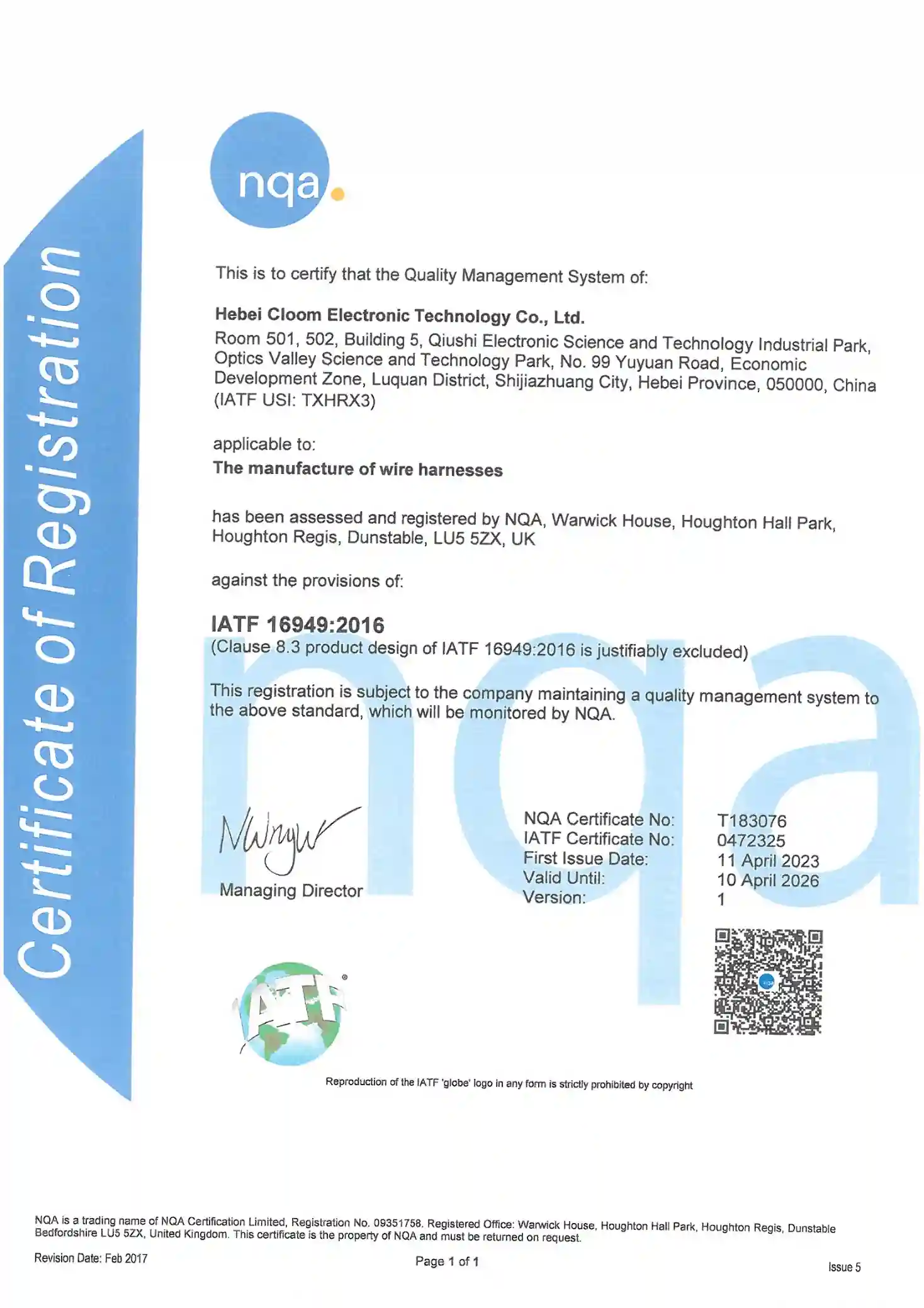
Reviewed by WellPCB Wire Harness Engineering

Hommer Zhao

Wire harness and cable assembly manufacturing lead

Factory-side harness production and RFQ review experience since 2008
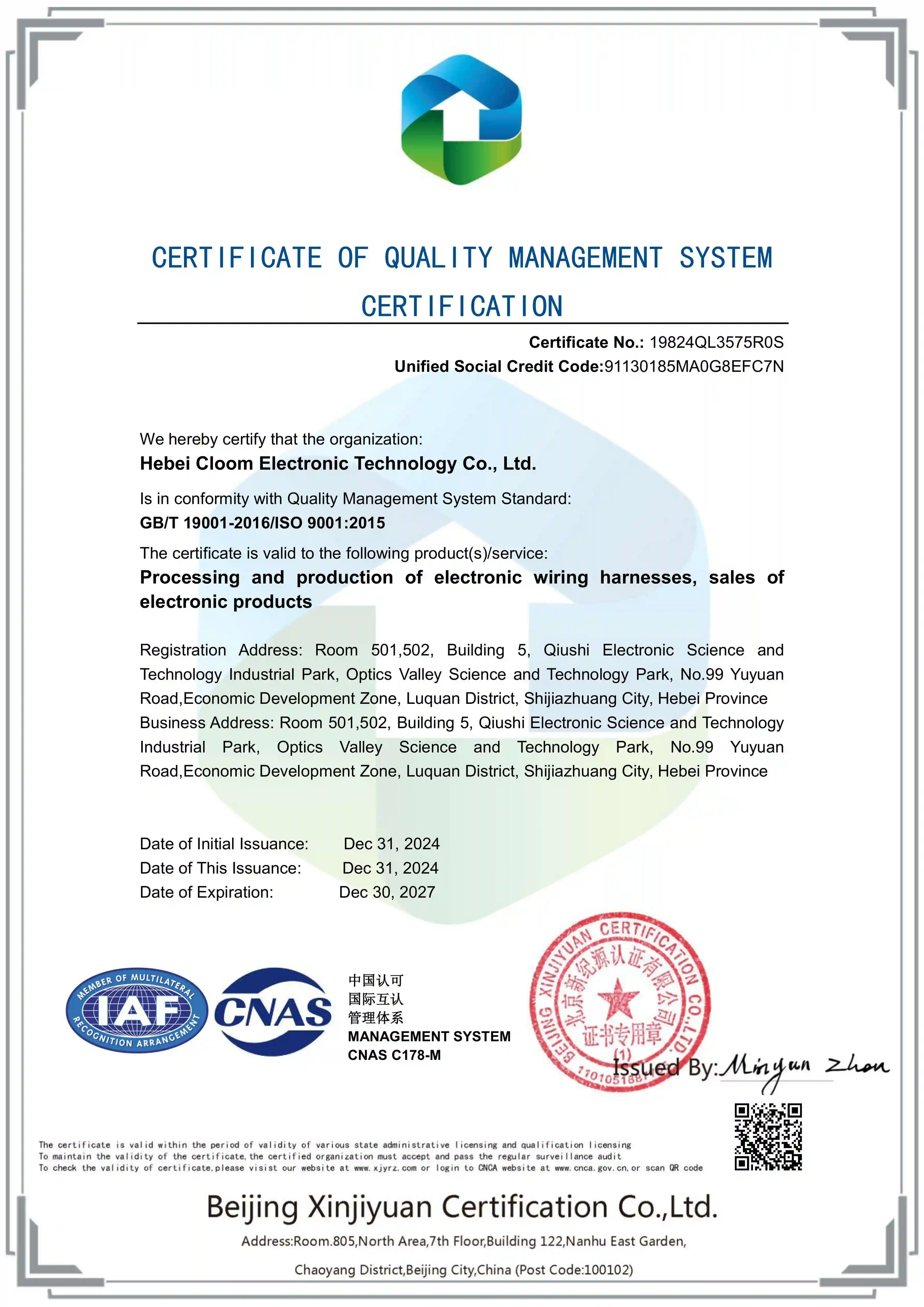
ISO 9001:2015, IATF 16949:2016-style traceability, and IPC-A-620 workmanship review context
Supports OEM cable assembly, connector sourcing, tooling review, testing, and export release programs

Need a Bulkhead Harness Quote With Tooling Risk Visible?

Send the drawing, 3D files, panel details, connector data, pinout, quantity, and test requirements. We will return fit risks, sourcing notes, tooling assumptions, price, lead time, and release evidence as separate review items.

Send This With Your Bulkhead Harness RFQ

2D drawing, 3D files, panel thickness, cutout dimensions, connector envelope, and mating direction

BOM, wire list, pinout, cavity map, wire gauge, shielding notes, label rules, and current drawing revision

Photos or samples showing the enclosure, panel, gasket face, cable exit, boot, grommet, and service access

Sample quantity, annual forecast, target lead time, MOQ limits, and whether tooling cost can be separated

Required tests, crimp evidence, pull-force records, first-article photos, CoC, packaging, and revision-control needs

What You Get Back

Panel-interface and connector-fit risk notes before sample commitment

Separated sample price, unit price, tooling fee, MOQ, sample lead time, and production lead time

Connector sourcing status, long-lead risk, and approved alternate notes when applicable

Recommended test scope, first-article evidence, fixture notes, and production release plan

Buyer Questions Before Bulkhead Cable Assembly RFQ

Answers for engineering and procurement teams comparing pass-through harness suppliers.

What is a bulkhead cable assembly?

A bulkhead cable assembly is a cable or wire harness that crosses a panel, enclosure, machine frame, or sealed wall through a controlled connector, molded pass-through, grommet, or feedthrough interface. The quote must cover the harness and the panel interface together.

When should we use a custom mold instead of a catalog bulkhead connector?

Use a catalog connector when the panel cutout, sealing target, mating half, and wire exit fit the design. Use custom mold development when the cable exit, strain relief, connector body, boot, or gasket surface needs geometry that catalog hardware cannot provide.

Can you support a 10-core pass-through wire harness?

Yes. In a US power-equipment case, the RFQ involved a 10-core pass-through wire harness with Custom mold development required and Custom connector design. We moved it into active engineering review after making the tooling and connector-design scope explicit.

What if the specified connector cannot be sourced?

We flag the sourcing issue before the quote is treated as final. In another formal harness RFQ, DSI system RFQ and Multiple connector sourcing failures were the concrete blockers, so the buyer was asked for approved alternates or sourcing assistance instead of receiving an unreliable quote.

Which tests should a pass-through harness include?

Most programs need 100% continuity, shorts, and polarity testing. Hipot, insulation resistance, pull-force records, seal checks, first-article photos, and fixture notes can be added when voltage, sealing, safety, or production repeatability requires them.

How is this different from a normal overmolded cable assembly?

An overmolded cable page focuses on the molded cable or connector. This page focuses on the complete panel pass-through problem: panel thickness, cutout, mating access, gasket face, cable exit angle, strain relief, connector sourcing, and production evidence.